The practice of food dehydration has evolved from an ancient survival necessity into a sophisticated culinary technique utilized by home cooks, outdoor enthusiasts, and emergency preparedness experts. Among the various categories of food preservation, dairy remains one of the most challenging due to its high fat and moisture content. However, hard cheeses, specifically Parmesan, present a unique opportunity for home preservationists to extend shelf life and create versatile, lightweight ingredients. While dairy is traditionally difficult to make shelf-stable without industrial equipment, the process of dehydrating Parmesan cheese allows for significant volume reduction and enhanced portability, making it an essential skill for those looking to diversify their pantry.
The Science and Background of Cheese Dehydration
To understand why Parmesan is particularly suited for dehydration, one must examine its composition. Unlike soft cheeses such as Brie or Mozzarella, which possess high moisture levels and a loose protein structure, Parmesan is a hard, aged cheese. During its traditional aging process, which can last anywhere from 12 to 36 months, much of the moisture is naturally evaporated, leaving behind a dense matrix of protein and fat. This low baseline moisture level is why Parmesan is more resistant to spoilage than its softer counterparts and why it responds more favorably to the heat of a home dehydrator.
In a professional food preservation context, the goal of dehydration is to lower the "water activity" ($a_w$) of a food item to a level where microbial growth—such as bacteria, yeast, and mold—is inhibited. For most shelf-stable products, a water activity level below 0.60 is required. While home dehydration of Parmesan can effectively remove the remaining water, the primary challenge remains the fat content. Fat does not evaporate; instead, it can become trapped or "bleed" out of the cheese during the heating process. This residual fat is susceptible to oxidation, also known as rancidity, which is why home-dehydrated cheese is classified as a short-term storage item rather than a multi-year survival food.
Step-by-Step Procedural Methodology for Dehydration
The process of dehydrating Parmesan requires precision to ensure the cheese dries thoroughly without melting into a singular mass. The following chronology outlines the standard operating procedure for achieving optimal results.
1. Preparation and Shredding
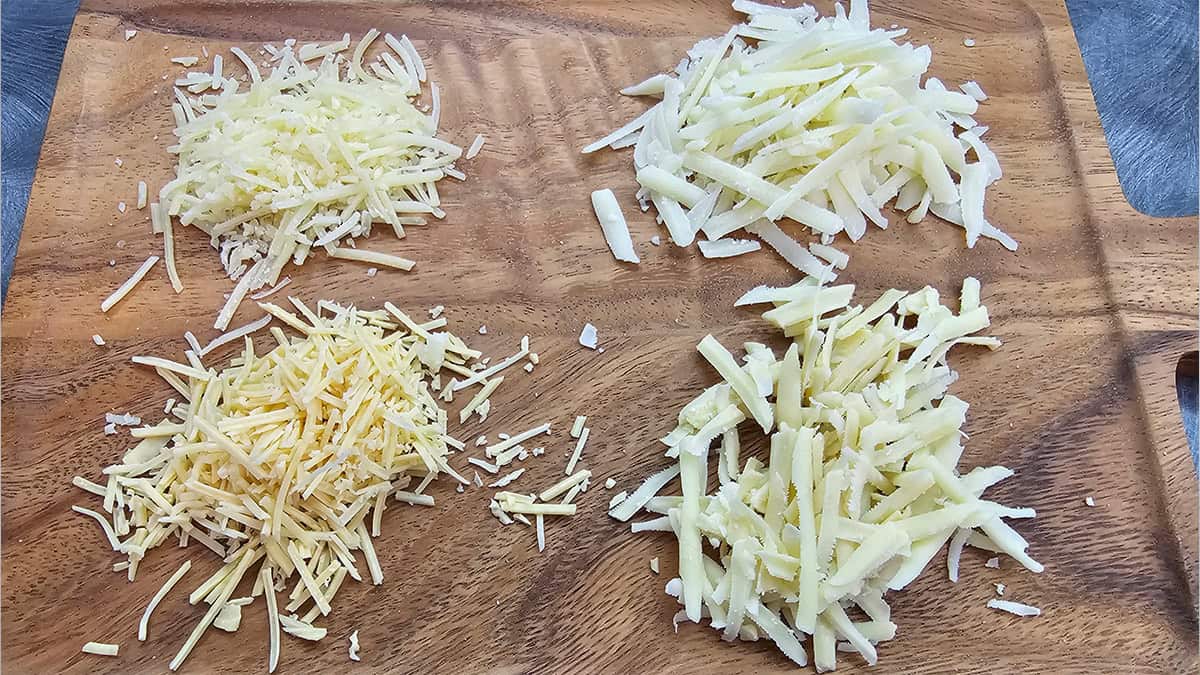
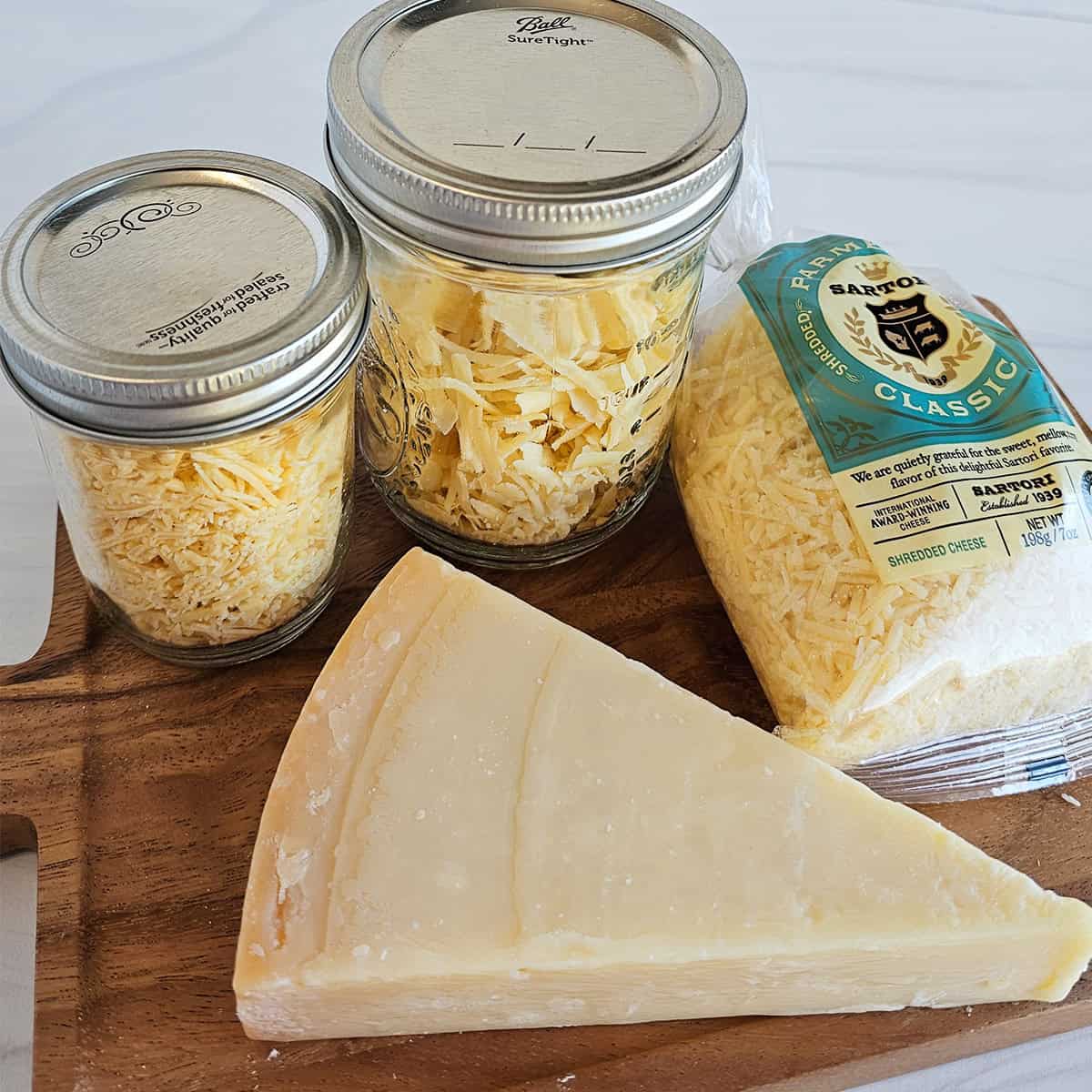
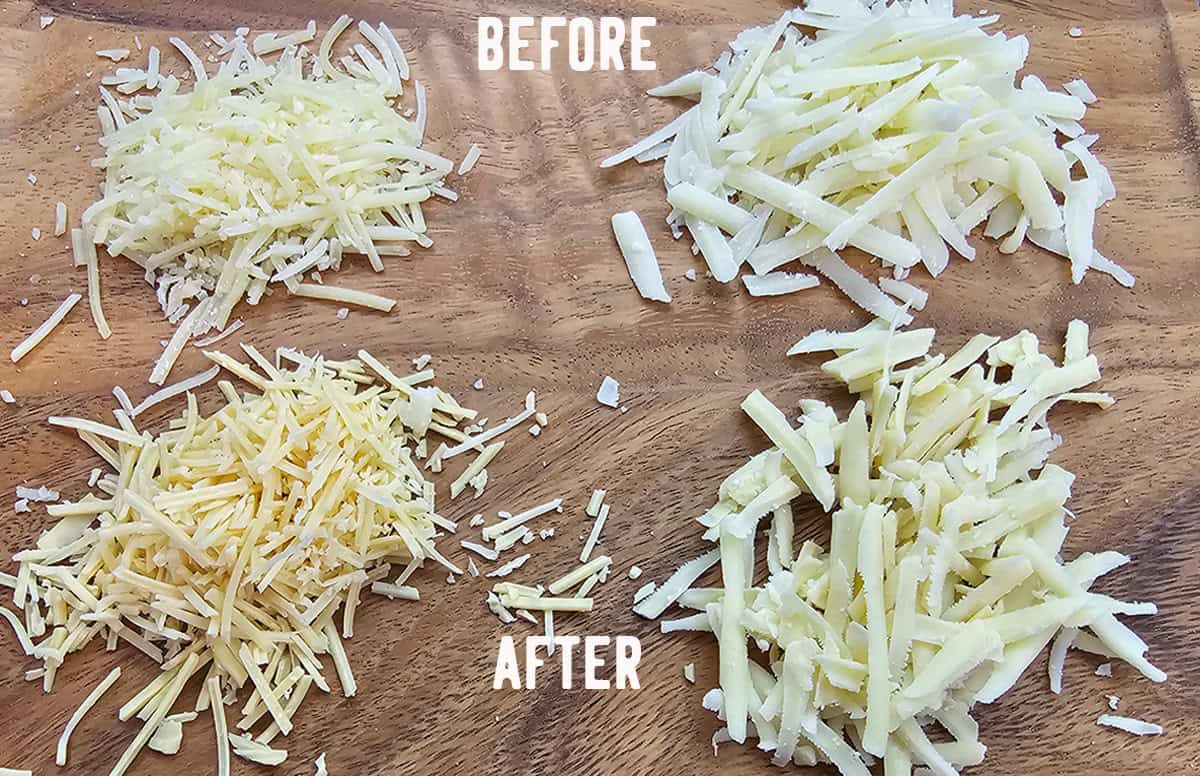
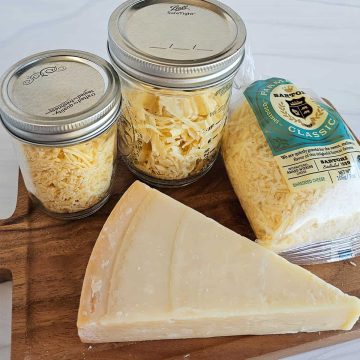
The first step involves selecting a high-quality wedge of Parmesan or utilizing pre-shredded varieties. If using a fresh wedge, it is recommended to shred the cheese finely using a microplane or the fine holes of a box grater. Smaller shreds provide more surface area, which facilitates faster and more even drying. If utilizing store-bought shredded Parmesan, ensure it is the dry, translucent variety rather than the "moist" shreds found in the refrigerator section, as the latter often contains higher moisture and additive oils.
2. Tray Arrangement and the "Blotting" Technique
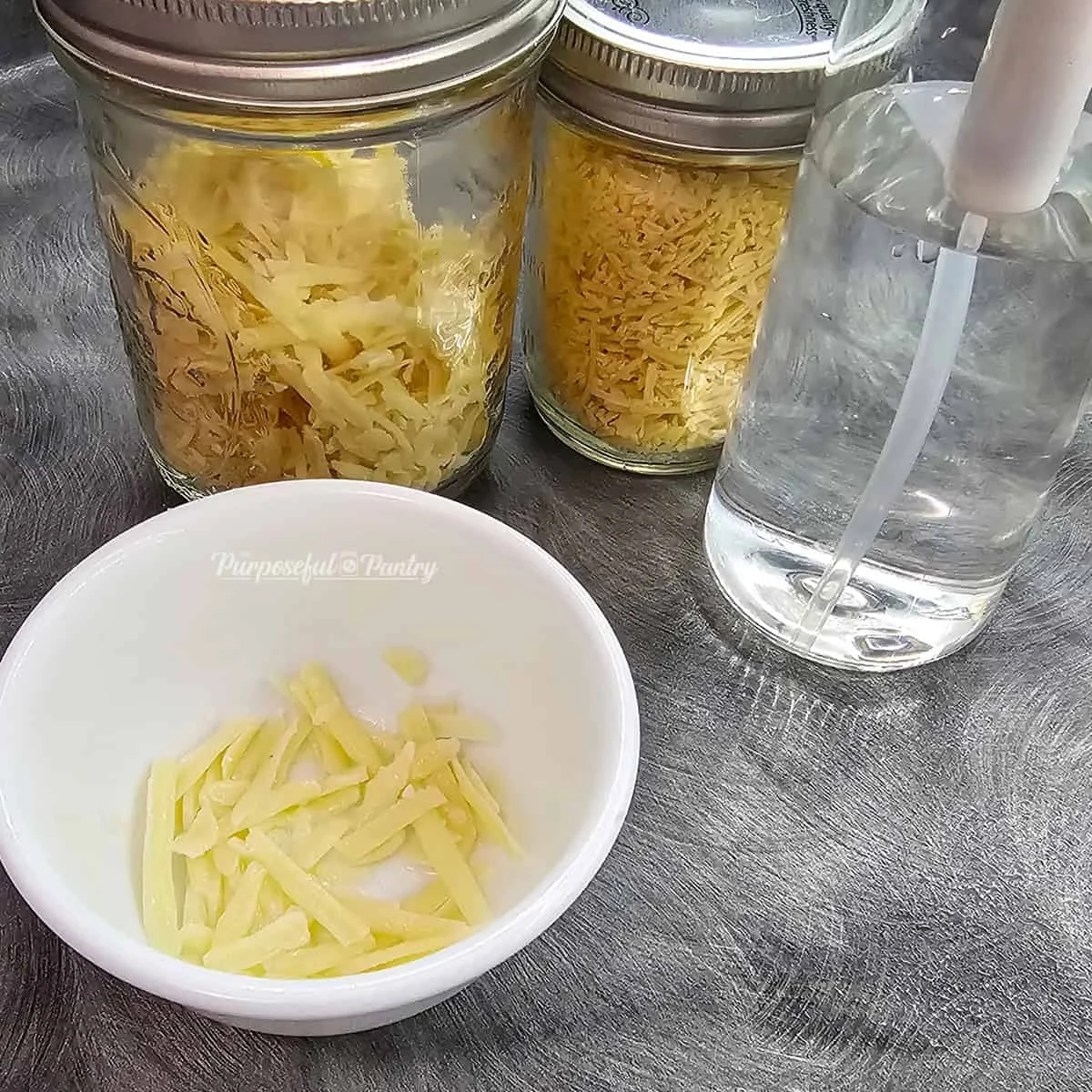
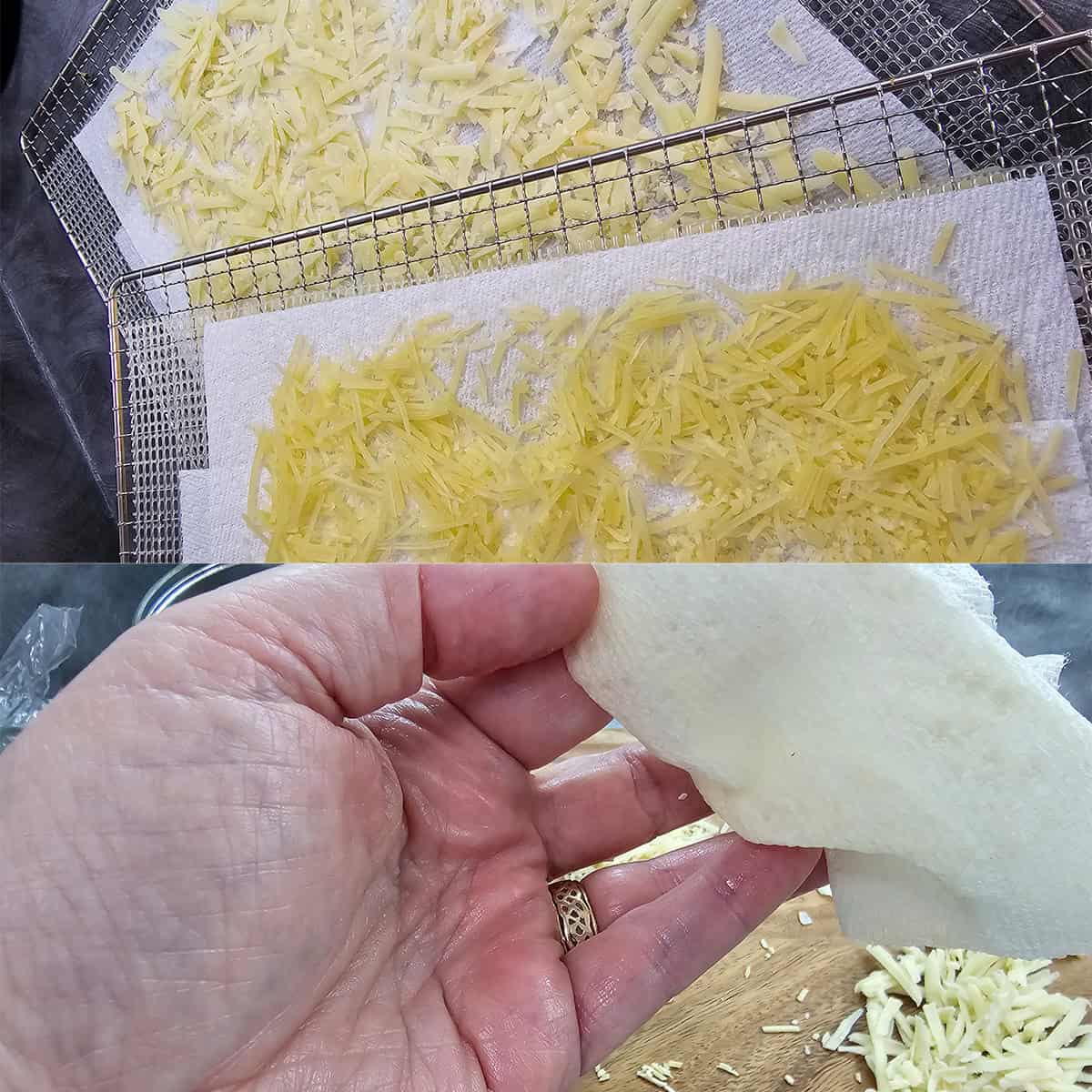
Once shredded, the cheese should be spread in a thin, uniform layer across dehydrator trays. It is essential to use fine mesh liners or parchment paper to prevent the small shreds from falling through the trays as they shrink. A critical component of the "Purposeful Pantry" method is the use of paper towels. Placing a layer of paper towels beneath the mesh liner can help absorb excess fats that render out during the process.
3. Temperature Regulation and Duration
Dehydrators should be set to a temperature of approximately 125°F to 135°F (52°C to 57°C). Setting the temperature too high will cause the fat to melt rapidly, effectively "frying" the cheese rather than drying it. The dehydration process typically requires between 6 to 12 hours, depending on the ambient humidity and the specific moisture content of the cheese.
4. The Fat Management Process
During the drying cycle, it is imperative to monitor the cheese for "sweating." As the cheese heats, beads of oil will appear on the surface. Home preservationists should periodically blot the surface of the cheese with clean paper towels to remove this oil. Reducing the surface fat significantly decreases the risk of rancidity during storage.
Nutritional Profile and Data Analysis
The dehydration process concentrates the nutrients found in fresh Parmesan. Because the water is removed, the resulting product is more calorically dense by weight. According to nutritional estimations provided by food preservation experts, a standard serving of dehydrated Parmesan (approximately one ounce of the original fresh product) maintains a robust nutritional profile:
- Calories: 105 kcal
- Protein: 7g
- Total Fat: 7g
- Saturated Fat: 4g
- Cholesterol: 22mg
- Sodium: 438mg
- Carbohydrates: 3g
- Sugar: 0.02g
It is important to note that when using dehydrated foods, a 4:1 ratio generally applies to nutrient density. For example, one-quarter cup of dehydrated cheese provides roughly the same caloric and protein value as one full cup of fresh shredded cheese. This density makes it an ideal high-protein snack for hikers and athletes who require lightweight, energy-dense nutrition.
Storage Protocols and Shelf-Life Expectations
The storage of dehydrated dairy is a subject of much debate in the food safety community. Because the home dehydration process cannot remove 100% of the fats, the product is not indefinitely shelf-stable. Oxidation occurs when fats are exposed to oxygen, leading to off-flavors and odors.
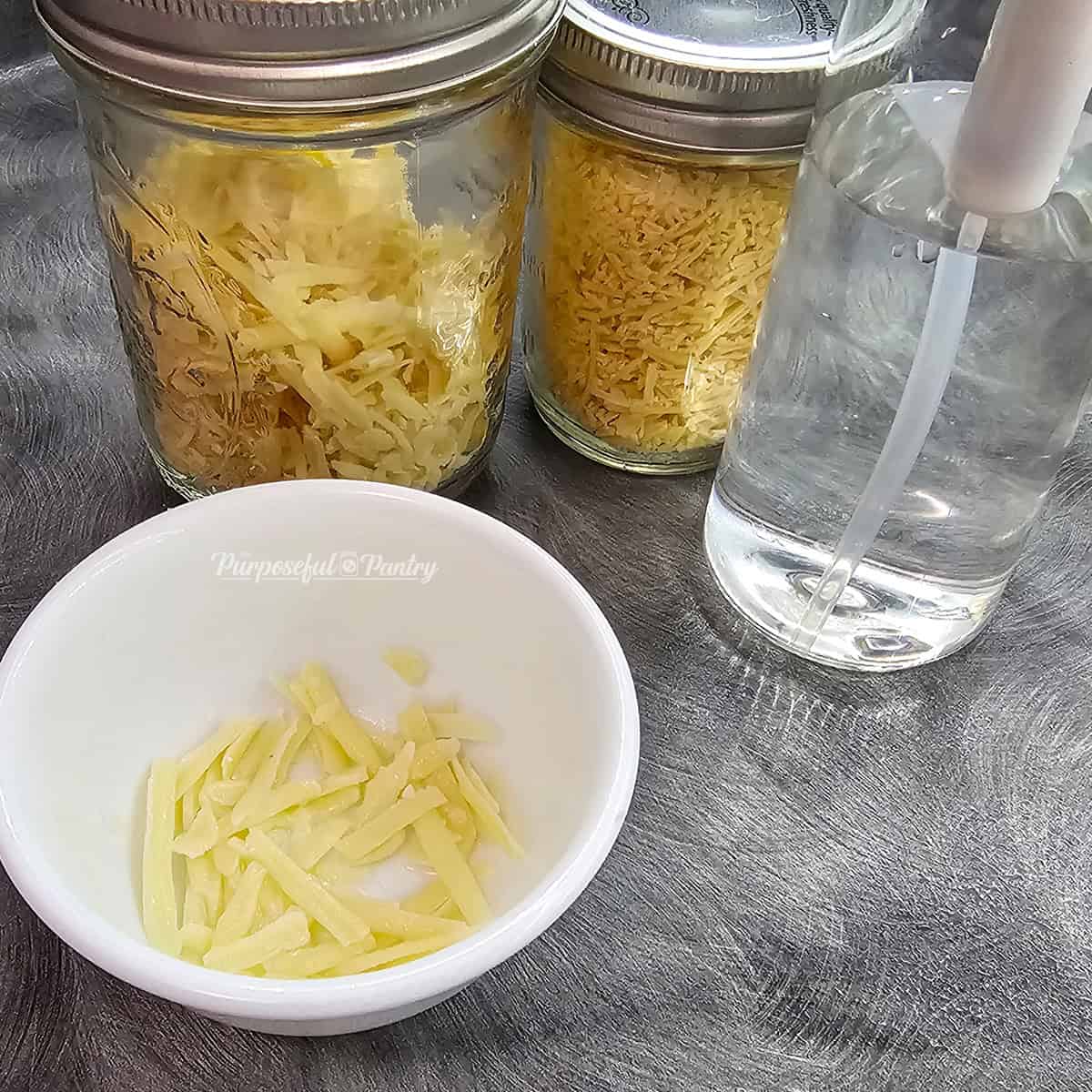
For optimal quality, dehydrated Parmesan should be stored in airtight containers, such as glass Mason jars, with oxygen absorbers. While the cheese can be kept on a cool, dark pantry shelf for short-term use (typically 6 to 12 months), the most reliable method for extending its life is refrigeration or freezing. Storing the dried shreds in the freezer effectively halts the oxidation process, allowing the cheese to remain viable for a year or longer without significant degradation in taste.
Comparative Analysis: Hard vs. Soft Cheeses
Not all cheeses are created equal in the eyes of a dehydrator. The success of Parmesan in this process is largely due to its low lactose and high protein-to-fat ratio. Other hard cheeses that perform well under similar conditions include:
- Asiago: Similar to Parmesan, its aged varieties are low in moisture.
- Romano: Known for its sharp flavor, it dries into a potent seasoning powder.
- Dry Jack: An aged version of Monterey Jack that offers a milder profile.
Conversely, softer cheeses like Cheddar, Mozzarella, and Swiss pose significant challenges. These varieties have higher fat and moisture contents, leading to excessive melting on the dehydrator trays. While they can be dehydrated, they require much more frequent blotting and must be stored in the freezer immediately to prevent rapid spoilage.
Culinary Applications and Rehydration
The utility of dehydrated Parmesan extends beyond simple storage. It serves as a base for gourmet seasoning blends, such as the Mushroom Parmesan Seasoning, which combines powdered dehydrated mushrooms with cheese to create an "umami bomb" for popcorn, pasta, and roasted vegetables.
For those looking to return the cheese to its original state, rehydration is a straightforward process. The dried shreds can be placed in a bowl with a small amount of warm water or oil and allowed to sit for 5 to 10 minutes. However, in many applications, such as soups, stews, or "meals in a jar" for camping, the cheese can be added directly in its dry form, where it will absorb moisture from the cooking liquid.
Safety Implications and Regulatory Context
While the USDA and FDA provide extensive guidelines for the commercial production of shelf-stable dairy, home-dried dairy exists in a "grey area" of food safety. Experts at The Purposeful Pantry and other preservation outlets emphasize that home dehydration should be viewed as a method for short-term convenience rather than long-term survival. The primary indicator of spoilage in dehydrated cheese is the scent; if the product develops a "soapy" or "paint-like" odor, it is a sign that the fats have oxidized, and the product should be discarded.
Broader Impact on Sustainable Living
The ability to dehydrate Parmesan cheese contributes to a more sustainable and less wasteful kitchen. By preserving cheese that might otherwise spoil in the refrigerator, households can reduce food waste and save money. Furthermore, for the growing community of "preppers" and outdoor adventurers, mastering the dehydration of hard cheeses provides a way to enjoy high-quality, flavorful meals in environments where refrigeration is unavailable.
In conclusion, while the dehydration of Parmesan cheese requires careful attention to fat management and storage conditions, it remains a highly effective technique for the modern pantry. By following established protocols for shredding, temperature control, and blotting, home cooks can create a versatile ingredient that bridges the gap between fresh culinary excellence and long-term food security. As interest in self-sufficiency continues to rise, the humble dehydrator remains a powerful tool in the quest for a well-stocked and resilient home.