
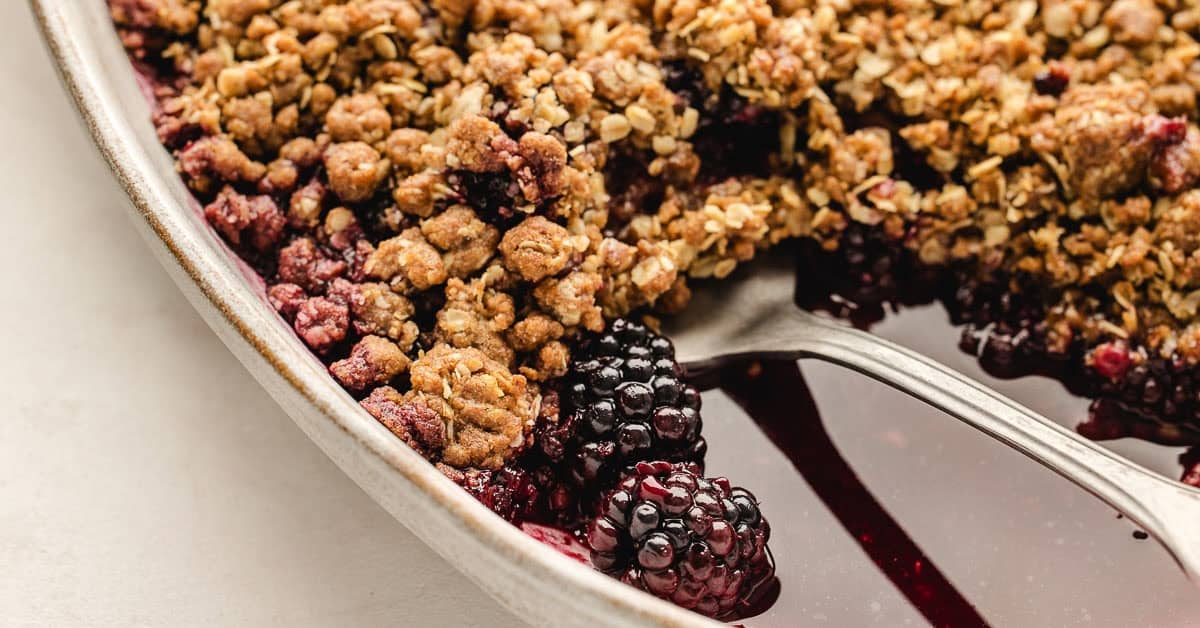
The seasonal transition into late summer marks the peak harvest for the Rubus genus, specifically the blackberry, which serves as the foundational element for one of North America’s most enduring traditional desserts: the blackberry crisp. Defined by its juxtaposition of a viscous, tart fruit base and a structural, saccharine oat topping, the blackberry crisp represents a significant intersection of horticultural availability and home-baked culinary tradition. As agricultural yields for blackberries reach their zenith between July and August, culinary experts and home bakers alike pivot toward recipes that emphasize fruit preservation through thermal processing. This report examines the technical specifications, historical context, and chemical composition of the blackberry crisp, a dish that remains a staple of the "slow food" movement and seasonal gastronomy.
The Botanical and Economic Context of the Blackberry Harvest
Blackberries are high-value specialty crops that thrive in temperate climates, with the Pacific Northwest region of the United States, particularly Oregon, leading commercial production. According to data from the USDA National Agricultural Statistics Service, blackberries contribute significantly to the multi-billion dollar berry industry. While commercial varieties are bred for shelf stability and size, wild foraging remains a culturally significant method of acquisition.
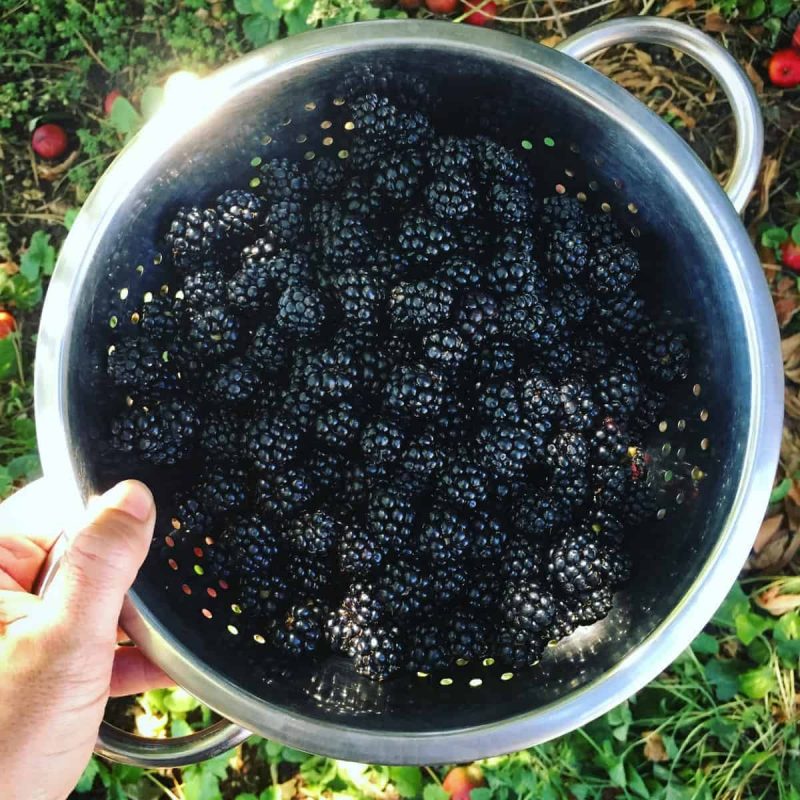
The foraging timeline typically commences in early summer for southern latitudes and extends into September for northern regions. Foragers prioritize berries that exhibit a deep obsidian hue and a slight give upon pressure, indicating peak sugar concentration. The transition from wild foraging to domestic kitchen application requires rigorous cleaning protocols to remove environmental debris, a process that precedes the actual baking timeline. The use of both fresh and flash-frozen berries ensures that the blackberry crisp remains a viable dessert option year-round, though the peak summer iteration is widely considered the gold standard in terms of flavor profile and aromatic intensity.
Distinguishing the Crisp: A Comparative Analysis of Fruit Desserts
In the realm of fruit-based desserts, nomenclature is often confused. However, distinct structural differences separate the crisp from its counterparts, such as the cobbler, the crumble, and the betty.
- The Cobbler: Characterized by a biscuit or dumpling-style dough dropped over the fruit. This results in a cake-like texture that absorbs the fruit juices, creating a soft, pillowy mouthfeel.
- The Crumble: Similar to a crisp but traditionally lacks oats. It relies on a simple mixture of flour, sugar, and butter to create a sandy texture.
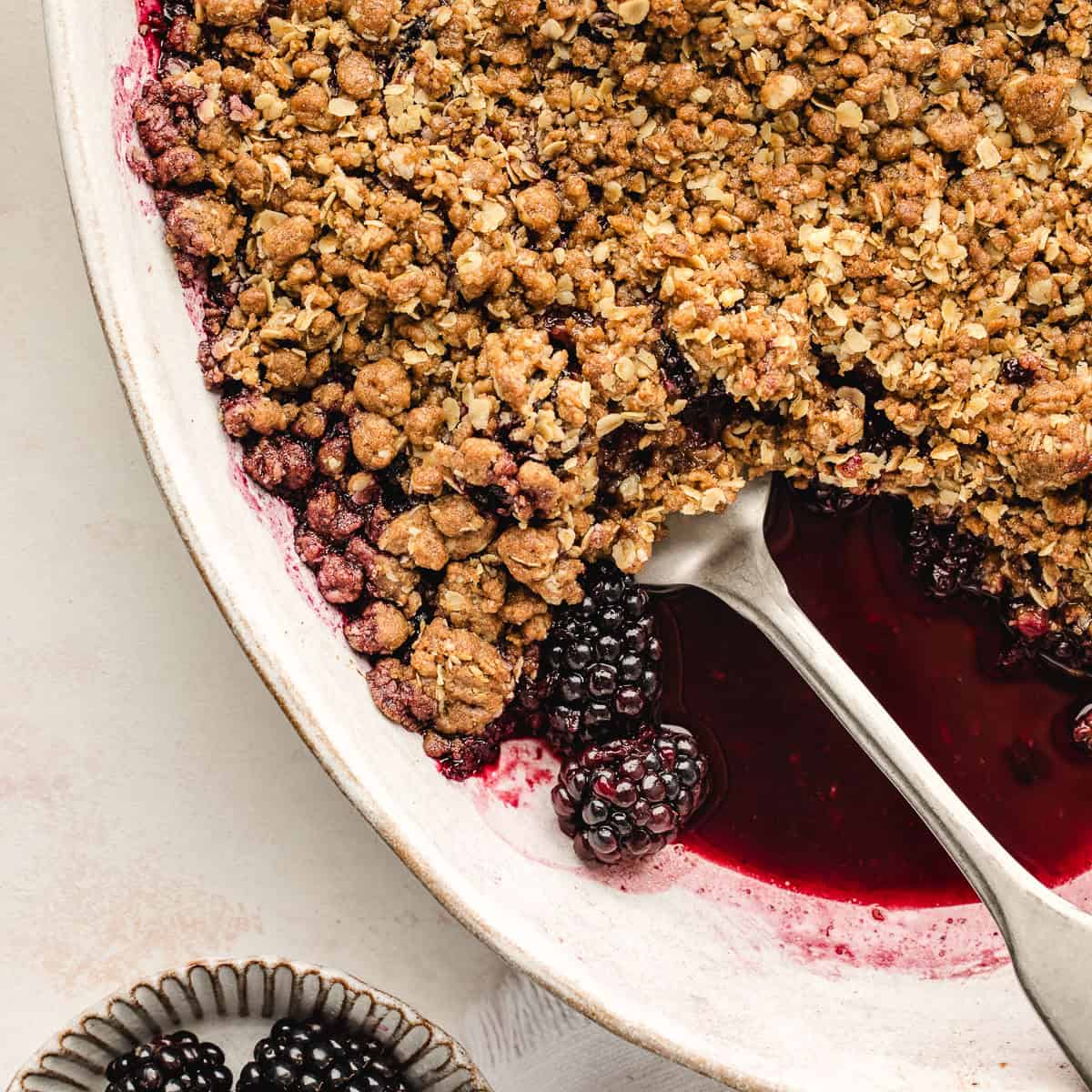
- The Crisp: Distinguished by the inclusion of old-fashioned rolled oats in the topping. This addition provides a structural "crunch" and a toasted flavor profile that contrasts sharply with the softened fruit beneath.
Culinary historians note that the crisp gained popularity in the early 20th century, particularly during the World War era, as it required less flour and butter than traditional pies, making it a more resource-efficient option for households under rationing.
Technical Specifications and Ingredient Analysis
The success of a blackberry crisp is predicated on the interaction between acid, sugar, and starch. Each component of the recipe serves a specific functional purpose in the final outcome.
The Fruit Base: Acid and Viscosity
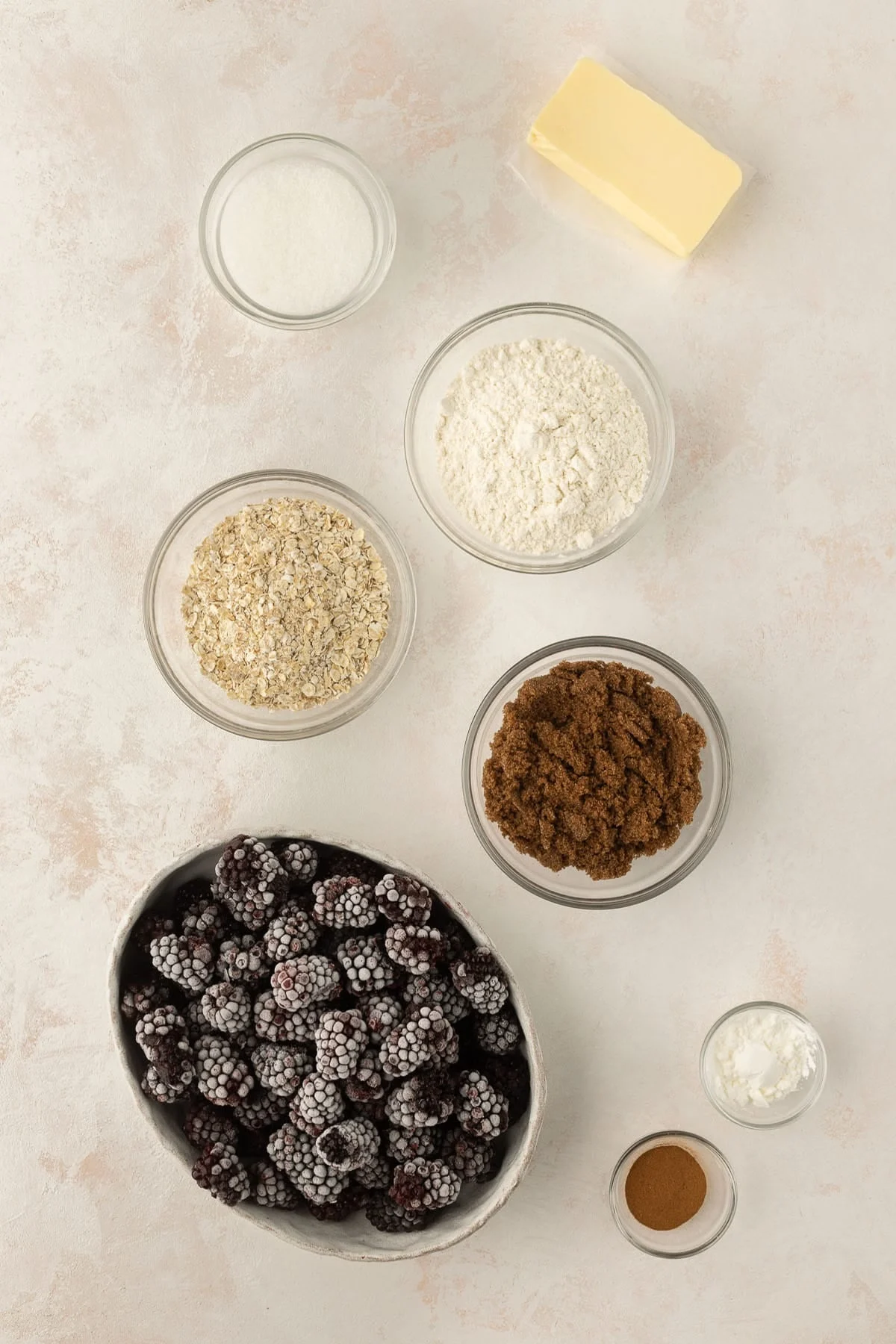
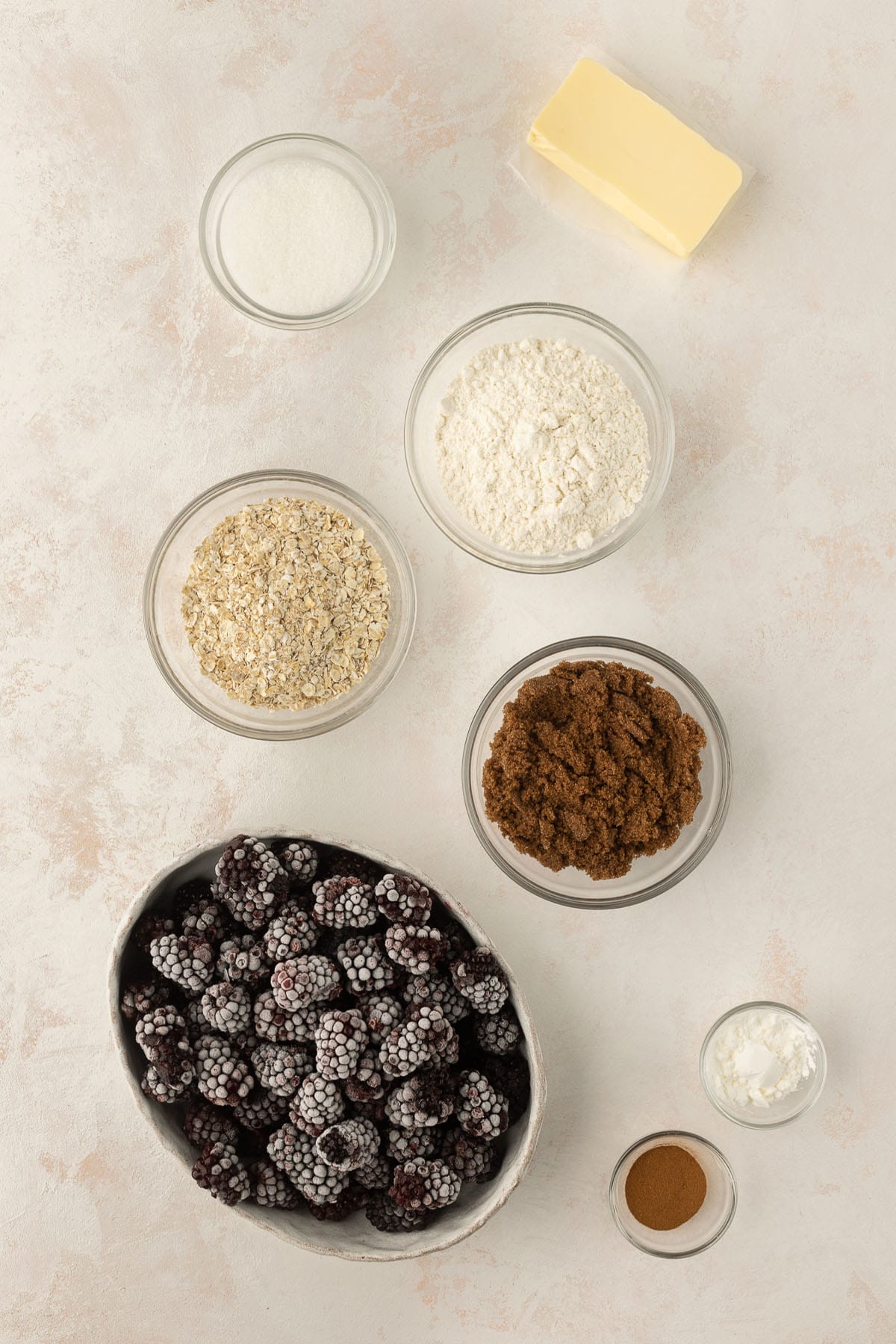
The recipe requires 24 ounces of blackberries. The chemical challenge of baking with blackberries lies in their high water content. When exposed to heat, the cellular walls of the berries break down, releasing juice that can result in a thin, watery consistency. To counteract this, a thickening agent—specifically organic cornstarch or arrowroot powder—is introduced.

Cornstarch acts as a stabilizer; when it reaches a temperature of approximately 144°F to 162°F, the starch granules begin to gelatinize, absorbing excess moisture and creating a glossy, thick syrup. The addition of cane sugar balances the natural tartness of the berries, which is caused by the presence of isocitric and malic acids.
The Crisp Topping: Maillard Reaction and Texture
The topping is a composite of all-purpose flour, brown sugar, ground cinnamon, cold butter, and old-fashioned rolled oats. The use of cold, cubed butter is a critical technical requirement. When cold fat is rubbed into flour, it creates small pockets. During the baking process, the water in the butter evaporates, creating steam that lifts the topping, while the fat coats the flour proteins to prevent excessive gluten development. This results in a "short," crumbly texture rather than a tough, bread-like one.

The brown sugar provides molasses notes and aids in the Maillard reaction—the chemical reaction between amino acids and reducing sugars that gives the topping its golden-brown color and toasted aroma. Rolled oats are preferred over quick-cooking oats because their larger surface area and higher fiber content allow them to maintain their integrity under heat, providing the "crisp" element that defines the dish.
Chronological Guide to Preparation and Thermal Processing
The preparation of a blackberry crisp follows a logical progression designed to optimize texture and flavor integration.
Phase I: Oven Calibration and Fruit Preparation
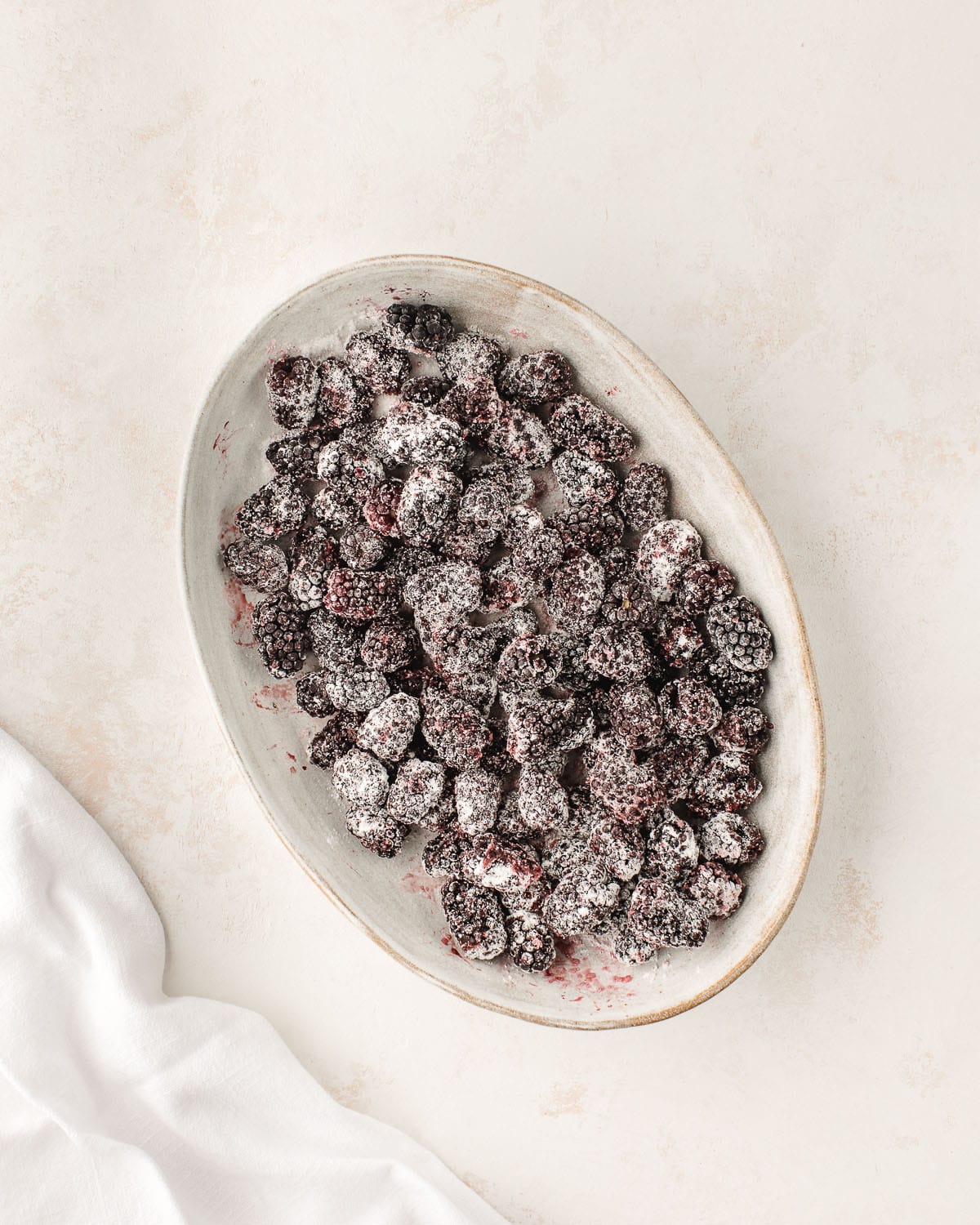
The process begins with preheating the oven to 350°F (175°C). This moderate temperature is essential for ensuring that the fruit reaches a boiling point (to activate the starch) at the same rate that the topping reaches a golden-brown state. The berries are placed in a 9×13-inch baking dish and tossed with sugar and cornstarch to ensure an even distribution of the thickening agent.
Phase II: Structural Synthesis of the Topping
In a separate mixing vessel, the dry ingredients—flour, brown sugar, and cinnamon—are combined. The cold butter is integrated using manual manipulation (fingertip rubbing) or a pastry blender until a "large crumb" consistency is achieved. The final step in this phase is the folding in of the rolled oats.
Phase III: Assembly and Baking
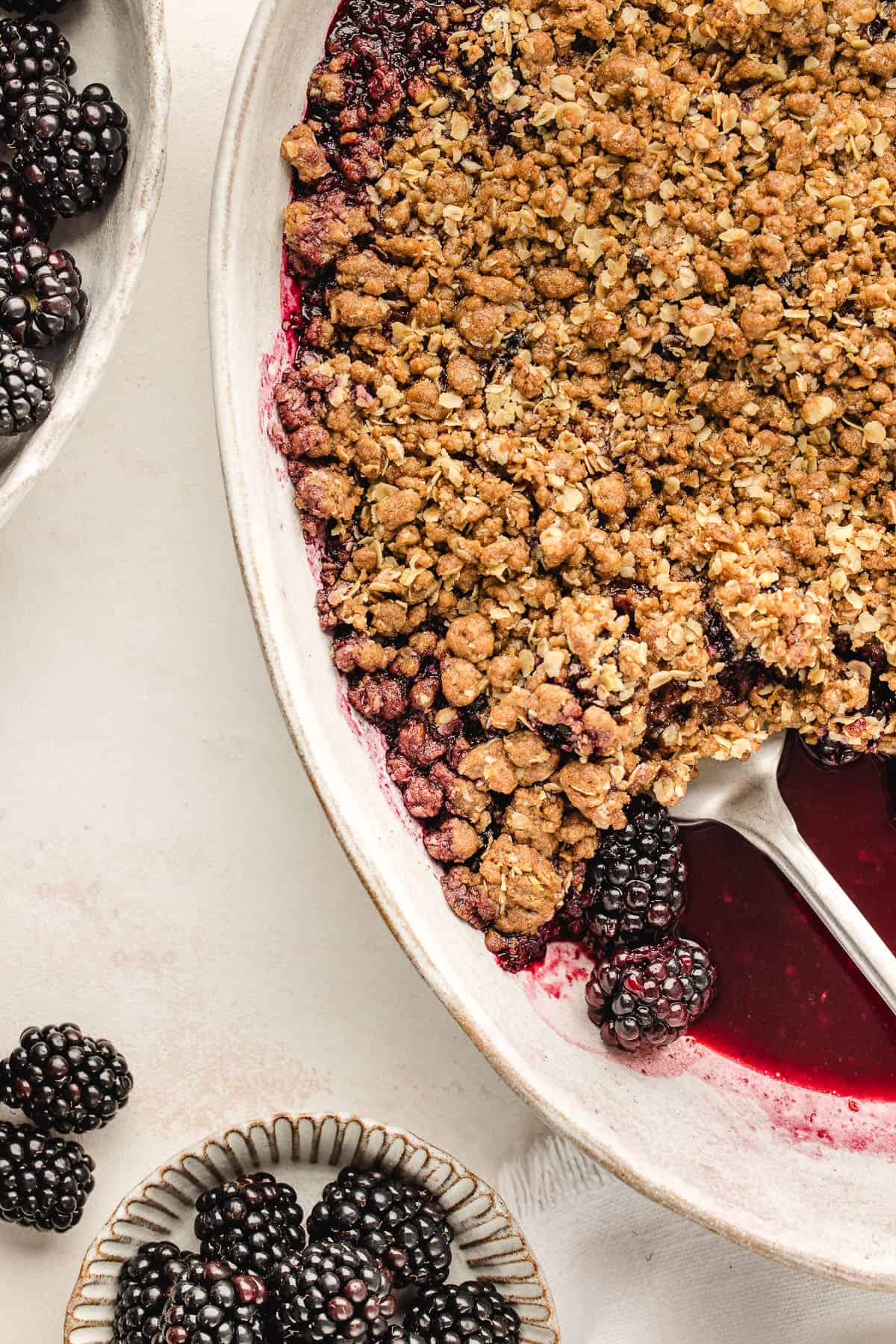
The topping is scattered evenly over the berry base. It is imperative that the topping is not compressed; a loose application allows for better heat circulation and a superior crunch. The dish is placed on the middle rack of the oven and baked for approximately 35 minutes.
Phase IV: The Cooling and Setting Period
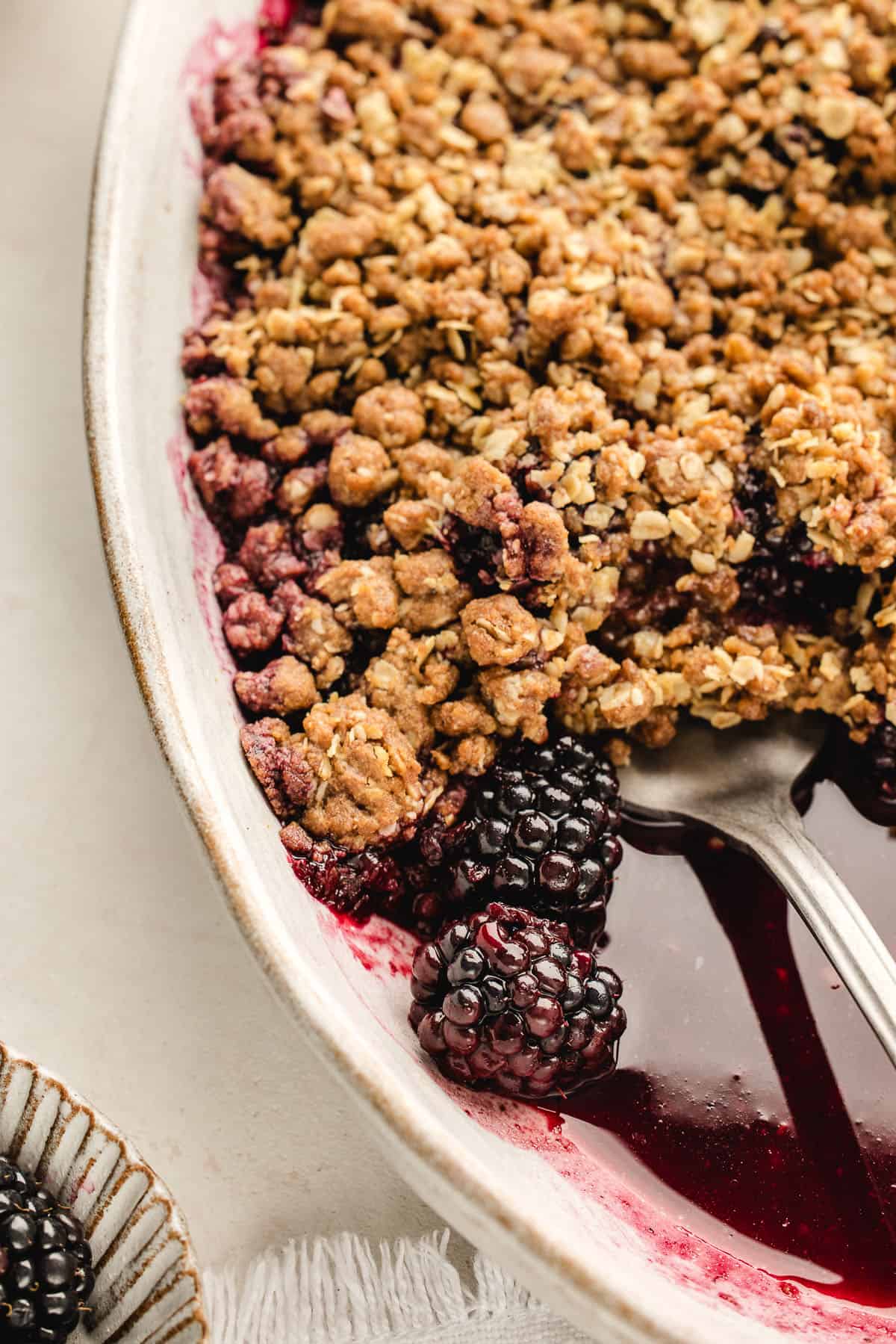
Upon removal from the oven, the crisp requires a rest period of 10 to 15 minutes. This is not merely for temperature regulation but to allow the starch gelatinization to fully set as the temperature slightly drops, ensuring the fruit base is not overly fluid when served.
Nutritional Profile and Health Implications
While categorized as a dessert, the blackberry crisp contains several nutrient-dense components. Blackberries are recognized as a "superfood" due to their high concentration of anthocyanins—antioxidants that give the berries their dark color and are linked to improved cardiovascular health and reduced inflammation. One serving of blackberry crisp (approximately 0.75 cup) contains roughly 340 calories.
The inclusion of oats adds dietary fiber, specifically beta-glucan, which is known to assist in cholesterol management. However, the presence of refined sugars and saturated fats from butter necessitates moderation within a balanced diet. For those with dietary restrictions, the recipe is easily adaptable; gluten-free flour blends and vegan butter alternatives can be substituted without compromising the fundamental structural integrity of the dish.
Storage, Preservation, and Food Safety
Post-consumption management of the blackberry crisp is essential for maintaining food safety and texture. The high sugar and acid content of the fruit provides some preservative qualities, but the dairy content in the butter necessitates refrigeration.
- Refrigeration: The crisp should be stored in an airtight container and refrigerated at or below 40°F. It remains safe for consumption for four to five days.
- Reheating: To restore the crispness of the topping, reheating in an oven or toaster oven at 300°F is recommended over microwave heating, as the latter can cause the topping to become soggy due to steam entrapment.
- Freezing: While the baked crisp can be frozen, the texture of the oat topping may degrade upon thawing. For best results, it is recommended to freeze the berry base and the dry topping separately.
Cultural Impact: The Rise of "Nostalgia Baking"
The resurgence of interest in recipes like the blackberry crisp can be attributed to a broader cultural shift toward "nostalgia baking" and the "cottagecore" aesthetic. In an increasingly digital age, the tactile nature of foraging and home baking offers a perceived return to "simpler" times. Market analysts have noted a significant uptick in the sales of home baking supplies and a renewed interest in traditional, multi-generational recipes.
The blackberry crisp, with its "grandma-core" appeal, serves as a culinary bridge between generations. It represents a rejection of highly processed, shelf-stable snacks in favor of whole ingredients and seasonal eating. This shift has implications for local economies, as it encourages participation in "pick-your-own" farm tourism and supports local agricultural cooperatives.
Final Analysis and Implications
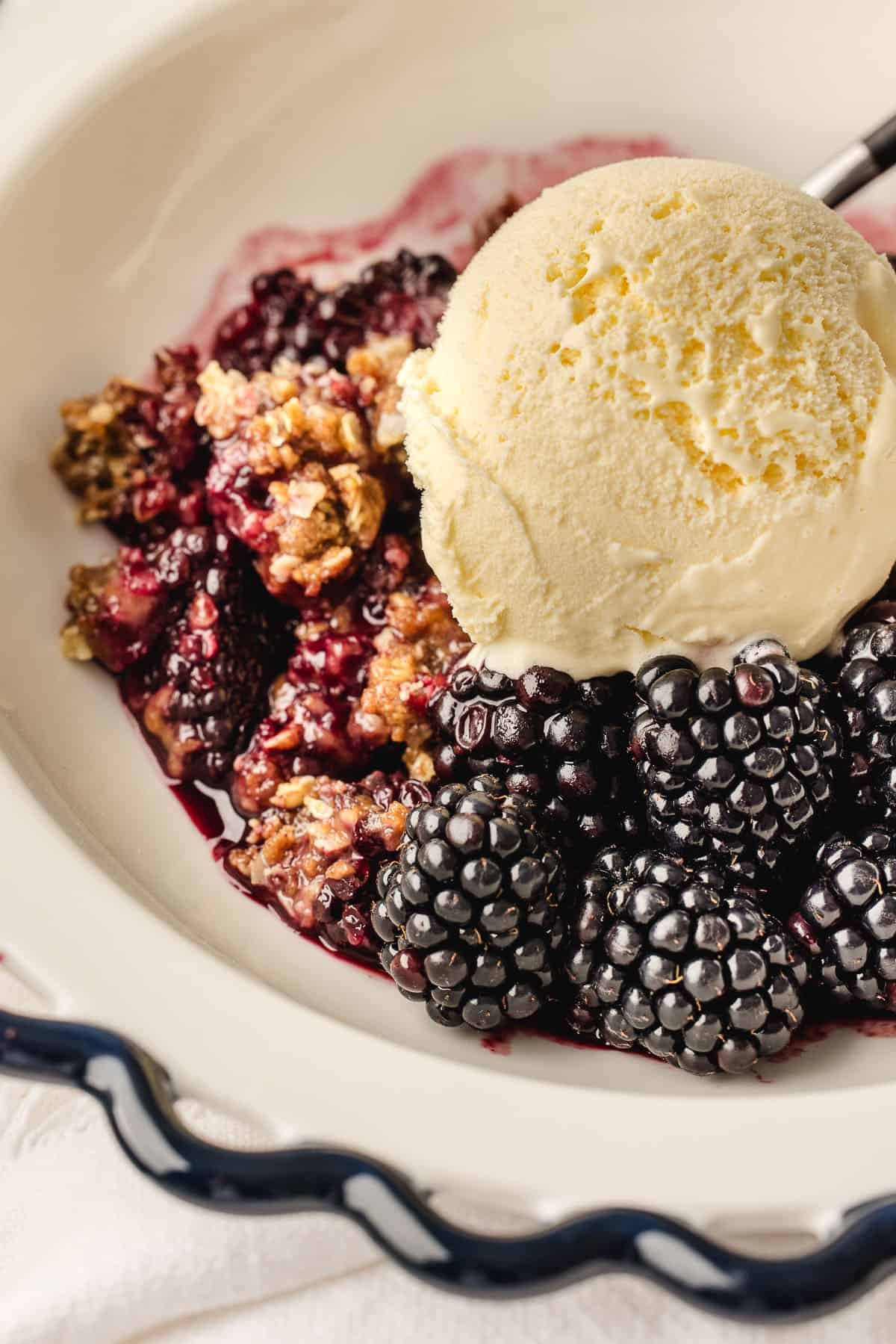
The blackberry crisp is more than a seasonal dessert; it is a technical exercise in culinary balance and a cultural artifact of North American agrarian history. By understanding the science of the ingredients—from the gelatinization of cornstarch to the Maillard reaction in the oat topping—bakers can consistently produce a dish that satisfies both the palate and the desire for communal, comforting food. As the climate continues to shift and affect harvest windows, the adaptability of this recipe—utilizing both fresh and frozen yields—ensures its continued relevance in the modern kitchen. Whether served warm with vanilla ice cream to provide a thermal contrast or enjoyed chilled as a breakfast alternative, the blackberry crisp remains a definitive expression of summer’s bounty.


