The implementation of a structured meal planning and preparation system has emerged as a primary strategy for households seeking to mitigate the dual challenges of escalating grocery costs and environmental degradation. By transitioning from impulsive, day-to-day food procurement to a disciplined, ingredient-focused methodology, consumers can significantly reduce both packaging waste and the volume of organic matter sent to landfills. Recent data suggests that the average household can reduce its food waste by up to 25% through the adoption of these systematic behaviors, providing a tangible solution to a global crisis where approximately one-third of all food produced for human consumption is lost or wasted.
The Distinction Between Meal Planning and Meal Prepping
To establish an effective household food management system, it is necessary to distinguish between meal planning and meal prepping, as they serve different logistical functions. Meal planning is the cognitive and organizational phase, involving the selection of dishes and the mapping of consumption for a specific timeframe, typically one week. This process encompasses all daily nutritional intake, including breakfast, lunch, dinner, and snacks.
In contrast, meal prepping is the execution phase, wherein ingredients or entire meals are prepared or cooked in advance of their consumption. While the two practices are complementary, they are not mutually exclusive. A consumer may plan a week of meals to ensure a streamlined grocery list without necessarily spending hours in the kitchen on a Sunday. However, the integration of both practices maximizes time efficiency and financial savings.

The Economic and Environmental Context of Food Waste
The urgency of adopting these systems is underscored by recent economic and environmental data. According to the Environmental Protection Agency (EPA), food is the single largest category of material placed in municipal landfills in the United States, where its decomposition contributes significantly to methane emissions—a potent greenhouse gas. From a financial perspective, the average American family of four loses an estimated $1,500 annually on food that is purchased but never consumed.
In the current economic climate, characterized by fluctuating inflation in the consumer price index for food, meal planning serves as a hedge against rising costs. By adhering to a predefined list based on existing pantry inventory, consumers avoid "impulse buys"—unplanned purchases that often account for 20% to 30% of a total grocery bill.
A Chronological Framework for Implementation
A successful meal management system follows a logical progression designed to minimize decision fatigue and maximize resource utility.
Phase 1: The Development of a Master Recipe List
The foundation of any sustainable plan is a comprehensive inventory of "reliable" recipes. These are dishes that the household enjoys and the cook is proficient in preparing. This list should be categorized by meal type (breakfast, lunch, dinner, snack) and updated periodically. Experts suggest maintaining a mix of quick 20-minute meals and more complex dishes to accommodate varying daily energy levels.

Phase 2: Calendar Synchronization and Environmental Assessment
Before drafting a weekly menu, consumers must audit their upcoming schedule. Identifying nights with professional commitments, social events, or late-running extracurricular activities prevents the over-purchase of perishable ingredients. Furthermore, factoring in seasonal weather patterns ensures that the menu aligns with physiological cravings—such as lighter salads during heatwaves or nutrient-dense soups during colder periods—which increases the likelihood of adhering to the plan.
Phase 3: Inventory Auditing and Strategic Shopping
The most frequent cause of food waste is the redundant purchase of items already in stock. A "pantry-first" approach involves building a menu around existing staples. If a household has a surplus of rice or lentils, the week’s plan should prioritize dishes that utilize those specific items. Once the menu is set, a categorized grocery list (produce, protein, pantry, dairy) should be generated to ensure a focused and efficient shopping experience.
Strategic Flexibility: Planning Ingredients Over Meals
A common failure in traditional meal planning is the rigid assignment of specific meals to specific days. Journalistic analysis of consumer behavior suggests that this rigidity often clashes with fluctuating daily preferences. A "flexible meal plan" focuses on having the necessary ingredients for five to seven dinners available, allowing the consumer to choose which dish to cook based on their mood or time availability each evening. This approach reduces the likelihood of abandoning the plan in favor of takeout when a pre-scheduled meal no longer feels appealing.
Nutritional Balance and Consistency in Daily Intake
While dinner often receives the most attention in planning, consistency in breakfast, lunch, and snacks is vital for maintaining metabolic health and avoiding expensive, low-nutrition convenience foods.

Data from nutritional studies indicate that decision fatigue peaks in the mid-afternoon, often leading to poor dietary choices. By prepping consistent, high-protein breakfasts (such as yogurt jars) and lunches (such as structured sandwiches or grain bowls), consumers can stabilize blood sugar levels and avoid "reactive eating." A balanced meal should ideally incorporate four key components:
- Carbohydrates: For sustained energy.
- Protein: For muscle maintenance and satiety.
- Fats: For hormonal health and nutrient absorption.
- Fiber: For digestive health and prolonged fullness.
Optimization of Ingredient Preparation
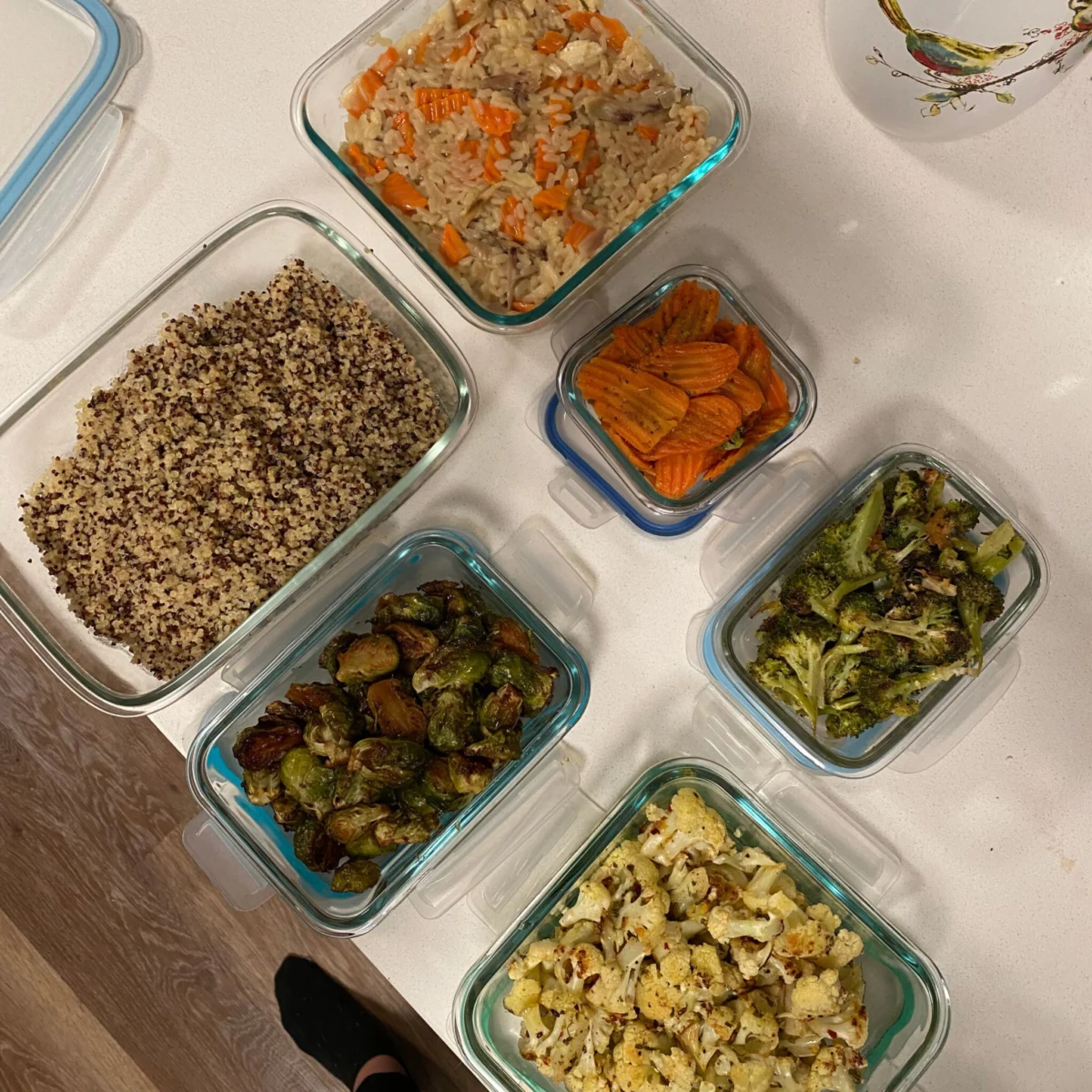
For many, the primary barrier to home cooking is the labor-intensive nature of vegetable preparation after a professional workday. Dedicating a two-to-three-hour window weekly for "ingredient prepping" can mitigate this. This involves washing, peeling, and chopping produce, as well as cooking bulk grains or proteins.
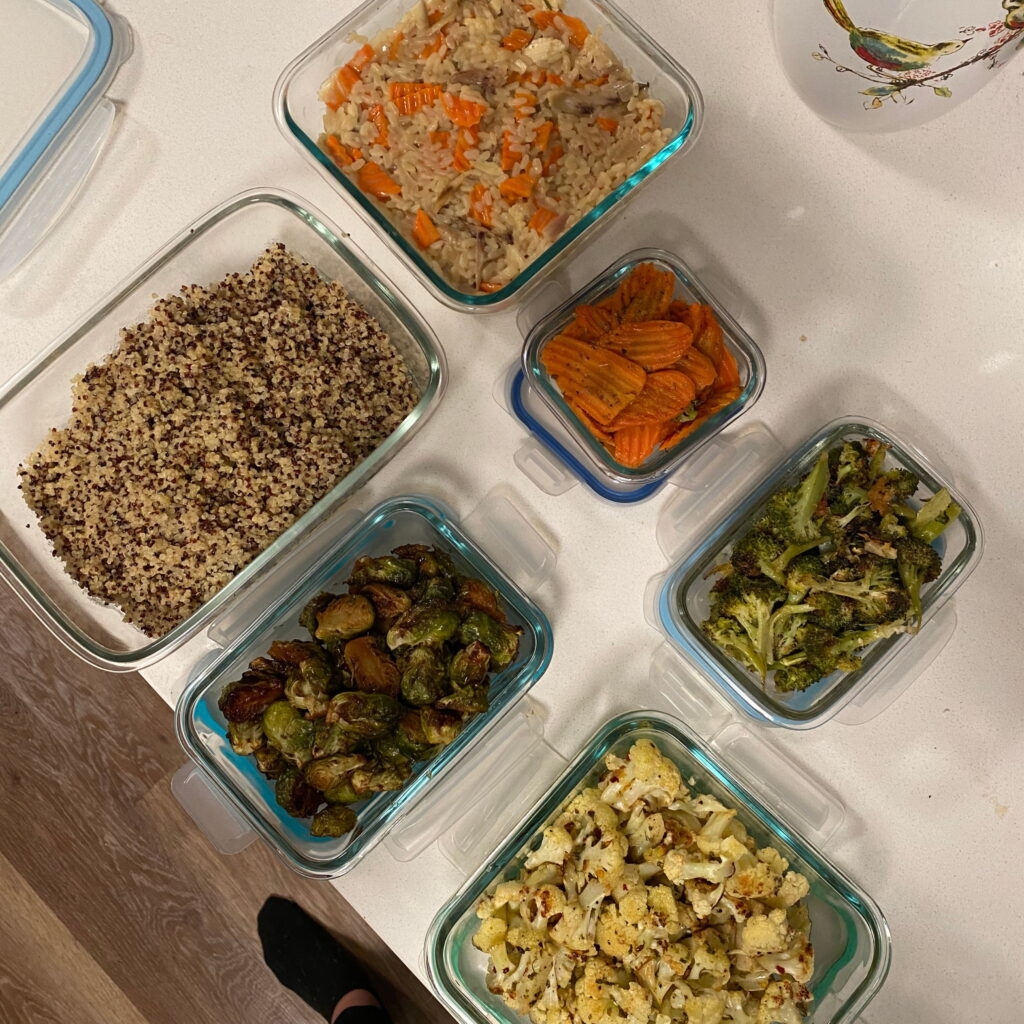
Storing prepared ingredients in clear, airtight glass containers (often referred to as "snapware") serves two purposes: it maintains freshness and provides a visual reminder of what needs to be consumed. The "First In, First Out" (FIFO) method, commonly used in professional kitchens, should be applied to household refrigerators to ensure older produce is used before newer arrivals.
Financial Efficiency through Seasonal and Local Sourcing
Adopting a budget-friendly meal plan requires an understanding of agricultural cycles. Seasonal produce is generally more abundant and therefore less expensive than out-of-season imports. For example, purchasing cruciferous vegetables in the winter and stone fruits in the summer can lead to significant savings.
Furthermore, engaging with local farmers’ markets or Community Supported Agriculture (CSA) programs often provides access to "imperfect" or "ugly" produce. Many retailers now offer these items at a 30% to 50% discount. While aesthetically non-standard, these fruits and vegetables possess the same nutritional value as their "perfect" counterparts and represent a significant opportunity for cost reduction.
Advanced Waste Mitigation: The Circular Kitchen
A professional approach to meal planning extends to the management of food scraps. Many components of vegetables typically discarded—such as onion skins, carrot ends, and celery tops—can be collected in a freezer bag and simmered to create nutrient-rich vegetable stock. This "closed-loop" culinary practice further reduces the need for store-bought additives and minimizes the household’s waste footprint.
Additionally, consumers are encouraged to explore the edibility of often-ignored plant parts, such as beet greens or carrot tops, which can be integrated into pestos or sautés. Using stale bread for casseroles or overripe fruit for baking are further examples of how a strategic mindset can transform potential waste into caloric value.
Broader Implications of Household Food Management
The shift toward systematic meal planning is more than a personal productivity trend; it is a component of the broader circular economy. By reducing demand for over-packaged convenience foods and minimizing the methane output of domestic waste, individuals contribute to national sustainability goals.

From a public health perspective, the increased consumption of whole foods inherent in meal planning is linked to a reduction in the intake of processed sugars and sodium. As more households adopt these practices, the cumulative impact on the healthcare system and the environment is substantial.
Common Obstacles and Mitigation Strategies
Despite the benefits, several pitfalls can derail a new meal planning habit. These include:
- Over-ambition: Attempting to cook complex, new recipes every night of the week leads to burnout.
- Neglecting Inventory: Failing to check the fridge before shopping leads to "clutter waste."
- Poor Storage: Using inadequate containers leads to premature spoilage.
- Lack of Tools: Not having sharp knives or functional storage can make prepping feel like a chore rather than a system.
To overcome these, experts recommend starting small—planning just three dinners a week—and gradually scaling up as the system becomes second nature.
Conclusion
Mastering a weekly meal planning and prepping system is a multi-faceted discipline that yields significant dividends in peace of mind, financial stability, and environmental stewardship. By treating the household kitchen with the logistical rigor of a professional operation, consumers can reclaim their time, improve their health, and play an active role in the global effort to eliminate food waste. Through strategic sourcing, ingredient-focused preparation, and a commitment to flexibility, the path to a zero-waste, budget-friendly lifestyle becomes both achievable and sustainable.