The picturesque Skagit Valley in Washington State recently served as the vibrant backdrop for the 2026 Grain Gathering, a pivotal three-day convergence of farmers, millers, bakers, and grain enthusiasts. Hosted by the renowned WSU Breadlab and the Washington State Department of Agriculture (WSDA) from July 19-21, the event marked its highly anticipated return after an eight-year hiatus, drawing a diverse congregation under the theme "Nourishing Communities." Far more than a conventional conference, this gathering provided a unique forum for exploring and redefining the intricate journey from field to finished loaf, challenging conventional wisdom and fostering direct connections across the often-fragmented grain supply chain.
A Holistic Approach to Grain and Community
The Grain Gathering emerged as a testament to a growing movement advocating for transparency, sustainability, and equity within the grain and baking industries. Participants, who ranged from seasoned professional bakers and agricultural scientists to passionate home baking enthusiasts, engaged in a rich tapestry of talks, masterclasses, and immersive field visits. These activities collectively underscored the event’s core philosophy: that every link in the chain—from the breeder developing new wheat varieties to the baker crafting a sourdough loaf—is interconnected and vital for a truly nourishing food system.
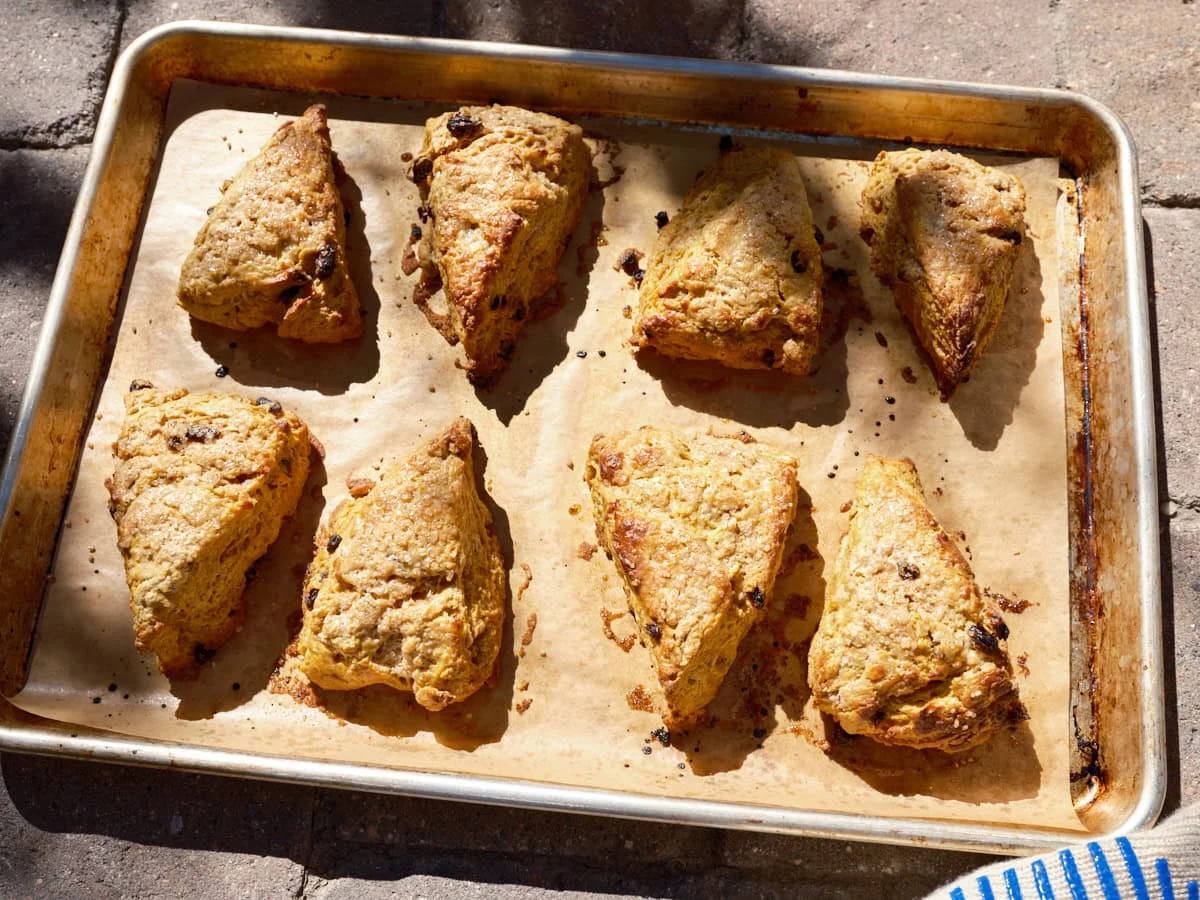
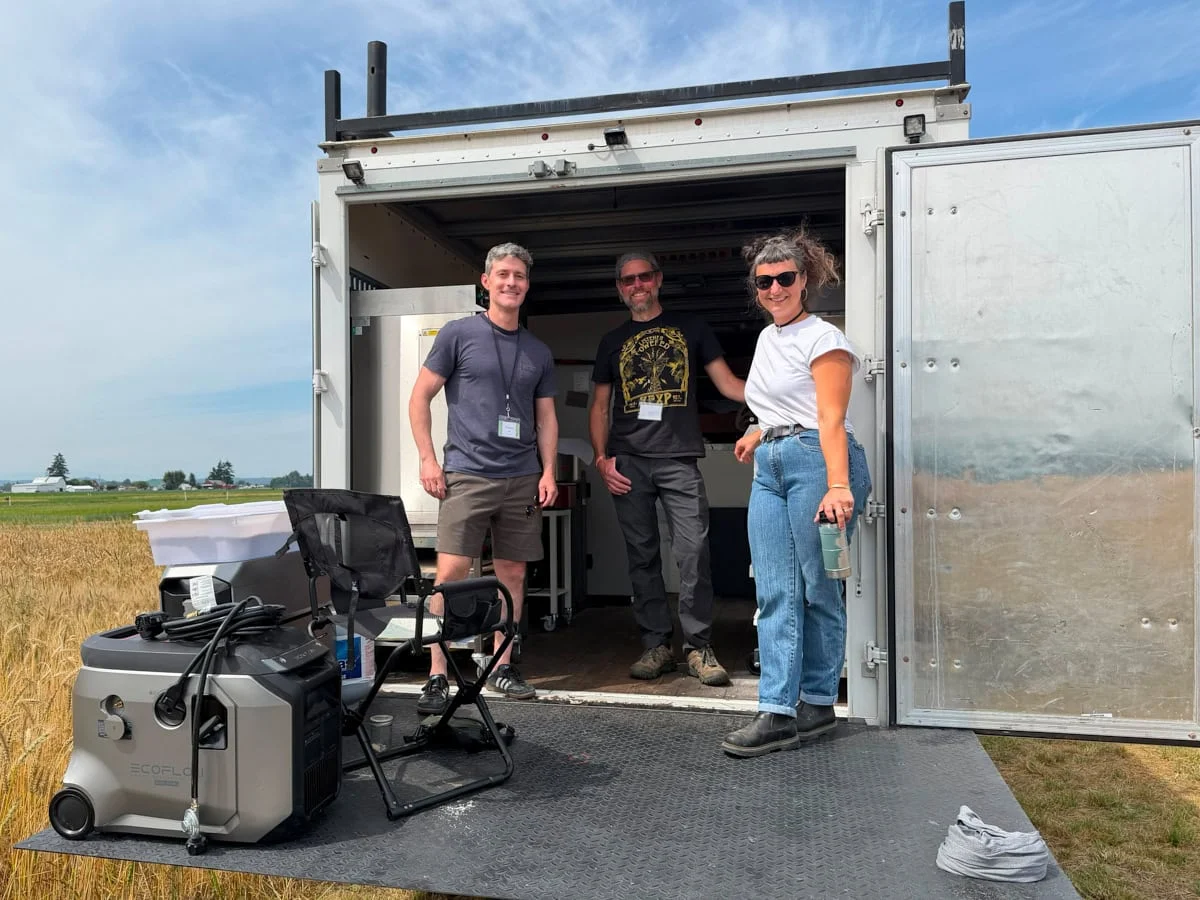
A central highlight that encapsulated this ethos was the innovative mobile bakery and mill, a self-contained unit powered entirely by a rooftop solar array. This remarkable setup, conceived and built by Marc Benoit of Red’s Breads, alongside collaborators Baylin Speidel and Thomas Vroom, served as a living demonstration of a shortened, transparent supply chain. Within this compact, five-foot-off-the-ground mobile unit, grain harvested from local farms could be milled and baked on-site, offering an unprecedented level of traceability and direct connection between grower and consumer. Over the course of the gathering, this mobile bakery produced an impressive array of baked goods, including twenty-odd sourdough country loaves, three large-format focaccia, an armada of baguettes, and sesame and roasted vegetable bialys, utilizing distinct local grains like Moon Family Farms’ Hollis, Chimacum Confluence, and Palouse Heritage Elwha River Spelt. Even after hours of continuous operation, the RackMaster oven, a robust workhorse, maintained its optimal temperature, showcasing the efficiency and capability of the mobile setup.
Bridging the Divide: From Industry Silos to Collaborative Exchange
Historically, the grain industry has often operated in silos, with breeders, farmers, millers, and bakers rarely interacting directly. This segmentation can lead to a lack of understanding of each other’s challenges and priorities. The Grain Gathering actively sought to dismantle these barriers, bringing together individuals from every stage of the process under one tent. For many, including long-time bakers, it was a revelatory experience to connect faces with the foundational elements of their craft. Discussions moved seamlessly from the technicalities of wheat breeding and soil health to practical baking techniques and strategies for running community bakeries, fostering a sense of shared purpose and mutual learning.
The event’s inclusive atmosphere was particularly notable, welcoming participants of all experience levels. Concerns that the gathering might be overly focused on industry-specific jargon were quickly dispelled as "two-loafer" home bakers found themselves engaged in sophisticated conversations about "falling numbers" (a measure of starch damage in flour), mixing techniques, and the nuances of grain varieties, alongside seasoned professionals. This cross-pollination of ideas and experiences highlighted a collective passion for grain and a shared commitment to improving the quality and integrity of bread.
Re-evaluating the Economics of a Loaf of Bread
One of the most profound discussions at the gathering revolved around the economics of bread and, specifically, "Who Gets Paid for a Loaf of Bread?" The price of an "artisanal" sourdough loaf, typically ranging from $6 to $12, often sparks debate regarding its accessibility as a staple food. While acknowledging the importance of affordable bread, participants delved into the underlying issues of the conventional commodity grain system. This system, designed for mass production, often anonymizes grain, stripping it of its unique identity and failing to adequately compensate farmers for their dedication to soil health, sustainable practices, and the cultivation of diverse, flavorful varieties.
The mobile mill and bakery, as demonstrated by Marc Benoit, offered a tangible solution to this economic disparity. By creating an unbroken chain of custody, where grain enters with a farmer’s name and emerges as bread directly traceable to its grower, the model challenges the anonymity of the commodity market. This direct-to-consumer approach not only ensures that the farmer’s name can appear alongside the baker’s on the final product but also allows the operator to retain the margins typically distributed among millers, distributors, and retailers. This direct revenue stream empowers farmers, transforming their role from mere commodity producers to recognized partners in the creation of value-added products. For home bakers, the act of sourcing identity-preserved grain directly from farms or small mills, or even milling flour fresh at home, represents a similar effort to compress the supply chain and support a more equitable system.
The Science of Flavor: Optimizing Wheat Beyond Yield
Another critical theme explored was the evolution of wheat breeding and the priorities that shape our modern flour. Historically, wheat varieties have been optimized for factors such as high yield, uniformity, disease resistance, robust baking performance, and ease of harvest. While these traits are undoubtedly important for large-scale agriculture, flavor and nutritional density have often been overlooked in this optimization process, contributing to the often bland taste profile of conventional grocery store flour.
The WSU Breadlab, a leading institution in grain research, is at the forefront of a movement to reintroduce flavor and nutrition as primary considerations in wheat breeding. By developing varieties like Skagit 1109, Salish Blue, and Ruth, specifically suited to thrive in particular growing conditions rather than attempting to perform universally, the Breadlab aims to cultivate grains with superior culinary characteristics. Crucially, their research extends beyond the field, as they mill and bake candidate varieties to rigorously assess their performance and flavor in a finished loaf. This integrated approach ensures that the grains developed not only meet agricultural requirements but also deliver exceptional taste and nutritional value. The implication for consumers is the availability of flours labeled with specific variety names, each possessing unique baking characteristics and a traceable provenance to the farmer who cultivated it, marking a stark contrast to the anonymous commodity pile.
Timeline and Event Dynamics
The 2026 Grain Gathering, spanning three intensive days from July 19-21, followed a dynamic program designed to maximize interaction and knowledge exchange. Each day commenced with keynote addresses from prominent figures in agriculture and baking, followed by concurrent breakout sessions covering diverse topics such as regenerative farming practices, artisanal milling techniques, sourdough fermentation science, and strategies for community-supported bakeries. Masterclasses offered hands-on learning experiences, allowing participants to experiment with different grain varieties and baking methods. Field tours of the WSU Breadlab’s extensive wheat fields provided firsthand insights into the breeding process and the diversity of grains under cultivation. Evening networking events fostered informal discussions, solidifying connections made during the day. The gathering’s return after an eight-year hiatus underscored a renewed urgency and collective will within the community to address systemic challenges and forge a more sustainable path forward.
Statements and Reactions from Key Stakeholders
While direct quotes were not extensively detailed, the original account highlights the palpable enthusiasm and collaborative spirit among participants. Marc Benoit’s mobile bakery was not just an innovation but a "standout" that "spoke for the farmers, millers, and everyone else who makes bread possible," suggesting a shared appreciation for its message of equity. The sentiment that "the chain from breeder to farmer to miller to baker is longer than I had appreciated. But for three days, every pair of hands in the chain stood under one tent" reflects a widespread realization among attendees of the profound value of direct interaction and understanding across the supply chain.
Kevin Morse, Meech Crowley, and Jon Feldman of Cairnspring Mills were lauded for their efforts in "getting Skagit grain into kitchens like mine," indicating a strong desire for local, identity-preserved grains among bakers. Veteran bakers like Andrew Heyn and Blair Marvin of Elmore Mountain Bread, and legendary author Jeffrey Hamelman, engaged in deep conversations about milling, growing, and community, reinforcing the idea that even industry leaders are continually seeking to deepen their understanding of the entire grain ecosystem. The collective appreciation for the WSU Breadlab’s work in breeding for flavor and nutrition signifies a unified call from the community for a more holistic approach to grain development.
Broader Impact and Future Implications
The themes explored at the 2026 Grain Gathering carry significant implications for the future of food systems. The emphasis on direct-to-consumer models, identity-preserved grains, and mobile processing units suggests a potential paradigm shift away from the centralized, anonymous commodity system. This shift could lead to:
- Increased Farmer Profitability: By cutting out intermediaries and capturing more of the value chain, farmers can achieve greater financial stability and recognition for their sustainable practices.
- Enhanced Food Quality and Nutrition: Prioritizing flavor and nutrition in wheat breeding directly benefits consumers, offering more palatable and healthful bread options.
- Greater Supply Chain Resilience: Localized grain economies are inherently more resilient to global disruptions, fostering food security at a community level.
- Empowered Consumers: Knowledge of grain varieties, their origins, and the farmers who grow them empowers consumers to make informed choices that support ethical and sustainable practices.
- Community Building: The direct interaction between producers and consumers strengthens local economies and fosters a deeper appreciation for the craft of baking and farming.
For the home baker, the gathering provided actionable insights, encouraging a gradual evolution rather than a radical overhaul. Simple steps, such as swapping conventional flour for an identity-preserved variety or investing in a small home mill to process local grains, can contribute significantly to this broader movement. The underlying motivation is a relentless pursuit of superior flavor and maximum nutrition, demonstrating that with the right grain, one does not have to compromise between the two.
A Nourishing Conclusion
The 2026 Grain Gathering proved to be more than just an event; it was a powerful affirmation of a community deeply committed to the craft and science of grain. The sight of a solar-powered mobile bakery, the impassioned discussions about fair compensation for farmers, and the dedication to breeding flavorful, nutritious wheat varieties all converged to paint a vivid picture of a future where bread is not just a staple, but a celebration of connection, sustainability, and communal well-being. For all who attended, from the most seasoned professional to the home baker, the experience was a nourishing reminder of the profound impact that conscious choices and collaborative efforts can have on the journey from field to loaf, promising a richer, more equitable future for all involved.