
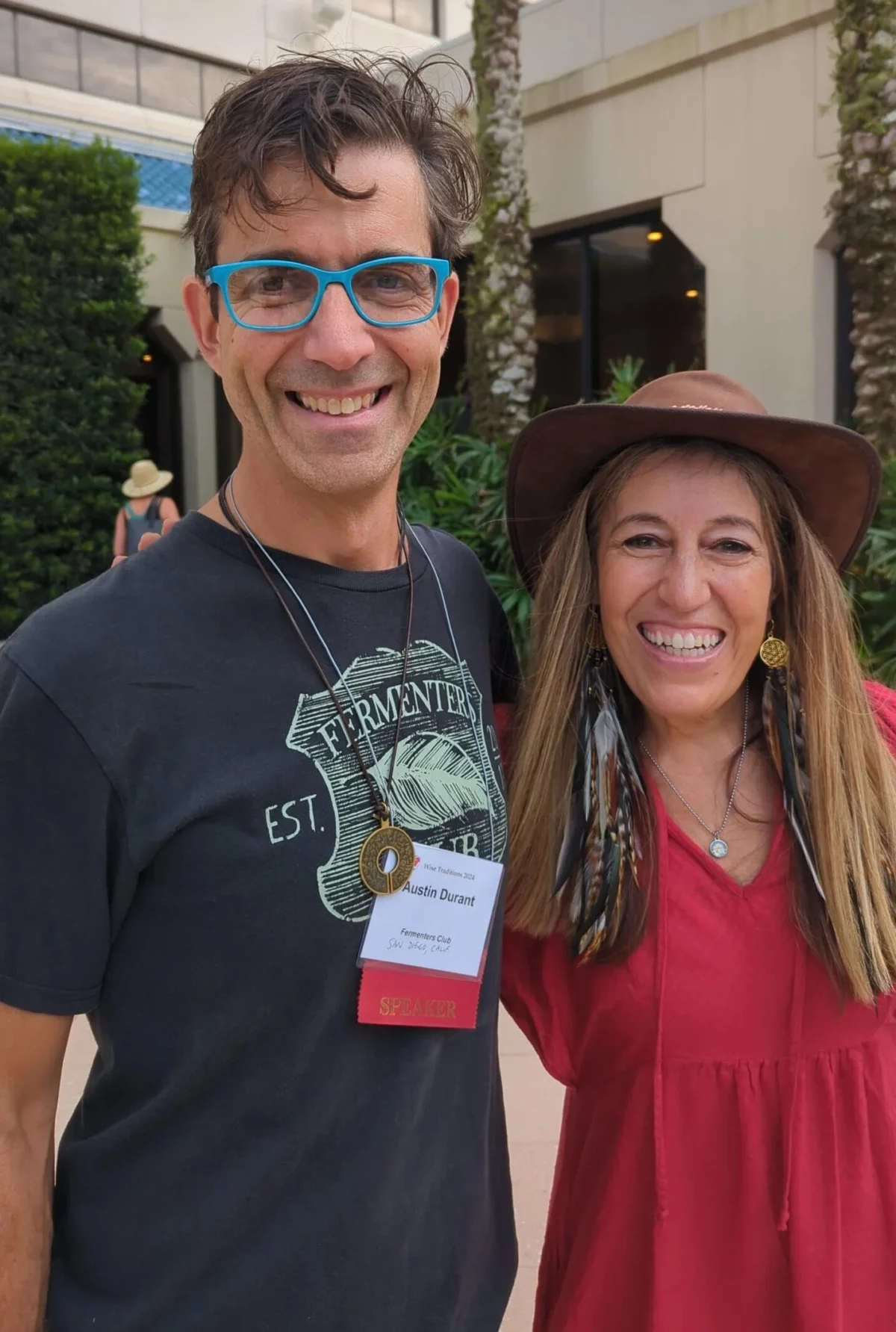
Austin Durant, the acclaimed founder of Fermenters Club and author of the recently published book "Fearless Fermenting," has been featured as a guest on the widely respected Wise Traditions podcast, hosted by the illustrious Hilda Labrada Gore, known to her audience as @holistichilda. The episode delves into the transformative world of fermentation, offering insights into its health benefits, historical significance, and practical applications for the modern home. This appearance marks a significant collaboration between two prominent voices in the traditional food and holistic health movements, amplifying the message of ancestral nutrition and culinary self-sufficiency to a broad audience. The full discussion is now available for listeners on major platforms including YouTube and Spotify, providing an invaluable resource for enthusiasts and newcomers alike.
The Intersection of Traditional Foods and Modern Wellness
The growing global interest in fermented foods represents a profound shift towards understanding the intricate relationship between diet, gut health, and overall well-being. Fermentation, an ancient practice of food preservation and enhancement, has moved from the fringes of niche culinary circles to the forefront of mainstream health discussions. This resurgence is fueled by an increasing body of scientific research validating the probiotic benefits of fermented foods, which contribute to a robust gut microbiome, improved digestion, enhanced immune function, and even better mental health. Consumers are actively seeking ways to incorporate these living foods into their diets, recognizing their potential to revitalize health in an era dominated by processed foods.
This burgeoning movement finds a natural ally in the principles championed by the Weston A. Price Foundation (WAPF), the organization behind the Wise Traditions podcast. The WAPF advocates for the consumption of nutrient-dense, traditionally prepared foods, emphasizing the wisdom of ancestral diets that were rich in fermented items. The foundation’s research, inspired by the pioneering work of Dr. Weston A. Price, highlights how indigenous cultures, thriving on diets replete with fermented dairy, vegetables, and grains, exhibited superior health compared to populations consuming modern processed fare. Durant’s appearance on a platform so deeply aligned with these foundational principles underscores the synergistic relationship between practical fermentation and the broader philosophy of ancestral health.
Austin Durant: A Pioneer in Practical Fermentation
Austin Durant stands as a leading figure in the fermentation community, bringing over 16 years of dedicated experience to the craft. His journey into fermentation began with a personal quest for healthier eating and quickly evolved into a mission to demystify and democratize the process for others. In 2011, he founded Fermenters Club, an organization dedicated to educating individuals on the art and science of fermenting food. The club has grown into a vibrant community, offering workshops, resources, and a platform for sharing knowledge and experiences. Through Fermenters Club, Durant has empowered countless individuals to take control of their food preparation, fostering a sense of culinary independence and connection to traditional practices.
Durant’s expertise extends beyond the practical aspects of fermentation. His philosophy is deeply rooted in a holistic understanding of food systems and human well-being. He is a passionate advocate for permaculture gardening, which aligns with his belief in sustainable living and growing one’s own food. This interest complements his work in fermentation, as high-quality, organic produce forms the foundation for superior fermented products. His diverse intellectual pursuits, including yoga, writing, and the study of cosmology and esoteric traditions, reflect a comprehensive approach to life that views food as just one component of a larger, interconnected system of health and consciousness. This multifaceted perspective enriches his teaching and writing, offering a depth rarely found in purely technical guides.
The Genesis of "Fearless Fermenting"
The culmination of Durant’s extensive experience and educational efforts arrived in 2024 with the publication of his first book, "Fearless Fermenting." This comprehensive guide serves as a testament to his commitment to making fermentation accessible to everyone, regardless of their prior culinary experience. The book addresses common anxieties associated with fermentation, such as concerns about safety, spoilage, and technique, providing clear, step-by-step instructions and troubleshooting tips. "Fearless Fermenting" is more than a recipe book; it is an educational tool designed to instill confidence and encourage experimentation in the kitchen.
The timing of "Fearless Fermenting"’s release is particularly pertinent, coinciding with an increased public appetite for home-based food preparation and health optimization. The book covers a wide array of fermented foods, from staple items like sauerkraut and kimchi to more adventurous ferments such as kombucha, kefir, and sourdough. Each recipe is accompanied by explanations of the scientific processes at play, empowering readers not just to follow instructions but to understand the "why" behind successful fermentation. This educational approach aligns perfectly with the goals of Fermenters Club and underscores Durant’s role as an educator first and foremost. The book’s success has further solidified his position as an authoritative voice in the fermentation movement, making him an ideal guest for a podcast focused on traditional wisdom.
Hilda Labrada Gore and the Weston A. Price Foundation’s Mission
Hilda Labrada Gore, affectionately known as "Holistic Hilda," is a respected figure in the holistic health community, renowned for her engaging communication style and deep commitment to ancestral health principles. As the host of the Wise Traditions podcast, she serves as a crucial conduit for disseminating research and practical advice aligned with the Weston A. Price Foundation. The podcast has become a go-to resource for individuals seeking reliable information on nutrition, sustainable agriculture, and traditional foodways, consistently featuring experts who challenge conventional dietary narratives.
The Weston A. Price Foundation, established in 1999, is a non-profit nutrition education foundation dedicated to restoring nutrient-dense foods to the human diet. The foundation’s work is inspired by the research of Dr. Weston A. Price, a dentist who, in the 1930s, traveled the world studying the diets and health of isolated traditional populations. His findings, documented in his seminal book "Nutrition and Physical Degeneration," revealed a stark contrast between the robust health of these groups and the deteriorating health of those who had adopted modern processed foods. WAPF advocates for a return to whole, unprocessed foods, including raw dairy, organ meats, healthy fats, and, critically, fermented foods.
Through the Wise Traditions podcast, Hilda Labrada Gore translates complex nutritional science and historical dietary wisdom into accessible, actionable advice. Her interviews are characterized by their depth, warmth, and ability to connect with listeners on a personal level. By inviting guests like Austin Durant, she ensures that the podcast remains at the forefront of discussions on practical applications of traditional health principles, bridging the gap between historical knowledge and contemporary lifestyle choices. The synergy between Durant’s practical fermentation expertise and WAPF’s theoretical framework creates a powerful educational experience for the podcast’s audience.
Deep Dive into the Podcast Discussion
The conversation between Austin Durant and Hilda Labrada Gore on the Wise Traditions podcast covered a broad spectrum of topics related to fermentation, designed to educate and inspire listeners. The core of the discussion likely centered on the principles articulated in "Fearless Fermenting," including:
- Demystifying Fermentation: Addressing common fears and misconceptions about the process, such as the worry about harmful bacteria or the complexity of techniques. Durant likely emphasized that fermentation is a natural, safe, and relatively simple process when understood correctly.
- The Science of Microbes: An exploration of the beneficial microorganisms (probiotics) involved in fermentation, explaining how they transform food, enhance nutrient bioavailability, and contribute to gut health. This scientific foundation helps listeners appreciate the profound impact of these microscopic allies.
- Practical Home Fermentation: Providing actionable advice for starting fermentation at home, covering essential equipment, ingredient selection, and basic methodologies for popular ferments like lacto-fermented vegetables (e.g., sauerkraut, kimchi), cultured dairy (e.g., kefir, yogurt), and fermented beverages (e.g., kombucha).
- Nutritional Enhancement: Discussion on how fermentation increases the nutrient content of foods, makes vitamins and minerals more bioavailable, and can even break down anti-nutrients present in grains and legumes, aligning directly with WAPF’s focus on nutrient-density.
- Historical and Cultural Significance: Placing fermentation within its rich historical context as a global preservation technique, highlighting its role in various traditional cuisines worldwide and its importance before refrigeration.
- Connecting Fermentation to Ancestral Health: Both Durant and Gore would have underscored how incorporating fermented foods into one’s diet aligns with the ancestral wisdom advocated by the Weston A. Price Foundation, emphasizing a return to whole, living foods for optimal health.
The dynamic between Durant’s practical, hands-on approach and Gore’s comprehensive, research-backed questioning style likely made for an informative and engaging episode. The segment where Durant and Gore met "last year at the conference in Florida" suggests that their connection was forged in a shared passion for health and traditional foods, likely at a Wise Traditions conference or a similar holistic health gathering, fostering a genuine rapport that translated into their podcast interaction. This personal connection undoubtedly enriched the depth and authenticity of their conversation, making it resonate more deeply with listeners.
The Growing Momentum of Fermented Foods
The market for fermented foods and beverages has witnessed exponential growth in recent years, reflecting a significant shift in consumer preferences towards health-conscious and natural products. According to various market research reports, the global fermented food and beverages market was valued at approximately USD 600 billion in 2023 and is projected to reach over USD 900 billion by 2030, exhibiting a compound annual growth rate (CAGR) of around 6-7%. This growth is driven by increasing consumer awareness of digestive health, the rising demand for natural and organic products, and the expanding culinary interest in diverse global flavors.
Specific categories within the fermented food sector, such as kombucha, kimchi, and kefir, have seen particularly rapid expansion. For instance, the kombucha market alone is expected to grow at a CAGR exceeding 15% in the coming years. This data underscores the mainstream acceptance and commercial viability of products that were once considered niche. Beyond commercial products, there is a parallel surge in home fermentation, spurred by resources like Fermenters Club and books such as "Fearless Fermenting," which empower individuals to produce their own probiotic-rich foods cost-effectively.
This momentum is not merely a fleeting trend but a fundamental re-evaluation of dietary practices. The scientific community continues to uncover new links between the gut microbiome and various aspects of health, from immunity and metabolism to mood and cognitive function. This scientific validation provides a strong foundation for the continued integration of fermented foods into dietary guidelines and public health recommendations. Educational platforms like the Wise Traditions podcast play a critical role in disseminating this information, bridging the gap between scientific discovery and practical application for the general public.
Broader Implications for Public Health and Culinary Trends
The collaboration between Austin Durant and the Wise Traditions podcast carries significant implications for both public health education and culinary trends. From a public health perspective, the episode serves as a powerful educational tool, reaching a broad audience with accurate, evidence-based information on the benefits of fermentation. In an era often characterized by misinformation regarding diet and health, authoritative voices like Durant and Gore provide much-needed clarity and guidance. By promoting accessible home fermentation, they contribute to a model of health empowerment, encouraging individuals to take a proactive role in their nutritional well-being rather than relying solely on pharmaceutical solutions or processed food industries.
Culturally, this spotlight on fermentation reinforces a broader movement towards traditional foodways and sustainable living. It encourages a deeper connection to food sources, an appreciation for the microbial world, and a revival of culinary skills that were once commonplace. The emphasis on whole, unprocessed ingredients and the transformational power of microbes challenges the industrialized food system, advocating for a return to simpler, more nourishing practices. This aligns with broader trends in the food industry, including farm-to-table movements, local sourcing, and an increased demand for transparency in food production.
The engagement of thought leaders like Durant on influential platforms like the Wise Traditions podcast also validates the work of countless home fermenters and small-batch producers. It provides credibility and visibility to a movement that champions artisanal craftsmanship over mass production, fostering a community of shared knowledge and mutual support. The positive reception to such content indicates a strong public appetite for authentic, health-focused dietary solutions that resonate with ancestral wisdom.
Looking Ahead: The Future of Fermentation Education
The successful collaboration between Austin Durant and the Wise Traditions podcast signals a promising future for fermentation education and the broader traditional food movement. As scientific understanding of the microbiome continues to evolve, the importance of fermented foods in a healthy diet will only become more apparent. Platforms like Fermenters Club and the Wise Traditions podcast are poised to play an even more critical role in translating this complex science into practical, everyday applications for consumers.
Future endeavors could involve more in-depth workshops, collaborative online courses, or even joint publications that combine the theoretical depth of the Weston A. Price Foundation with the hands-on expertise of practitioners like Austin Durant. The increasing accessibility of information through digital media ensures that these valuable resources can reach a global audience, fostering a truly international community of fermentation enthusiasts and advocates for ancestral health. The continued dialogue between experts, educators, and the public is essential for nurturing this growing movement, ensuring that the wisdom of traditional food preparation remains a vibrant and integral part of modern life.


