
The practice of infusing botanical elements into carrier oils represents the foundational methodology for creating a wide array of all-natural body care products, ranging from medicinal salves and body butters to sophisticated topical creams. For the burgeoning herbalist, mastering the infusion process is often regarded as the primary entry point into the field of botanical formulation, offering a bridge between traditional foraging practices and modern dermatological applications. While the process is fundamentally accessible, the efficacy and safety of the resulting oil depend heavily on the selection of raw materials, the management of environmental variables, and the specific extraction method employed. As the global "clean beauty" market continues its upward trajectory—projected by industry analysts to reach a valuation of nearly $15 billion by 2028—the demand for transparent, home-harvested, and additive-free skincare solutions has revitalized interest in these ancient techniques.
The Botanical Foundation: Selection and Preparation of Raw Materials
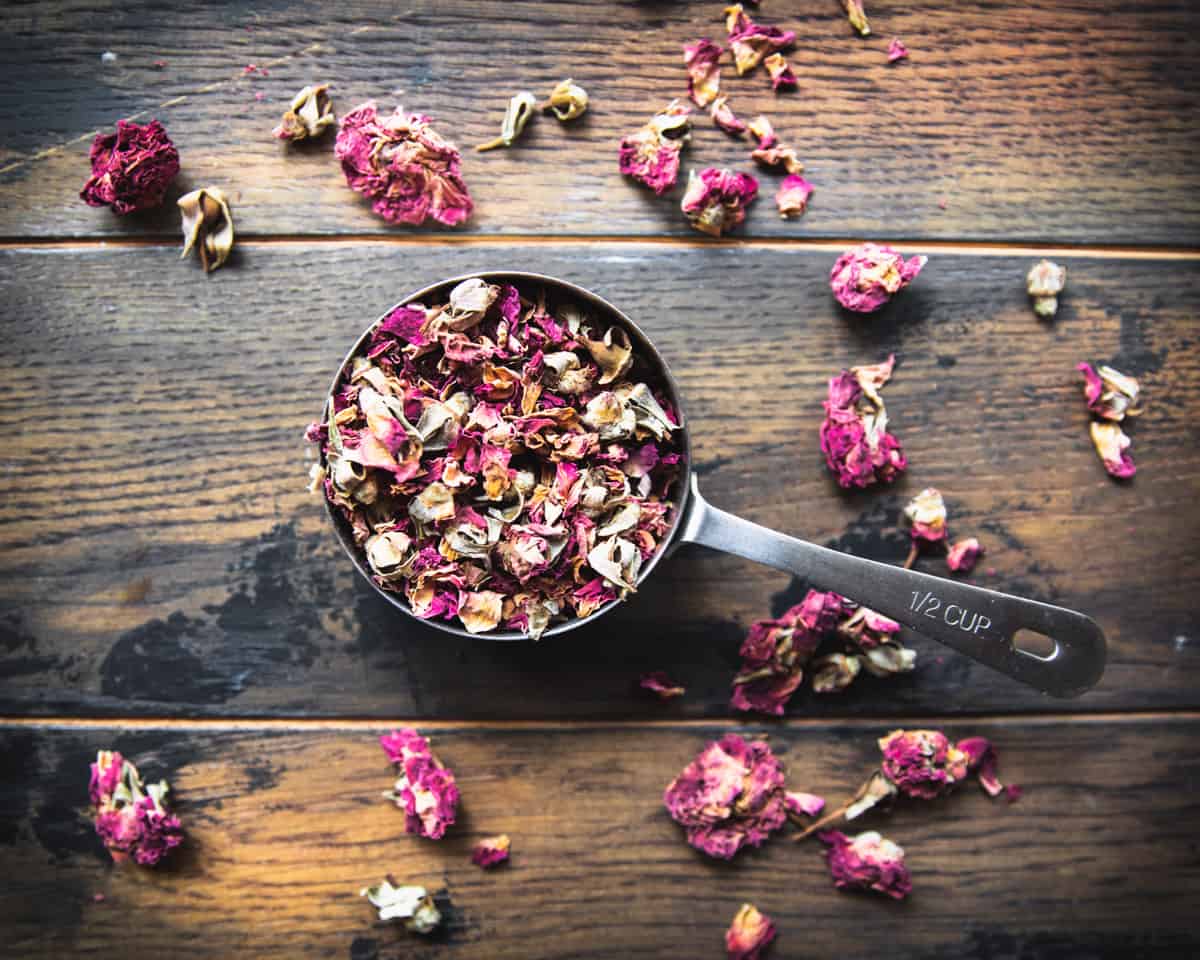
The quality of an infused oil is inextricably linked to the state of the herbs used during the extraction process. Expert herbalists emphasize that the first and most critical requirement for a successful infusion is the use of thoroughly dried plant material. The presence of moisture within the plant fibers is the primary catalyst for microbial growth, including mold and various forms of rancidity that can compromise the safety of the final product.
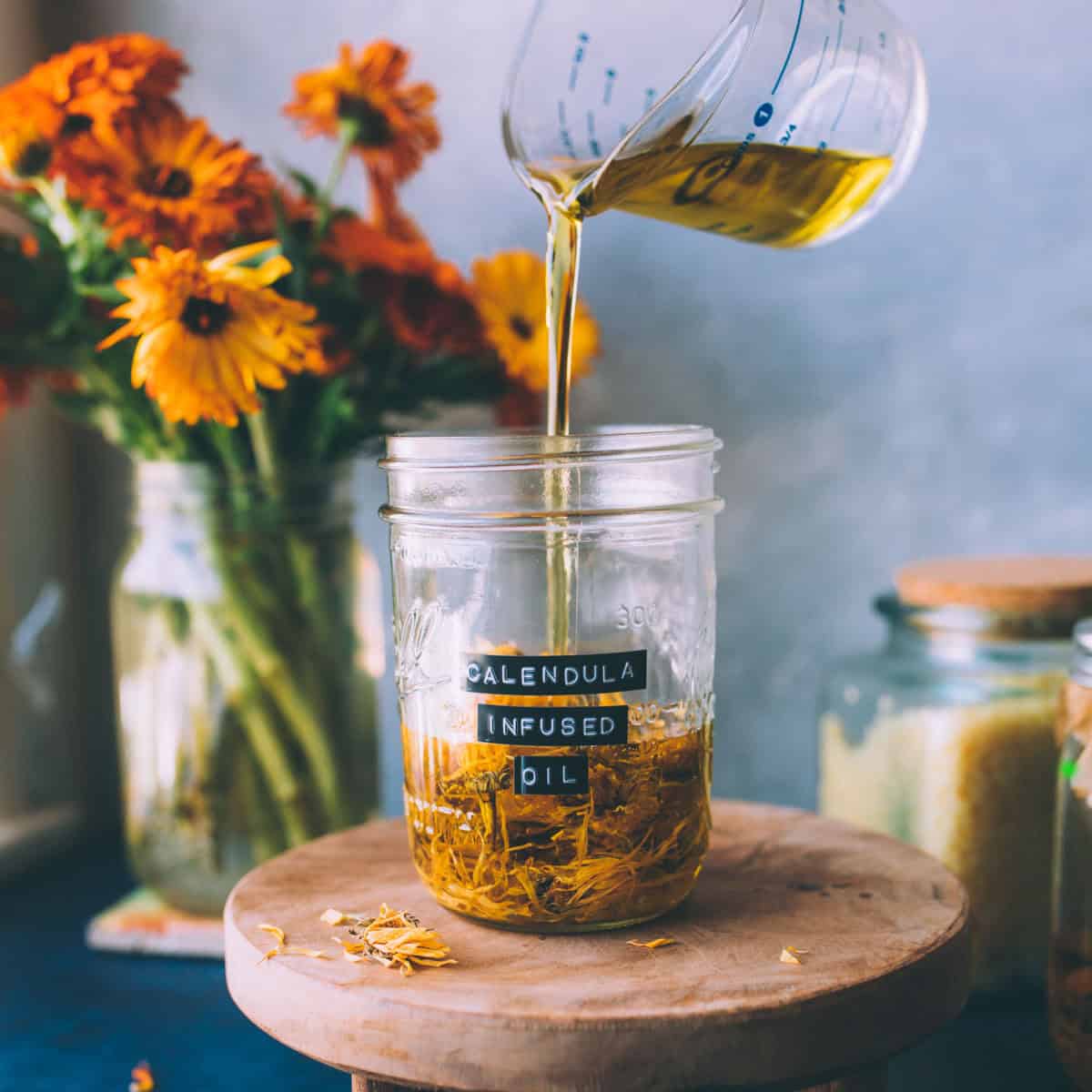
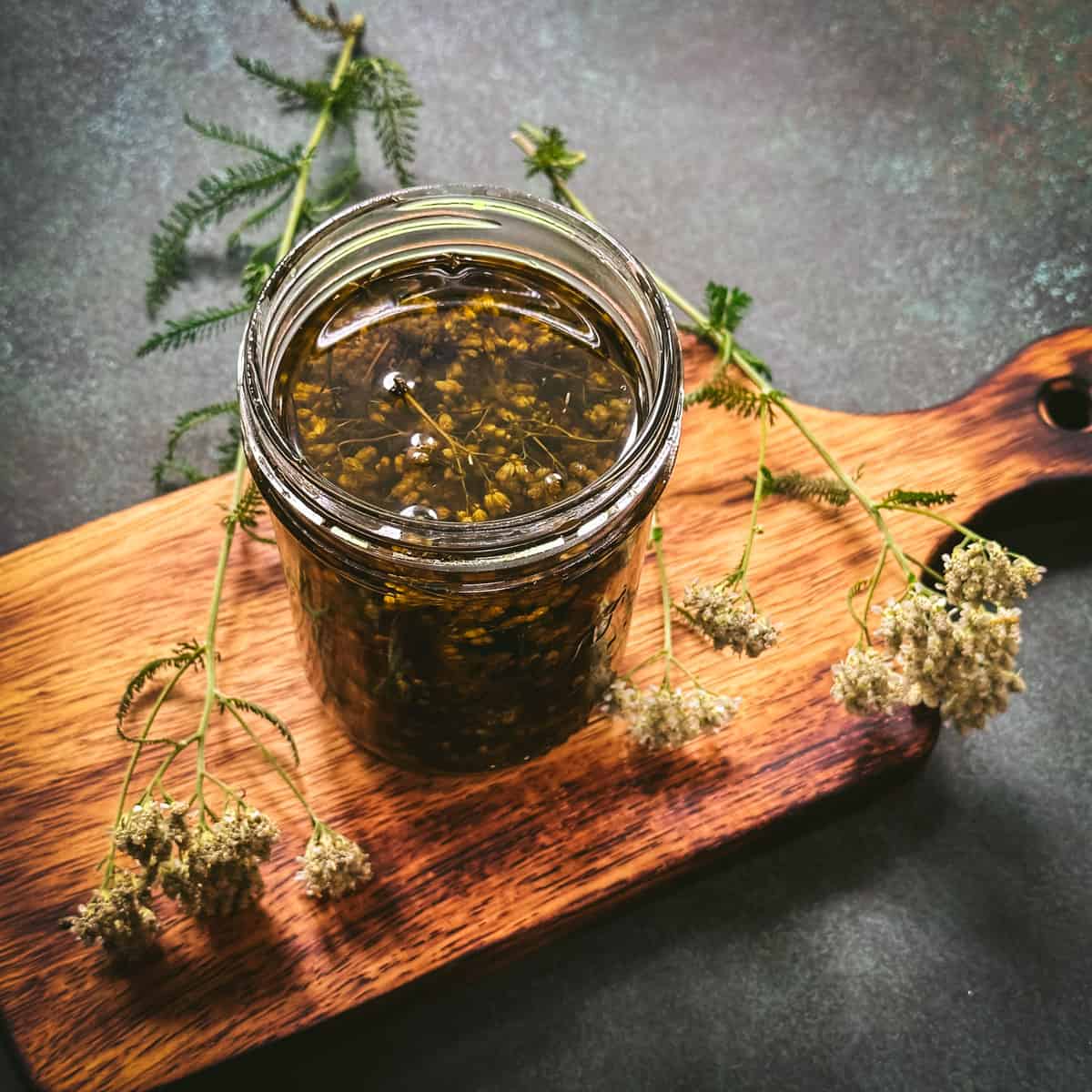
Throughout the spring and summer months, foragers typically collect a variety of herbs known for their topical benefits. Common selections include lavender (Lavandula), rosemary (Salvia rosmarinus), calendula (Calendula officinalis), plantain (Plantago major), yarrow (Achillea millefolium), comfrey (Symphytum), and mullein (Verbascum). Each of these botanicals offers specific therapeutic profiles; for instance, calendula is prized for its skin-calming properties, while yarrow is frequently utilized in "nature’s medicine" kits for its astringent and wound-healing capabilities.
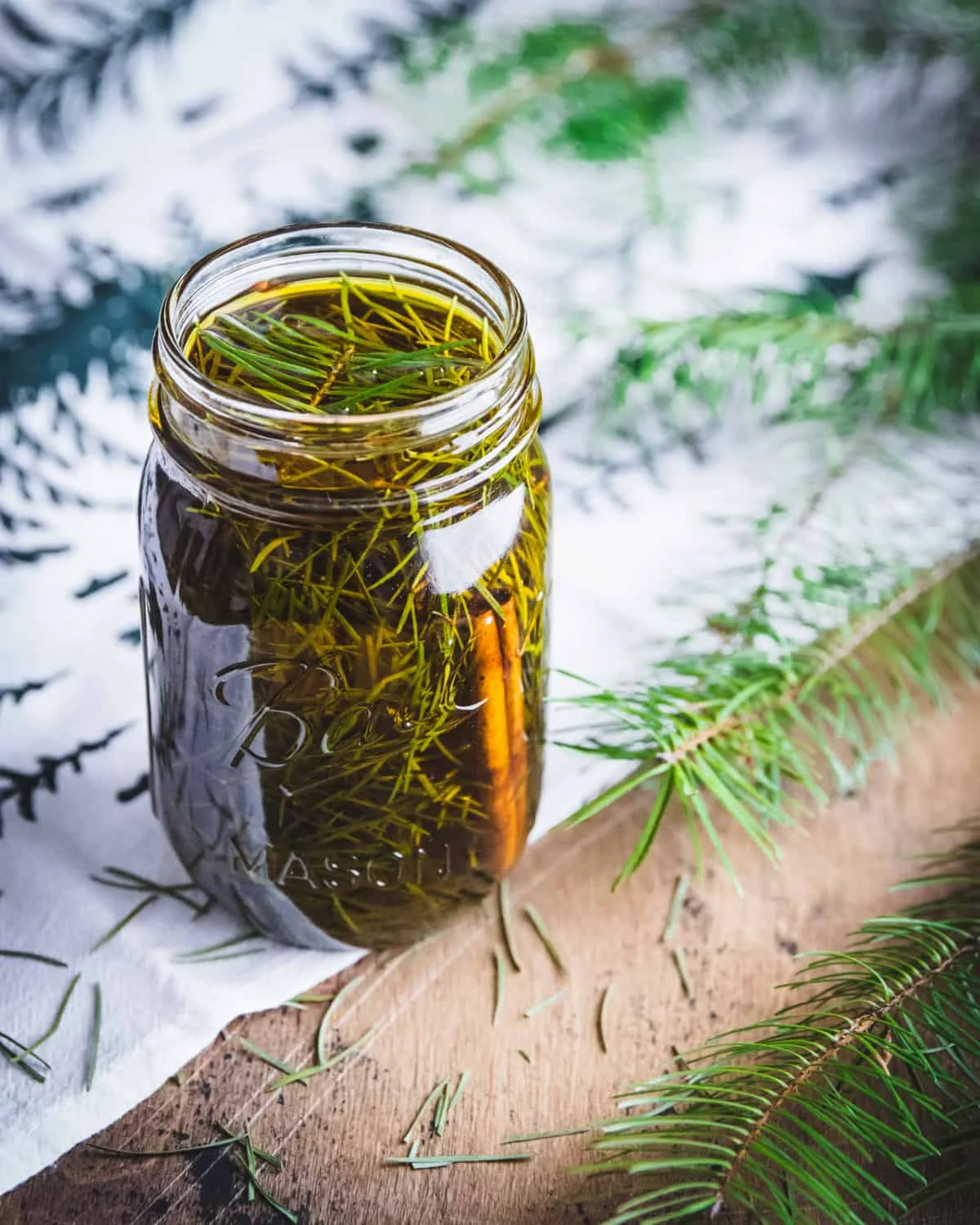
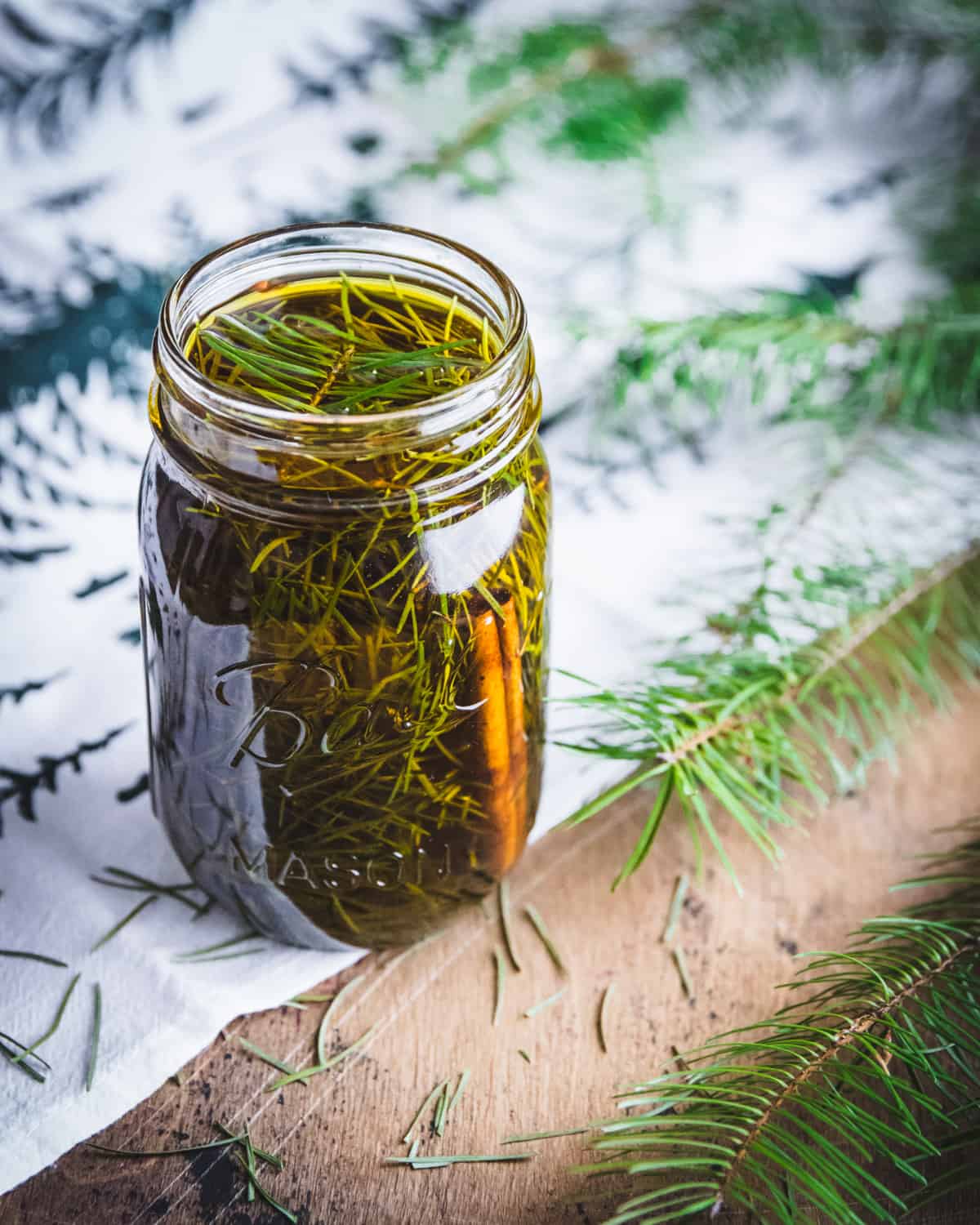
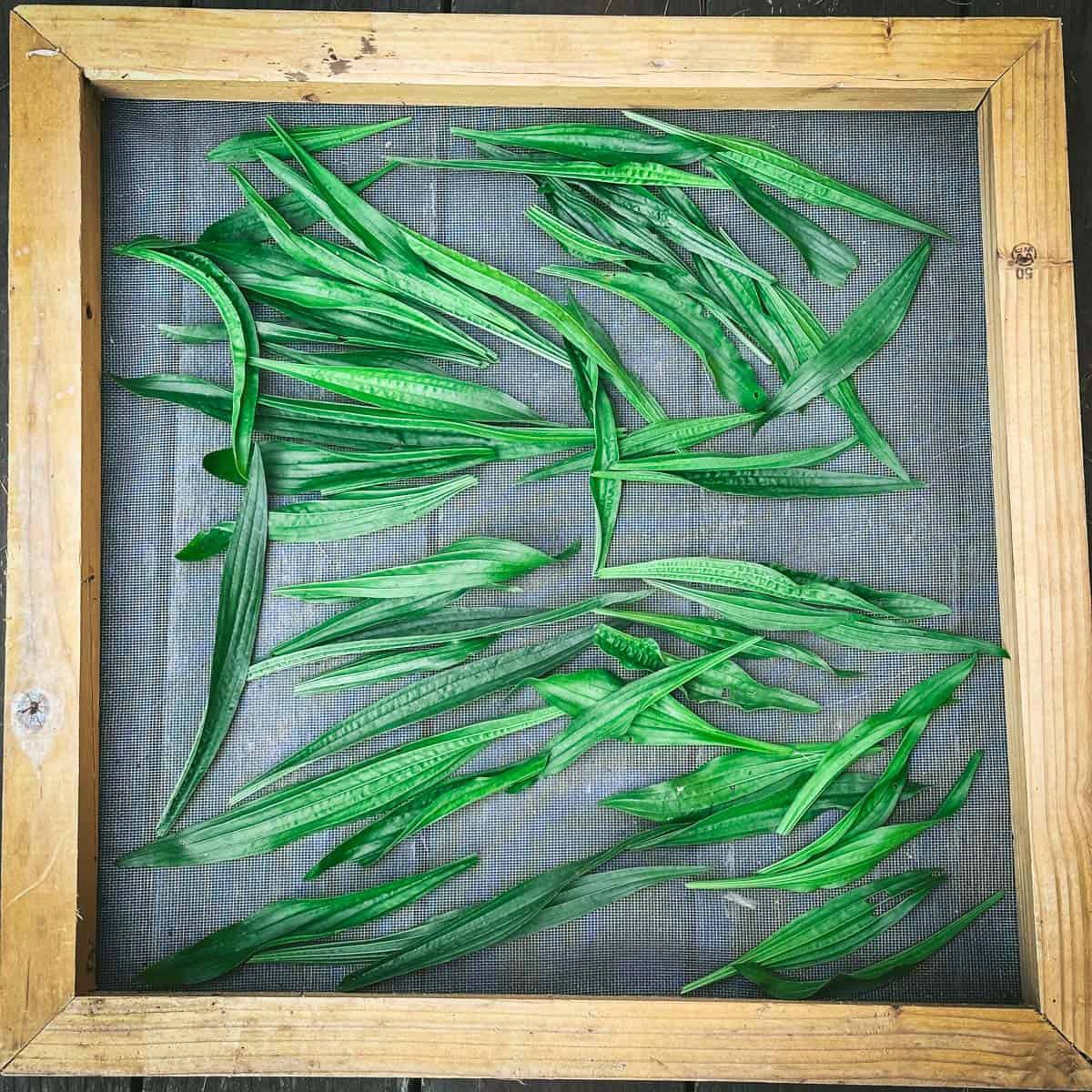
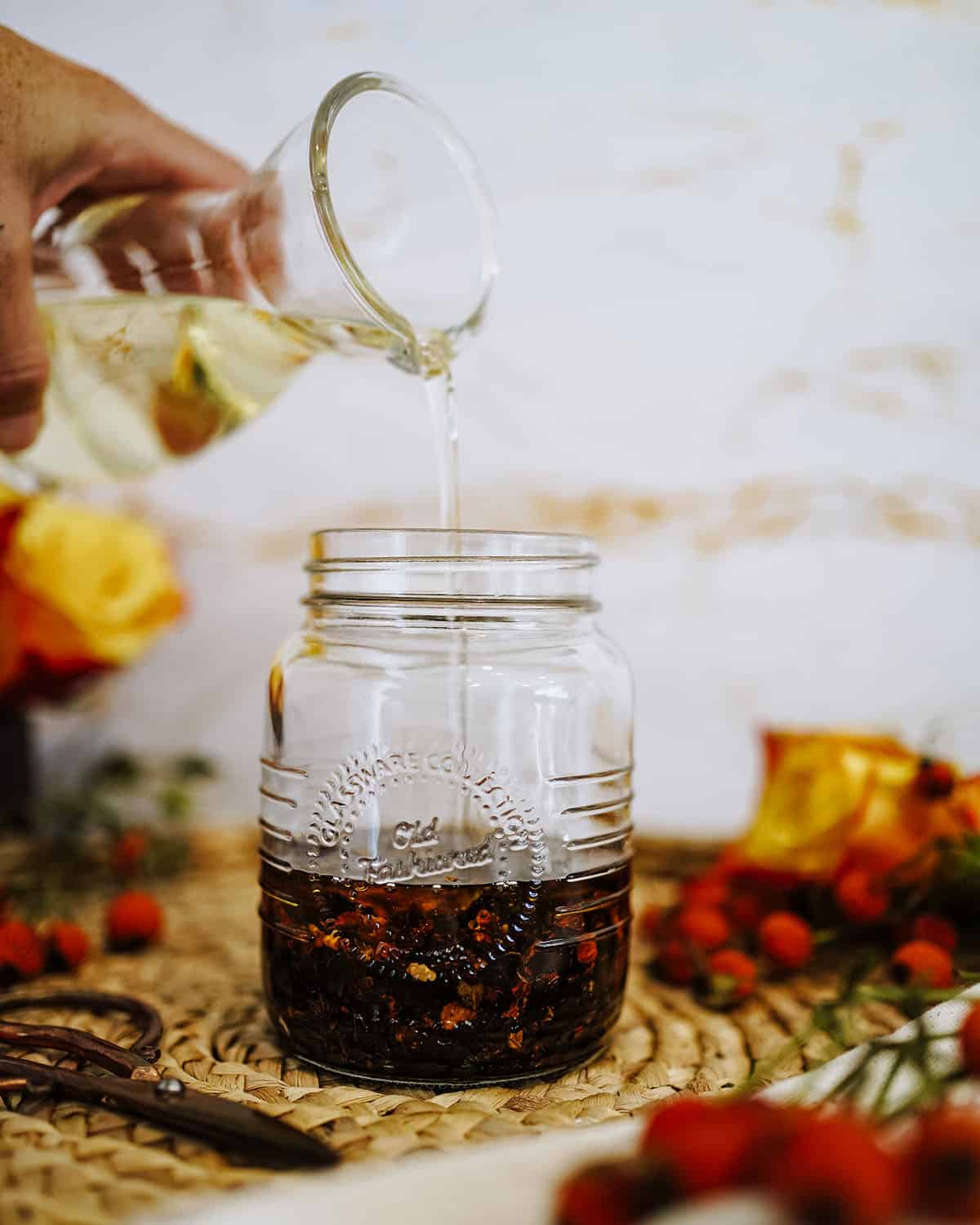
Once collected, these herbs must undergo a rigorous drying process. This is often achieved through the use of specialized drying screens or controlled environments that facilitate airflow while protecting the plants from direct UV exposure, which can degrade sensitive volatile oils. For those who do not have access to fresh foraging grounds, the commercial market for bulk dried organic herbs, led by suppliers such as Mountain Rose Herbs, provides a consistent alternative for year-round production. In the colder months, practitioners often pivot to sturdier materials like conifer needles and rose hips, which provide high concentrations of Vitamin C and resinous compounds suitable for winter skincare.
Chemical Properties and Carrier Oil Selection
The choice of a carrier oil is a strategic decision based on the desired viscosity, shelf life, and skin-absorption rate of the final formulation. Olive oil remains the industry standard for traditional herbal infusions due to its high oleic acid content and inherent stability. However, modern formulators frequently employ a "triple-blend" approach, combining coconut oil for its antimicrobial properties, sweet almond oil for its light texture and Vitamin E content, and olive oil for its deep moisturizing capabilities.
The selection process must also account for the oxidative stability of the lipids. Oils with higher saturated fat content, such as coconut oil or jojoba (which is technically a liquid wax), are less prone to rancidity than highly polyunsaturated oils like rosehip seed or evening primrose oil. Because the infusion process exposes the oil to air and sometimes heat, choosing a stable base is essential for ensuring a product that remains shelf-stable for more than a few weeks.
Methodological Analysis: Cold vs. Heat Extraction
There are three primary methods for transferring the lipid-soluble active compounds from the plant material into the carrier oil: the cold infusion method, the quick heat method, and the solar method.
The Cold Infusion Method
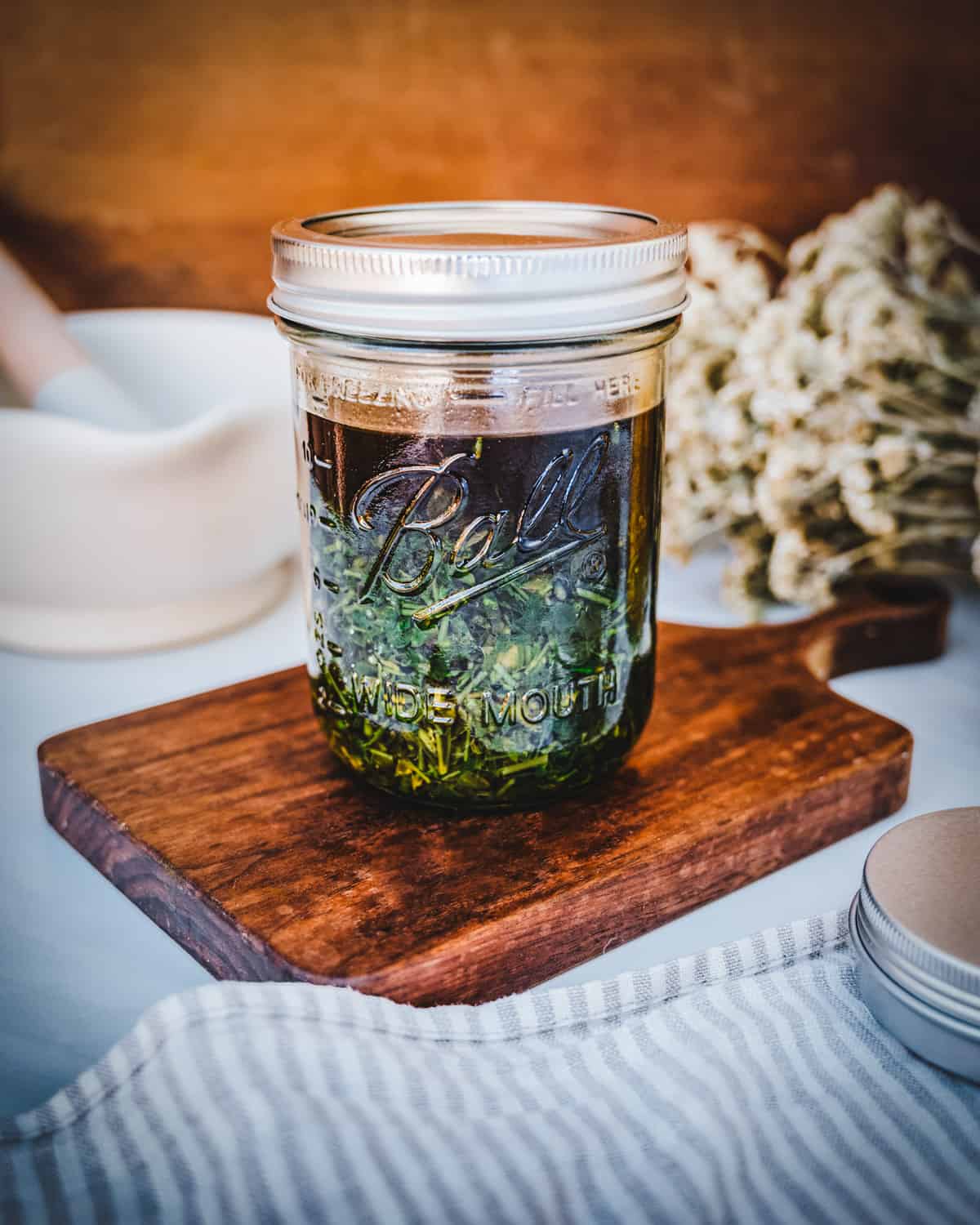
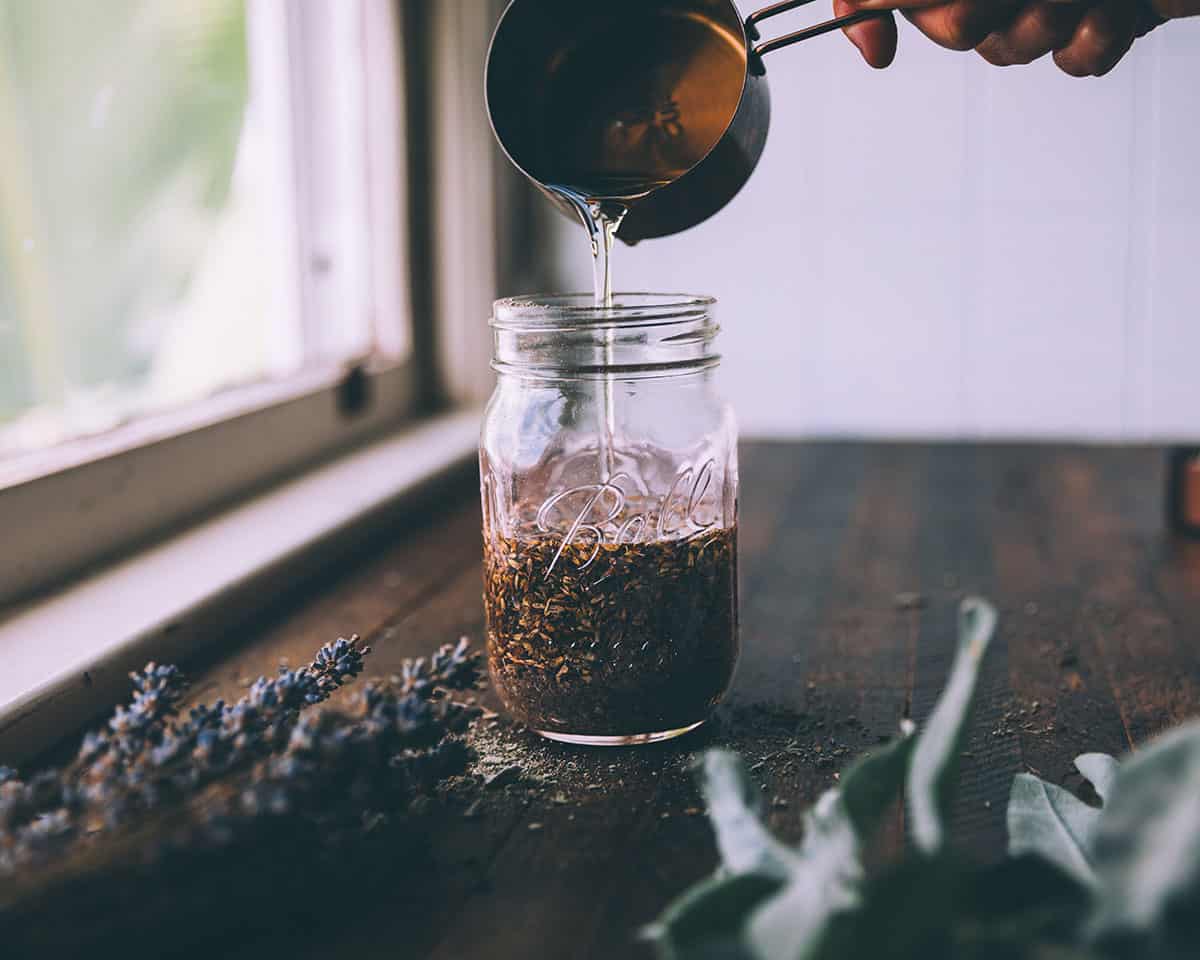
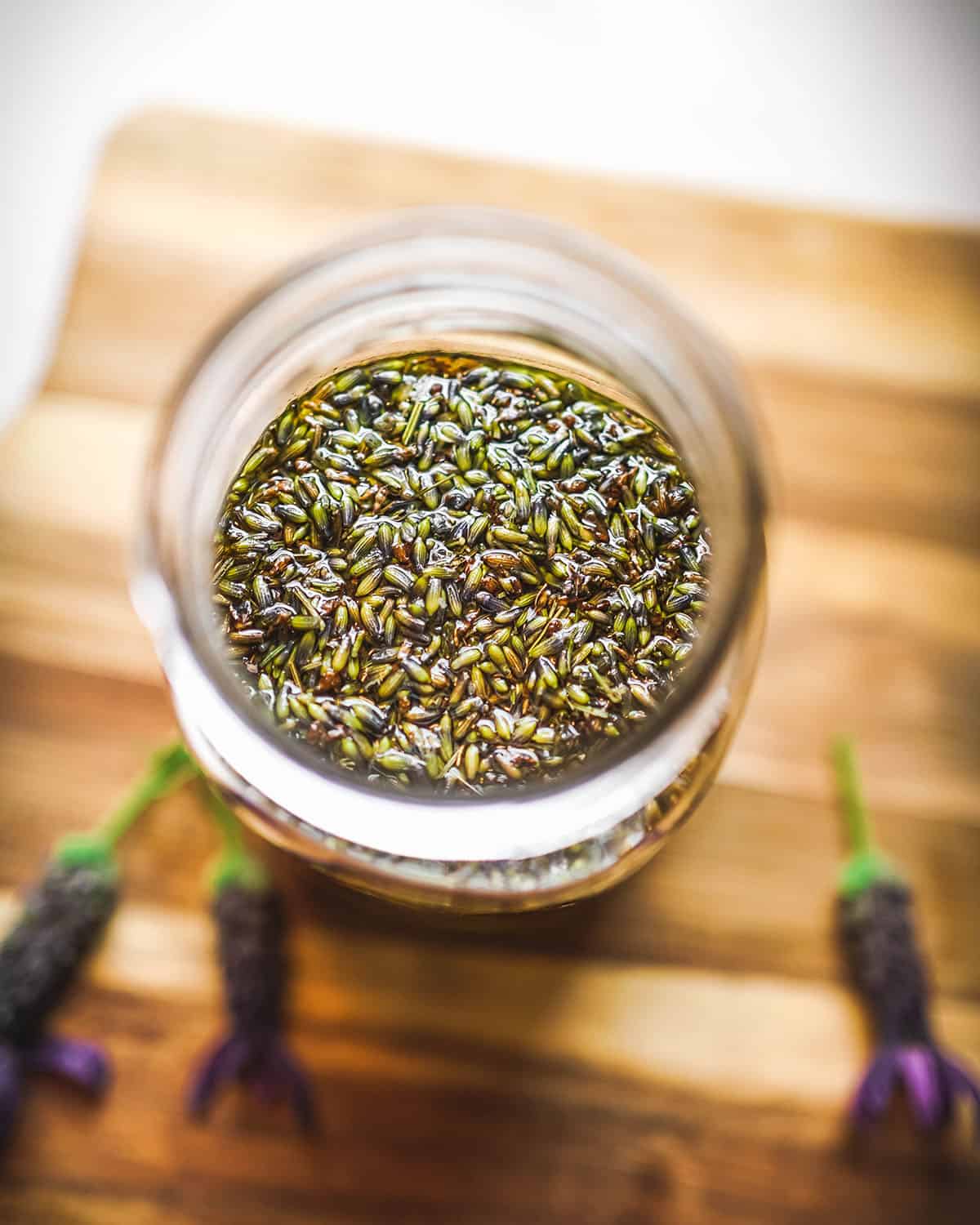
Regarded by many traditionalists as the gold standard for potency and stability, the cold infusion method involves submerging dried herbs in a carrier oil and allowing them to macerate in a cool, dark environment for a period of four to six weeks. This slow extraction prevents the degradation of delicate phytochemicals that can occur when exposed to high temperatures. Practitioners are advised to stir the mixture periodically to eliminate air bubbles, which can house moisture and lead to oxidation. Once the extraction window is complete, the oil is strained through a fine-mesh sieve or cheesecloth. The resulting oil, though potent, has a finite shelf life and is typically stored in the refrigerator if not intended for immediate use in secondary recipes like salves or lotions.
The Quick Heat Method
The quick heat method is reserved for specific botanical circumstances or expedited timelines. This method is particularly effective for "fresh-wilted" herbs—plants that have been allowed to dry for only 24 hours to reduce moisture but not fully dehydrate. Herbs such as St. John’s Wort, dandelion flowers, and chickweed often lose significant therapeutic potency when fully dried, making heat extraction necessary to capture their active constituents while simultaneously driving off remaining moisture to prevent spoilage.
To execute this method, formulators use slow cookers on the lowest setting or double boilers, ensuring the temperature remains below 110 degrees Fahrenheit. The oil is left uncovered during this 12-to-24-hour process to allow any evaporating water vapor to escape. While heat can slightly degrade the carrier oil’s longevity, it is a necessary trade-off for handling fresh plant matter safely.
The Solar Heat Method
A third, though more controversial, method involves placing infusion jars on a sunny windowsill. While the warmth of the sun can facilitate extraction, many professional herbalists advise against this practice. The primary concern is that UV radiation significantly accelerates the oxidation of lipids, causing the oil to go rancid much faster than it would in a dark environment. While it may be suitable for highly stable fats like coconut oil, it is generally considered the least reliable method for high-quality therapeutic production.
Chronology of the Herbal Infusion Cycle
The production of herbal oils follows a distinct seasonal chronology that aligns with the natural growth cycles of the temperate environment:
- Spring (The Foraging Phase): Focus shifts to new growth and early blooms. Chickweed, dandelion, and plantain are harvested as the first wave of topical botanicals.
- Summer (The Drying Phase): High-sunlight months are used to harvest and dehydrate lavender, rosemary, and calendula. This period builds the inventory required for year-round oil production.
- Autumn (The Extraction Phase): As the harvest ends, dried stocks are placed into cold infusions. Simultaneously, late-season rose hips are collected for specialized facial oils.
- Winter (The Formulation Phase): The infused oils, now fully macerated, are strained and transformed into protective winter salves, heavy body butters, and holiday gifts.
Market Trends and the Rise of DIY Skincare
The resurgence of interest in herbal oil infusion is not merely a hobbyist trend but a reflection of broader shifts in consumer behavior within the personal care sector. According to market research, "clean label" products—those with fewer than ten ingredients and no synthetic preservatives—are outperforming traditional synthetic cosmetics. By creating infused oils at home, consumers are bypassing the complex supply chains and chemical additives (such as parabens and phthalates) often found in commercial moisturizers.
Economic analysis suggests that the DIY approach offers significant cost savings for the consumer. A high-quality organic calendula salve can retail for upwards of $20 per ounce, whereas a home-producer can create a pint of concentrated calendula oil for a fraction of the cost, using garden-grown herbs and bulk-purchased carrier oils.
Safety Protocols and Quality Control
The primary risk associated with herbal oil infusion is the development of Clostridium botulinum or common molds if moisture is introduced. Because oil creates an anaerobic (oxygen-free) environment, any water trapped at the bottom of a jar can become a breeding ground for bacteria.
To mitigate these risks, industry experts recommend the following safety standards:
- Sterilization: All jars and stirring implements must be thoroughly cleaned and dried before use.
- Moisture Management: Using only 100% dried herbs for cold infusions and ensuring "fresh-wilted" herbs are heated sufficiently to evaporate water.
- Storage: Using amber or dark glass bottles to protect the final product from light-induced oxidation.
- Labeling: Including the date of infusion and the type of carrier oil used to track shelf life.
Broader Impact and Implications for Botanical Medicine
The mastery of infused oils serves as the "mother tincture" for a vast ecosystem of natural products. Once an oil is successfully infused, it can be thickened with beeswax to create salves, whipped with shea butter for intensive moisturizers, or emulsified with floral waters to create lotions. Beyond cosmetic use, these oils hold significant place in the "cottage industry" economy, where small-scale producers contribute to local farmers’ markets and apothecary shops.
As modern dermatology increasingly looks toward plant-based polyphenols and antioxidants to combat skin aging and inflammation, the traditional methods of oil infusion provide a scientifically grounded, albeit ancient, framework for delivery. By extracting lipid-soluble vitamins and essential fatty acids directly from the source, the home herbalist participates in a cycle of sustainable production that prioritizes environmental health and personal wellness. The simplicity of the process—combining plant, oil, and time—remains its most enduring strength in an era of increasingly complex industrial chemistry.


