
The burgeoning movement toward homemade pet nutrition has reached a significant milestone as more pet owners pivot from commercially processed treats to single-ingredient, transparently sourced alternatives. Among the most potent and cost-effective options emerging in this DIY sector is the dehydrated chicken liver treat. This transition is driven by a combination of rising pet food costs, a series of historical recalls involving imported jerky products, and a growing awareness of the specific dietary requirements of canines. By utilizing low-temperature dehydration, pet owners can produce a nutrient-dense, high-value training reward that retains the biological integrity of the organ meat while ensuring a shelf-stable product free from the preservatives and humectants typically found in retail offerings.
The Nutritional Profile and Veterinary Considerations of Organ Meats
Chicken liver is frequently referred to in veterinary nutrition as "nature’s multivitamin" due to its dense concentration of essential nutrients. Unlike muscle meat, which provides primarily protein and fat, liver is a concentrated source of Vitamin A, various B vitamins (specifically B12, riboflavin, and folate), iron, copper, and zinc. According to nutritional data, a standard serving of dehydrated chicken liver treats—approximately two pieces—contains roughly 105 calories, 15 grams of protein, and 4 grams of fat. This high protein-to-fat ratio makes it an ideal supplement for active dogs and an effective tool for positive reinforcement training.
However, the potency of liver necessitates a disciplined approach to serving sizes. Veterinary experts caution that while Vitamin A is vital for vision and immune function, an excess can lead to Vitamin A toxicity, or hypervitaminosis A. This condition can result in bone spurs, joint stiffness, and digestive issues. Consequently, dehydrated liver treats are classified as "supplemental" and should not exceed 5% to 10% of a dog’s total caloric intake. The high iron content (approximately 202mg of potassium and 15g of protein per serving) also provides a significant boost to the animal’s circulatory health and muscle maintenance.
Procedural Framework for Dehydration: A Chronological Approach
The production of dehydrated chicken liver treats requires a systematic approach to ensure both the safety of the handler and the quality of the final product. The process begins with the procurement of high-quality raw materials. While standard grocery store tubs of chicken liver are sufficient and widely available, some owners opt for organic or pasture-raised livers to minimize the presence of antibiotic residues.
The chronology of preparation is as follows:
Phase I: Preparation and Sanitization
Before handling the raw organ meat, a dedicated workspace must be established to prevent cross-contamination. Chicken liver is inherently slippery and delicate; therefore, it is often recommended to partially freeze the liver for 30 to 60 minutes prior to slicing. This firms the tissue, allowing for uniform cuts. The livers should be rinsed in cold water and patted dry. Any connective tissue or excess fat should be trimmed. The goal is to achieve slices approximately 1/4 inch thick. Uniformity is critical in this stage; inconsistent thickness will lead to uneven drying, where some pieces remain dangerously moist while others become overly brittle.
Phase II: The Dehydration Cycle
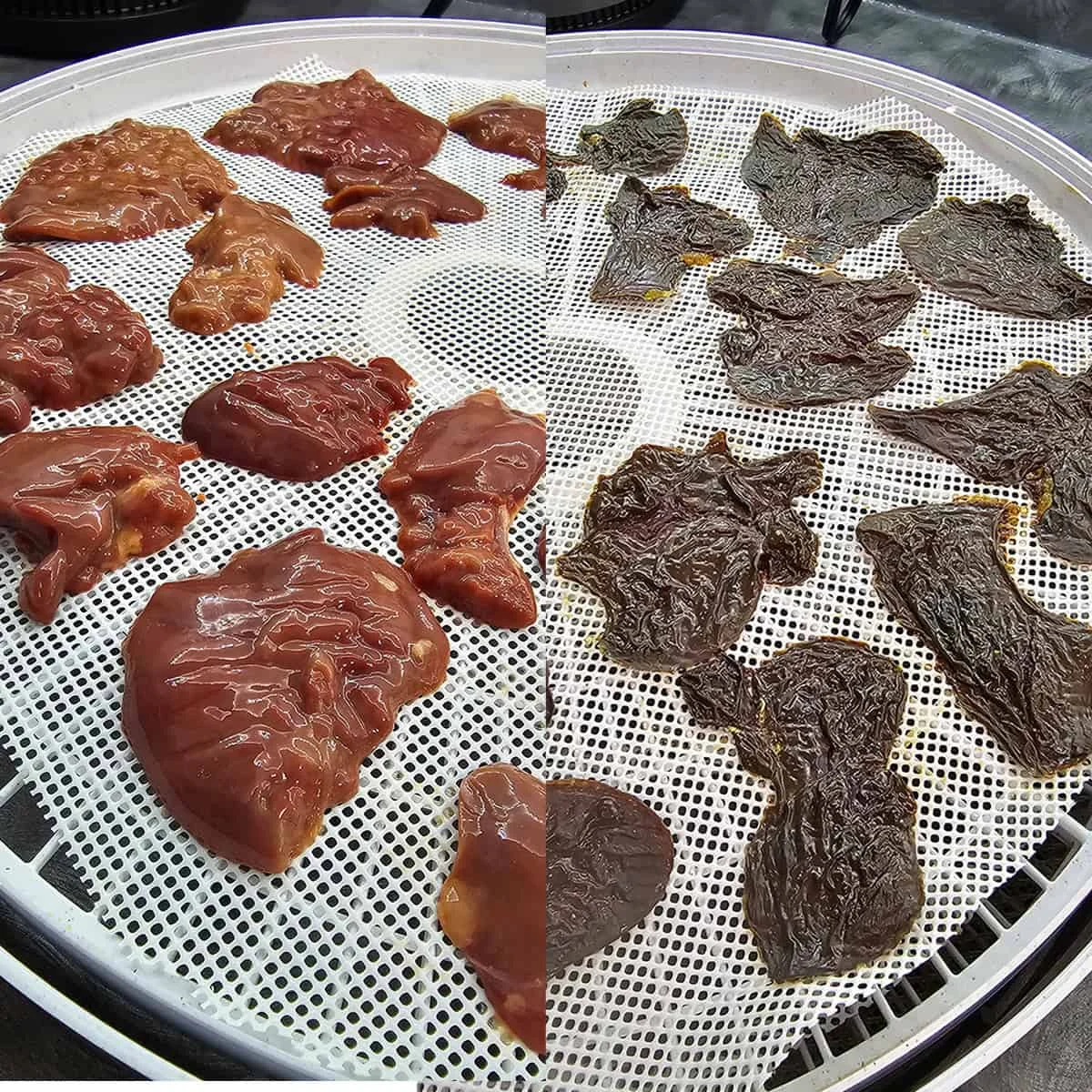
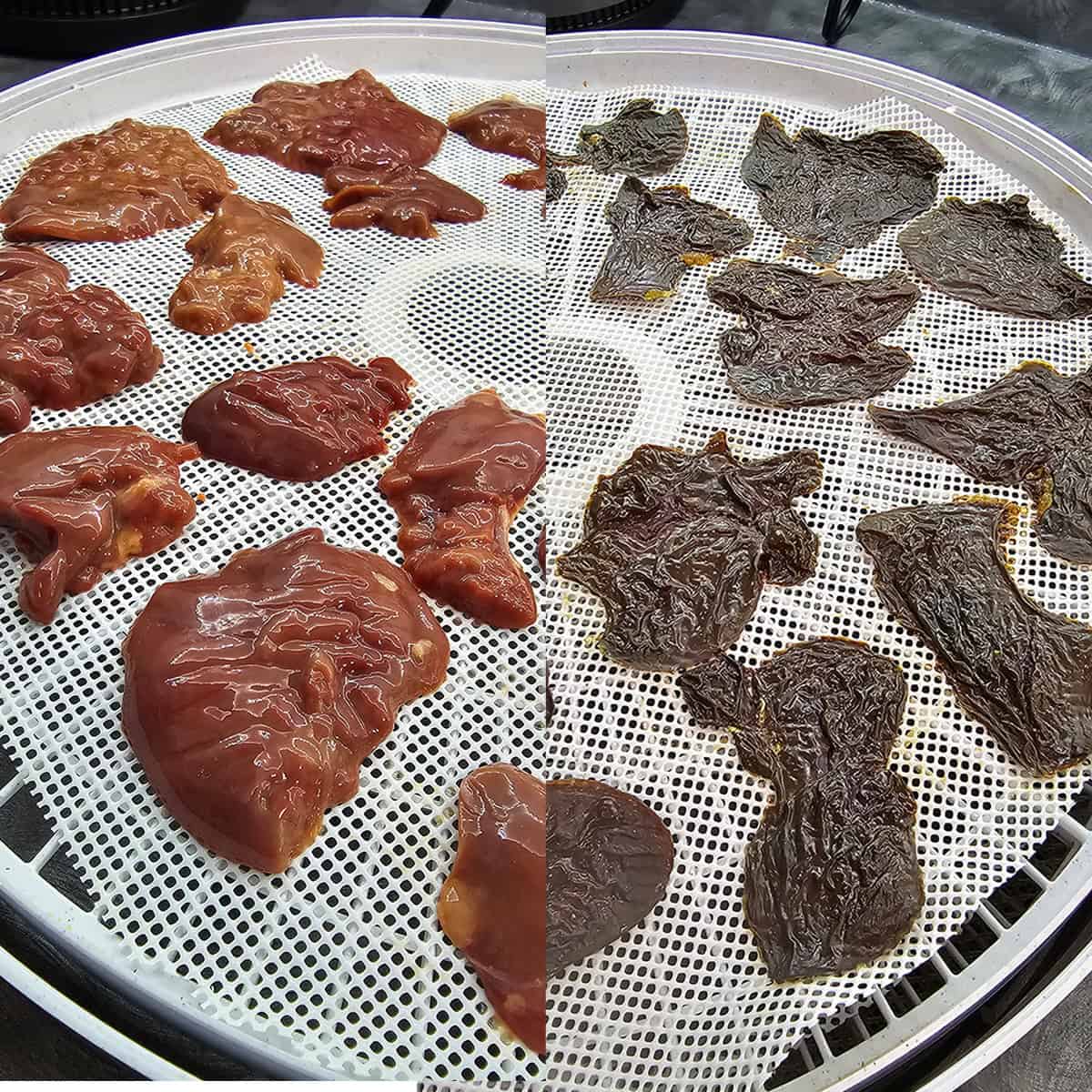
Once sliced, the liver pieces are arranged on dehydrator trays. It is imperative that the pieces do not overlap, as airflow is the primary mechanism of moisture removal. For those utilizing a dedicated food dehydrator, the temperature should be set to 160°F (71°C). This specific temperature is a safety standard recommended by food scientists to ensure that any potential pathogens, such as Salmonella or Campylobacter, are neutralized during the drying process. The duration of the cycle typically spans between four to eight hours, depending on the ambient humidity and the specific moisture content of the livers.
Phase III: Testing for "Doneness"
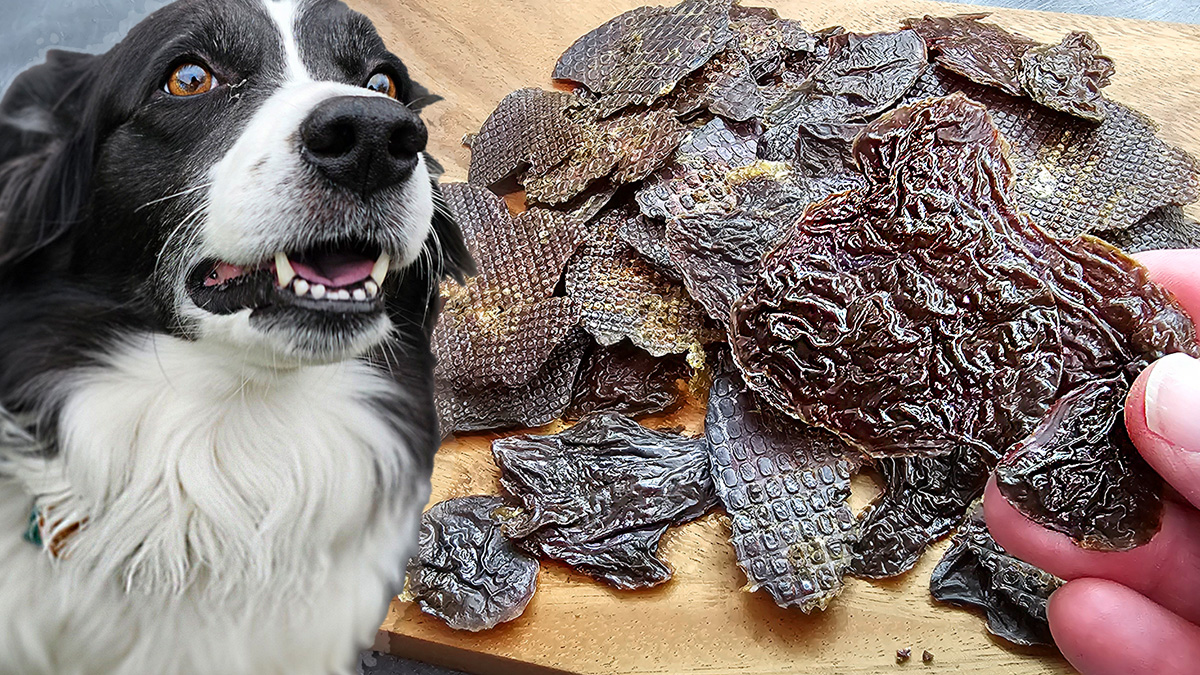
The transition from raw meat to jerky involves the removal of approximately 75% to 80% of the water content. A treat is considered fully dehydrated when it reaches a "leathery" or "snappy" consistency. When a piece is cooled and broken, there should be no visible moisture in the center. If the treat feels spongy, it requires further time in the dehydrator to prevent mold growth during storage.
Comparative Analysis of Drying Methods: Dehydrator vs. Oven
While a dedicated dehydrator is the preferred tool for many enthusiasts due to its consistent airflow and energy efficiency, the conventional oven remains a viable alternative for the occasional producer.
In an oven-based application, the appliance should be set to its lowest possible temperature, ideally between 170°F and 200°F. Because many household ovens do not circulate air as effectively as a dehydrator, the liver pieces must be placed on a wire cooling rack set atop a baking sheet. This elevation allows heat to reach the underside of the meat. The oven door may be propped open slightly with a heat-resistant silicone tool to allow moisture to escape, though this requires careful monitoring. Oven drying is generally faster, taking between three to five hours, but it carries a higher risk of "case hardening"—a condition where the outside of the meat dries too quickly, trapping moisture inside and leading to rapid spoilage.
Economic Feasibility and Market Disruption
The economic implications of DIY pet treats are substantial. As of 2024, premium, single-ingredient dehydrated chicken liver treats in the retail market can cost between $25 and $45 per pound. In contrast, raw chicken liver is one of the most affordable proteins available at the retail level, often priced between $1.50 and $3.00 per pound. Even when accounting for the weight loss associated with dehydration, the cost per ounce of homemade treats is estimated to be 60% to 75% lower than commercial counterparts.
Furthermore, the DIY approach mitigates the risks associated with the global supply chain. In the past two decades, the pet food industry has faced scrutiny over jerky treats sourced from international markets that were linked to Fanconi-like syndrome in dogs. By producing treats at home, owners maintain total control over the provenance of the ingredients and the absence of additives like glycerin, which is often used by manufacturers to keep treats soft but adds no nutritional value.
Food Safety Protocols and Storage Standards
The preservation of dehydrated meats relies on the reduction of "water activity" (Aw) to a level where microbial growth is inhibited. However, because homemade dehydration often lacks the industrial-grade vacuum sealing and oxygen absorbers used in commercial packaging, strict storage protocols must be observed.
- Cooling Period: Treats must be allowed to cool completely at room temperature before being placed in containers. If warm treats are sealed, residual heat will create condensation, leading to immediate mold development.
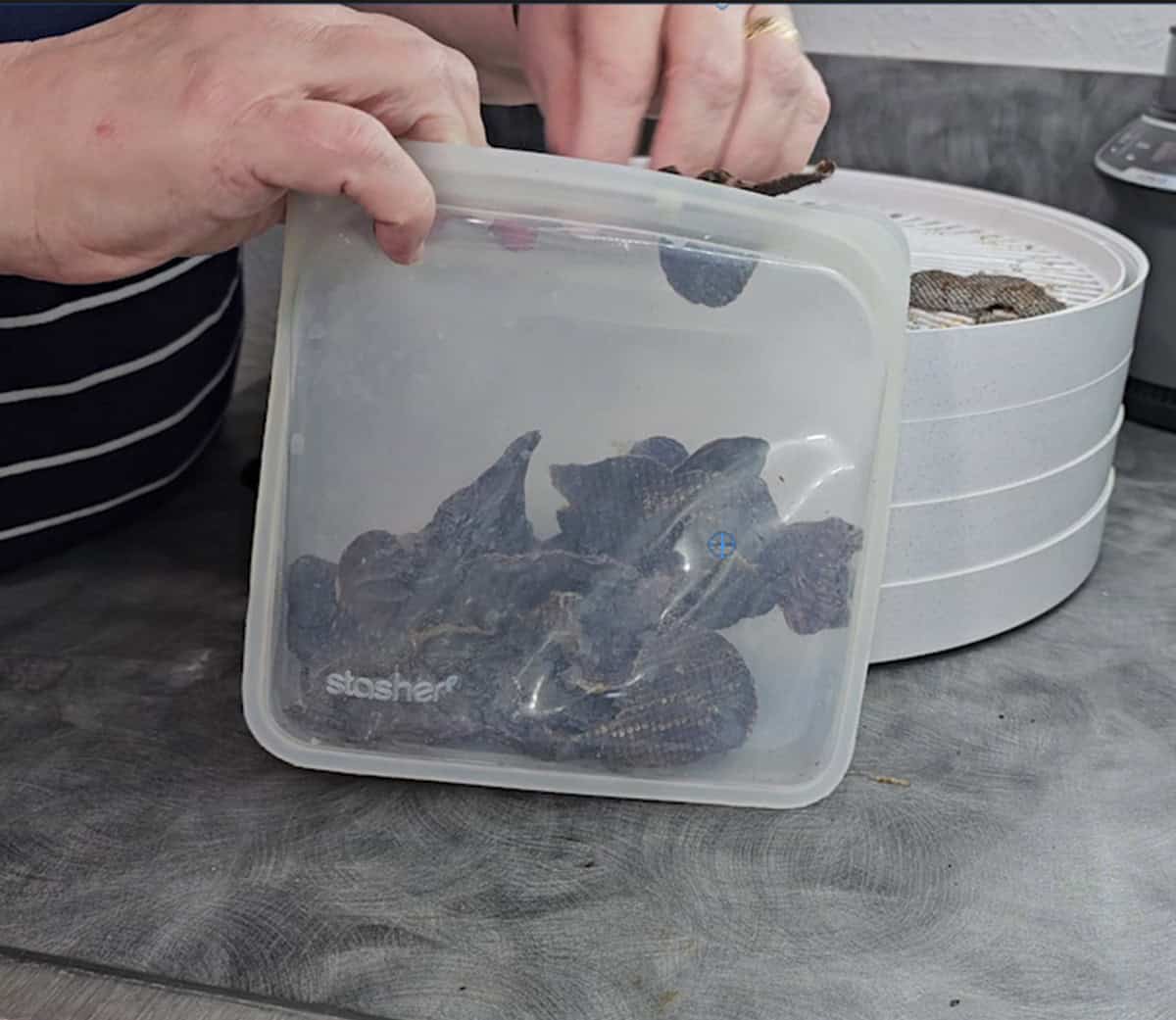
- Short-term Storage: For treats intended for consumption within two weeks, refrigeration in an airtight glass jar or silicone bag is recommended.
- Long-term Preservation: For larger batches, the freezer is the most effective storage solution. Dehydrated liver treats can maintain their nutritional profile and palatability for up to six months when frozen.
- Conditioning: Owners are encouraged to "condition" the treats for the first 24 hours after drying—shaking the container and checking for any signs of moisture buildup on the walls of the jar.
Implications for the Pet Food Industry and Consumer Behavior
The success of resources like "The Purposeful Pantry," authored by food preservation expert Darcy Baldwin, highlights a broader shift in consumer behavior. Pet owners are no longer passive consumers; they are increasingly adopting the roles of "procurement officers" and "food scientists" for their domestic animals. This "Clean Label" movement is forcing commercial manufacturers to simplify their ingredient lists and increase transparency regarding their sourcing and processing methods.
The integration of chicken liver treats into a broader rotation that includes chicken breast jerky and sweet potato chews allows for a balanced approach to treat-based rewards. It addresses the canine need for variety while ensuring that the primary source of calories remains nutritionally sound. As the cost of living continues to fluctuate, the ability to transform an inexpensive, nutrient-dense byproduct of the poultry industry into a high-value canine supplement represents a significant triumph of domestic efficiency and animal welfare.
In conclusion, the dehydration of chicken liver is more than a culinary trend; it is a calculated response to the complexities of the modern pet food market. It offers a scientifically backed, economically superior, and nutritionally dense alternative to mass-produced snacks, ensuring that the health of the pet remains the central priority of the household pantry.


