
The home food preservation industry has experienced a significant resurgence over the last decade, driven by a growing consumer interest in food security, waste reduction, and the health benefits of artisanal, preservative-free snacks. At the forefront of this movement is Cosori, a brand that has positioned itself as a provider of high-quality, accessible appliances. While the market was once dominated by legacy brands such as Excalibur and Nesco, Cosori has carved out a substantial market share by offering stainless steel construction and digital interfaces at a competitive price point. This analysis evaluates the Cosori 6-tray and 10-tray food dehydrators, examining their technical specifications, operational efficacy, and broader implications for the modern consumer’s pantry.
Technical Specifications and Engineering Overview
The Cosori food dehydrator line is characterized by its horizontal airflow system, a design choice that distinguishes premium units from entry-level vertical-flow models. In a horizontal system, the fan and heating element are located at the rear of the unit, blowing air across the trays uniformly. This prevents flavor cross-contamination and ensures that food on the top racks dries at the same rate as food on the bottom.
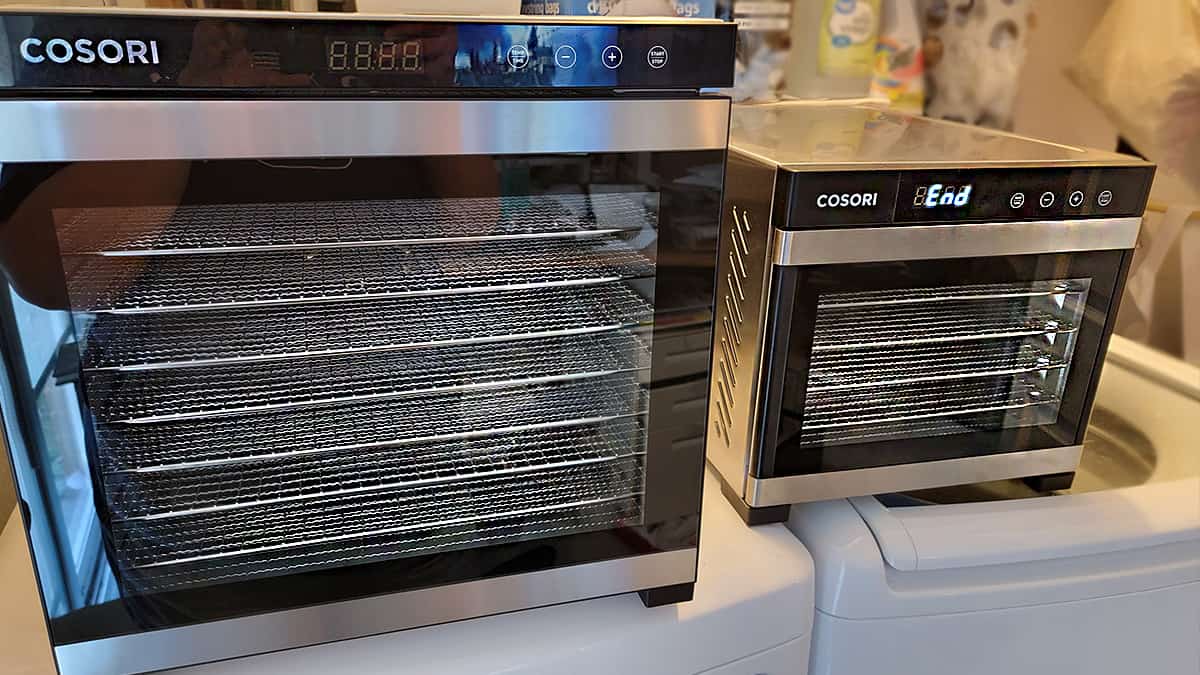
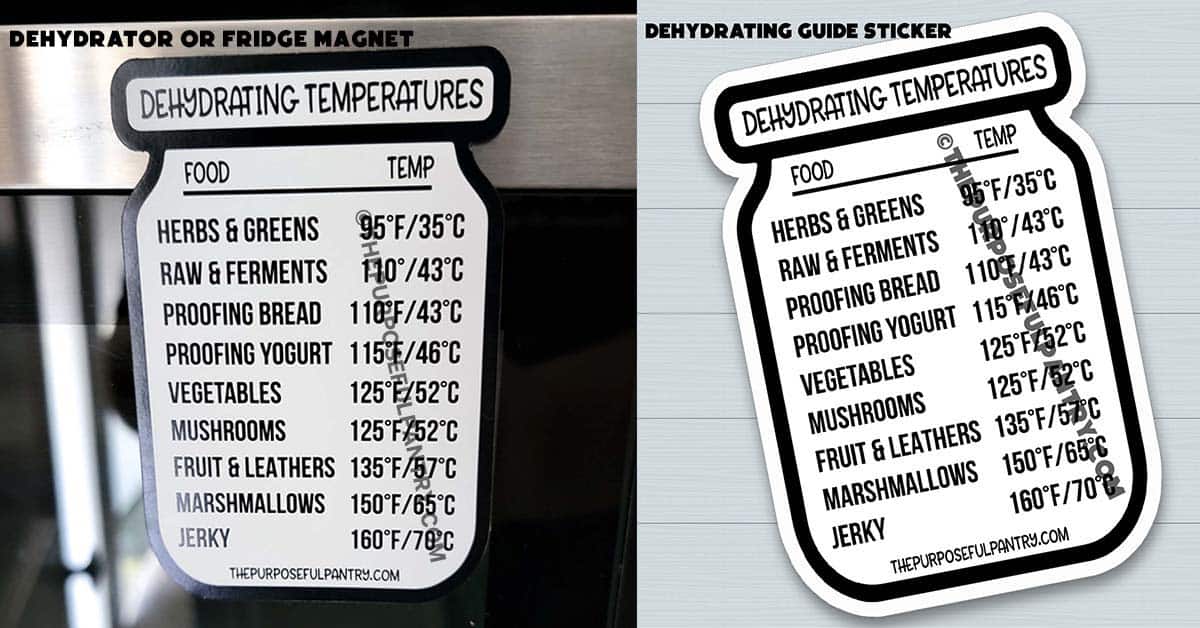
The 6-tray model, often cited as the flagship for residential use, operates on 600 watts of power with a voltage requirement of 120V. It features a temperature range of 95°F to 165°F (35°C to 73°C), which is the industry standard for safely processing everything from delicate herbs to high-risk meats for jerky. The unit’s dimensions—approximately 13.4 x 17.8 x 12.4 inches—allow it to fit comfortably under standard kitchen cabinetry, a logistical advantage for urban dwellers with limited counter space.
In contrast, the 10-tray "big brother" model offers increased volume for high-yield harvests. While it boasts a higher wattage to accommodate the larger internal cavity, empirical testing suggests that the drying speed remains consistent with the 6-tray model. The primary benefit of the 10-tray unit is throughput rather than velocity, making it the preferred choice for gardeners and bulk purchasers.
Chronology of Operation: From Unboxing to Long-Term Storage
The lifecycle of using a Cosori dehydrator begins with a standardized preparation protocol. Journalistic observation of the user experience reveals a specific sequence of events required to maximize the machine’s longevity and food safety.
- Initial Sanitization: Upon unboxing, all stainless steel trays and liners must be washed in warm, soapy water.
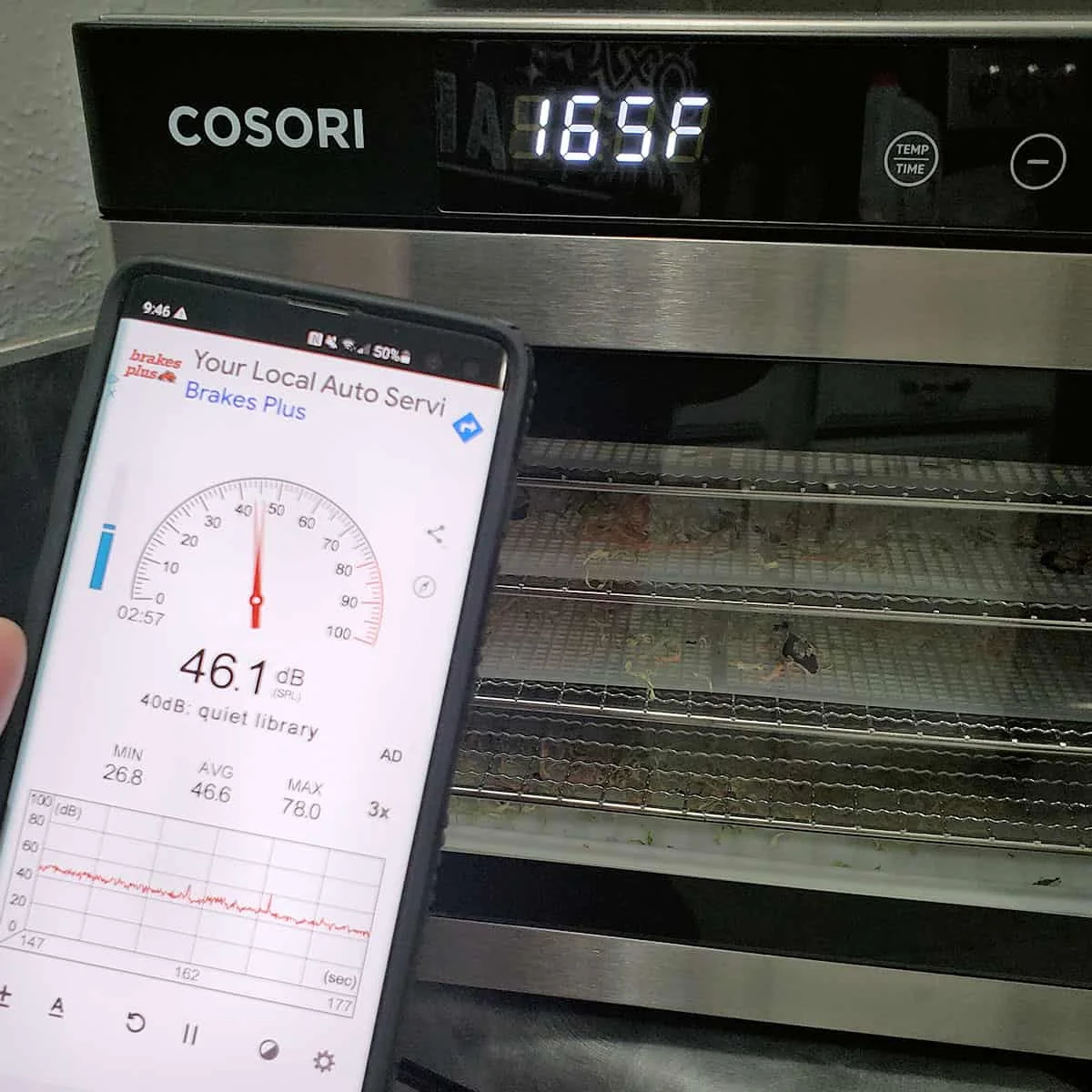
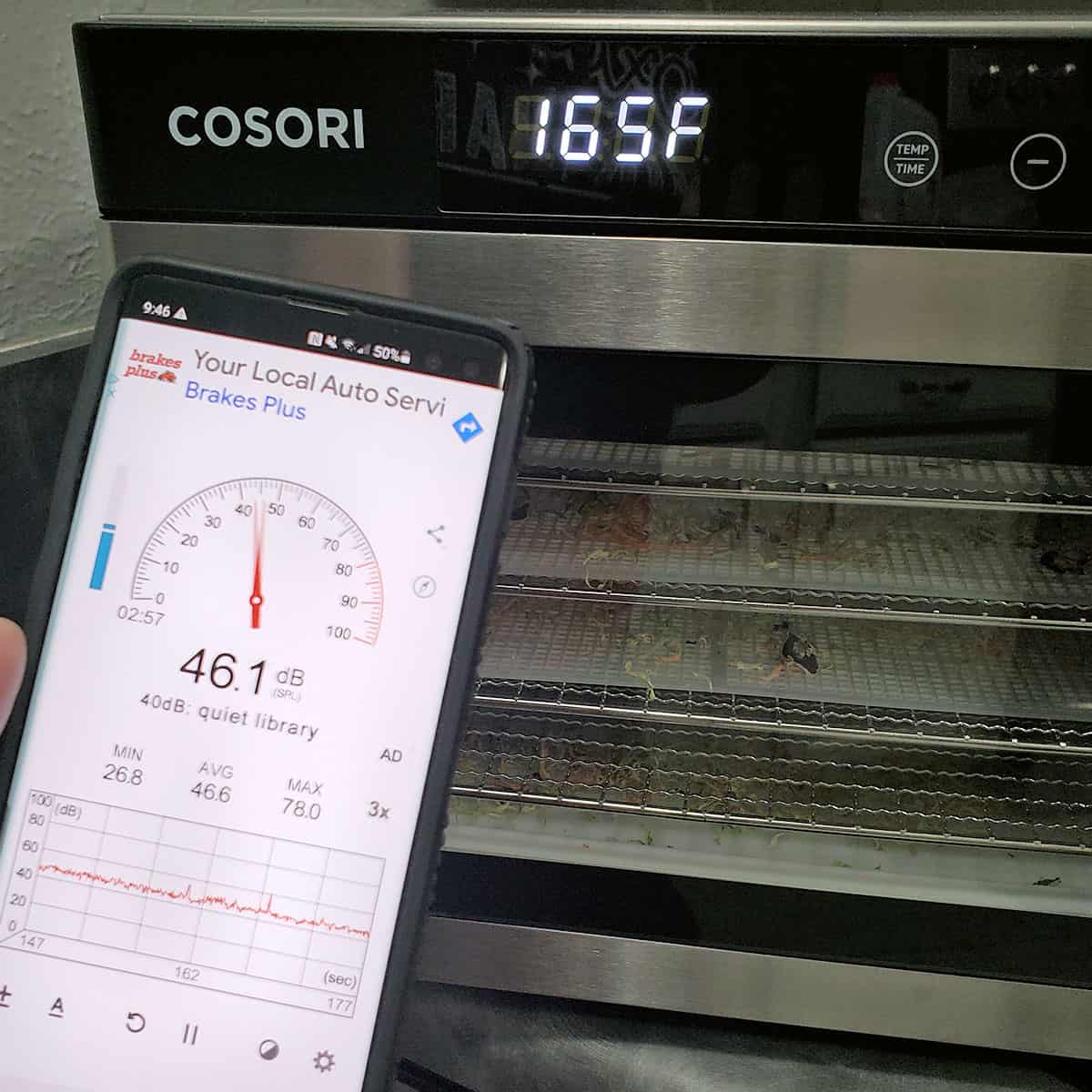
- The "Burn-Off" Phase: Before processing food, users are instructed to run the empty machine at 165°F for at least thirty minutes. This process eliminates any residual manufacturing oils or "new machine" odors that could permeate the first batch of food.
- Strategic Loading: Food must be sliced to a uniform thickness—typically between 1/8 and 1/4 inch—to ensure consistent drying times.
- Operational Cycle: The digital interface allows for precision timing. However, a notable mechanical quirk involves the door sensor; if the door remains open for an extended period during a check, the timer may reset, requiring the user to manually re-enter the remaining duration.
- Mandatory Cooling: According to the manufacturer’s operational guidelines, the unit requires a "rest period" of at least two hours for every 48 hours of continuous operation to prevent thermal fatigue of the internal components.
Performance Data and Comparative Analysis
When compared to its primary competitors, such as the Ivation 10-Tray or the Magic Mill 7-Tray, the Cosori unit demonstrates superior acoustic performance. In decibel testing, the Cosori models consistently register lower noise levels than older plastic models, making them suitable for overnight use in residential environments.
The material composition of the Cosori units is a significant factor in their market success. The outer housing and the drying trays are constructed from 100% food-grade stainless steel. This addresses consumer concerns regarding bisphenol A (BPA) and other chemicals associated with plastic trays when subjected to heat. However, it should be noted that the door assembly is not entirely metallic; it incorporates a glass viewing pane and plastic housing elements to facilitate a lightweight, heat-resistant seal.
Despite these advantages, the brand has faced criticism regarding its included accessories. While the machines are capable of holding six or ten trays respectively, they often ship with a limited number of mesh liners and fruit leather sheets. This necessitates additional secondary purchases for users intending to dehydrate small items like peas or liquid-based foods like purees.
Official Responses and Reliability Concerns
In the era of globalized manufacturing, Cosori maintains a transparent stance on its origins. While the products are "designed in California," they are manufactured in China. This model has allowed for rapid scaling but has also led to occasional reports of "duds" or premature heating element failure.
In response to these reliability issues, Cosori has established a robust customer service infrastructure. The company offers a standard one-year warranty, which can often be extended through third-party retailers like Amazon. Official company statements emphasize a "replace rather than repair" philosophy, a common trend in small appliance manufacturing. Customer service representatives typically require video evidence of a malfunction before authorizing a replacement, a protocol intended to streamline the claims process.
Furthermore, a point of contention among food preservation experts involves the official Cosori instruction manual. The manual suggests that dehydrated foods have a shelf life of only a few weeks. Expert analysis suggests this is likely a conservative legal safeguard to protect the manufacturer from liability regarding improper storage. When food is dehydrated to the correct moisture content (usually below 10%) and stored in airtight containers with oxygen absorbers, the actual shelf life can extend to several years.
Broader Impact on Sustainability and Food Economics
The adoption of Cosori dehydrators reflects a broader shift in consumer behavior toward "The Purposeful Pantry"—a concept centered on reducing reliance on commercial supply chains. By converting perishable garden surpluses or "manager’s special" grocery items into shelf-stable snacks, consumers are effectively "locking in" current food prices against future inflation.
The implications for food waste are equally significant. According to data from the Food and Agriculture Organization (FAO), roughly one-third of food produced for human consumption is lost or wasted globally. Home dehydration serves as a localized solution to this crisis, allowing households to preserve nutrient-dense produce that would otherwise be discarded.
Moreover, the versatility of these machines extends beyond fruit and vegetables. The rise of the "DIY pet food" movement has seen a surge in the use of dehydrators for making single-ingredient treats, such as chicken hearts or sweet potato chews, which are often sold at a significant premium in retail stores.
Implications for the Future of Kitchen Technology
As the market for food preservation appliances matures, the Cosori dehydrator represents a middle-ground evolution. It bridges the gap between the loud, inefficient plastic "stackable" models of the 1990s and the industrial-grade freeze-dryers that remain cost-prohibitive for the average family.
The success of the 6-tray and 10-tray models suggests that consumers value a "set it and forget it" interface combined with durable materials. However, the lack of a "pause" button and the discrepancy between manual instructions and real-world preservation standards indicate room for future iterations. For the beginner, the Cosori line offers a high-value entry point into a lifestyle of self-sufficiency, provided the user supplements the machine’s hardware with external knowledge regarding long-term food safety.
In conclusion, while the Cosori dehydrator is not without its mechanical and instructional flaws, its impact on the home preservation landscape is undeniable. It has democratized the use of stainless steel drying technology, making it a staple tool for those looking to build a resilient and sustainable home food system. As global food systems face continued pressure from climate and economic volatility, the role of such appliances in the domestic sphere is likely to expand from a hobbyist’s luxury to a household necessity.


