
The global interest in foraging and wildcrafting has experienced a significant resurgence over the past decade, transforming from a niche survivalist skill into a mainstream lifestyle movement focused on sustainability, food security, and outdoor wellness. As the 2024 holiday season approaches, the market for specialized foraging equipment, educational literature, and botanical-themed commodities has expanded to meet the demands of an increasingly diverse demographic of outdoor enthusiasts. This shift is reflected in the growing availability of high-quality tools that bridge the gap between traditional craftsmanship and modern utility.
The Evolution of the Foraging Movement
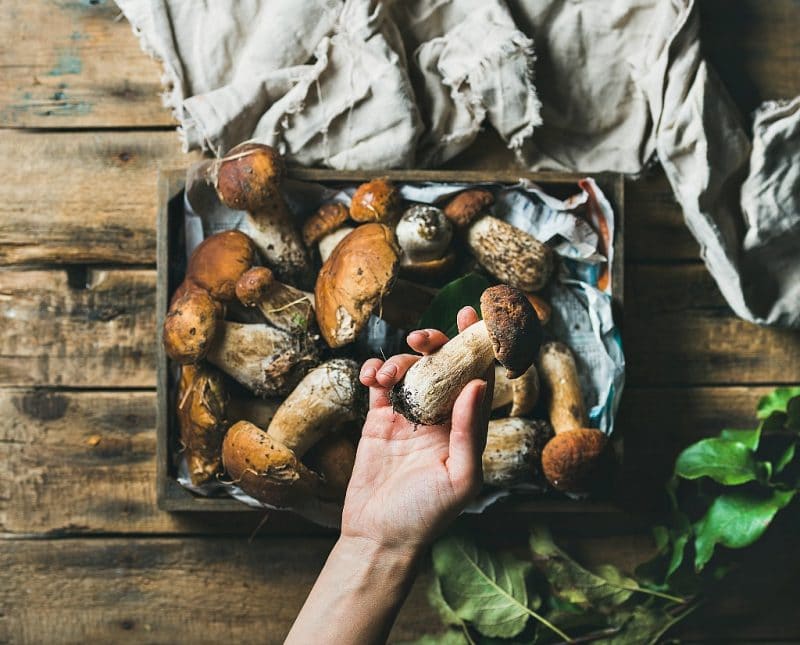
The practice of wildcrafting—the harvesting of undomesticated plants for food and medicinal purposes—has deep historical roots, yet its modern iteration is characterized by a sophisticated blend of scientific identification and ethical conservation. Data from the Outdoor Industry Association indicates that participation in nature-based activities, including gathering wild edibles, has grown by approximately 12% since 2020. This trend is driven by a desire for organic, locally sourced nutrition and a deeper connection to regional ecosystems.
The chronology of this movement can be traced from the publication of seminal field guides in the mid-20th century to the digital era’s explosion of social media "foraging influencers." In the early 2000s, foraging was often associated with high-end culinary foraging for Michelin-star restaurants. By 2015, the focus shifted toward "backyard foraging" and herbalism. Today, the movement encompasses a holistic lifestyle that includes home cultivation of fungi, the consumption of functional mushroom beverages, and the use of specialized textiles.
Essential Harvesting Equipment and Logistics
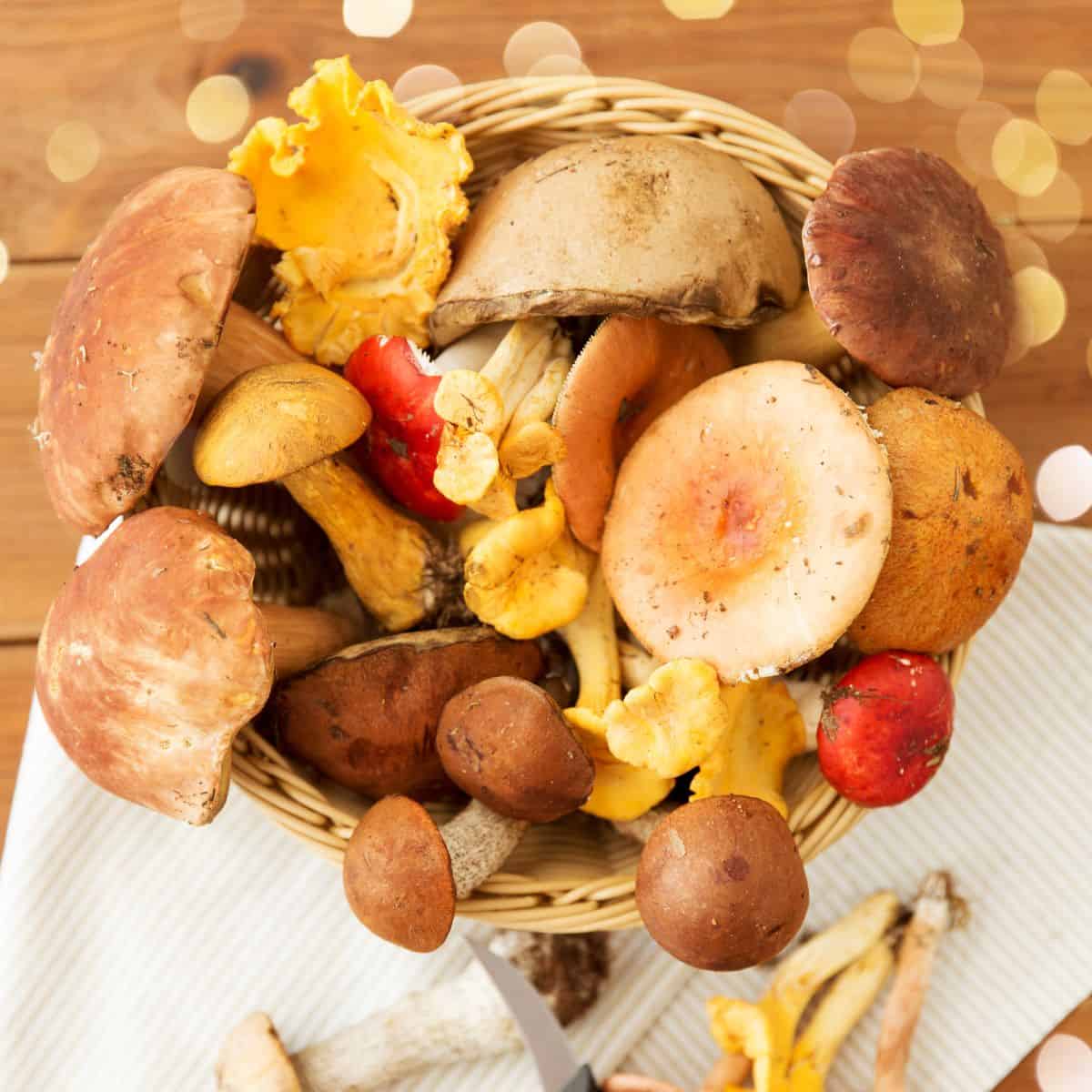
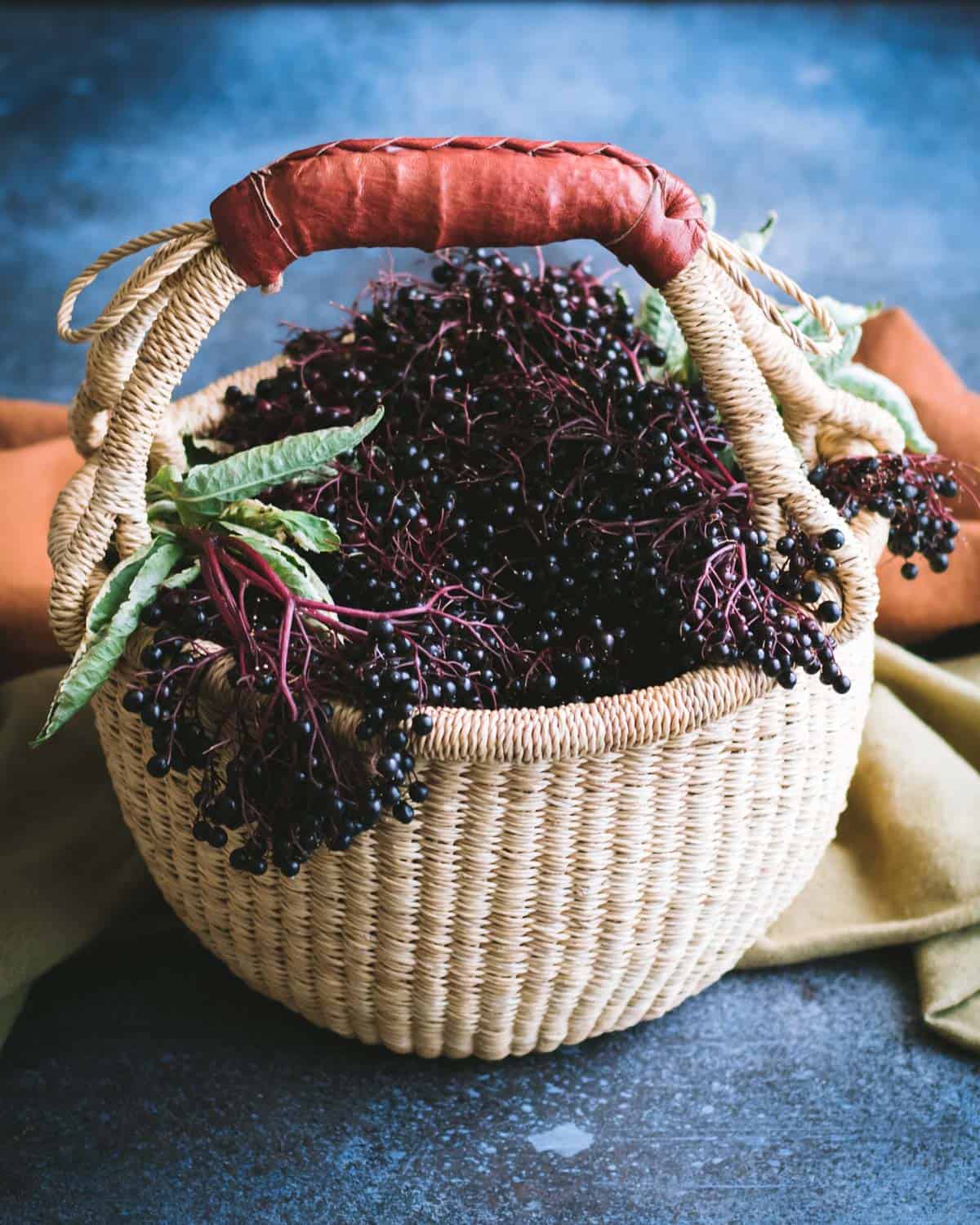
Professional-grade harvesting requires specialized equipment designed to preserve the integrity of the collected specimens while ensuring the comfort and safety of the forager. Market analysis suggests that traditional woven baskets remains the industry standard for transporting delicate mushrooms and wild greens. Fair-trade market baskets, constructed from durable natural fibers, provide the necessary ventilation to prevent the wilting of greens and the premature decomposition of fungi. These vessels are categorized by volume, with medium and large sizes being favored for significant harvests, such as autumn elderberry collections or spring nettle gathering.
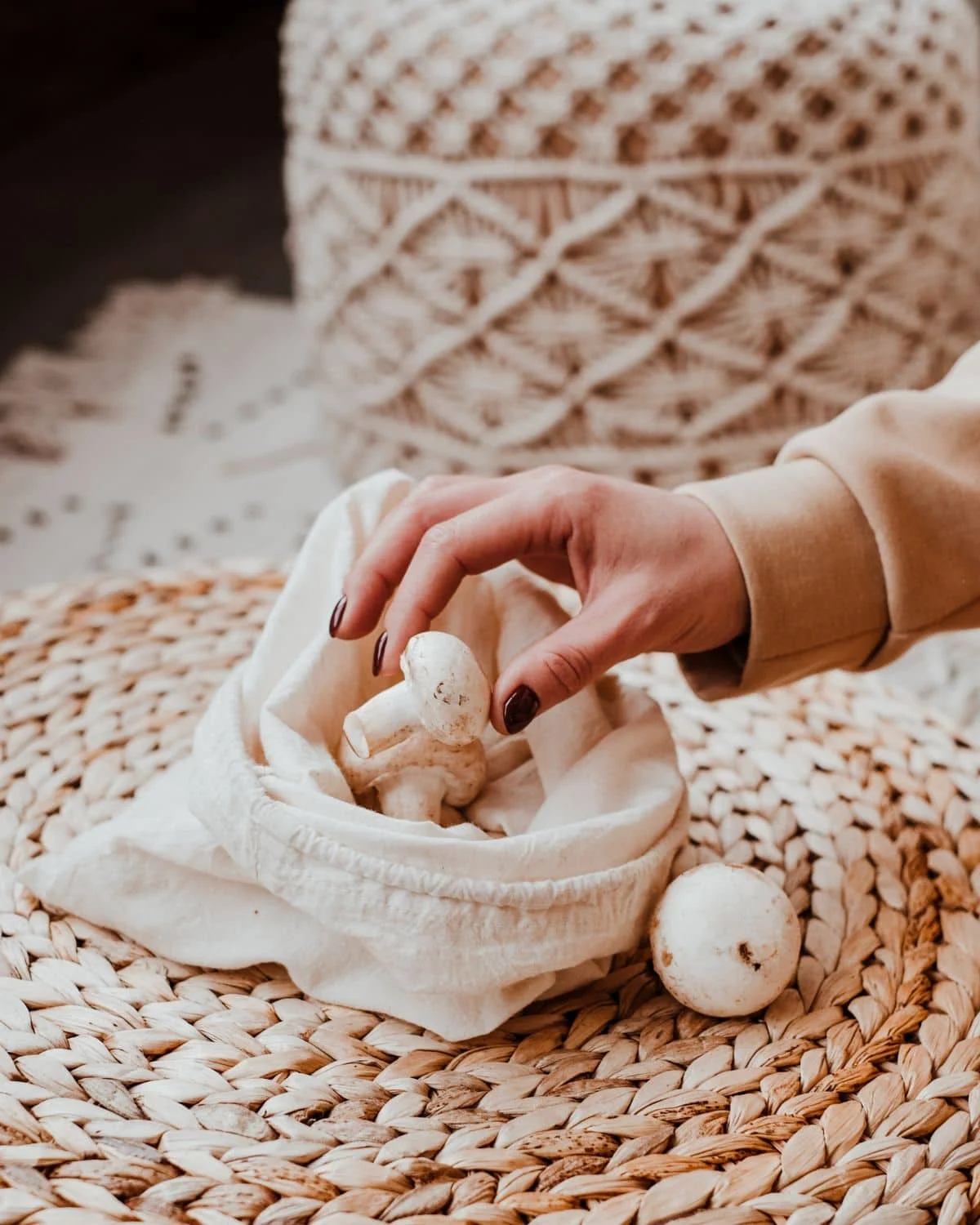
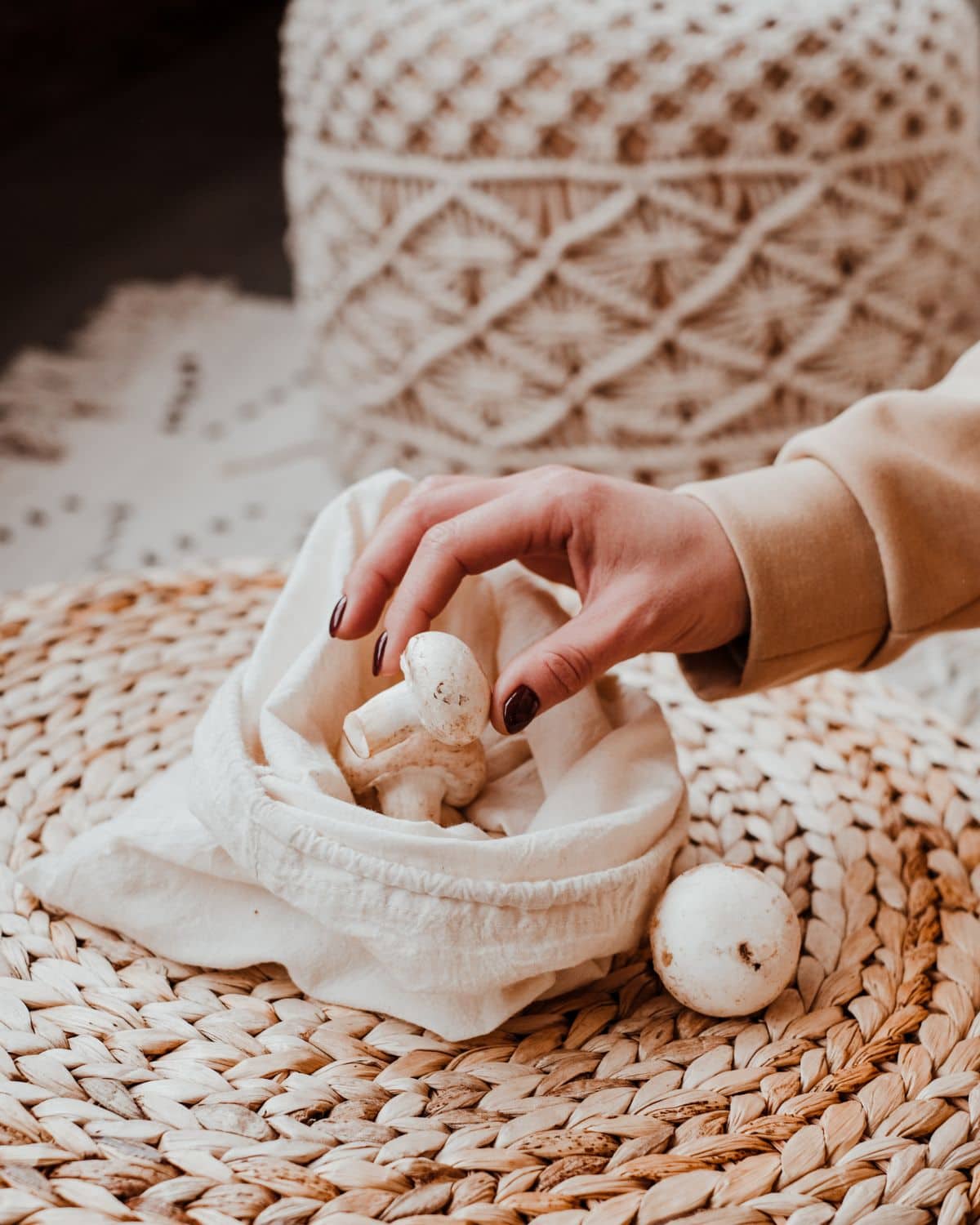
For the mobile forager, lightweight alternatives such as cloth bags have gained popularity. These items are valued for their portability and sustainability, often replacing single-use plastics in both wild and urban environments. Industry experts note that the use of breathable cotton or linen bags is critical for mushroom foragers, as it allows spores to disperse back into the forest floor during transport, thereby supporting the local ecosystem’s reproductive cycle.
Precision Tools: The Foraging Knife
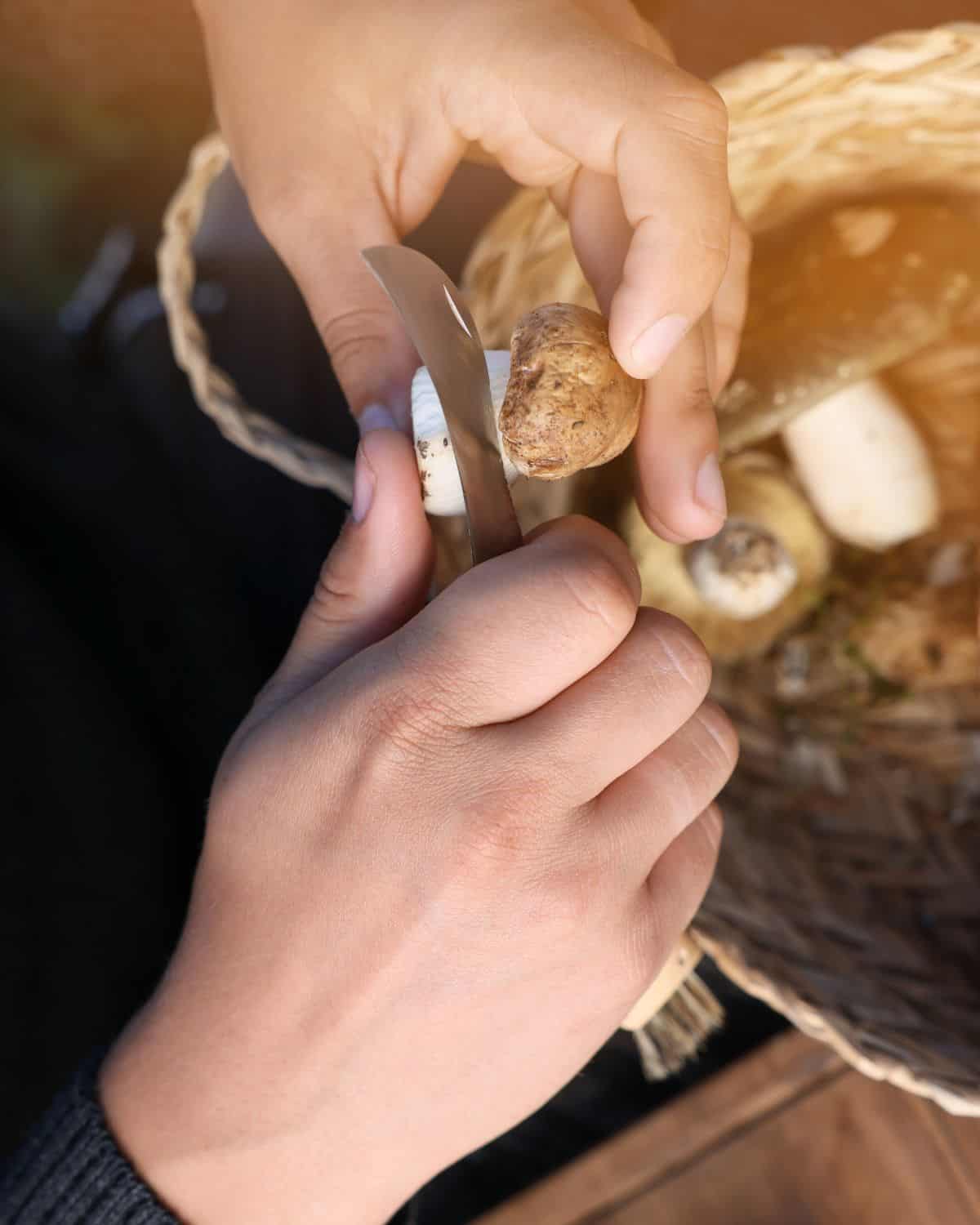
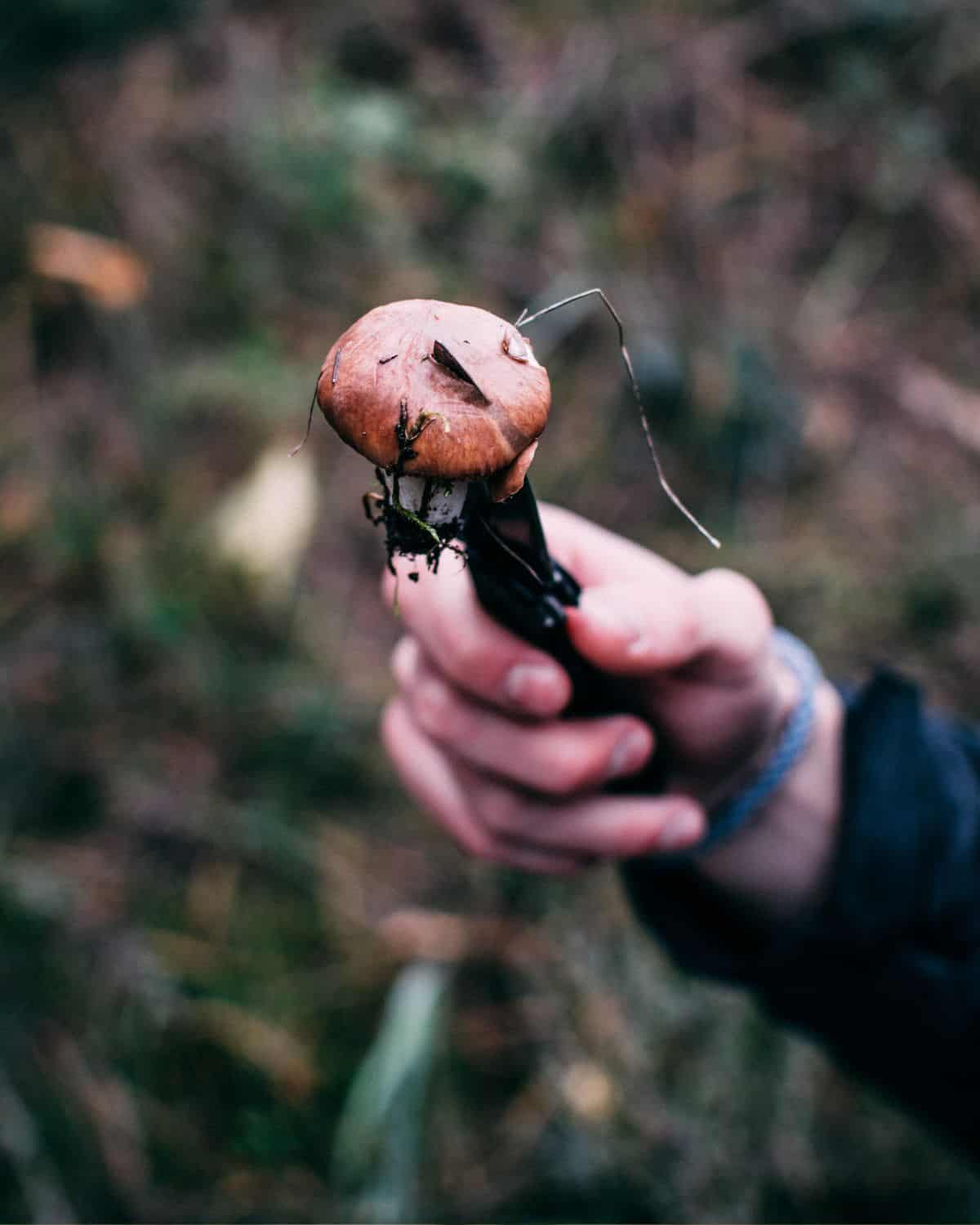
The selection of a foraging knife is a critical decision for any wildcrafter, as the tool must handle tasks ranging from delicate mushroom stem trimming to the harvesting of tough barks and roots. The Opinel Mushroom Knife has emerged as a specialized leader in this category. Featuring a curved blade for clean cuts and an integrated boar-hair brush for field cleaning, the tool represents a marriage of French heritage and functional design.
For general-purpose wildcrafting, the Morakniv Companion has become a staple due to its cost-efficiency and durability. Journalistic reviews of outdoor gear frequently cite the Swedish-made Morakniv for its ergonomic grip and high-carbon steel blade, which maintains sharpness through rigorous use. These tools are often viewed as "entry-point" essentials that provide high performance without the prohibitive costs associated with custom-forged blades.
The Rise of the Functional Mushroom Market
A significant sub-sector of the foraging movement is the "fungi-culture" industry, which includes both the cultivation of mushrooms and the consumption of mushroom-derived products. The market for functional mushrooms—including Reishi, Lion’s Mane, Chaga, and Cordyceps—is projected to reach a global valuation of over $50 billion by 2030, according to recent economic forecasts.
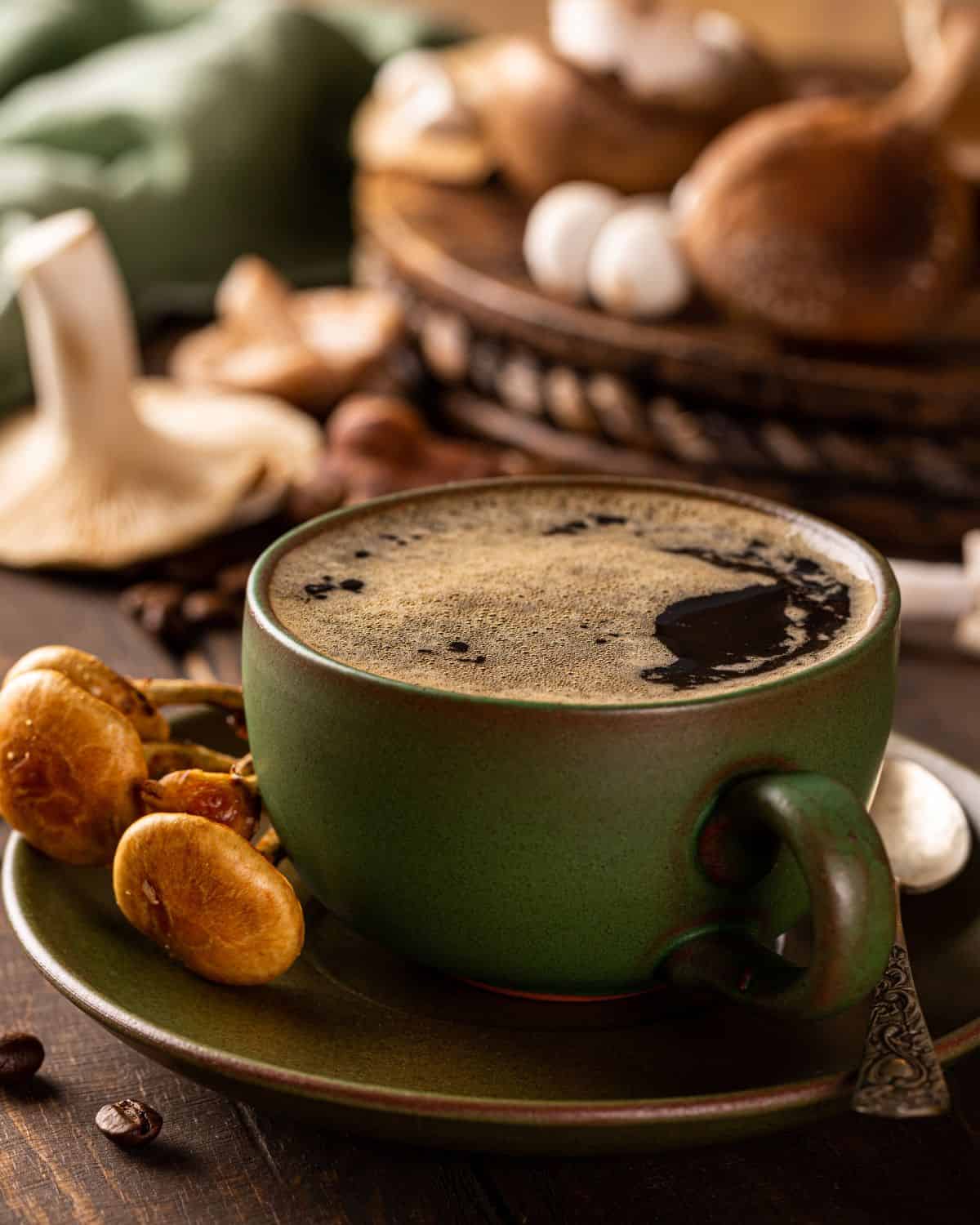
This growth is evidenced by the popularity of mushroom-infused beverages. Companies such as Four Sigmatic have successfully
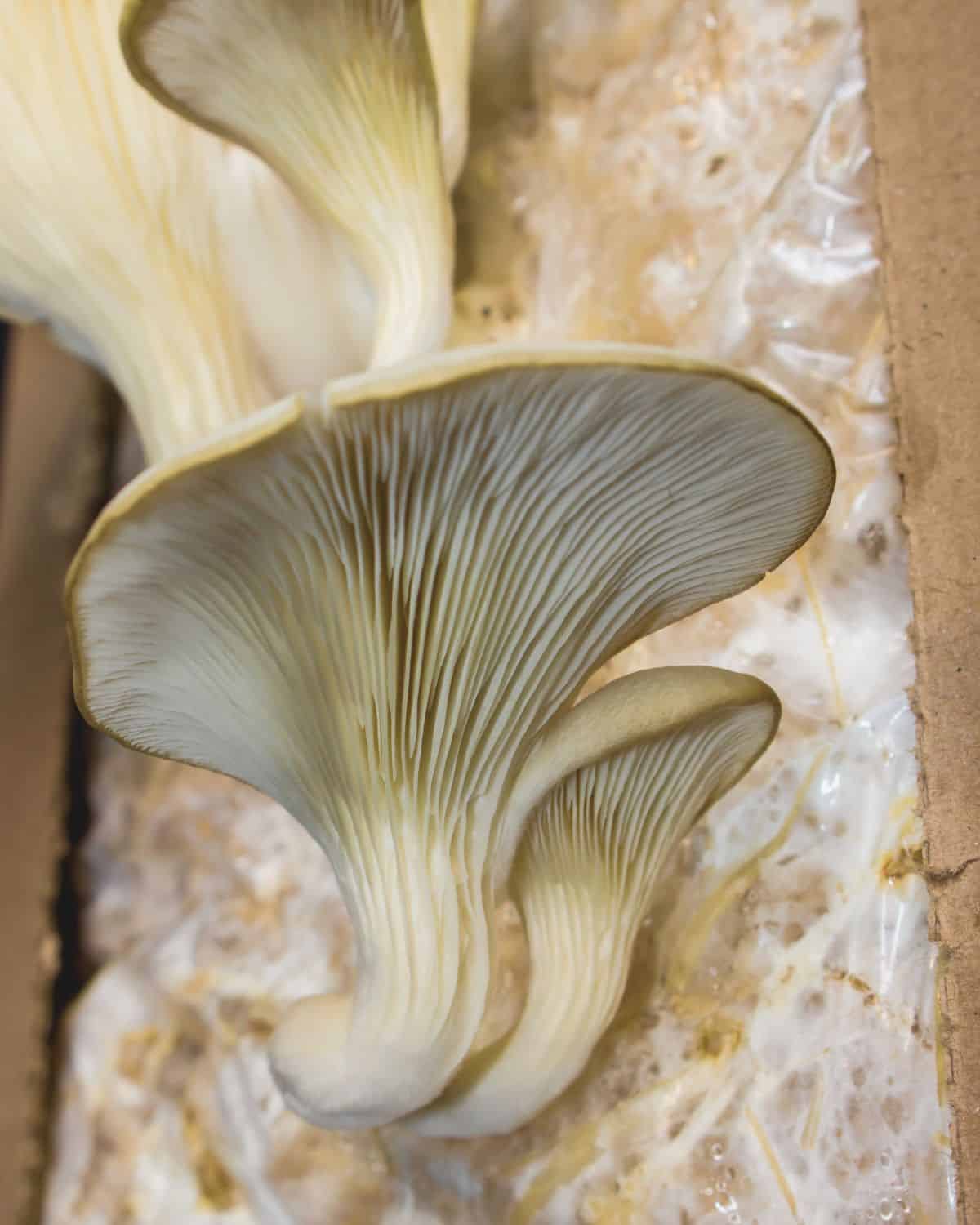
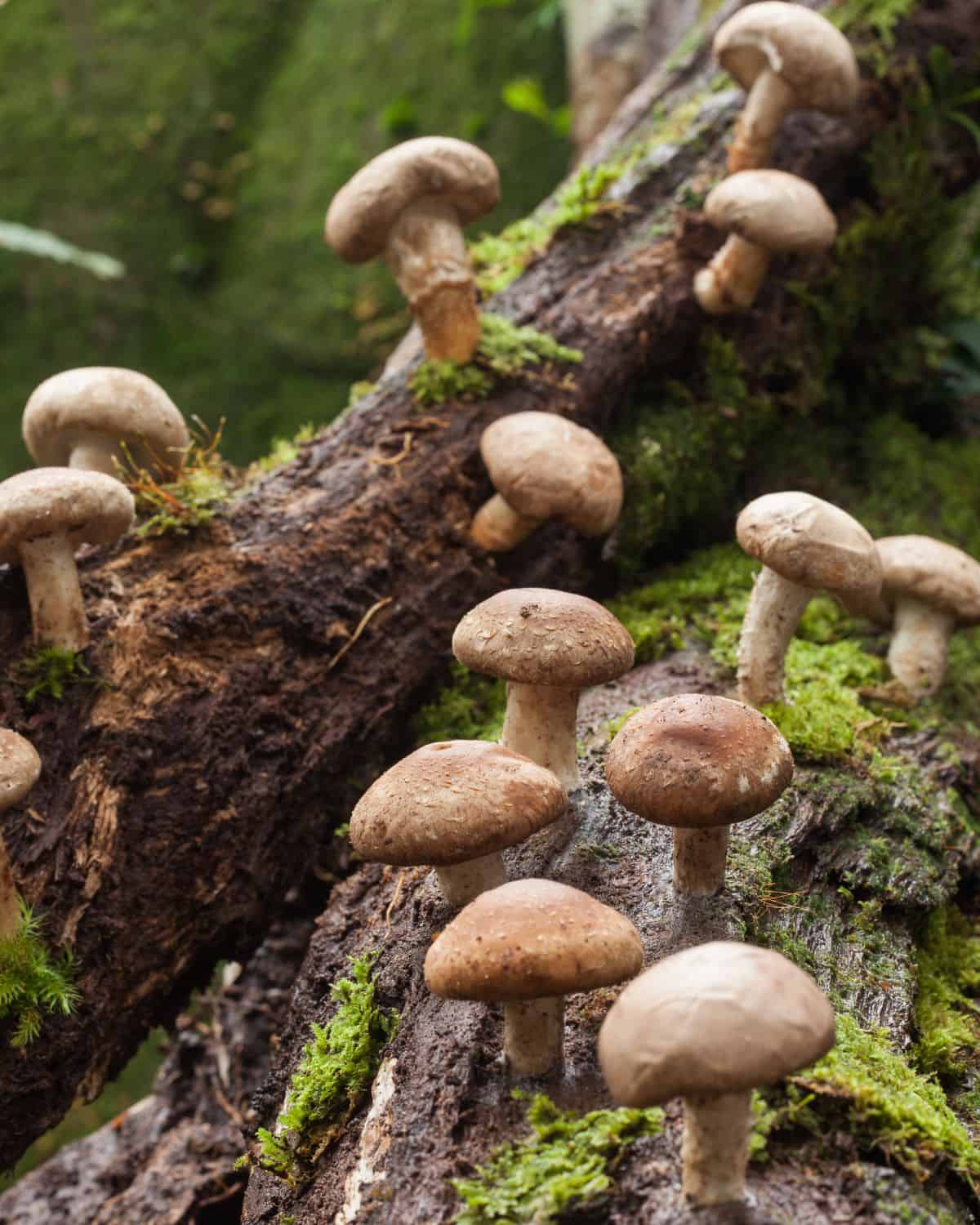
integrated wild-foraged ingredients into daily routines through mushroom coffees and hot cocoas. These products are marketed for their adaptogenic properties, which are purported to assist the body in managing stress and enhancing cognitive function. For those who prefer a more hands-on approach, indoor cultivation kits, such as organic oyster mushroom "mini-farms," allow individuals to experience the fungal life cycle within a domestic setting. Furthermore, the practice of inoculating logs with shiitake or oyster mushroom spawn plugs has become a common bridge between traditional foraging and permaculture.
Literature and Educational Resources
Botanical literacy is the cornerstone of safe and ethical foraging. The risk of misidentification, particularly regarding poisonous fungi, necessitates the use of authoritative guidebooks. The literary landscape for foragers is dominated by several key figures whose works serve as the primary educational infrastructure for the community.
Samuel Thayer’s series on wild edible plants is frequently cited by environmental educators as the gold standard for North American foraging. His books emphasize rigorous identification and the sustainable management of wild populations. In the mycological field, David Arora’s "All That the Rain Promises and More" is recognized for its portability and user-friendly identification keys, while his more comprehensive "Mushrooms Demystified" serves as the definitive reference for serious students of mycology.
The pedagogical reach of foraging has also extended to younger generations. Children’s literature, such as "The Dandelion Seed" and "In a Nutshell" by Joseph P. Anthony, introduces the concepts of plant life cycles and ecological interconnectedness. Modern guides like "Foraging with Kids" and "Family Foraging" represent a shift toward multi-generational outdoor education, framing foraging as a family-oriented activity that fosters environmental stewardship.
Aesthetic and Domestic Integration
The foraging movement has permeated domestic aesthetics, leading to a surge in "cottagecore" and botanical-themed home goods. This is observed in the high demand for kitchenware and textiles featuring mycological and wildflower motifs. From ceramic mushroom mugs to vintage-inspired tea towels and oven mitts, these items allow enthusiasts to express their affinity for the natural world within the home.
The apparel industry has also responded to this trend. Brands like Taproot Threads produce botanical clothing that functions as both artistic expression and educational tool, featuring accurate illustrations of plants like yarrow and various wild mushrooms. This "wearable art" serves to normalize botanical knowledge and promote a culture of nature appreciation.
Environmental Impact and Ethical Considerations
As foraging grows in popularity, environmental advocates have raised concerns regarding the over-harvesting of certain species, particularly slow-growing medicinal plants like American Ginseng or wild ramps. The transition from foraging as a hobby to a widespread trend necessitates a rigorous adherence to ethical harvesting guidelines.
- The 1-in-20 Rule: Many foraging organizations recommend never taking more than 5% to 10% of a healthy population.
- Species Protection: Foragers are encouraged to prioritize invasive species (such as garlic mustard or Japanese knotweed) over rare native plants.
- Land Permissions: Journalistic investigations into land use reveal increasing tensions between foragers and private landowners, highlighting the importance of legal access and respect for public park regulations.
The broader implication of the foraging gift guide trend is a shift toward "useful" and "educational" gifting. Unlike disposable consumer goods, the tools and resources used in foraging are designed for longevity and the promotion of self-sufficiency.
Conclusion: The Future of Wildcrafting
The 2024 holiday season highlights a pivotal moment for the foraging community. What was once a survival necessity has become a sophisticated pursuit that blends science, art, and environmentalism. The availability of high-quality baskets, precision knives, and comprehensive literature ensures that the next generation of foragers is better equipped and more informed than those of previous decades.
As economic and environmental uncertainties continue to influence consumer behavior, the move toward foraging and wildcrafting represents a proactive engagement with the natural world. By investing in the tools of the trade, enthusiasts are not merely buying gifts; they are participating in a global movement toward a more sustainable and botanically literate society. The integration of foraging into the holiday gift-giving cycle is a testament to the enduring appeal of the wild and the human desire to bring a piece of that wilderness back home.


