
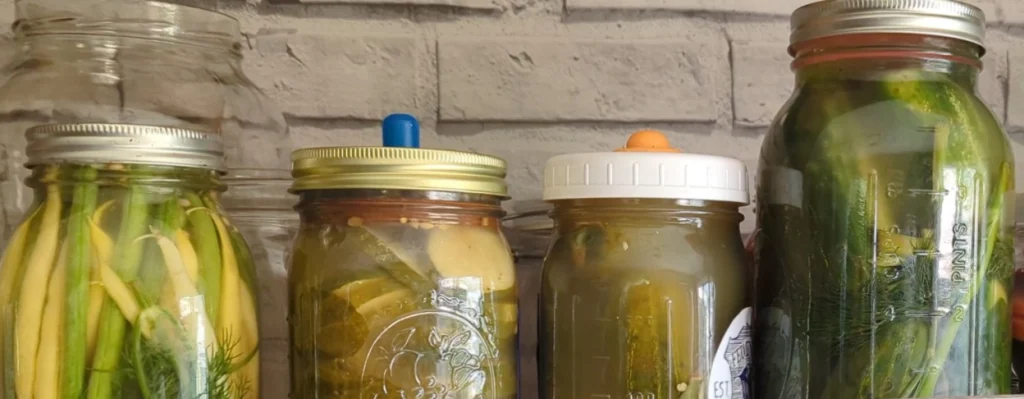
The burgeoning interest in fermented foods has led to a widespread re-evaluation of traditional food preparation techniques, particularly the nuanced art and science of fermentation. Central to many bacterial ferments, especially those involving vegetables, is the seemingly simple ingredient of salt, chemically known as sodium chloride (NaCl). This staple plays a multifaceted and indispensable role, extending far beyond mere seasoning, influencing everything from microbial selection and food safety to the final flavor and texture of the fermented product. A recent live YouTube series, "Fermentation FAQ Friday," regularly delves into such critical topics, offering deep dives into the science and practice of fermentation, with a recent episode specifically addressing the pivotal question: "How Important is SALT?"
The Indispensable Role of Salt in Bacterial Fermentation
For millennia, salt has served as a cornerstone of food preservation. In the context of bacterial fermentation, particularly lacto-fermentation common in pickling vegetables, its function is paramount. Salt acts as a selective agent, creating an environment that inhibits the growth of undesirable spoilage microorganisms and pathogenic bacteria while simultaneously favoring the proliferation of beneficial lactic acid bacteria (LAB). This selective pressure is crucial for ensuring both the safety and the desired sensory qualities of the fermented product.
Scientifically, salt exerts its influence primarily through osmotic pressure. When salt is added to vegetables, it draws water out of the plant cells, creating a brine. This process, known as osmosis, effectively reduces the water activity (aw) within the fermenting environment. Most spoilage bacteria and pathogens require higher water activity to thrive. LAB, however, are generally more salt-tolerant and can metabolize sugars in a lower water activity environment, allowing them to dominate the microbial landscape. This dominance is essential, as LAB produce lactic acid, which further lowers the pH of the ferment, creating an acidic environment that is inhospitable to most harmful bacteria and contributes to the characteristic tangy flavor.
Beyond its role in microbial selection, salt significantly contributes to the structural integrity and sensory profile of fermented vegetables. By drawing water out of the cells, salt helps to maintain the crispness and firm texture of the vegetables, preventing them from becoming mushy. This is partly due to the strengthening of pectin in the cell walls and the inhibition of enzymes that cause softening. Furthermore, salt is a fundamental flavor enhancer, balancing the acidity and bringing out the complex savory notes developed during fermentation. It prevents the development of off-flavors that can arise from uncontrolled microbial activity, ensuring a clean and palatable product.
The historical timeline of salt’s use in food preservation underscores its enduring importance. Before the advent of refrigeration and modern canning techniques, salt was one of the few reliable methods to extend the shelf life of perishable goods. From ancient Roman garum to traditional Asian fermented vegetables like kimchi and sauerkraut across Europe, salt has been the common denominator, a testament to its effectiveness and versatility in diverse culinary traditions worldwide.
Choosing the Right Salt for Optimal Fermentation Results
The type of salt used in fermentation is not a trivial detail; it can impact the success, safety, and sensory attributes of the final product. Experts in the field, including Austin Durant, founder of Fermenters Club and author of "Fearless Fermenting," consistently advocate for the use of unprocessed, non-iodized natural sea salt. This recommendation is rooted in specific scientific and practical considerations.
Why Unprocessed and Natural? Unprocessed salts, such as natural sea salt, often contain a broader spectrum of trace minerals compared to highly refined table salt. While the direct impact of these trace minerals on the microbial dynamics of fermentation is a subject of ongoing discussion and subtle, some fermenters believe they can contribute to more complex flavor profiles and potentially support a more diverse microbial community. More importantly, unprocessed salts typically lack anti-caking agents. These agents, often silicates or calcium carbonate, are inert but can sometimes make the brine cloudy or, in rare cases, subtly interfere with the fermentation process.
The Crucial Role of Non-Iodized Salt: The most critical distinction lies in the absence of iodine. Iodized salt, which is common for dietary health benefits in many regions, contains iodine or iodides that can inhibit the growth of beneficial lactic acid bacteria. Iodine is an antimicrobial agent, and its presence in the fermenting brine can hinder the very microorganisms we aim to cultivate, potentially leading to stalled fermentation, spoilage, or off-flavors. Therefore, selecting a salt explicitly labeled as non-iodized is a fundamental step for successful fermentation.
Recommended Varieties: A range of non-iodized, unprocessed salts are suitable for fermentation. These include:
- Celtic Sea Salt: Known for its grey hue and high mineral content, harvested from coastal regions.
- Himalayan Pink Salt: Characterized by its distinctive pink color due to iron oxide and a rich mineral profile, sourced from ancient sea beds in Pakistan.
- Kosher Salt (certain types): While some Kosher salts are suitable due to their lack of iodine and anti-caking agents, it’s essential to check the ingredient list. Many brands of Kosher salt are pure sodium chloride, making them excellent choices, but others may contain anti-caking additives. The crystal structure of Kosher salt can also be advantageous for measurement, though weighing salt is always the most accurate method.
- Pickling Salt: This is specifically formulated for pickling and fermenting, being fine-grained, pure sodium chloride without iodine or anti-caking agents.
When selecting salt, consumers are advised to review ingredient labels meticulously to ensure the absence of iodine and anti-caking agents. While certain brands are recommended by experts, the underlying principle is purity and the absence of inhibitory additives.
Dispelling the "No-Salt" Myth in Vegetable Fermentation
A common query among aspiring fermenters, particularly those concerned about sodium intake, revolves around the possibility of fermenting without salt. For styles of fermentation that rely on spontaneous bacterial growth from the environment, such as the pickling of vegetables, the unequivocal short answer is no. Omitting salt in these contexts carries significant risks and almost certainly leads to undesirable outcomes.
The Perils of Salt Omission: Without salt, the carefully balanced ecosystem required for successful lacto-fermentation collapses. The absence of salt’s selective pressure creates a "microbial free-for-all." This means that instead of beneficial lactic acid bacteria dominating, a wide array of opportunistic microorganisms—including molds, yeasts, and various spoilage bacteria—will thrive unchecked. The immediate consequences are typically:
- Mold Growth: The surface of the ferment will likely develop fuzzy, discolored mold, indicating spoilage.
- Mushiness: Enzymes naturally present in the vegetables, which would normally be inhibited by salt and acidity, will break down cell walls rapidly, resulting in a soft, unappetizing, and often slimy texture.
- Off-Flavors and Odors: The uncontrolled growth of various microbes produces undesirable metabolites, leading to foul smells and unpleasant tastes.
- Food Safety Concerns: Critically, without salt to inhibit pathogens and the rapid acidification provided by LAB, there is an elevated risk of harmful bacteria flourishing. While highly pathogenic bacteria like Clostridium botulinum are less common in typical vegetable ferments due to oxygen exposure and other factors, the general principle of maintaining a safe microbial environment is compromised, increasing the potential for foodborne illness.
Exceptions to the Rule: It is crucial to understand that the strict requirement for salt does not apply universally to all styles of fermentation. Many other forms of fermentation utilize specific starter cultures that are intentionally introduced to dominate the microbial environment, thereby bypassing the need for salt as a primary selective agent. Examples include:
- Kombucha: Fermented tea using a SCOBY (Symbiotic Culture Of Bacteria and Yeast).
- Kefir: Fermented milk or water using kefir grains.
- Tempeh: Fermented soybeans using a Rhizopus fungal culture.
- Sourdough: Fermented flour and water using a sourdough starter (a symbiotic culture of yeast and LAB).
- Yogurt: Fermented milk using specific thermophilic bacterial cultures.
In these cases, the starter culture itself provides the necessary microbial control, acidification, or enzymatic activity, making salt either unnecessary or used solely for flavor enhancement rather than microbial selection.
Addressing Sodium Concerns: For individuals monitoring their sodium intake, such as those with hypertension or other health conditions, the salt content of fermented vegetables can be a concern. Austin Durant suggests a practical solution: "If consuming salt is a concern, you can lightly rinse fermented vegetables under cool water just before consuming. You’ll still get most of the benefits and loads of natural probiotics." This method effectively reduces the surface sodium without significantly diminishing the probiotic benefits, as the beneficial bacteria are largely embedded within the fermented food matrix. It allows individuals to enjoy the gut-health advantages of fermented foods while managing their dietary sodium.
Whey: A Complement, Not a Substitute for Salt
Another common misconception in the fermentation community is the idea that whey can serve as an interchangeable substitute for salt. Whey, the liquid byproduct strained from yogurt or cheese production, is rich in nutrients (lactose, proteins, vitamins, minerals) and often contains its own beneficial probiotic bacteria. It is sometimes added to ferments as a "starter culture" or a nutritional boost. However, it is imperative to understand that whey does not perform the same function as salt in fermentation, and they are not interchangeable components in a recipe.
Distinct Functions:
- Salt’s Function: As previously discussed, salt’s primary roles are selective microbial inhibition (favoring LAB), osmotic control (drawing out water, firming texture), and flavor enhancement. It creates the fundamental conditions for a safe and successful lacto-fermentation.
- Whey’s Function: Whey primarily acts as a source of nutrients and, potentially, an inoculum of lactic acid bacteria. The LAB present in raw whey can help kickstart fermentation and contribute to acidification. Its nutrient content can also provide sustenance for the fermenting microbes.
Why They Are Not Interchangeable: The fundamental difference lies in their mechanisms of action. Whey cannot replicate salt’s ability to create an osmotically controlled environment that inhibits spoilage organisms. While whey might introduce beneficial bacteria, without salt, the overall microbial environment remains susceptible to contamination by undesirable microbes, leading to the same issues of mold, mushiness, and potential safety risks as a salt-free ferment.
Durant aptly describes whey as a "cherry on top" when fermenting: "nice to have but not required for fermentation." While it can be a beneficial addition to accelerate fermentation or add certain nuances, it is not a prerequisite, nor can it replace the foundational role of salt. Its use is often seen in traditional recipes where dairy products are prevalent, but even then, salt typically plays its distinct role in conjunction with whey. For vegetable ferments, relying solely on whey without salt is a recipe for failure and potential food safety hazards.
Expert Insights and Broader Implications
The insights shared by experts like Austin Durant, with his 16 years of experience fermenting food and authoring "Fearless Fermenting," are crucial for guiding both novice and experienced fermenters. His work through Fermenters Club and his book aims to demystify fermentation, making it accessible and safe for home enthusiasts. His emphasis on foundational principles, such as the correct use of salt, underscores a commitment to both culinary excellence and public health.
The growing popularity of fermented foods is intrinsically linked to increasing scientific understanding of the human microbiome and gut health. Fermented foods are celebrated for their rich probiotic content, which can contribute to a diverse and healthy gut flora, potentially impacting digestion, immunity, and even mental well-being. However, to harness these benefits safely and effectively, adherence to proper fermentation protocols, with salt as a critical component, is non-negotiable for many popular ferments.
Implications for Home Fermenters and the Food Industry:
- Education and Safety: The clear articulation of salt’s role serves as a vital educational tool, preventing common mistakes that can lead to spoilage or unsafe products. It empowers home fermenters to approach their craft with confidence and knowledge.
- Product Development: For the food industry, understanding the precise functions of salt informs the development of commercial fermented products, ensuring consistency, safety, and desirable sensory attributes. Innovations in low-sodium fermented foods must carefully navigate the microbiological challenges to maintain product integrity.
- Dietary Guidance: The discussion around rinsing fermented vegetables provides valuable practical advice for individuals seeking to balance the health benefits of probiotics with dietary restrictions, promoting inclusivity in the consumption of these beneficial foods.
Austin Durant’s holistic approach, evident in his engagement with permaculture gardening, cooking, yoga, and studying cosmology, reflects a broader philosophical perspective that views food as interconnected with well-being and the environment. This perspective further reinforces the importance of understanding the fundamental principles of food preparation, such as fermentation, as part of a larger commitment to sustainable and healthy living.
In conclusion, salt is far more than a seasoning agent in the realm of bacterial fermentation. It is a critical environmental modulator, a selective agent for beneficial microbes, a protector of texture, and a foundational element for flavor development and food safety. Disregarding its role, particularly in vegetable ferments, invites microbial chaos and potential health risks. Through continued education and adherence to established practices, the art and science of fermentation can continue to enrich culinary traditions and contribute positively to human health worldwide.


