
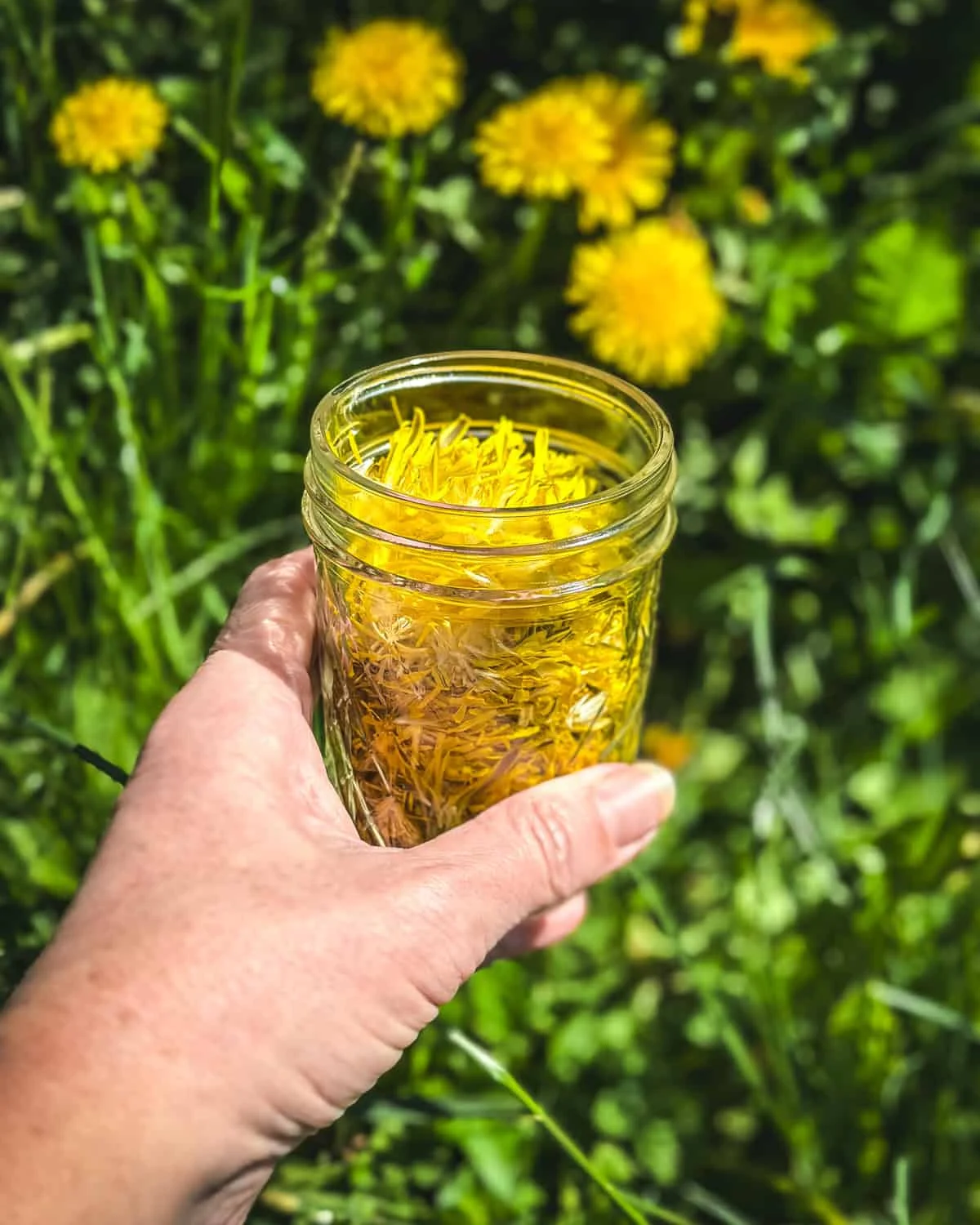
The arrival of spring has historically been marked by the blooming of the dandelion, a plant frequently dismissed as a persistent garden weed but increasingly recognized by culinary experts and botanists as a versatile and nutrient-dense resource. In recent years, the practice of foraging has moved from the fringes of survivalism into the mainstream of artisanal baking, with dandelion bread emerging as a primary example of this "back-to-the-earth" movement. This transition represents a significant shift in the perception of backyard flora, moving from a culture of chemical eradication toward one of sustainable consumption and botanical appreciation. By utilizing the sweet, honey-scented petals of the dandelion (Taraxacum officinale) and pairing them with bright citrus elements, home bakers are reviving traditional recipes that celebrate the resilience and utility of wild-harvested ingredients.
The Botanical Profile and Historical Context of the Dandelion
The common dandelion is a perennial herbaceous plant that was intentionally introduced to North America by European settlers in the 17th century. Unlike the modern view of the plant as an invasive pest, early colonists valued the dandelion for its hardiness and its dual role as a food source and a medicinal herb. The plant’s ability to thrive in a variety of soil conditions, including the compacted soils of urban environments, is a testament to its evolutionary resilience.
Historically, every part of the dandelion has served a purpose. The roots were often dried and roasted as a caffeine-free coffee substitute, particularly during periods of economic hardship or wartime rationing. The leaves, known for their sharp, bitter profile, were utilized in early spring "pot greens" to provide essential vitamins after long winters of limited fresh produce. The flowers, meanwhile, were fermented into wine or incorporated into preserves. The current resurgence of interest in dandelion bread is a modern continuation of these historical practices, reflecting a growing consumer desire for food transparency and the utilization of local, uncultivated resources.
The Chronology of the Spring Harvest
The lifecycle of the dandelion dictates a specific timeline for culinary use, particularly for those seeking to bake with the petals. The process begins in mid-to-late spring when temperatures consistently rise, triggering the mass blooming of the yellow composite flowers.
- Identification and Site Selection: The first phase of the harvest involves locating a clean, unsprayed source. Journalistic investigations into urban foraging emphasize the necessity of avoiding areas treated with herbicides or pesticides, as well as locations near high-traffic roadways where soil may be contaminated with heavy metals.
- Timing the Harvest: Foraging experts recommend harvesting dandelions in the mid-morning, shortly after the dew has evaporated and the flower heads have fully opened in the sunlight. This ensures the petals are at their peak fragrance and moisture content.
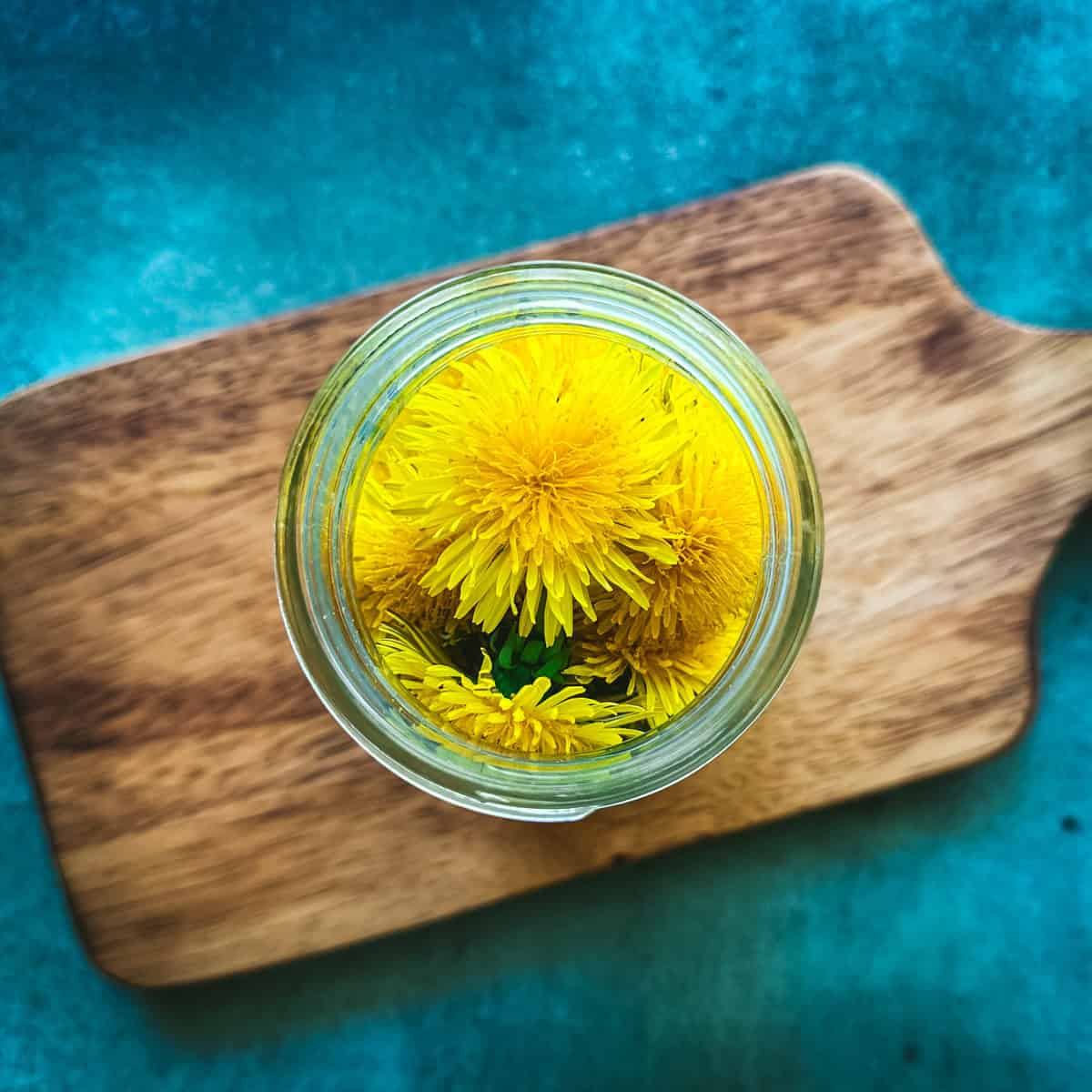
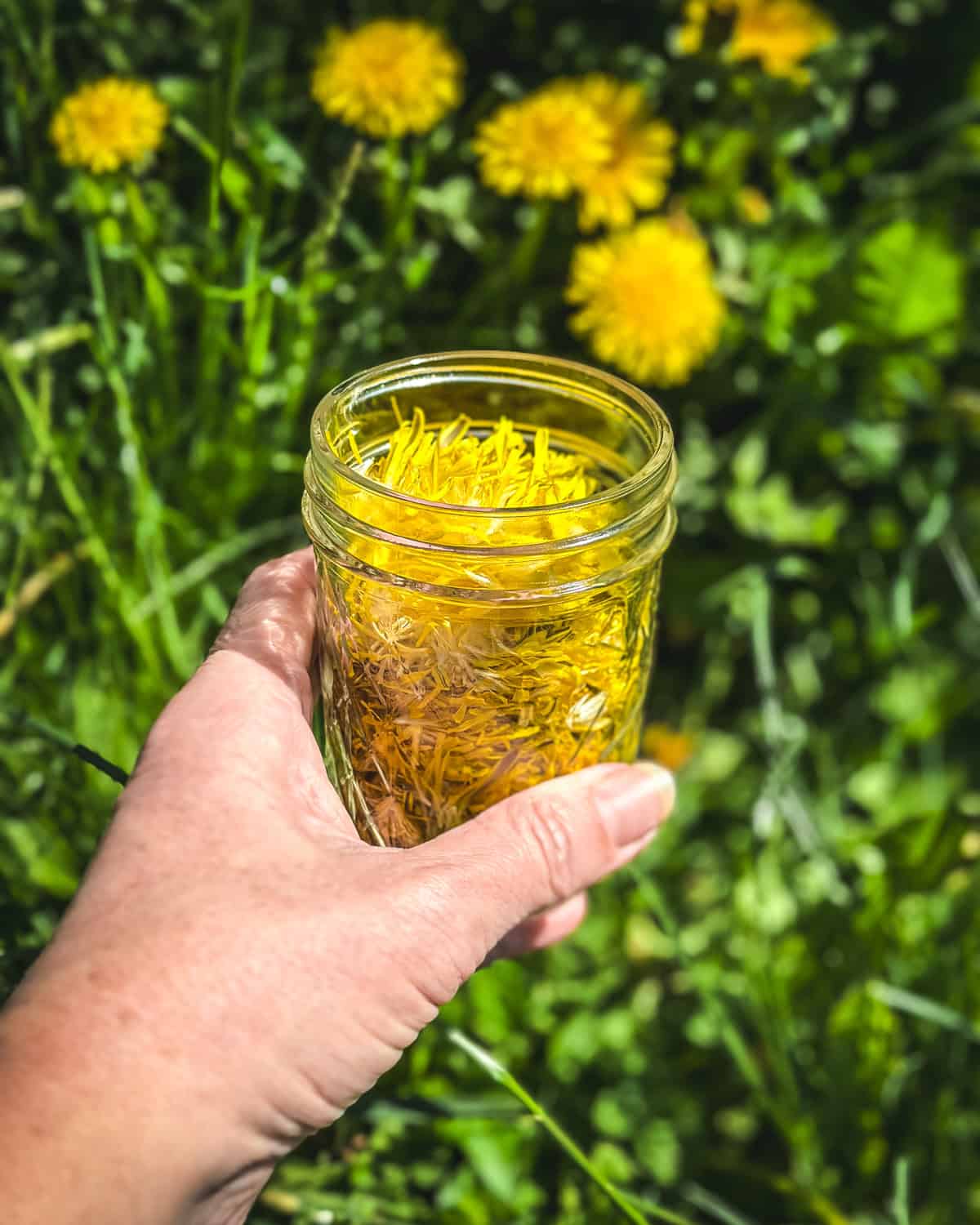
- Processing the Petals: Once collected, the flowers must undergo a labor-intensive preparation. The yellow petals are separated from the green base (the involucre and phyllaries), which contains a milky latex that is highly bitter. This separation is crucial for recipes like dandelion bread, where a sweet, floral flavor is the desired outcome.
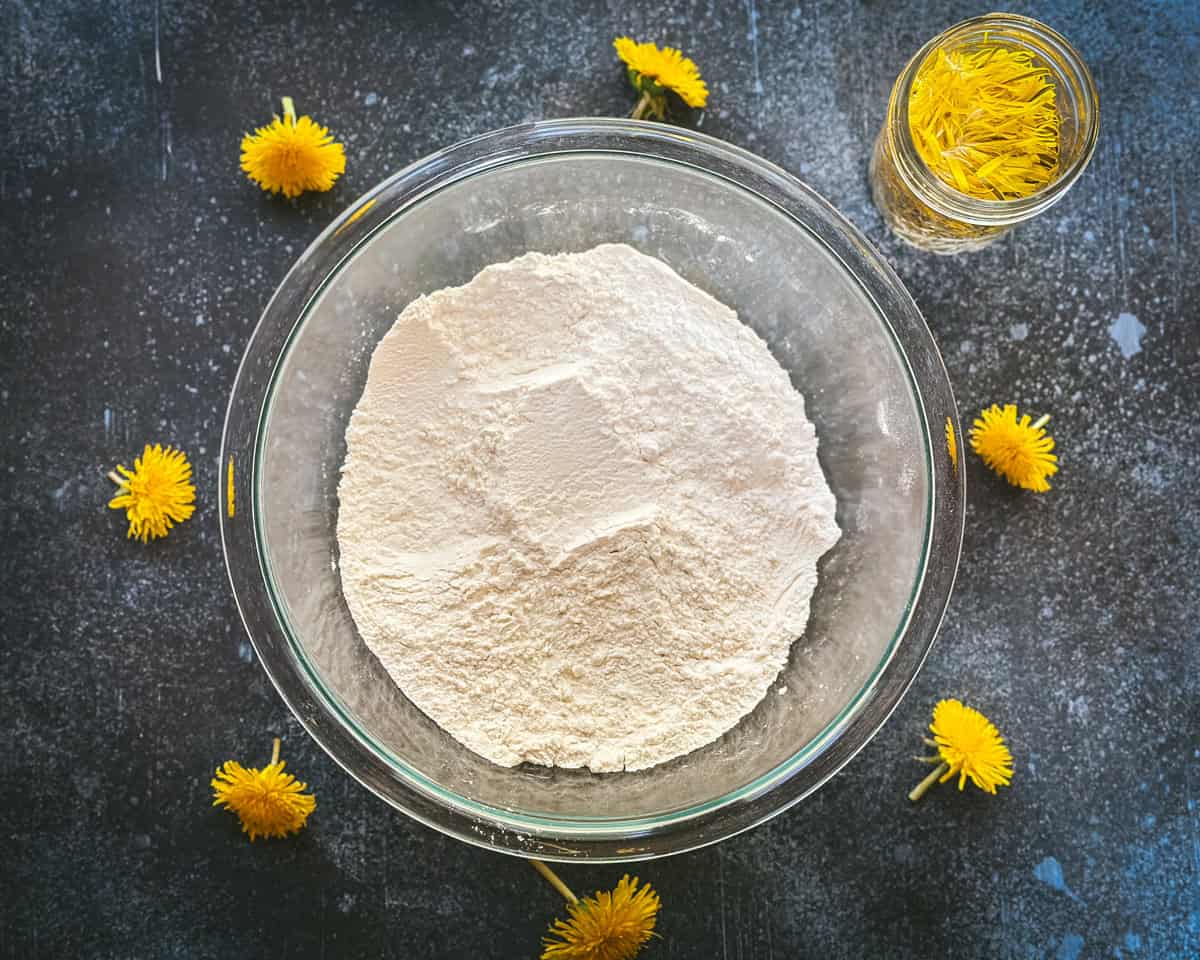
- Culinary Integration: The prepared petals are then integrated into a batter, typically a quick-bread base that utilizes leavening agents like baking powder rather than yeast. This allows for a denser, more cake-like texture that complements the delicate nature of the flowers.
Nutritional and Scientific Supporting Data
Recent scientific inquiries have provided a foundation for the long-held traditional beliefs regarding the health benefits of dandelions. According to data published in various nutritional journals, dandelions are a rich source of vitamins A, C, and K, as well as minerals such as calcium, potassium, and iron.
Beyond basic nutrition, research into the phytochemical properties of Taraxacum officinale suggests more complex biological impacts. Studies indexed in the National Institutes of Health (NIH) PubMed database have demonstrated that dandelion preparations exhibit significant antioxidant potential. Specifically, the petals have been found to contain high levels of polyphenols and flavonoids, which are compounds known to combat oxidative stress in the human body.
Furthermore, research indicates that the active components in dandelions may play a role in modulating hemostatic processes, which are the body’s mechanisms for stopping bleeding. While clinical trials are ongoing to determine the precise dosage and efficacy required for therapeutic use, the inclusion of these flowers in daily diets is increasingly supported by those in the field of functional medicine. The bitterness of the leaves and roots is attributed to sesquiterpene lactones, which are believed to stimulate digestion and liver function, though these parts are typically excluded from the sweeter bread recipes to maintain palatability for a general audience.
The Technical Execution of Dandelion Bread
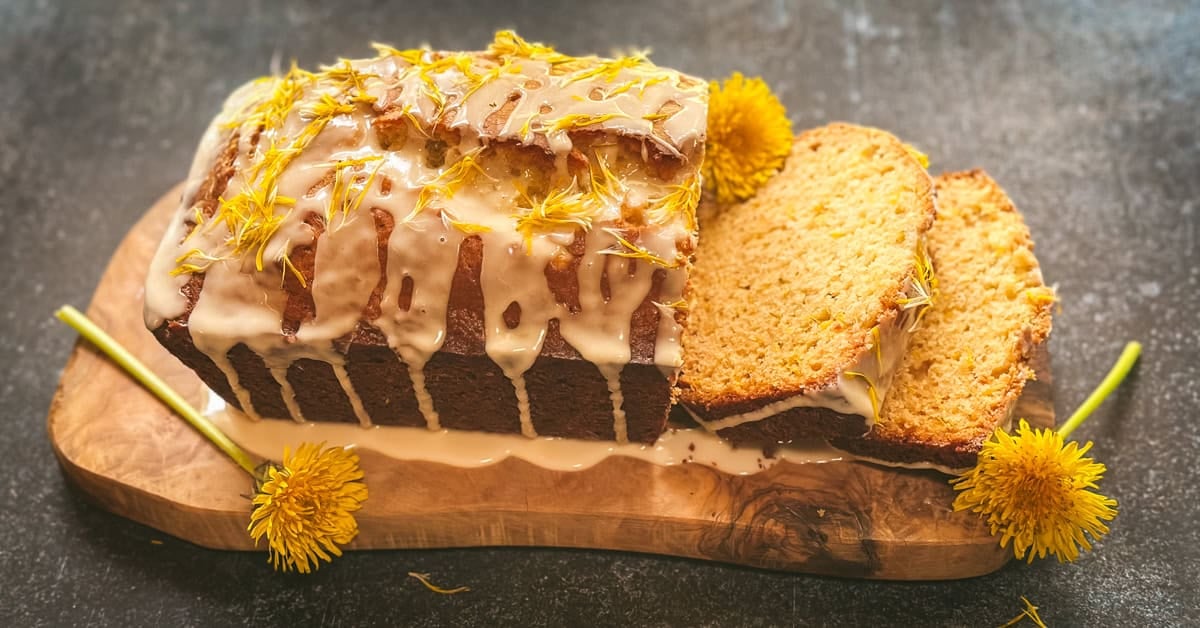
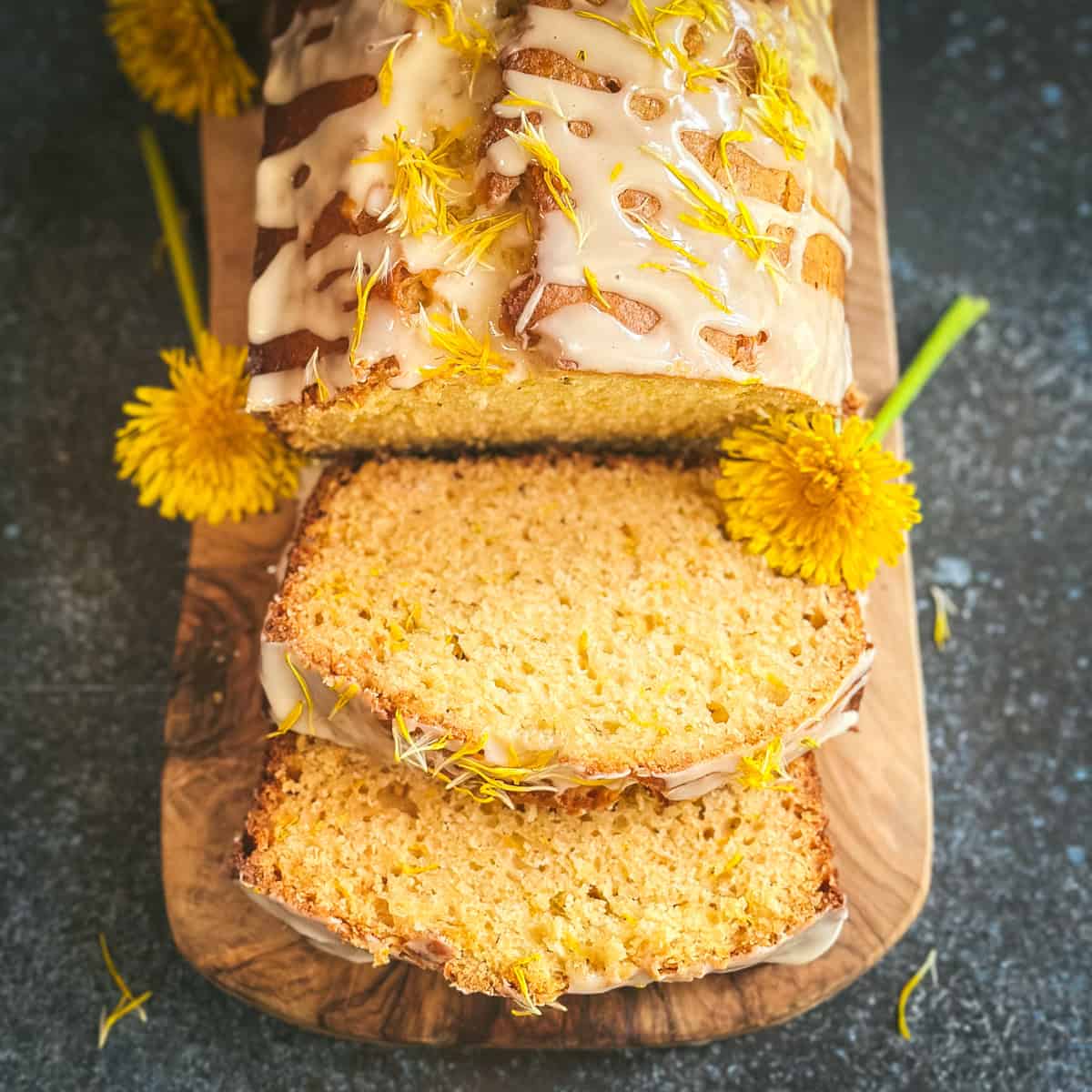
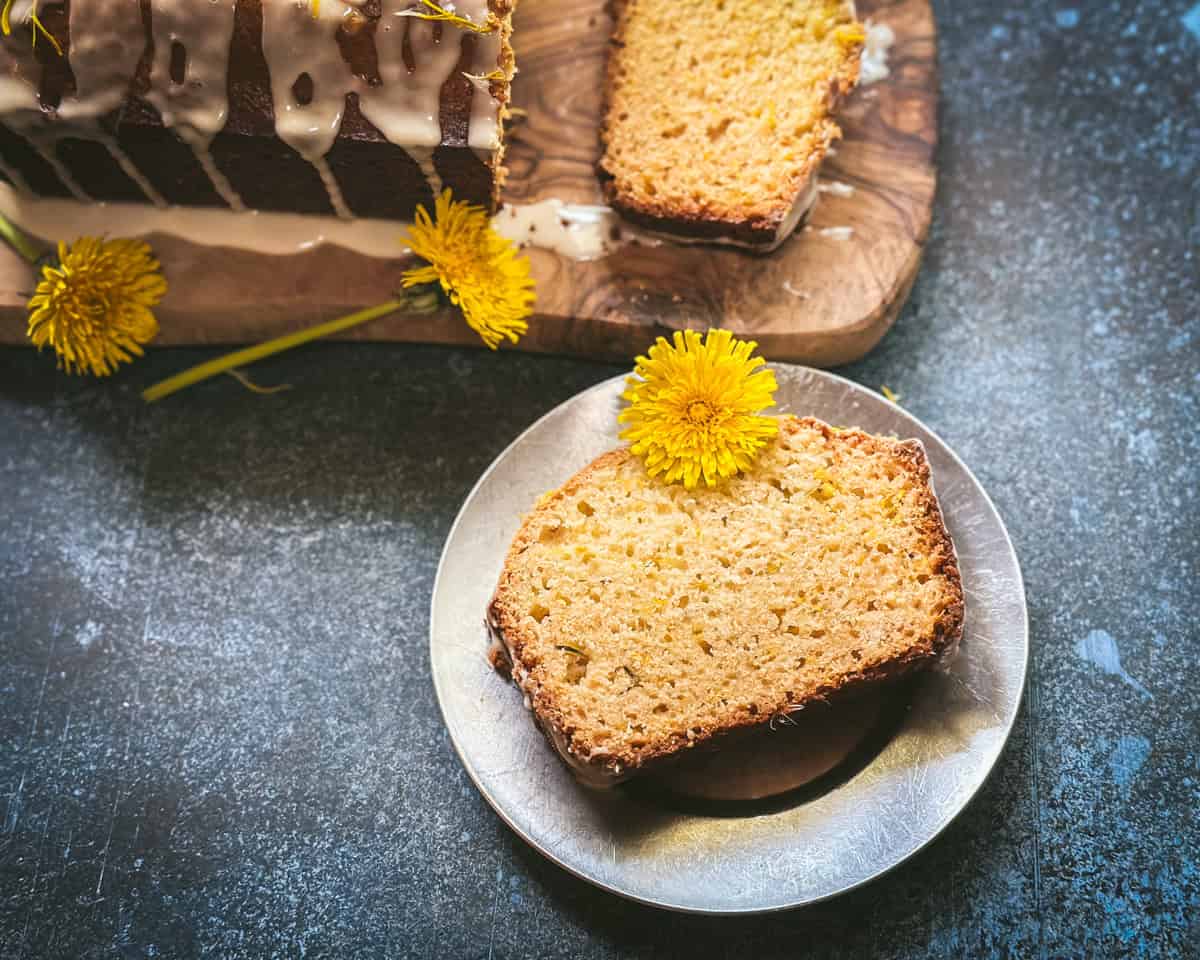
The production of dandelion bread is an exercise in balancing the rustic nature of foraged ingredients with the precision of modern baking. The recipe serves as a vehicle for the "honey-tasting" petals, which provide subtle floral notes and a unique visual aesthetic to the finished loaf.
Ingredient Synergy:
The typical composition of dandelion bread includes all-purpose flour, a leavening agent, and a fat source—most commonly organic canola or avocado oil—to ensure a moist crumb. The addition of honey serves a dual purpose: it acts as a sweetener that mirrors the natural flavor profile of the petals and functions as a humectant to extend the bread’s shelf life.
The Role of the Citrus Glaze:
A critical component of the modern dandelion bread preparation is the honey-lemon glaze. From a culinary standpoint, the acidity of the fresh lemon juice cuts through the density of the quick bread and highlights the floral characteristics of the dandelion. This "brightening" effect is a common technique in professional pastry arts, used to elevate simple flavors into a more complex sensory experience.
Baking Parameters:
Standard baking procedures involve a moderate oven temperature of 350°F (175°C). The inclusion of floral matter requires careful monitoring; bakers often utilize aluminum foil to cover the loaf in the final stages of baking to prevent the sugars in the honey and petals from over-browning. The cooling process is equally vital, as it allows the internal structure of the bread to set before the glaze is applied, preventing the sugar from melting into the crumb and becoming overly saturated.

Expert Responses and Educational Outreach
The rise of foraging has led to a surge in educational resources aimed at bridging the gap between botanical science and home cooking. Experts in the field of "wildcrafting" emphasize that the primary barrier to the widespread adoption of dandelion-based foods is a lack of confidence in identification and safety.
In response to this, digital platforms and ebooks, such as those focusing on backyard weeds and edible flowers, have become essential tools for the modern forager. These resources provide straightforward techniques for identification and standardized recipes that ensure safety and consistency. Educators argue that by teaching the public to recognize the utility of dandelions, they are fostering a more profound connection to the local ecosystem and encouraging more sustainable land-management practices.

"Dandelions are humble and resilient heroes in the world of wild weeds," notes a prominent foraging instructor. "The more recipes we can make with them, the more we shift the narrative from seeing nature as something to be controlled to seeing it as something to be integrated into our lives."
Environmental and Economic Implications
The shift toward utilizing dandelions also carries significant environmental implications. The "No Mow May" movement, which encourages homeowners to allow dandelions and other wild flowers to grow during the early spring, is designed to support pollinator populations. Dandelions are among the first consistent food sources for bees and other insects emerging from winter dormancy.
From an economic perspective, the utilization of "free" foraged foods provides a minor but notable relief to grocery budgets, especially as the cost of fresh produce continues to fluctuate. While dandelion bread remains a niche artisanal product, the underlying principles of foraging align with broader trends in the "circular economy," where waste is minimized and local resources are maximized.
Conclusion: The Future of Wild-Harvested Foods
The dandelion bread trend is more than a fleeting culinary fad; it is a reflection of a deeper cultural movement toward re-evaluating the natural world. As urban and suburban residents seek ways to reduce their environmental footprint and improve their nutritional intake, the common dandelion stands ready as a resilient and abundant candidate for culinary exploration.
By combining scientific data on antioxidant properties with traditional baking methods, the modern dandelion loaf represents a fusion of history, health, and horticulture. As spring continues to warm the landscape, the sight of yellow-flecked fields may increasingly be seen not as a call to reach for herbicides, but as an invitation to the kitchen. Through the simple act of baking bread, the dandelion is reclaiming its historical status as a symbol of comfort, health, and the enduring resilience of the natural world.


