The rise of sustainable living and an increasing consumer interest in long-term food security have propelled home dehydration technology into the mainstream of kitchen appliances. Among the leading contenders in this market is Cosori, a brand that has garnered significant attention for its balance of aesthetic design, functional efficiency, and competitive pricing. This report provides an in-depth analysis of the Cosori food dehydrator series, focusing on the 6-tray and 10-tray stainless steel models, their operational performance, and their impact on the home food preservation landscape.
The Evolution of Home Food Preservation Technology
Food dehydration is one of the oldest methods of preservation, traditionally relying on sun and wind. However, the modern kitchen demands precision and speed. The transition from plastic, vertical-stacking dehydrators to stainless steel, horizontal-airflow machines represents a significant leap in domestic food technology. Cosori has positioned itself at the forefront of this transition, offering machines that mimic industrial dehydration processes on a countertop scale.
The primary appeal of the Cosori line, particularly the CP267-FD (6-tray) and its larger 10-tray counterpart, lies in the horizontal airflow system. Unlike vertical models where heat originates from the bottom—often leading to uneven drying and flavor contamination—the Cosori units utilize a rear-mounted fan. This configuration ensures that heated air is distributed evenly across all trays, a critical factor for safety when dehydrating meats for jerky or preserving high-moisture fruits.
Technical Specifications and Design Architecture
The Cosori 6-tray dehydrator is engineered with a focus on durability and user interface. Constructed primarily of food-grade stainless steel, the unit avoids the BPA-related concerns often associated with plastic alternatives. The exterior dimensions are optimized for standard kitchen countertops, while the interior provides approximately 6.5 square feet of drying space.
Key technical specifications for the 6-tray model include:
- Power Supply: 120V, 60Hz (specifically designed for North American electrical grids).
- Wattage: 600 Watts.
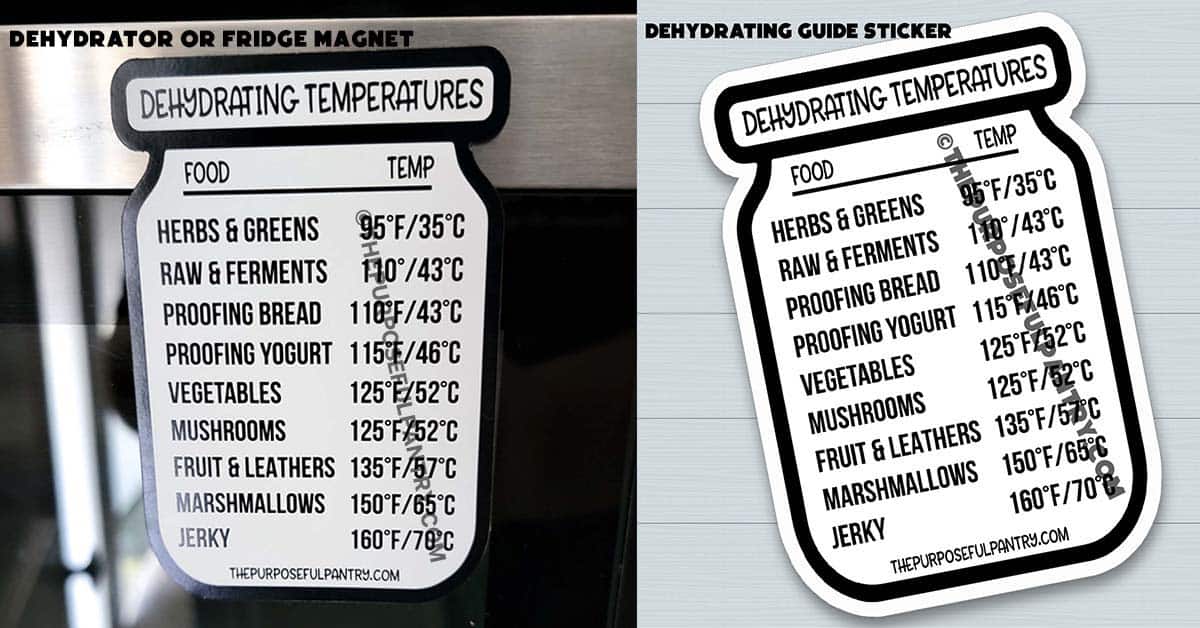
- Temperature Range: 95°F to 165°F (35°C to 73°C), adjustable in 1-degree increments.
- Timer: Integrated digital timer ranging from 30 minutes to 48 hours.
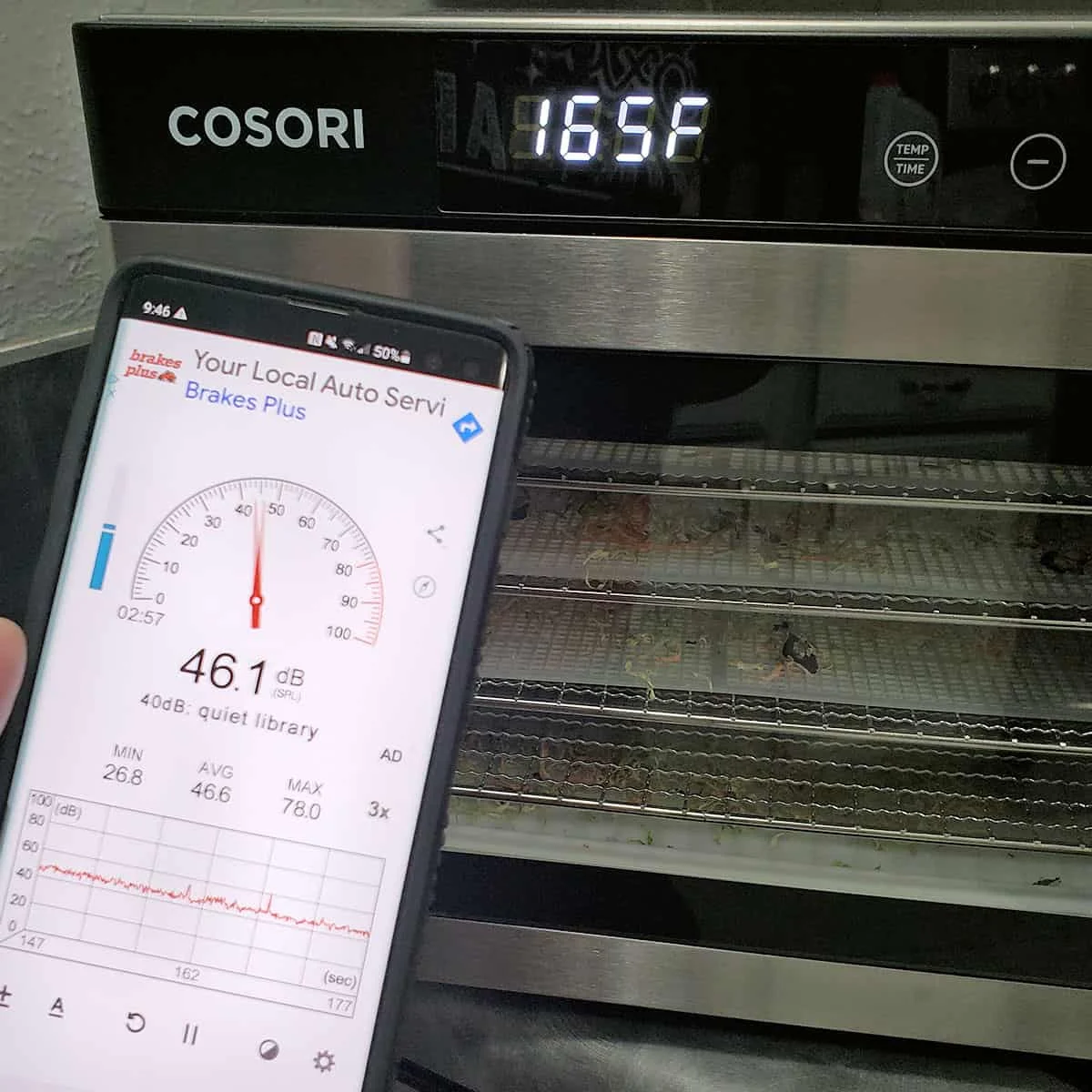
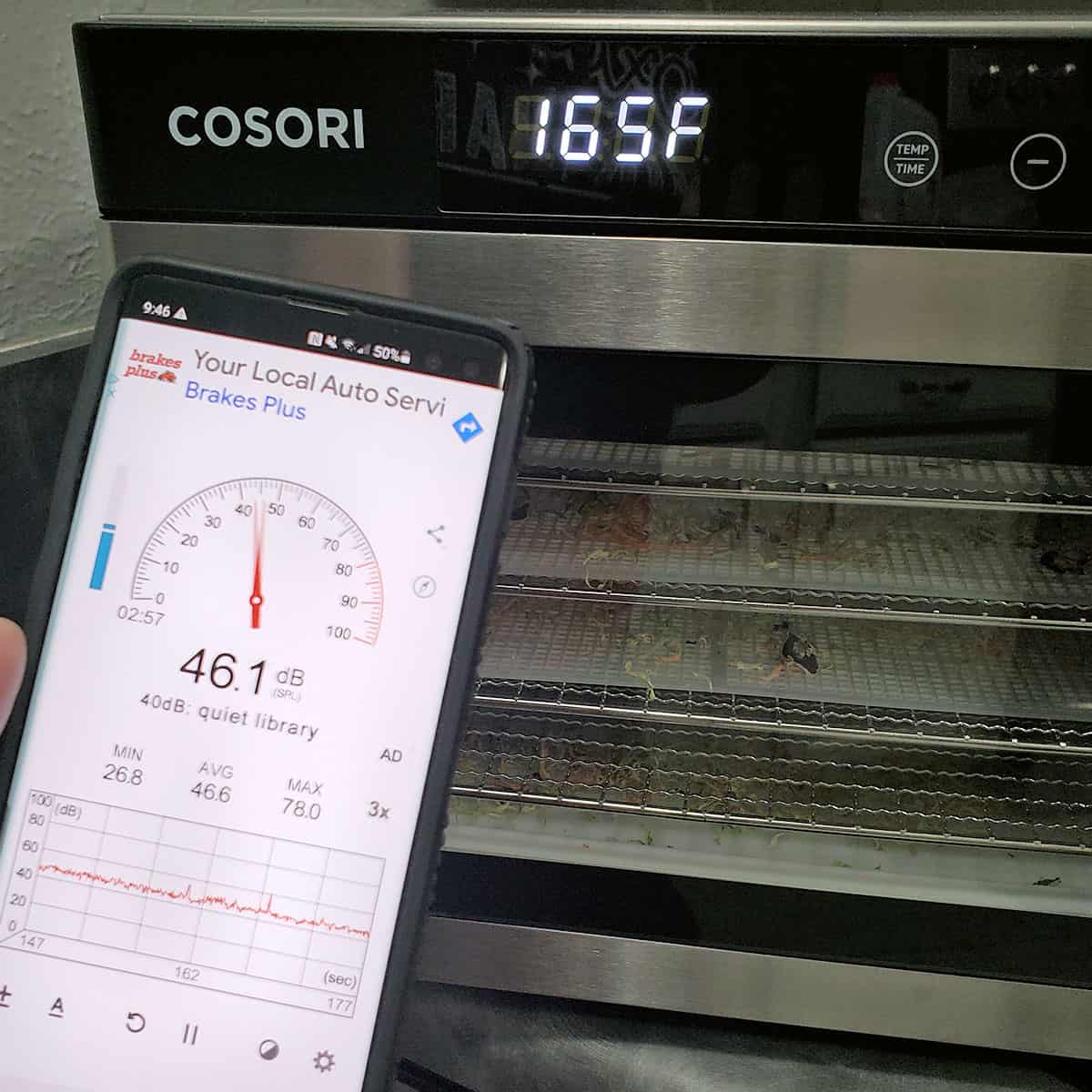
- Noise Level: Rated at approximately 48 decibels, which is comparable to a quiet library or a modern dishwasher.
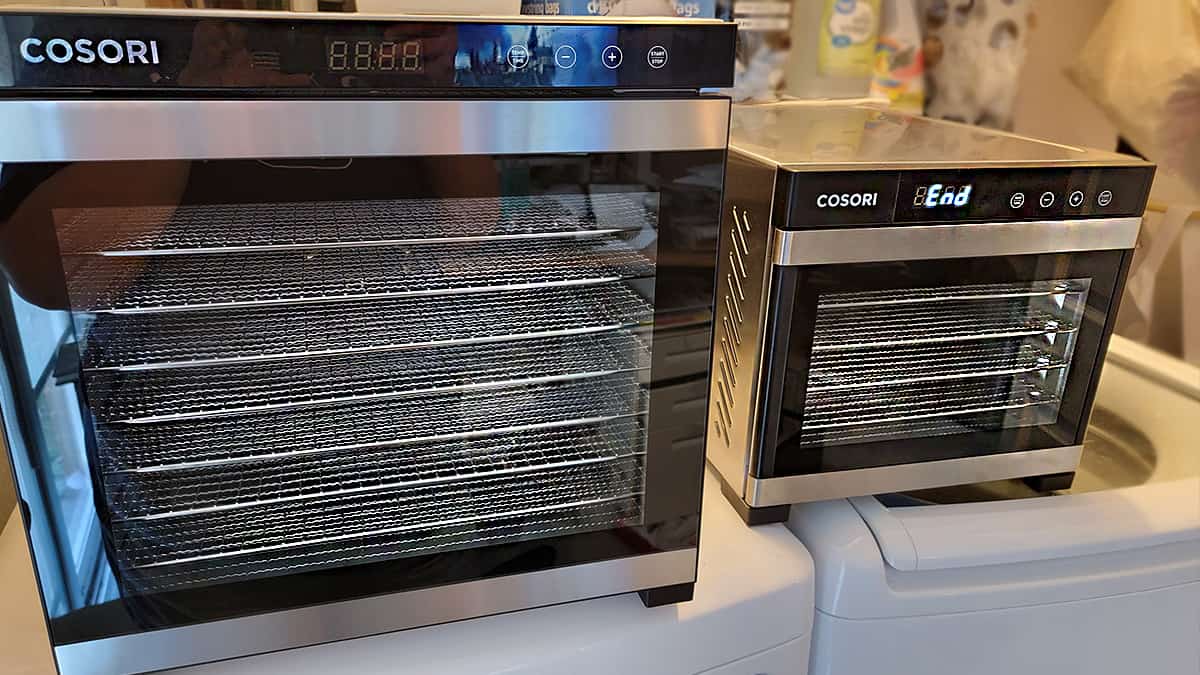
The 10-tray model offers higher wattage to accommodate the larger internal volume, though empirical testing suggests that the drying times remain consistent between the two models when loaded to capacity. The choice between the two generally depends on the user’s volume requirements rather than a need for increased drying speed.
Operational Performance and User Experience
In real-world applications, the Cosori dehydrator is noted for its "set it and forget it" capability. The digital control panel, located at the top front of the machine, allows for precise calibration. This precision is vital for complying with food safety standards; for instance, poultry and meat must reach specific internal temperatures to eliminate pathogens like Salmonella and E. coli, a task the Cosori handles by maintaining a steady 165°F.
One of the most praised features in consumer reports is the machine’s acoustic profile. Many traditional dehydrators produce a high-pitched whine or loud mechanical hum that can be disruptive in an open-plan home. The Cosori’s rear-mounted fan is engineered for laminar flow, reducing turbulence and resulting in a low-frequency hum that users find unobtrusive even during overnight operation.
However, the user experience is not without its critiques. A notable operational quirk involves the lack of a "pause" function. When the glass door is opened to check the progress of the food, the internal sensors do not automatically pause the timer. If the door remains open for an extended period, the system may reset, requiring the user to re-input the remaining time. Furthermore, while the machine includes a limited number of mesh liners and fruit leather sheets, consumer feedback consistently suggests that a full set of liners for every tray should be standard to prevent smaller items, such as herbs or berries, from falling through the stainless steel grates.
Chronology of Market Entry and Brand Development
Cosori is a brand under the umbrella of Vesync Co., Ltd., a company that has seen rapid growth in the small home appliance sector. While the brand emphasizes that its products are "Designed in California," the manufacturing process is centralized in China, a common model for contemporary electronics firms.
The introduction of the stainless steel dehydrator line approximately five years ago marked a pivot for the brand, moving away from entry-level plastic appliances toward "prosumer" grade equipment. This move coincided with a global surge in gardening and "homesteading" trends, which saw a 30% increase in the sales of food preservation tools between 2020 and 2023. Cosori’s timing allowed it to capture a significant market share from legacy brands like Excalibur and Nesco by offering a more modern aesthetic and digital interface at a lower price point.
Safety Standards and Regulatory Compliance
The Cosori dehydrators are ETL listed, indicating compliance with North American safety standards. The inclusion of an automatic shut-off feature provides a layer of fire safety, preventing the heating element from over-running if the internal temperature exceeds safe thresholds.
A critical aspect of the manufacturer’s guidance is the "duty cycle" of the machine. The official manual specifies that the unit should be allowed to rest for at least two hours after every 48 hours of continuous use. This is a standard recommendation for consumer-grade heating elements to ensure longevity and prevent thermal fatigue in the circuitry.
Regarding material safety, the use of 304-grade stainless steel for the trays ensures that no chemical leaching occurs at high temperatures. The door features a tempered glass panel, which allows for visual monitoring of the dehydration process without releasing heat, further enhancing the energy efficiency of the unit.
Comparative Analysis: Cosori vs. Industry Rivals
When compared to the Ivation 10-Tray or the Magic Mill 7-Tray models, the Cosori often shares similar internal components, suggesting a common manufacturing origin for several brands in this category. However, Cosori distinguishes itself through its customer service infrastructure and warranty support.
While the standard warranty is one year, the brand has established a reputation for responsive digital support. In instances of hardware failure—colloquially referred to as "duds"—Cosori’s protocol typically involves a rapid replacement process, often requiring the consumer to provide video evidence of the malfunction. This streamlined approach to quality control has helped maintain high brand loyalty despite the inherent risks of mass-produced electronics.
Regional Availability and Economic Impact
The expansion of Cosori into the Canadian market represents a strategic move to dominate the North American geography. Previously, Canadian consumers faced high import fees and shipping delays for high-quality dehydrators. The local availability through major e-commerce platforms has leveled the playing field, making professional-grade preservation accessible to a broader demographic.
The economic implications of home dehydration are significant. By allowing consumers to purchase bulk produce at peak season—or preserve garden surpluses—these machines contribute to a reduction in household food waste. Analysts estimate that a high-efficiency dehydrator can pay for itself within 18 months through savings on commercially dried snacks and reduced spoilage of fresh goods.
Broader Implications for Food Security and Sustainability
Beyond the convenience of making apple chips or beef jerky, the proliferation of machines like the Cosori reflects a shift in consumer psychology. There is a growing movement toward "pantry building"—the practice of maintaining a six-to-twelve-month supply of food. Dehydration is a cornerstone of this movement because dried foods are lightweight, shelf-stable for years when stored correctly, and retain up to 90% of their original nutritional value.
The environmental impact is also noteworthy. Dehydrated foods require no refrigeration, reducing the ongoing carbon footprint of food storage. Furthermore, the ability to create "pantry powders" from wilting vegetables (such as grinding dried kale or peppers into nutritional additives) offers a creative solution to the global problem of food waste.
Conclusion and Future Outlook
The Cosori food dehydrator series stands as a robust example of how industrial-style technology can be successfully adapted for the domestic kitchen. Its combination of stainless steel construction, precise digital controls, and quiet operation addresses the primary pain points of previous generations of dehydrators.
As the brand moves forward, the market expects further integration of "smart" technology, potentially including Wi-Fi connectivity for remote monitoring via smartphone applications—a feature already present in Cosori’s air fryer line. For now, the current generation of Cosori dehydrators remains a benchmark for beginners and intermediate food preservationists alike, providing a reliable tool for those looking to take control of their food supply chain.
In an era where the reliability of global food logistics is increasingly scrutinized, the ability to preserve one’s own harvest is more than a hobby; it is a return to fundamental self-sufficiency, facilitated by modern engineering. The Cosori dehydrator, despite minor flaws in accessory packaging and interface logic, represents a significant contribution to this resurgence of the purposeful pantry.