
The burgeoning interest in foraging and wildcrafting has transformed from a niche survivalist skill into a mainstream lifestyle movement, driving significant demand for specialized equipment and educational resources as the holiday season approaches. Market analysts point to a confluence of factors—including a renewed focus on food sovereignty, the rise of the "cottagecore" aesthetic, and an increased public interest in mycological wellness—as the primary catalysts for this growth. Foraging, the act of identifying and harvesting wild plants and fungi, and wildcrafting, the practice of harvesting uncultivated plants for medicinal or craft purposes, now represent a multi-million dollar segment of the outdoor recreation and specialty gift markets. This report examines the essential categories of tools and resources that define the modern forager’s toolkit, ranging from traditional hand-woven baskets to sophisticated mycological cultivation kits.
The Evolution of the Foraging Market
Historically, foraging was a necessity for indigenous populations and rural communities. However, the last decade has seen a dramatic shift in demographics. Data from outdoor industry associations indicate a 25% increase in participation in "nature-based activities" since 2019, with a specific spike in mushroom hunting and botanical identification. This shift is reflected in the retail sector, where specialty retailers report record sales for high-quality, durable gear that bridges the gap between utilitarian survivalism and artisanal craftsmanship.
The chronology of this trend can be traced through the digital landscape. Between 2015 and 2023, social media engagement surrounding wild-harvested foods increased by over 300%. This visibility has demystified the practice, leading to a surge in demand for gift-ready items that facilitate safe and ethical harvesting. Consequently, the gift-giving season now serves as a critical period for the distribution of educational materials and specialized tools that ensure newcomers to the hobby can participate without compromising local ecosystems or personal safety.
Specialized Harvesting Equipment and Sustainable Storage
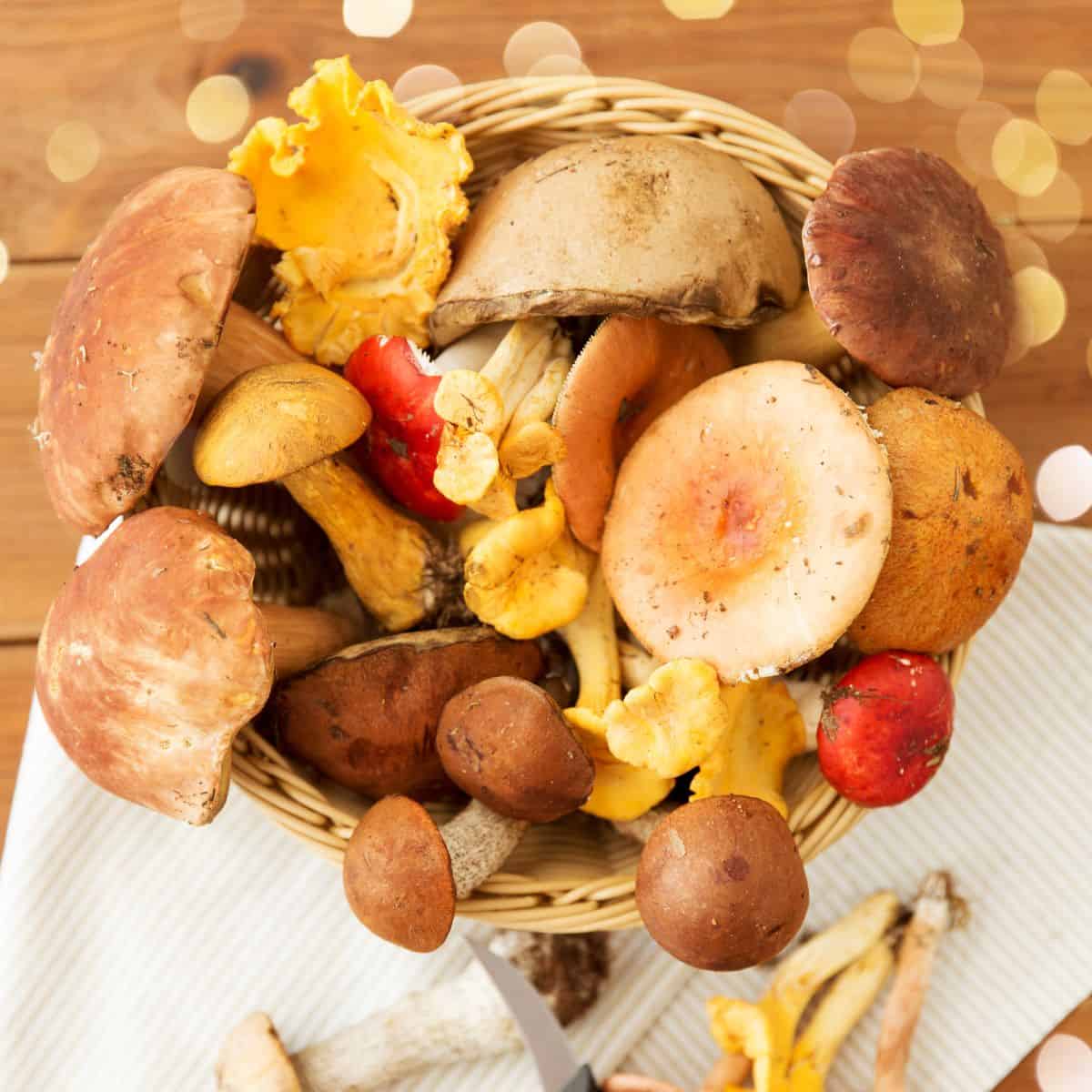
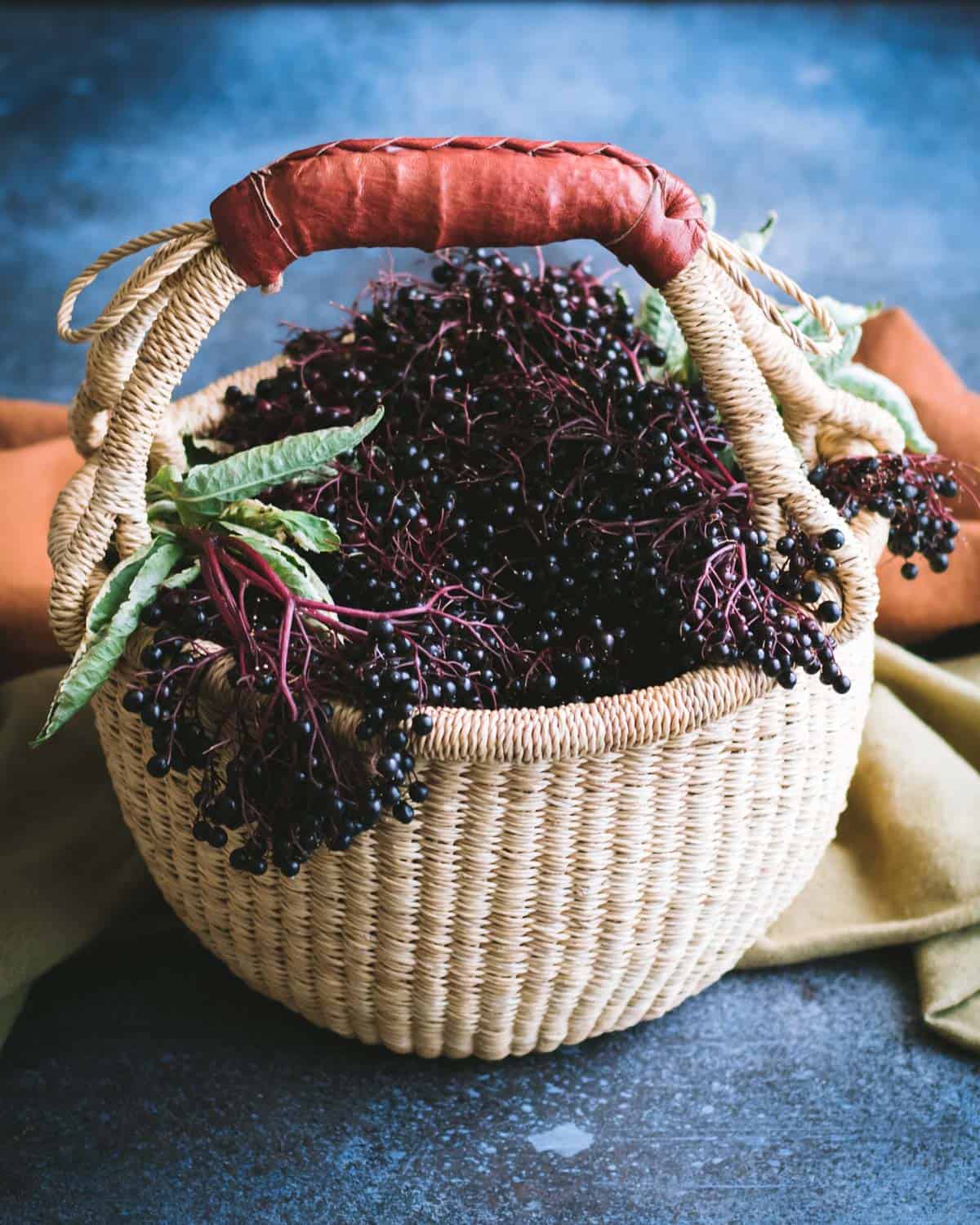
At the core of the forager’s gear is the method of transport. Unlike standard grocery shopping, wild harvesting requires breathable materials to prevent the premature degradation of delicate botanical specimens. Professional-grade fair-trade market baskets have emerged as a primary recommendation for enthusiasts. These vessels, often hand-woven from natural fibers, allow for airflow, which is particularly vital for mushrooms that may otherwise sweat and rot in plastic or synthetic containers.
Market data suggests that consumers are increasingly prioritizing ethical sourcing. Fair-trade baskets, available in varying sizes from small handheld units to large shoulder-slung models, represent a segment of the "slow fashion" and "ethical home" movements. Beyond their utility in the field, these items are marketed for their secondary use as sustainable kitchen storage for produce, aligning with broader consumer trends toward plastic-free living.
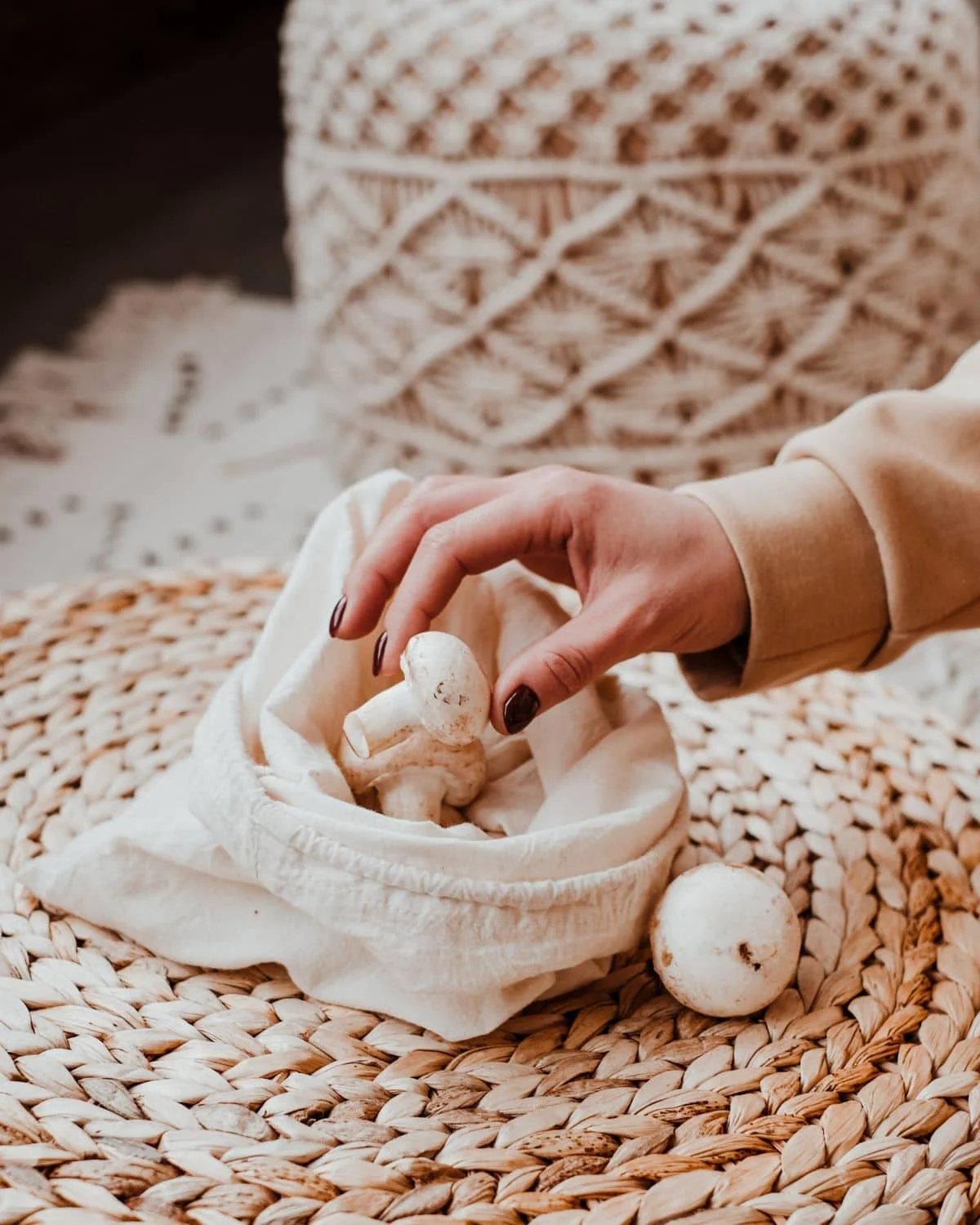
For the more mobile forager, lightweight cloth bags have become a staple. These items are often favored by hikers who may encounter unexpected harvests while on a trail. The portability of these bags—designed to be stowed in backpacks or glove compartments—addresses the spontaneous nature of foraging. Analysts note that the transition from single-use plastic to reusable cotton or canvas foraging bags reflects a wider societal shift toward environmental consciousness.
Precision Tools: The Foraging Knife
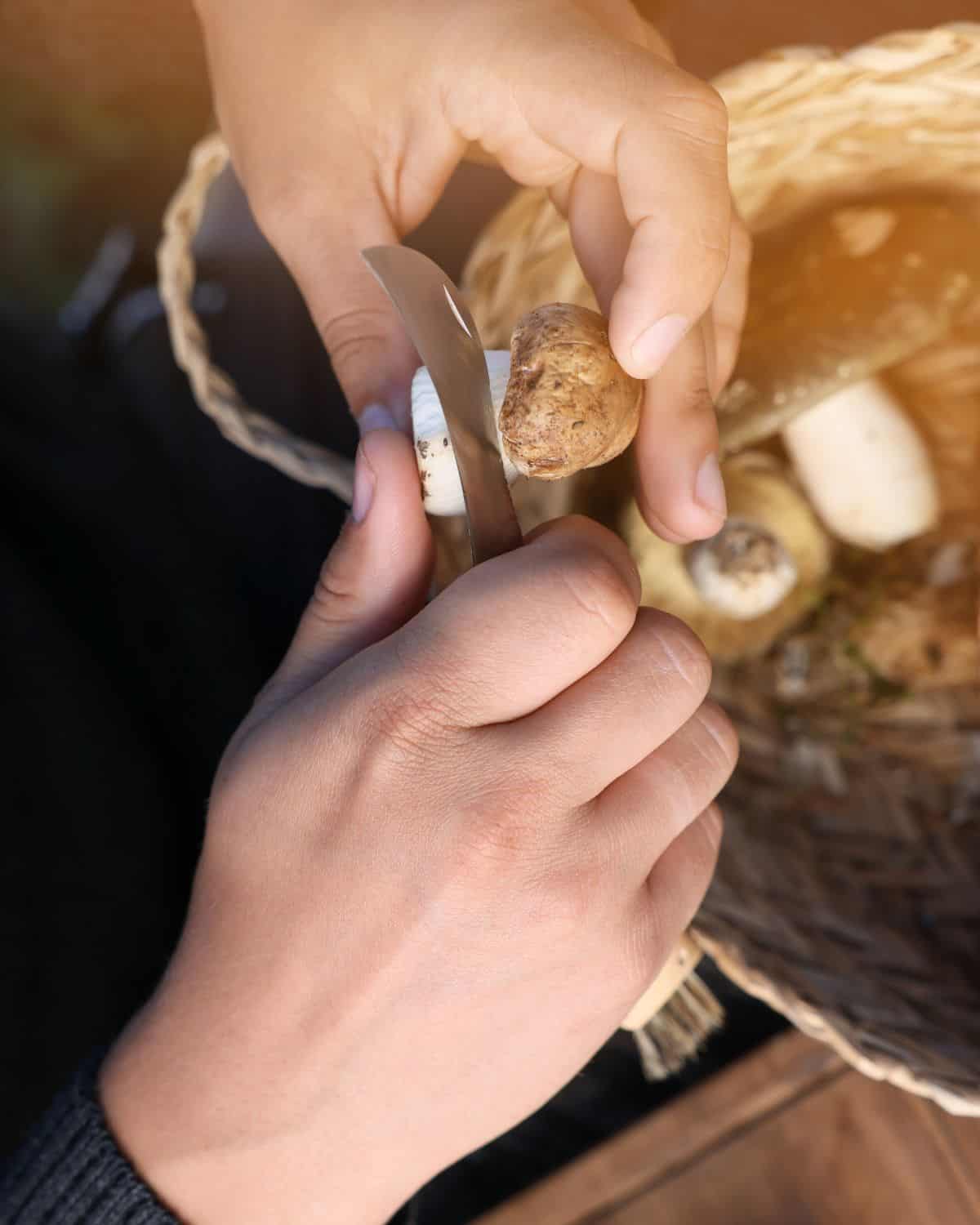
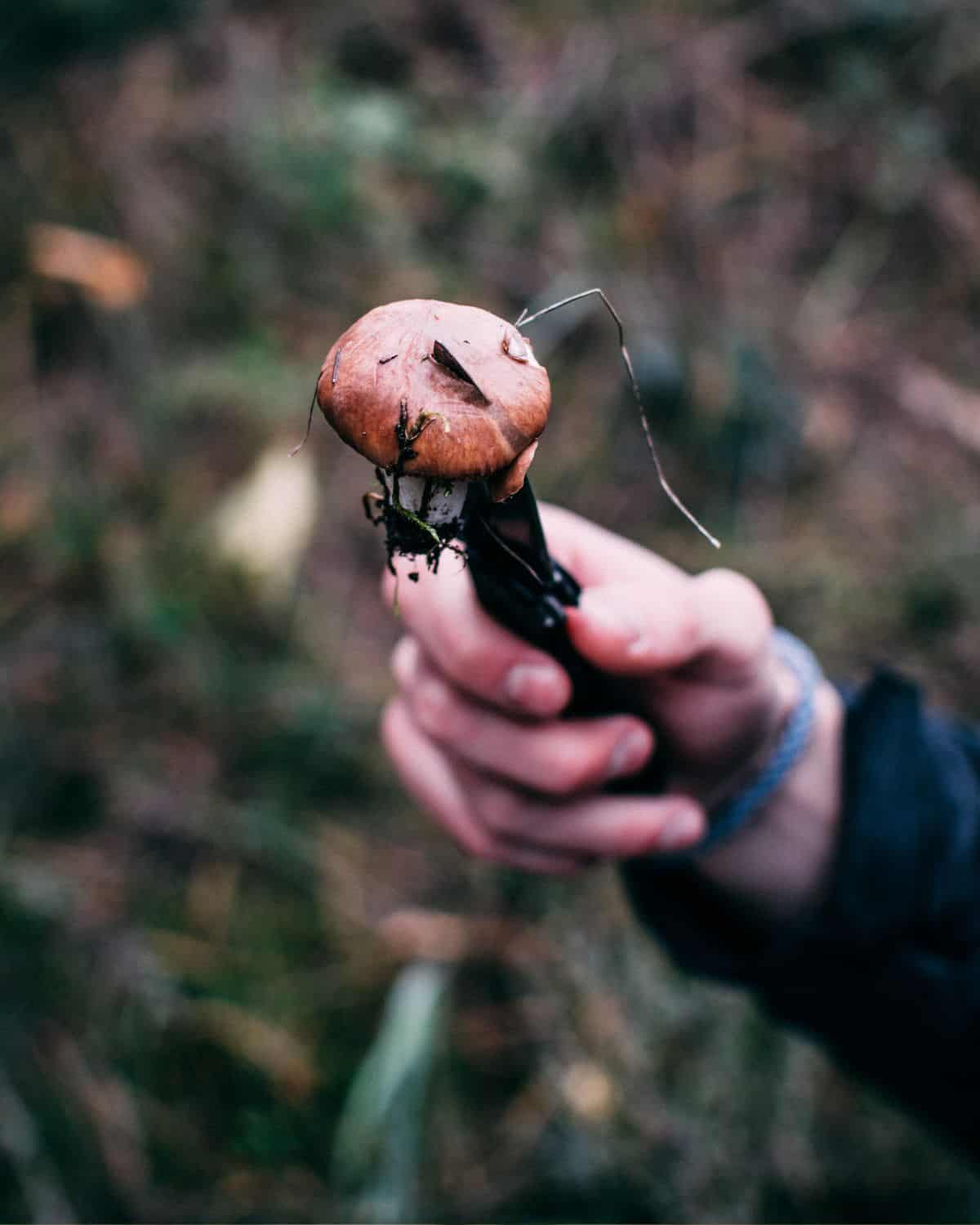
The selection of a foraging knife is a matter of both efficiency and safety. In the mycological community, the French-made Opinel Mushroom Knife is widely regarded as a gold standard. This specialized tool features a curved blade designed to cut delicate stems without damaging the mycelium, the underground network of the fungus. Furthermore, the inclusion of a boar-hair brush on the handle allows for the immediate cleaning of debris in the field, a practice that preserves the quality of the harvest for culinary use.
For general wildcrafting, which may involve cutting tougher stalks or digging for roots, fixed-blade knives like the Morakniv Companion have gained significant market share. Known for their high-quality Swedish steel and ergonomic grips, these knives are positioned as high-value, low-cost options. Industry experts suggest that the "utility-to-price ratio" of such knives makes them ideal for beginners who require a reliable tool that is not a significant financial loss if misplaced in dense undergrowth. The emphasis on "hand-feel" and durability in product reviews underscores the tactile nature of the hobby.
Home Cultivation and the Functional Food Movement
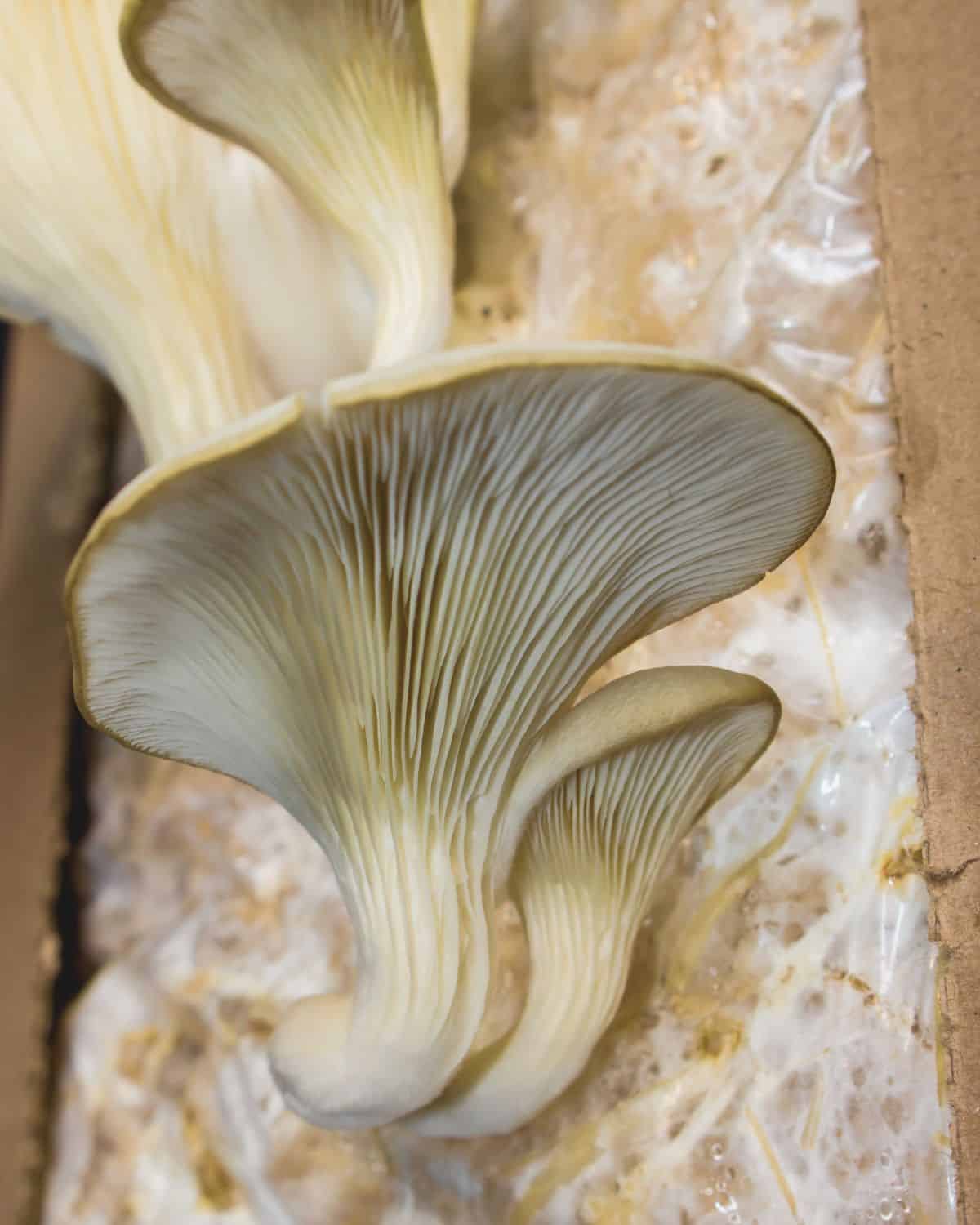
While wild foraging remains the primary goal for many, the risk of misidentification has led to a parallel boom in home cultivation kits. Products such as the Organic Mushroom Mini Farm allow consumers to grow oyster mushrooms in a controlled indoor environment. This "entry-level" mycology appeals to urban dwellers and those seeking to understand the life cycle of fungi before venturing into the woods.
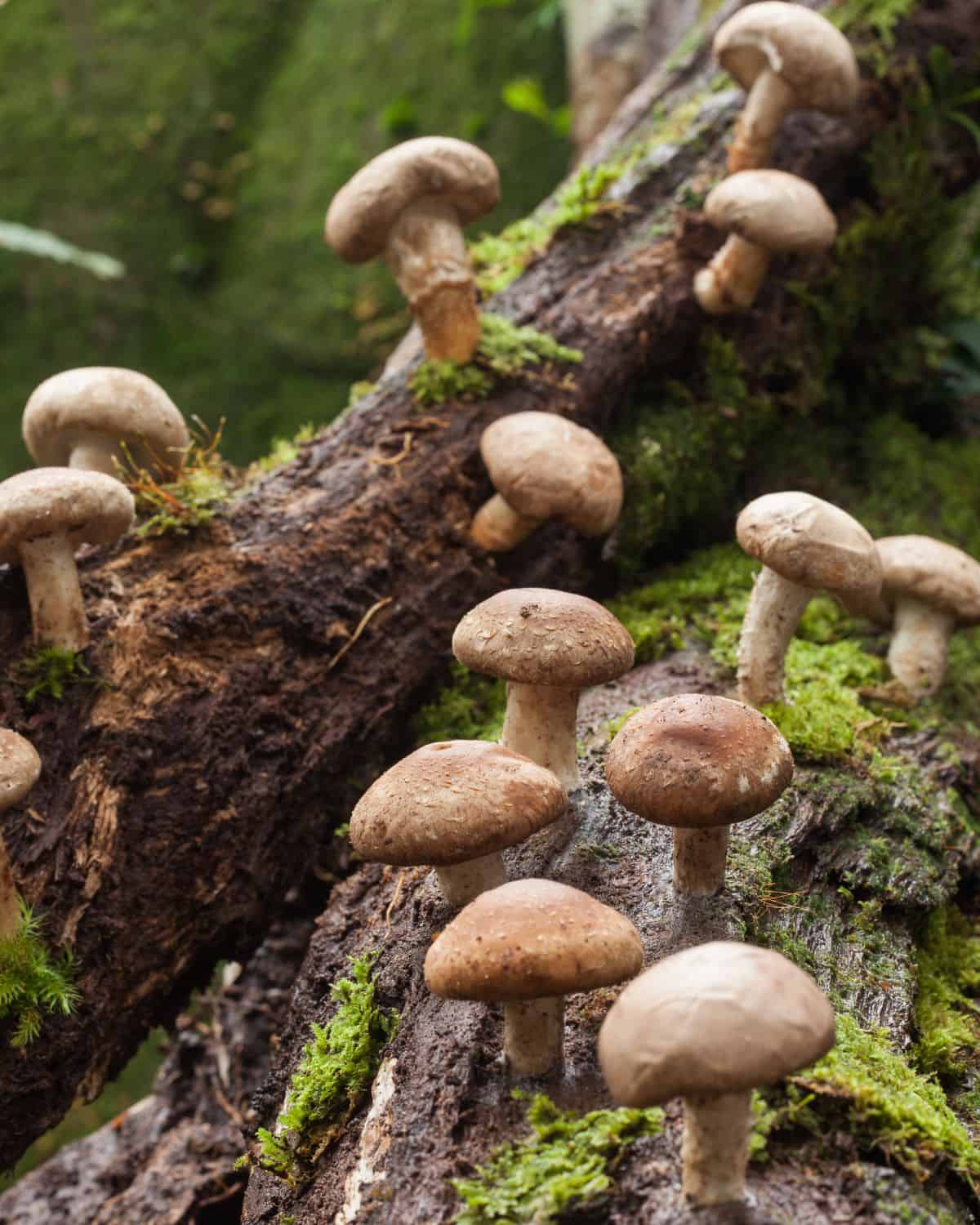
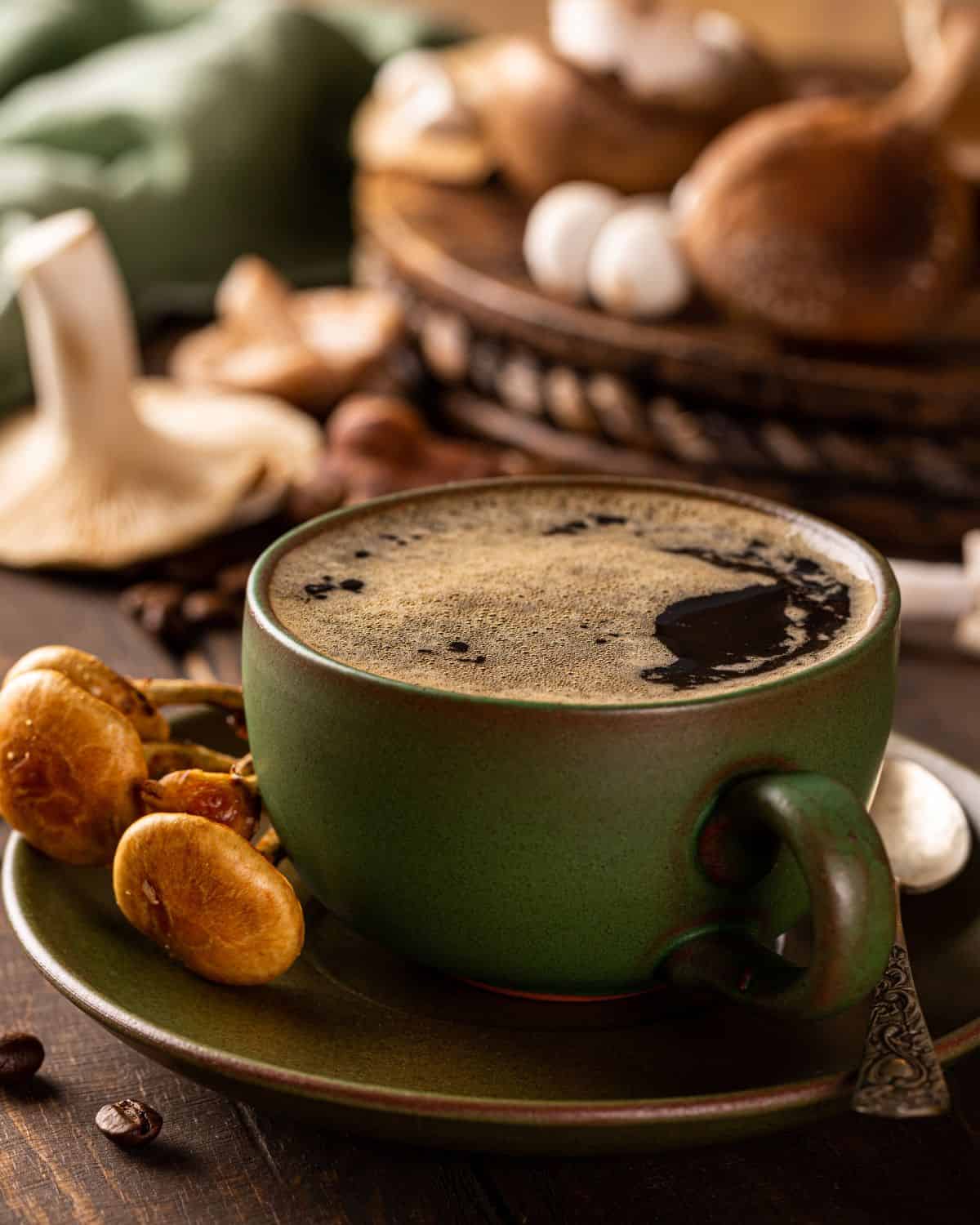
More advanced enthusiasts are turning to inoculation supplies, such as shiitake or oyster mushroom spawn plugs. This method involves "planting" fungi into hardwood logs, a process that mimics natural growth patterns while providing a predictable harvest. The growth in this sector is supported by a broader interest in "functional foods." The rise of mushroom-infused products, such as Four Sigmatic’s coffee and cocoa blends featuring Lion’s Mane and Chaga, demonstrates the integration of foraging culture into daily wellness routines. These products are often marketed as cognitive enhancers or immune system supports, tapping into the multi-billion dollar global wellness industry.
Educational Resources as a Safety Mandate
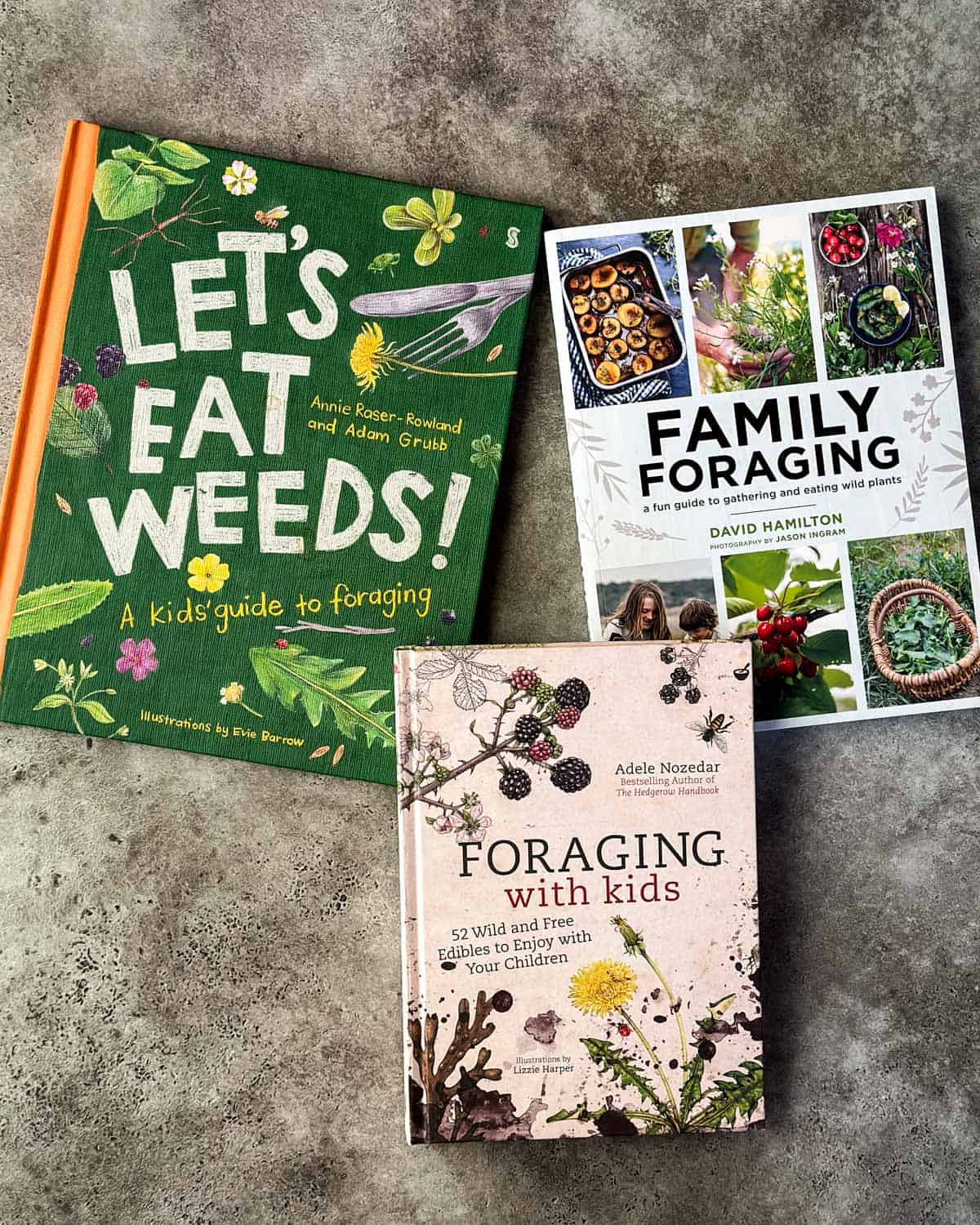
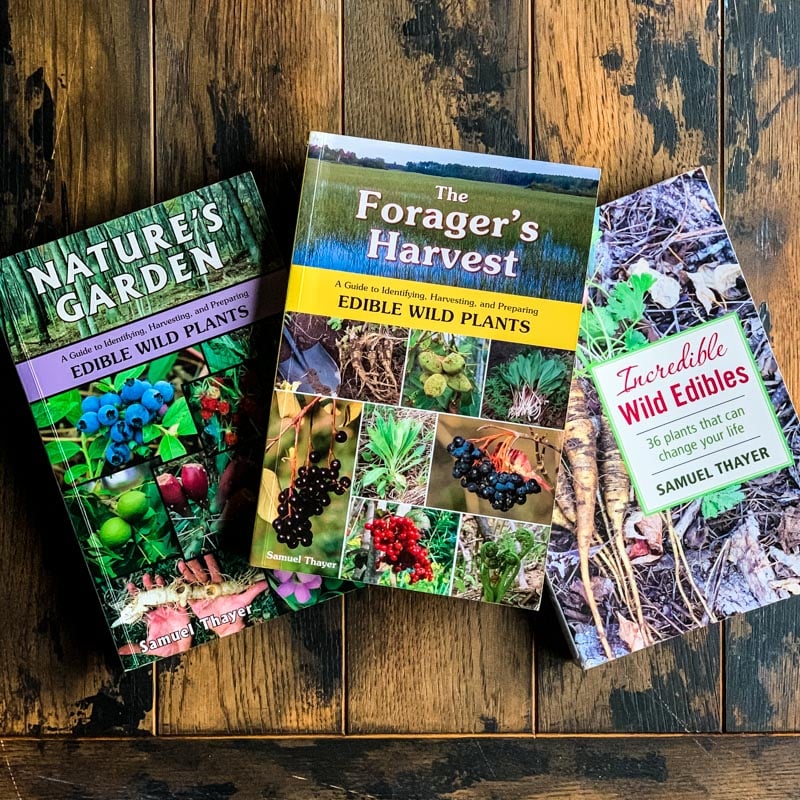
The most critical "tool" for any forager is accurate information. The foraging guidebook market has seen a resurgence, with a focus on regional specificity and high-resolution photography. Experts in the field, such as David Arora and Samuel Thayer, have authored texts that are now considered essential references. Arora’s All That the Rain Promises and More is frequently cited for its portability, while his encyclopedic Mushrooms Demystified serves as a definitive home reference.
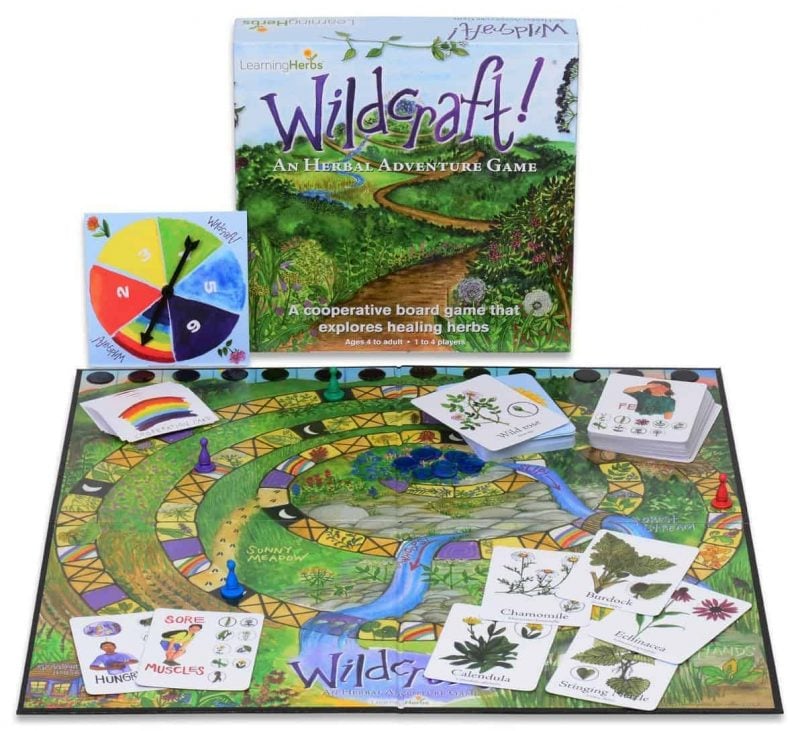
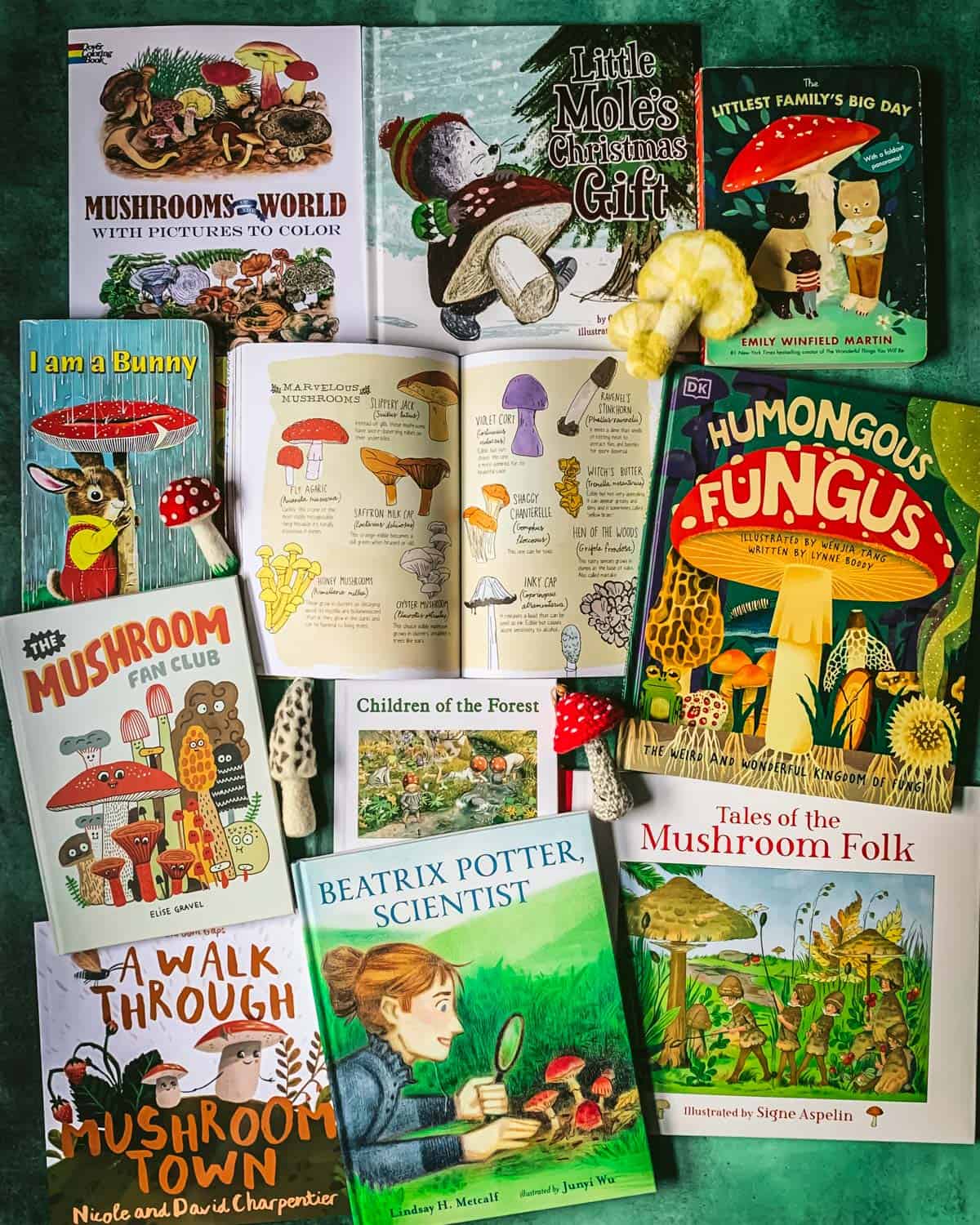
Educational gifts are not limited to adults. A significant trend in the 2020s is the "nature-schooling" movement, which introduces children to botanical identification at an early age. Games like the Wildcraft Herbal Adventure Game use gamification to teach herbal medicine and plant identification, while children’s literature, such as Joseph P. Anthony’s The Dandelion Seed, fosters ecological literacy. The broader impact of this educational focus is a more informed public that is less likely to engage in "over-harvesting" or the consumption of toxic species.
Aesthetic and Lifestyle Integration
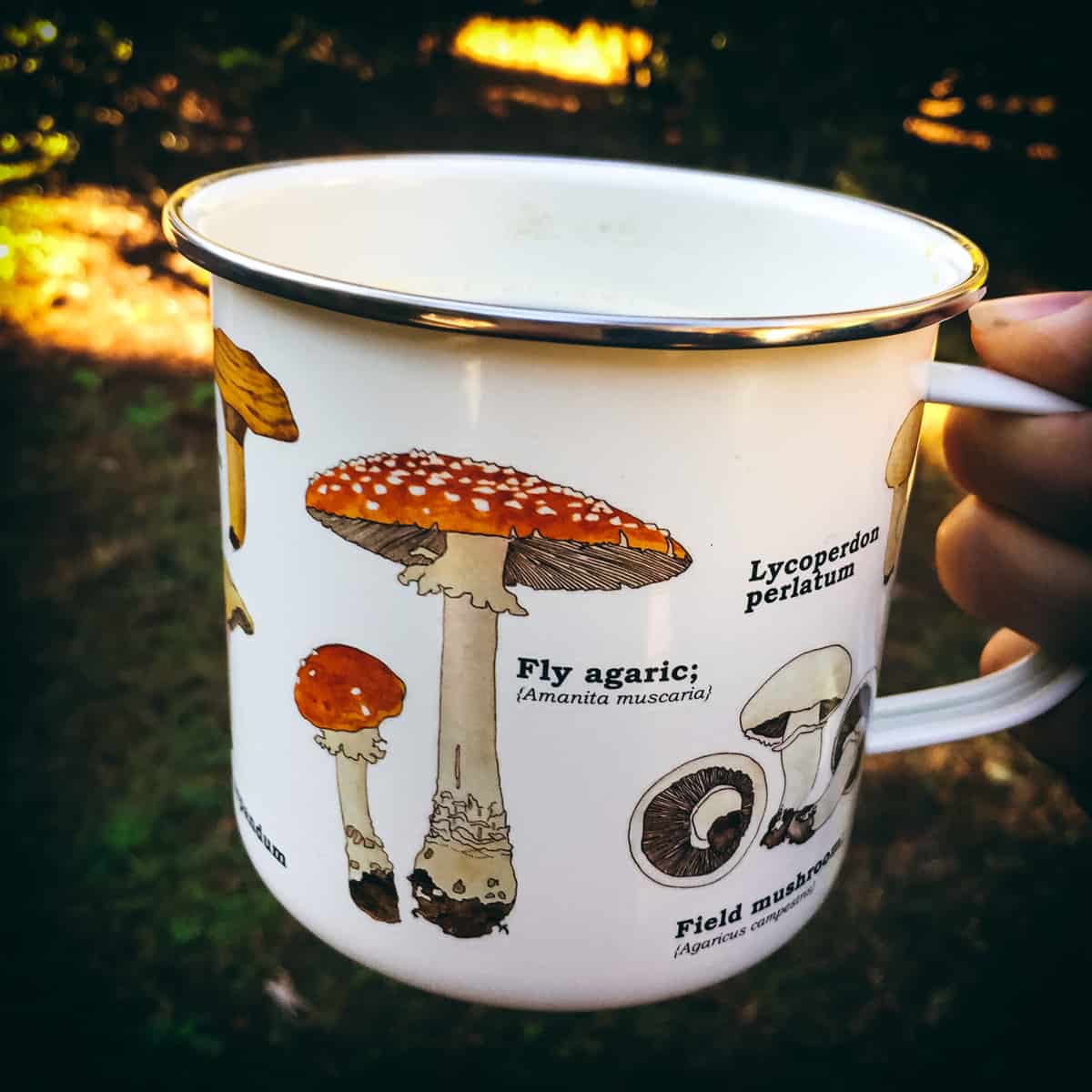
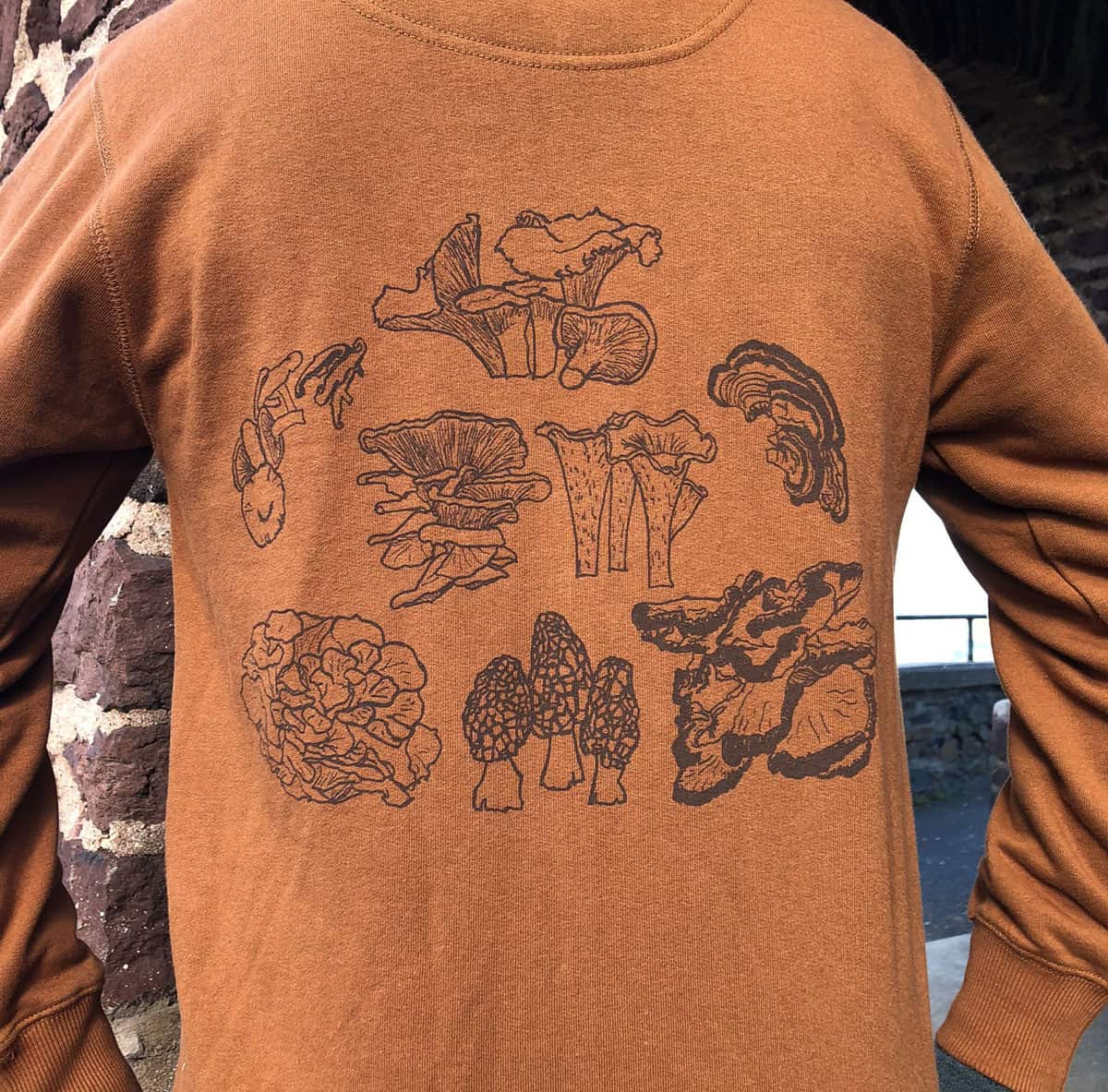
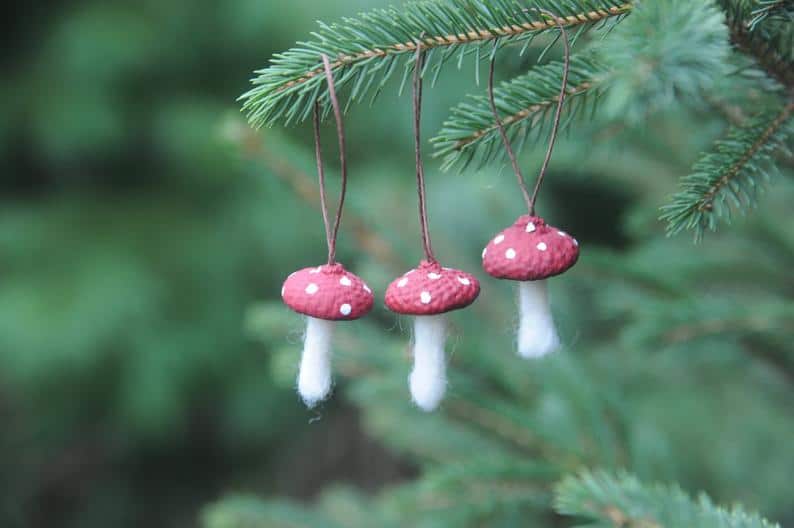
The "forager aesthetic" has permeated home decor and apparel, creating a secondary market for botanical-themed goods. From mushroom-patterned oven mitts and vintage-style tea towels to high-quality apparel from specialty printers like Taproot Threads, the lifestyle is increasingly performative and celebratory. Felted ornaments and crocheted garlands depicting acorns and toadstools have become popular seasonal decorations, signaling a move away from mass-produced plastic ornaments toward artisanal, nature-inspired holiday themes.
This lifestyle integration is viewed by sociologists as a form of "biophilia"—the innate human tendency to seek connections with nature and other forms of life. By surrounding themselves with botanical imagery, consumers maintain a connection to the outdoors even during the winter months when foraging opportunities are scarce.
Economic and Environmental Implications
The commercialization of foraging gear carries both opportunities and responsibilities. Industry leaders emphasize that the sale of these products must be accompanied by a message of conservation. "The goal is to provide tools that facilitate a deeper connection with the land, not a more efficient extraction of its resources," says one industry analyst.
The broader impact of the foraging movement includes:
- Support for Local Economies: Many foraging tools, particularly baskets and artisanal knives, are produced by small-scale craftsmen or fair-trade cooperatives.
- Increased Ecological Stewardship: Foragers are often the first to notice changes in local ecosystems, such as the spread of invasive species or the decline of native flora.
- Food System Resilience: By diversifying food sources and learning to identify wild edibles, consumers reduce their total reliance on industrial agricultural chains.
As the holiday season progresses, the foraging gift guide serves as a roadmap for this growing demographic. Whether through the precision of a French mushroom knife, the education provided by a regional field guide, or the simple joy of a botanical-themed hoodie, these gifts reflect a significant cultural pivot toward a more grounded, nature-centric existence. The data suggests that this is not a passing fad, but a structural shift in how a new generation of consumers interacts with the environment. For the retailer and the gift-giver alike, the message is clear: the future of outdoor recreation lies in the sustainable and educated pursuit of the wild.


