
Recent data from the United States Department of Agriculture (USDA) indicates that the average American couple now allocates approximately $800 per month to grocery expenses, a figure that translates to roughly $200 per week. As inflationary pressures continue to reshape the domestic economy, financial analysts and agricultural experts suggest that these costs are poised for further escalation. Projections for the year 2026 suggest a 3.6 percent increase across all food categories, prompting a surge in interest regarding alternative consumption models. Amidst these rising costs, a growing movement of consumers is successfully reducing monthly expenditures to as low as $300 by integrating low-waste, plant-forward, and nutrient-dense dietary habits. This shift represents not only a personal financial strategy but a broader socioeconomic response to the volatility of global food supply chains and the environmental impact of modern consumerism.
The Economic Landscape of Food Inflation (2020–2026)
To understand the current urgency surrounding grocery budgeting, it is essential to examine the chronological trajectory of food prices over the last several years. The period following the 2020 global pandemic saw unprecedented disruptions in supply chains, labor shortages, and increased energy costs, all of which contributed to a sharp spike in the Consumer Price Index (CPI) for food.
By 2023, many households reported that their grocery bills had outpaced general inflation. While some sectors of the economy stabilized in 2024 and 2025, the USDA’s Economic Research Service continues to forecast upward trends. The predicted 3.6 percent increase in 2026 is particularly significant as it suggests that the "new normal" for food pricing will remain well above pre-pandemic levels. This persistent inflation has led to the phenomenon of "shrinkflation," where product sizes decrease while prices remain stagnant or rise, further eroding the purchasing power of the average consumer.
The Framework of a Three-Hundred-Dollar Monthly Budget
Achieving a $300 monthly grocery budget for a two-person household requires a departure from traditional convenience-based shopping. Financial experts categorize this approach as "strategic procurement," which prioritizes raw ingredients over processed goods. The methodology is built upon four primary pillars: physical cash management, bulk acquisition, seasonal alignment, and the reduction of animal protein dependency.
Physical Currency as a Budgetary Constraint
One of the most effective psychological tools in expenditure control is the transition from digital transactions to a cash-based system. Economists have long noted that "payment decoupling"—the psychological distance created by credit cards—leads to higher spending. By designating a specific cash limit for weekly grocery trips, consumers create a hard ceiling on their spending. This physical limit forces a more rigorous evaluation of "wants" versus "needs" during the shopping process.
Strategic Bulk Procurement and Dry Staples
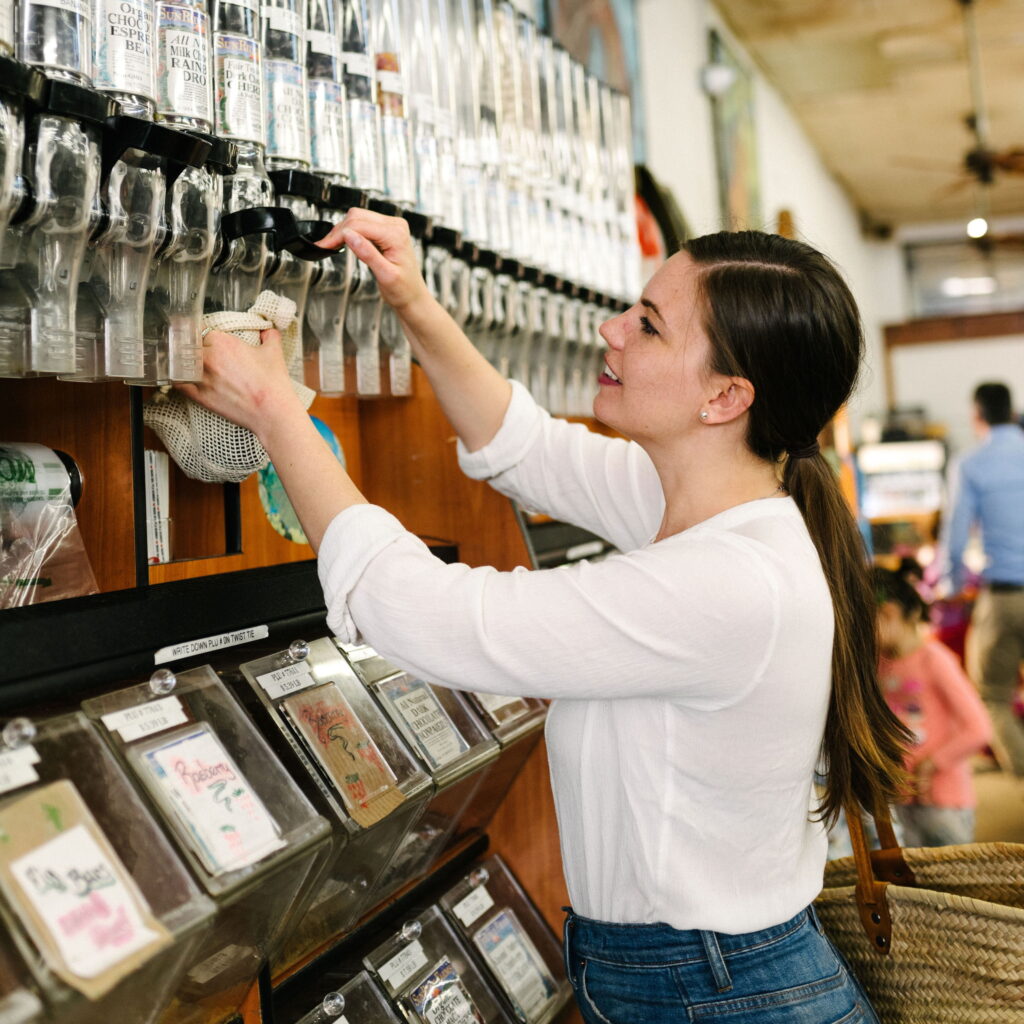
A cornerstone of the $300 budget is the utilization of bulk bins and warehouse memberships, such as those offered by Costco or local cooperatives. Purchasing dry staples—including rice, flour, lentils, and beans—in large quantities significantly reduces the price per unit. For instance, the cost difference between a 15-ounce can of beans and an equivalent weight of dry beans purchased in bulk can exceed 50 percent. Furthermore, dry goods have a superior shelf life, reducing the likelihood of financial loss due to spoilage.
The Shift Toward Plant-Forward Nutrition and "Blue Zone" Habits
The inclusion of meat in a diet is frequently cited as the single largest contributor to high grocery bills. Journalistic analysis of global dietary trends reveals that the world’s "Blue Zones"—regions where inhabitants consistently live past 100 years—rely heavily on plant-based proteins. Legumes, tubers, and whole grains provide high fiber and essential nutrients at a fraction of the cost of beef, poultry, or pork.
From a journalistic perspective, the shift toward a plant-forward diet is not merely a lifestyle choice but an economic necessity for many. In the proposed $300 budget model, meat is treated as a luxury or a flavor enhancer rather than a primary caloric source. When meat is purchased, budget-conscious consumers are increasingly opting for "inexpensive cuts" or bone-in options. Purchasing bone-in, skin-on poultry requires the consumer to perform the labor of trimming and deboning, thereby avoiding the "convenience tax" added by processors. Similarly, purchasing blocks of cheese rather than pre-shredded varieties offers a lower price point for the same volume of product.
The DIY Economy: From Breadmaking to Pantry Staples
A significant portion of modern grocery spending is allocated to "value-added" products—items that have been processed, packaged, and branded for convenience. To circumvent these costs, consumers are increasingly adopting "Do-It-Yourself" (DIY) practices for kitchen staples.
The Economics of Home-Baked Bread
The price of artisanal or high-quality sourdough bread in local bakeries can range from $7 to $10 per loaf. For a household consuming two loaves per week, this represents an annual expenditure of over $700. In contrast, a loaf of bread produced at home using bulk-purchased flour, water, and salt costs less than $0.50 in raw materials. The rise of community-based sharing platforms, such as "Buy Nothing" groups, has facilitated this transition by allowing households to acquire appliances like breadmakers, crockpots, and food processors at zero cost, further lowering the barrier to entry for home production.
Waste Reduction as Financial Gain
Zero-waste practices are inherently tied to financial efficiency. For example, the production of vegetable stock from kitchen scraps—onion skins, carrot tops, and celery ends—eliminates the need to purchase pre-packaged broth. Other staples, such as vanilla extract, apple cider vinegar, and nut butters, can be produced at home with minimal equipment. Analysts suggest that the "hidden savings" in a zero-waste kitchen can account for up to 15 percent of a household’s total food budget by eliminating the need to purchase condiments and seasonings.
Seasonal Procurement and the Role of Farmers Markets
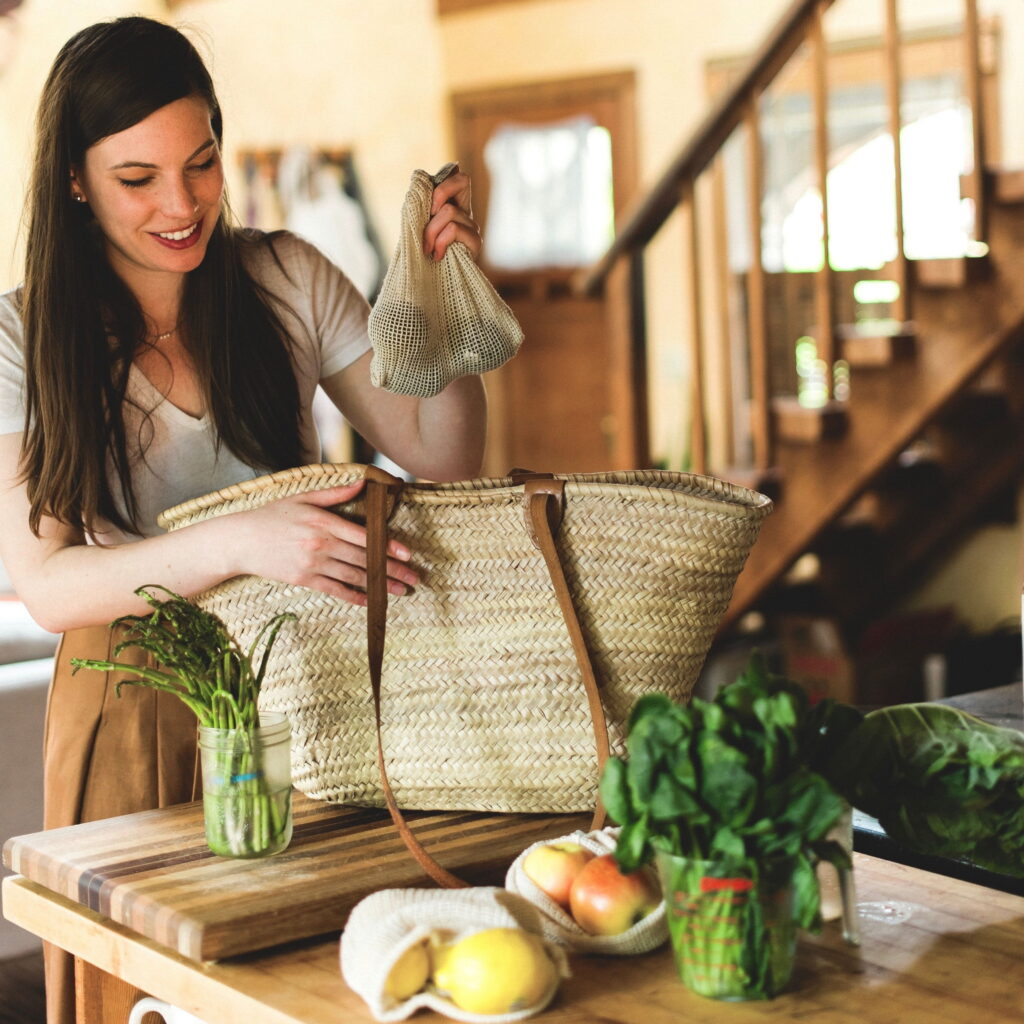
The cost of produce is heavily influenced by the energy required for transportation and climate-controlled storage. A tomato grown in a heated greenhouse during the winter months carries a significantly higher price tag than one harvested during the peak of summer. By aligning consumption with local growing seasons, consumers can take advantage of market gluts. Farmers often lower prices on prolific crops to ensure they are sold before spoilage occurs. This seasonal approach also encourages the preservation of food—such as pickling, canning, or freezing—which further extends the value of the initial investment.
Technological Interventions and Surplus Markets
In response to the growing concern over food waste and high prices, several technological solutions have emerged. Apps such as "Too Good To Go" have created a marketplace for surplus food, allowing consumers to purchase high-quality meals and groceries from restaurants and bakeries at a fraction of their retail price. Additionally, the rise of "imperfect produce" retailers has challenged the traditional aesthetic standards of grocery chains. These services sell fruits and vegetables that are nutritionally perfect but visually "blemished," often at a 30 to 50 percent discount.
Broader Implications and Official Responses
The shift toward extreme grocery budgeting has caught the attention of both policymakers and environmentalists. The United Nations Food and Agriculture Organization (FAO) reports that approximately one-third of all food produced for human consumption is lost or wasted. Reducing household-level waste is now viewed as a critical component of global food security.
While some industry representatives from major grocery chains argue that higher prices are necessary to cover rising labor and logistics costs, consumer advocacy groups suggest that the success of the $300-a-month model proves that the current retail system is heavily reliant on consumer convenience and lack of planning.
In conclusion, the transition to a $300 monthly grocery budget is a multi-faceted strategy that combines financial discipline with sustainable living. By utilizing cash-based budgeting, prioritizing plant-based staples, engaging in home production, and leveraging community resources, households can insulate themselves against the projected 3.6 percent price increases of 2026. This movement reflects a broader trend toward economic self-sufficiency and a rejection of the high-waste, high-cost models that have dominated the American food landscape for decades. As food prices continue to be a central point of economic concern, these "hacks" are likely to transition from niche lifestyle choices to mainstream survival strategies.


