
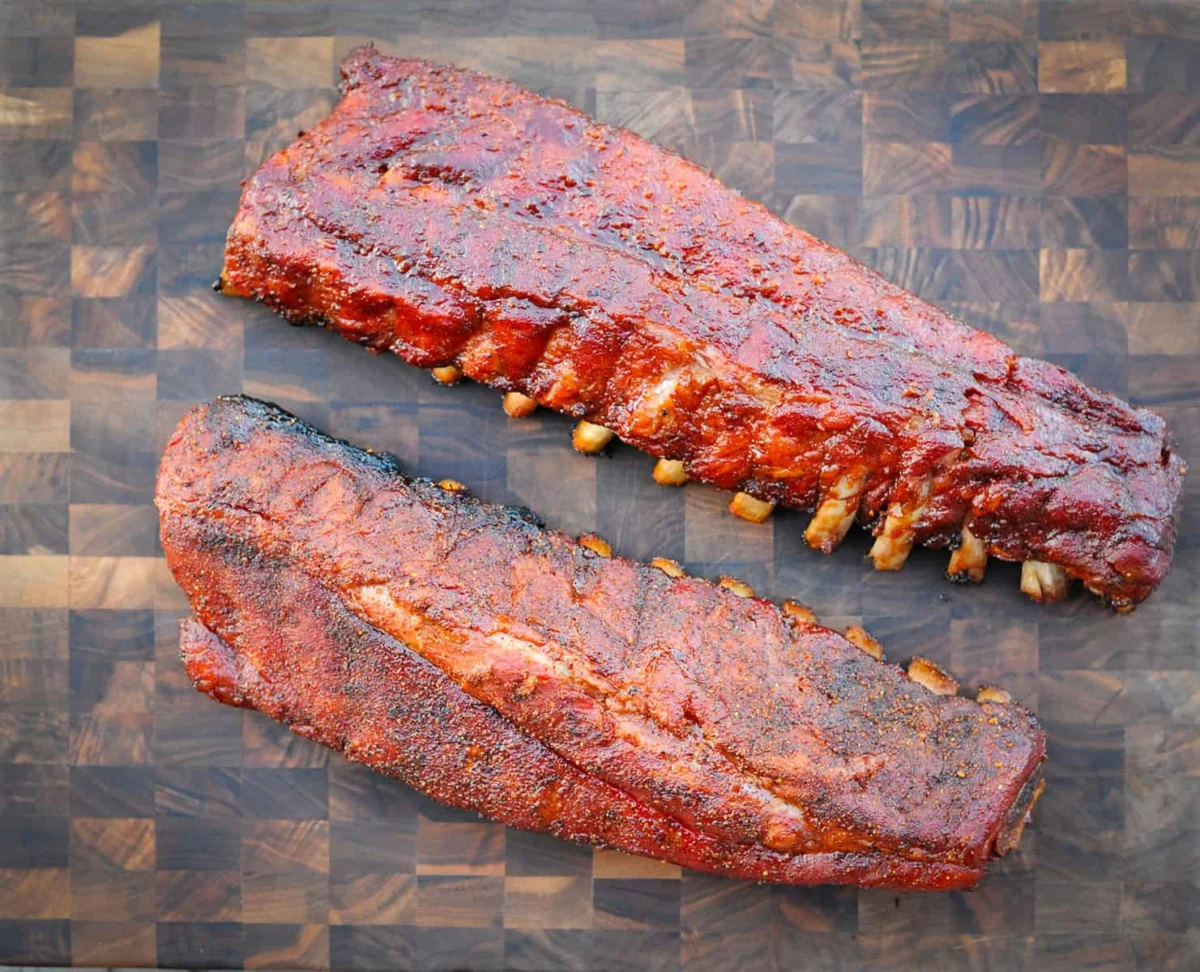
As the Labor Day weekend approaches, a familiar aroma of smoked meats is set to fill backyards across the nation. Ribs, a perennial favorite for any barbecue enthusiast, once again take center stage. However, beneath the surface of this culinary tradition lies a long-standing debate within the barbecue community: the ideal texture of a perfectly cooked rib. Should they yield effortlessly from the bone, or should they offer a satisfying, clean bite? This age-old question recently ignited a spirited discussion on Reddit, where nearly 200 comments were amassed, with many pitmasters arguing that "fall-off-the-bone" ribs are actually a sign of overcooking, rather than a testament to culinary skill. While this perspective holds merit, the reality of achieving the perfect rib is more nuanced than a simple division into "team bite" versus "team fall-apart."
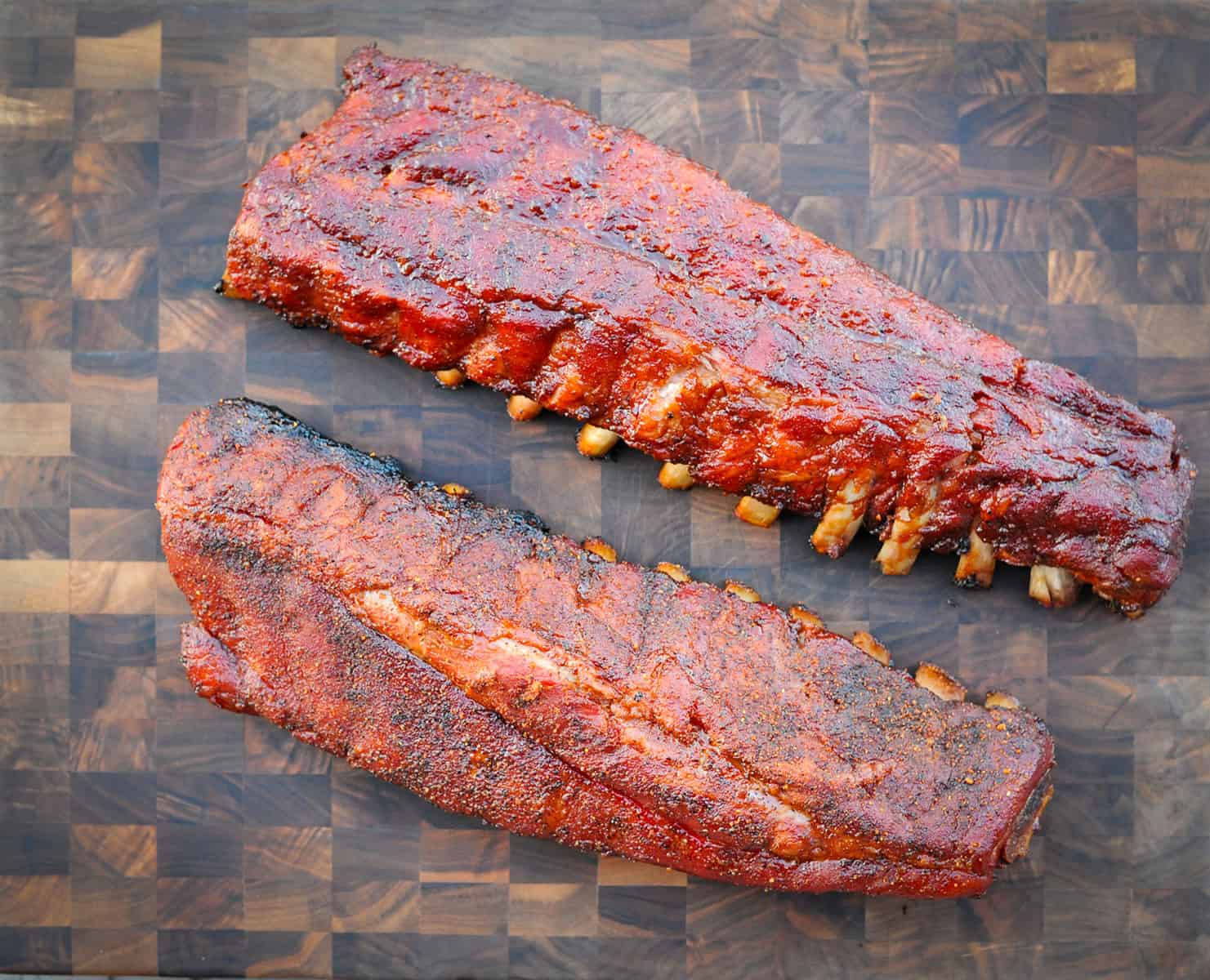
The discourse, sparked by a Reddit thread titled "I don’t want fall off the bone ribs," highlights a significant divergence in barbecue philosophy. On one side are those who believe that ribs should retain some structural integrity, offering a distinct bite where the meat separates cleanly from the bone without detaching entirely. On the other are those who prize the melt-in-your-mouth texture achieved when the meat slides off the bone with minimal effort. This distinction is not merely a matter of personal preference; it reflects fundamental differences in cooking techniques and desired outcomes, particularly when comparing the rigorous standards of professional competition barbecue with the more relaxed environment of a backyard cookout.
The Uncompromising Demands of Competition Barbecue
In the high-stakes world of professional barbecue competitions, there is no room for ambiguity regarding rib texture. Judges adhere to strict criteria, and a key element of the tenderness score hinges on achieving a "clean bite." This means that when a judge takes a bite, only the section of meat that has been bitten should release from the bone. If the meat detaches completely or slides off the bone before being bitten, it is considered a disqualifying flaw, indicative of overcooking. Such a result can lead to significant deductions in the judges’ scores, potentially costing a team a coveted championship title.

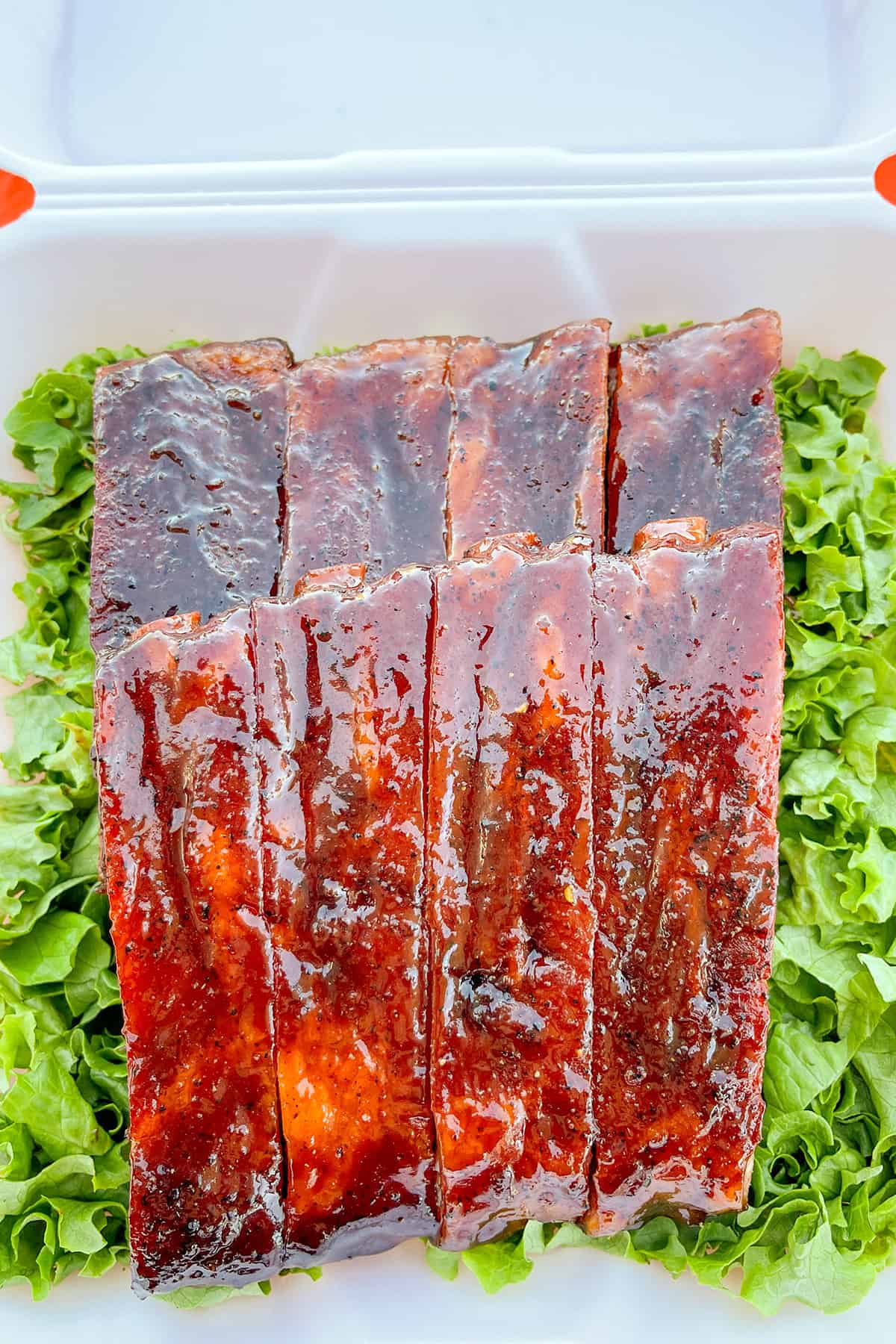
Christie Vanover, an award-winning competitive pitmaster for Team Girls Can Grill and an expert in the field, will be putting these competition standards to the test this weekend at the Meat and Tater Festival in Idaho. Competing in the ribs category on both Friday and Saturday, Vanover will be preparing three racks of ribs each day, with the intention of submitting six bones to the judges. Her entire approach is meticulously calibrated to achieve that precise "clean bite" texture that competition judges demand. This dedication to precision is a hallmark of elite barbecue athletes, where every detail, from rub application to wood selection and cooking time, is optimized for a winning result. Vanover’s commitment to this standard is further emphasized by her offering a comprehensive competition rib course, designed to impart her techniques for achieving such exacting results.
The history of competitive barbecue has seen a gradual evolution in judging standards. Initially, the emphasis was on smoke flavor and visual appeal. However, as the sport matured, the focus on texture and the "bite" became paramount. This shift reflects a deeper understanding of the science behind cooking meat, particularly connective tissues and their breakdown during the smoking process. Achieving a tender rib without it becoming mushy requires a delicate balance of time, temperature, and moisture management, a skill honed through countless hours of practice and meticulous attention to detail.
The Latitude of Backyard Barbecuing
While the competition circuit operates under a stringent set of rules, the backyard barbecue offers a much more forgiving and personalized experience. The pressure of a judging panel is absent, allowing home cooks to prioritize what they and their guests enjoy most. For many, this means embracing a more yielding rib texture. Vanover herself admits to preferring her ribs closer to the "fall-off-the-bone" ideal in a casual setting. "There’s something satisfying about meat that pulls away with almost no resistance," she notes.
However, even in the relaxed atmosphere of a backyard cookout, there exists a fine line between tender and mushy. Crossing this line can transform a potentially delicious rack of ribs into an unappealing, textureless mass. Vanover points to a common pitfall: relying too heavily on prescriptive cooking methods, such as the widely popular 3-2-1 rib method. This technique, which typically involves three hours of smoking unwrapped, followed by two hours wrapped in foil, and a final hour sauced and unwrapped, is a solid starting point. However, its rigid structure can lead to inconsistencies. Factors such as the size and thickness of the ribs, the specific temperature of the smoker or grill, ambient weather conditions, and even the type of foil used can necessitate adjustments to the prescribed times.
"The fix is simple," Vanover advises. "Watch your temperature and your time, not just one or the other. Ribs that go too long or too hot slide past tender into mushy, losing the texture that makes them good in the first place." This emphasis on sensory cues – feeling the bend of the rack, observing the pull of the meat, and even listening for the subtle crackle of the bark – is crucial for home cooks aiming for optimal results, regardless of their preferred texture.
This Weekend’s Game Plan: Tailoring to Taste
With college football season kicking off and Labor Day on the horizon, this weekend presents an ideal opportunity for backyard barbecues. The pairing of ribs with a game on in the background is a quintessential American experience. For those aiming for the soft, yielding ribs often described as "fall-off-the-bone," Vanover suggests embracing the 3-2-1 method with a slight modification. "Push it later, closer to an internal temperature of 210-215°F," she recommends, "when you want the meat to slide." This extended cooking time allows the collagen to fully break down, resulting in that desired melt-in-your-mouth consistency.
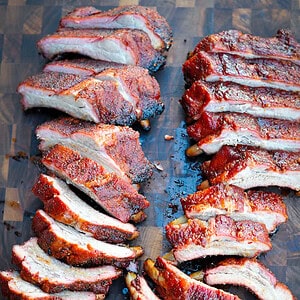
Conversely, for those who appreciate a cleaner bite on a similar cooking path, the key is to pull the ribs before they reach the point of complete detachment. Vanover advises, "Pull when the rack bends and almost cracks, but does not break." This subtle difference in timing ensures that the meat remains tender and flavorful without becoming overly soft.
The article also provides practical guidance for different types of ribs and cooking styles:
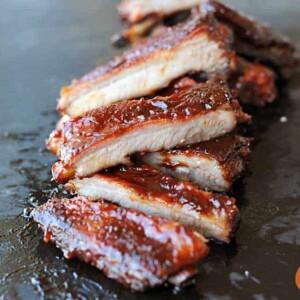
- Baby Back Ribs: These ribs are known for being smaller and leaner. Vanover suggests shortening the cooking time slightly when preparing this cut, regardless of the desired final texture. This adjustment accounts for their quicker cooking time compared to larger cuts.
- Hot and Fast Ribs: This method, favored by many competition teams, involves cooking ribs at a higher grill temperature for a reduced overall time. It’s an efficient approach for those short on time but still seeking excellent results, often yielding a desirable bark.
- Individually Smoked Pork Ribs: For those who prioritize a guaranteed flavorful bark in every bite, cutting the ribs into individual portions before cooking is recommended. This technique ensures that all sides of the meat are exposed to the heat and smoke, leading to a more consistent crust and intense flavor.
Ultimately, Vanover’s advice for this Labor Day weekend is to cook with intention. "If your crowd wants the soft fall-off ribs this weekend, cook that on purpose and own it," she states. "If you want the bite I turn in Friday and Saturday, stop when the meat still holds. Don’t cook past the finish you meant to serve." This philosophy underscores the importance of understanding your desired outcome and using sensory cues and temperature monitoring to achieve it, whether for a friendly gathering or a professional competition. The enduring debate over rib texture serves as a reminder that barbecue is as much an art as it is a science, with room for both precision and personal expression.


