
The recent exploration into masa, the meticulously processed corn flour fundamental to much of Mexican cuisine, highlights a profound connection to ancient food traditions and their nutritional ingenuity. This staple ingredient, forming the basis of everything from tortillas to tamales, is now gaining renewed attention for its unique preparation method: nixtamalization, a process crucial for unlocking corn’s full dietary potential. Austin Durant, founder of Fermenters Club, recently shared his insights into this transformative process, emphasizing its historical depth and practical application in the modern kitchen.
The Ancient Roots of Nixtamalization: A Historical and Nutritional Imperative
Nixtamalization is far from a new discovery; it represents a cornerstone of Mesoamerican civilization, dating back thousands of years. Archaeological evidence suggests that indigenous cultures in present-day Mexico and Central America perfected this technique as early as 1500–1200 BCE, recognizing its vital role long before modern nutritional science could articulate the precise mechanisms. The Olmec, Maya, and Aztec civilizations, among others, relied heavily on corn as their primary caloric source. However, raw or untreated corn presents significant nutritional challenges, particularly a deficiency in bioavailable niacin (Vitamin B3). Without proper processing, reliance on corn can lead to pellagra, a severe deficiency disease characterized by dermatitis, diarrhea, dementia, and eventually death.
The genius of nixtamalization lies in its ability to circumvent this nutritional pitfall. Ancient peoples discovered that by cooking and steeping dried corn kernels in an alkaline solution—typically made from slaked lime (calcium hydroxide) or wood ash—they could dramatically alter the corn’s chemical composition. This process, which transforms the corn into what is known as nixtamal, not only made the corn more digestible but, critically, released bound niacin, making it available for human absorption. This innovation was not merely a culinary technique; it was a public health triumph that sustained entire civilizations for millennia, enabling large populations to thrive on a corn-based diet without suffering from pellagra. The introduction of corn to Europe and Africa without the accompanying nixtamalization process in subsequent centuries led to widespread pellagra epidemics, underscoring the critical importance of this ancient method.
The Science Behind the Transformation: Unpacking Nixtamalization
The intricate process of nixtamalization involves a series of chemical and physical changes that are both fascinating and profoundly beneficial. As described by Azure Standard, a key supplier of masa flour, the dried corn undergoes several transformations:
- Cooking in Alkaline Solution: The corn kernels are cooked in an alkaline solution, traditionally calcium hydroxide (also known as cal or slaked lime). This cooking initiates the breakdown of the pericarp (the outer skin) of the corn kernel.
- Steeping: After cooking, the corn is steeped in the cooking liquid for an extended period. During this phase, the alkaline solution continues its work.
- Chemical Changes:
- Hydration and Absorption: The kernels absorb water and essential minerals, particularly calcium from the cooking liquid. This significantly increases the calcium content of the corn, adding another nutritional benefit.
- Starch Gelatinization: The starches within the corn swell and gelatinize, leading to a softer texture and improved workability of the dough.
- Nutrient Release: Crucially, the alkaline environment breaks down hemicellulose, which binds niacin in its unavailable form. This liberates the niacin, making it bioavailable.
- Protein Matrix Alteration: The cooking process alters the corn’s protein matrix, making proteins and other nutrients more readily assimilated by the human digestive system.
- Improved Dough Properties: The chemical changes result in a dough that is less likely to tear and break, a critical characteristic for forming thin, pliable tortillas.
- Grinding: The prepared corn, now nixtamal, is then typically rinsed, dried, and ground into masa harina (corn flour), ready for culinary applications. Alternatively, it can be ground while still wet to produce fresh masa.
This complex interplay of heat, alkalinity, and time transforms a nutritionally incomplete grain into a powerhouse of sustenance, demonstrating an extraordinary understanding of food science by ancient cultures.
Masa’s Enduring Cultural and Culinary Significance
Beyond its nutritional benefits, masa holds immense cultural significance throughout Mexico and Central America. It is not merely an ingredient but a symbol of heritage, community, and culinary identity. The act of preparing masa and shaping tortillas has traditionally been a communal activity, often passed down through generations, embodying a connection to the land and ancestral traditions.
While tortillas are perhaps the most globally recognized product of masa, its versatility extends to a vast array of traditional dishes:
- Tamales: Steamed corn dough pockets filled with savory or sweet ingredients, wrapped in corn husks or banana leaves.
- Sopes: Thick masa tortillas with pinched edges, often topped with beans, meat, cheese, and salsa.
- Gorditas: Thick, often fried, masa patties split open and filled with various ingredients.
- Pupusas: A staple of Salvadoran cuisine, these are thick corn tortillas filled with cheese, beans, or chicharrón (fried pork belly), then griddled.
- Atole: A warm, thick beverage made from masa, water, cinnamon, and sometimes chocolate or fruit.
- Tlacoyos: Oval-shaped masa tortillas, often filled with beans or cheese, and cooked on a griddle.
Each dish represents a unique facet of regional culinary identity, all stemming from this single, foundational ingredient. The "fresh-corn-tasting" quality noted by Austin Durant in homemade tortillas is a testament to the distinct flavor profile developed through nixtamalization, a depth of flavor often absent in products made from untreated corn flour.
The Essential Tool: The Tortilla Press
To transform masa dough into consistently thin and uniform tortillas, a specialized tool known as a tortilla press is invaluable. While experienced cooks can achieve impressive results by hand-patting, a press significantly streamlines the process and ensures an even thickness crucial for proper cooking.
Tortilla presses come in various materials, each with distinct characteristics:
- Wood: Often considered the most traditional and aesthetically pleasing. Wooden presses, like the heirloom piece used by Durant (belonging to his housemate’s abuela), are typically sturdy, heavy, and capable of applying even pressure. They are durable and can last for generations, embodying a connection to traditional craftsmanship.
- Cast Iron: Another popular and highly durable option. Cast iron presses are heavy, providing excellent leverage for flattening dough. Their weight contributes to stability and consistent results. They are built to last and are a favorite among serious home cooks.
- Aluminum: While readily available and often more affordable, aluminum presses are generally "avoided" by purists and those seeking longevity or traditional aesthetics. They can be lighter and less durable, sometimes prone to warping or not distributing pressure as evenly as their wooden or cast-iron counterparts. The original article’s caution against aluminum likely stems from these practical and aesthetic considerations, rather than any inherent safety concern if properly manufactured for food contact.
The importance of an evenly distributed pressure cannot be overstated. A uniform tortilla cooks more consistently, preventing burnt edges or undercooked centers, and contributes to the desired pliable texture. The cherished abuela-owned wooden press exemplifies the value placed on robust, well-built tools that become part of a family’s culinary legacy.
Crafting Homemade Tortillas and Chips: A Journey with Masa Harina
The process of making fresh masa tortillas at home, while requiring a small investment in equipment like a tortilla press and a comal (a flat griddle), is remarkably rewarding. The simple dough, typically consisting of masa harina, water, and a pinch of salt, transforms into warm, fragrant tortillas that far surpass most store-bought alternatives in flavor and texture.
The Tortilla-Making Process:
- Dough Preparation: Masa harina is mixed with warm water and salt to form a pliable dough. The dough needs to be kneaded briefly and then allowed to rest, which helps hydrate the flour and develop its texture.
- Portioning: Small balls of dough, typically golf-ball sized, are formed for individual tortillas.
- Pressing: Each dough ball is placed between two sheets of plastic or parchment paper in the tortilla press and flattened with a firm, even press.
- Cooking: The pressed tortillas are immediately transferred to a hot comal or cast-iron griddle. They are cooked for a minute or two per side, until they puff up slightly and develop light brown spots. This puffing indicates proper hydration and cooking, resulting in a tender, flexible tortilla.
- Serving: Fresh tortillas are best served immediately, wrapped in a cloth to keep them warm and pliable.
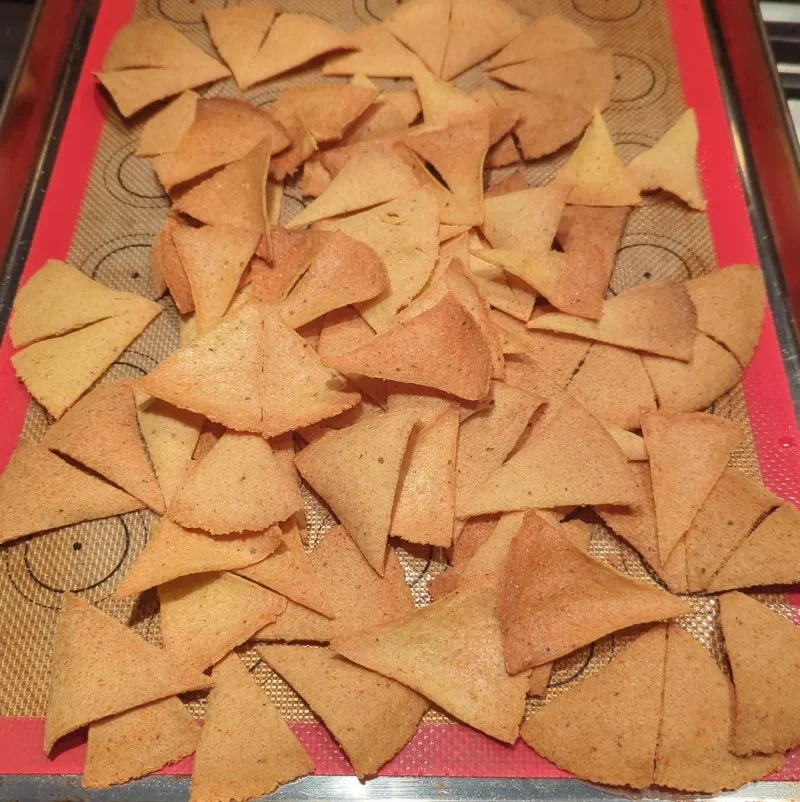
The same fresh masa dough can be easily adapted to create homemade tortilla chips. After pressing, the tortillas are cut into wedges, then either fried until golden and crispy or baked for a healthier alternative. Seasoned with salt, these chips offer a superior crunch and a more authentic corn flavor compared to their mass-produced counterparts. Austin Durant’s practice of dedicating a single batch of masa to both fresh tortillas and chips highlights the versatility and efficiency of preparing masa from scratch.
Austin Durant’s Perspective: Bridging Ancient Wisdom and Modern Wellness
Austin Durant’s "discovery" of masa is not merely a passing culinary interest but aligns perfectly with his broader philosophy and work as the founder of Fermenters Club and author of "Fearless Fermenting." His expertise lies in traditional food preservation and preparation methods that enhance nutrient availability and flavor. Nixtamalization, much like fermentation, is a time-honored technique that transforms raw ingredients into more digestible, nutritious, and flavorful foods.
Durant’s journey into permaculture gardening, cooking, yoga, and studying cosmology and esoteric traditions suggests a holistic approach to life and food. His embrace of masa reflects a deeper appreciation for ancestral knowledge and sustainable practices. By bringing attention to nixtamalization, he not only educates on a specific culinary process but also underscores the importance of understanding where our food comes from and how it has traditionally been prepared for optimal health and enjoyment. His work encourages a return to foundational food skills, empowering individuals to take control of their diets and connect with global food heritage.
Broader Implications: Health, Sustainability, and Culinary Revival
The renewed interest in nixtamalized masa carries significant implications for modern food systems and consumer choices.
- Health and Nutrition: As consumers become more health-conscious, the nutritional superiority of nixtamalized corn—particularly its enhanced niacin bioavailability and calcium content—makes it an attractive alternative to products made from untreated corn flour. This knowledge can combat "hidden hunger" and micronutrient deficiencies, particularly in regions reliant on corn.
- Food Sovereignty and Traditional Foodways: Promoting nixtamalization supports the revival of traditional foodways and fosters food sovereignty, allowing communities to maintain control over their culinary heritage and local food systems. It encourages the cultivation of diverse corn varieties and the preservation of artisanal processing methods.
- Sustainability: Focusing on traditional, less industrialized food preparation methods often aligns with sustainable practices. Local sourcing of corn and small-scale nixtamalization can reduce carbon footprints associated with large-scale industrial processing and long-distance transportation.
- Culinary Exploration: The accessibility of masa harina and information on nixtamalization encourages culinary exploration, allowing home cooks and professional chefs alike to delve deeper into the rich and diverse world of Mesoamerican cuisine. This fosters cultural exchange and appreciation.
In conclusion, Austin Durant’s journey into the world of masa serves as a compelling reminder of the wisdom embedded in ancient food traditions. Nixtamalization is a testament to human ingenuity, a process that transformed a simple grain into a nutritional powerhouse and the cornerstone of vibrant civilizations. As we continue to seek out authentic flavors and healthier food options, the enduring legacy of masa offers a powerful lesson in how traditional knowledge can enrich our diets, our kitchens, and our understanding of food itself. The shift towards embracing such time-honored techniques is not just a culinary trend, but a meaningful step towards greater health, cultural preservation, and a deeper connection to our global food heritage.


