
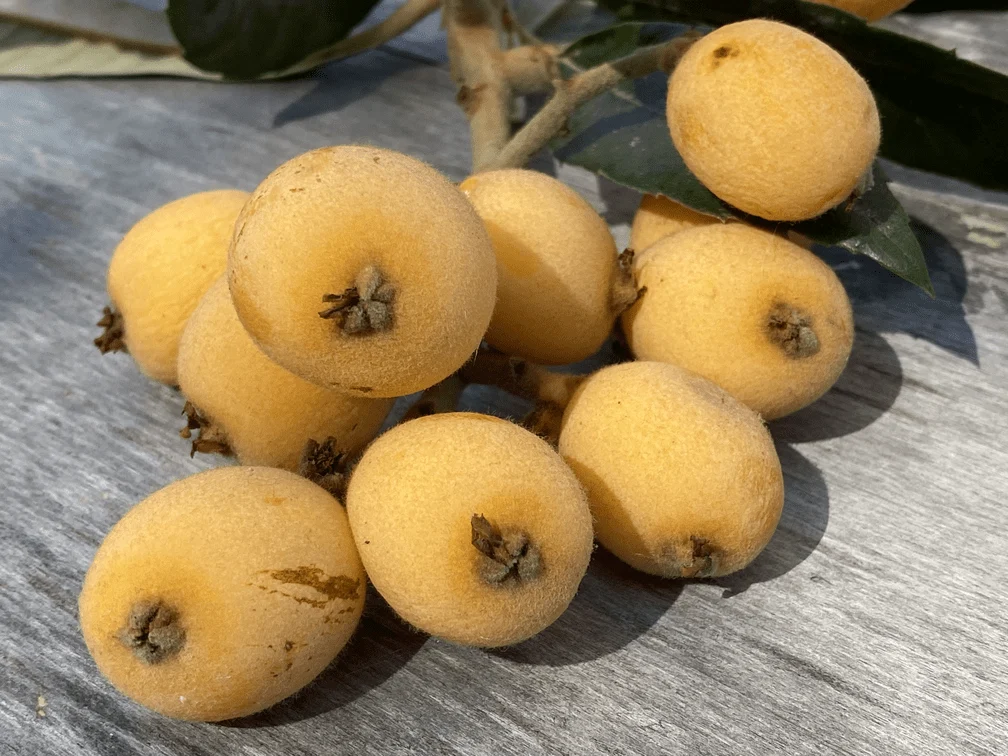
The arrival of spring in many temperate and subtropical regions heralds a bountiful harvest, and for those fortunate enough to cultivate it, the loquat (scientific name Eriobotrya japonica) stands out as a particularly generous and often underappreciated fruit tree. Towering specimens, sometimes reaching 25 feet or more, become laden with hundreds of pounds of unique, pear-like fruit from mid-March through mid-May, presenting both a delightful seasonal bounty and a considerable challenge in terms of preservation due to its inherent perishability. This annual event has evolved into a celebrated "rite of spring" for many home gardeners and small-scale growers, underscoring the fruit’s local significance and its potential for broader culinary and ecological impact.
Botanical Profile and Historical Roots
The loquat, often mistakenly confused with the kumquat (a citrus fruit), belongs to the Rosaceae family, making it a distant cousin to apples, pears, and peaches. Native to the cooler highlands of South Central China, its cultivation dates back over 1,000 years, with historical records indicating its presence in Japan for at least the last millennium, where it is known as "biwa." From Asia, the loquat made its way to Europe in the late 18th and early 19th centuries, eventually spreading to other warm climates around the world, including the Mediterranean, California, Florida, and parts of Australia. Its adaptability to various soil types and its resilience to moderate frosts contribute to its widespread, albeit often localized, presence.
Beyond its fruit, the loquat tree itself offers significant value. Its broad, evergreen leaves are a notable characteristic, providing year-round canopy. These leaves are not merely ornamental or a source of organic matter for compost piles; they have been traditionally utilized in various cultures for their purported medicinal properties. Infusions or teas made from loquat leaves are commonly employed in traditional Chinese medicine to alleviate coughs, soothe sore throats, and address respiratory ailments. Preliminary scientific studies have begun to explore the leaf extracts for potential anti-inflammatory, antioxidant, and anti-diabetic compounds, although further research is needed to substantiate these traditional claims and establish clinical efficacy. For permaculture enthusiasts, the continuous shedding of leaves provides a consistent supply of carbon-rich material, vital for enriching soil and supporting healthy compost systems, aligning perfectly with principles of closed-loop gardening.
The Seasonal Abundance and Perishability Conundrum
The loquat fruit itself is distinctive: small, round to pear-shaped, with a fuzzy, often golden-yellow to orange skin that blushes with hints of rose as it ripens, much like a stone fruit. Beneath the delicate skin, the flesh is juicy and ranges from sweet to sub-acid, with flavors often described as a blend of apricot, plum, and cherry. Each fruit typically contains one to five large, shiny brown seeds, which are not edible and must be removed before consumption.
The brief window of peak ripeness, typically spanning just eight to ten weeks, from mid-March to mid-May, creates a concentrated harvest period. A single mature tree can yield dozens, even hundreds, of pounds of fruit. This abundance, while initially exciting, quickly transforms into a practical challenge due to the fruit’s highly perishable nature. Loquats have a relatively short shelf life once picked, often succumbing to bruising and spoilage within a few days if not processed or refrigerated promptly. This characteristic necessitates immediate action and creative solutions for preservation, preventing significant food waste and maximizing the utility of the seasonal bounty.
Culinary Innovation: From Jam to Fermented Chutney
Addressing the perishability challenge has spurred a variety of culinary approaches, ranging from traditional preservation methods to innovative fermented preparations. One of the most common and beloved applications for excess loquats is jam. Loquat jam, with its unique sweet-tart profile, captures the essence of the fruit, extending its enjoyment well beyond the spring season. The fruit’s natural pectin content aids in gelling, making it a relatively straightforward process for home cooks.
However, the realm of fermented foods offers an exciting avenue for transforming loquats into savory and sweet condiments with complex flavor profiles and enhanced shelf stability. Fermentation, an ancient preservation technique, utilizes beneficial microorganisms to break down sugars, producing acids, gases, and alcohol, which act as natural preservatives and create distinct tastes and aromas. This method not only extends the life of the fruit but also introduces probiotic benefits, contributing to gut health.
A prime example of such innovation is a fermented loquat chutney. Drawing inspiration from rich culinary traditions, particularly those of Indian cuisine which frequently feature fruit-based chutneys like peach-mango chutney, loquats can be transformed into a versatile condiment. A typical loquat chutney might involve peeling and deseeding the fruit, then combining it with a medley of spices (such as ginger, garlic, mustard seeds, cumin, and chili), vinegar, and a touch of sugar or other sweeteners. The mixture is then allowed to ferment for several days, typically around four days, allowing the flavors to meld and deepen while beneficial bacteria develop. The result is a savory-sweet condiment that can complement a wide array of dishes, from grilled meats and cheeses to curries and rice. This approach aligns with a broader trend in culinary arts that seeks to explore traditional preservation methods for modern gastronomic applications.
The Broader Impact: Sustainability, Health, and Community
The enthusiastic cultivation and innovative utilization of loquats reflect several significant trends in contemporary food culture.
Sustainable Gardening and Permaculture: The emphasis on using the entire tree – from composting leaves to harvesting fruit – resonates deeply with permaculture principles, which advocate for perennial crops, waste reduction, and the creation of self-sustaining ecosystems. A prolific loquat tree exemplifies this, providing organic matter for soil enrichment and a continuous food source. This approach reduces reliance on external inputs and fosters a more resilient home garden or small farm.
Health and Wellness Trends: The interest in loquats is also fueled by a growing awareness of nutritional benefits. Loquats are a good source of dietary fiber, vitamins A and C, and various antioxidants. When processed into fermented products like chutney, they also contribute to the burgeoning field of gut health, offering probiotics that support a healthy microbiome. This dual benefit positions loquats as a valuable component of a health-conscious diet.
Local Food Economies and Culinary Diversity: While not a major commercial crop globally, loquats thrive in localized microclimates. Their abundance often leads to sharing among neighbors, community harvests, and appearances at local farmers’ markets, fostering local food economies and strengthening community bonds. The exploration of diverse recipes, from traditional jams to experimental fermented concoctions, also enriches culinary diversity, encouraging people to experiment with less common fruits and expand their gastronomic horizons.
Expert Perspectives and Future Outlook
Horticultural experts like Dr. Eleanor Vance, a specialist in subtropical fruit cultivation, emphasize the loquat’s resilience. "Loquats are incredibly adaptable and can thrive in urban environments where other fruit trees might struggle," she notes. "Their relatively low maintenance needs make them an excellent choice for home gardeners, and their high yield offers a substantial return on investment in terms of fresh produce."
Nutritionists, such as Dr. Kenji Tanaka, highlight the nutritional advantages. "Beyond the basic vitamins, loquats contain compounds like carotenoids and phenolic acids, which are important for overall health," Tanaka states. "The trend towards fermenting fruits like loquats is particularly exciting as it not only preserves nutrients but also introduces beneficial probiotics, transforming a seasonal treat into a year-round health booster."
From the perspective of food preservation, Austin Durant, founder of Fermenters Club and author of "Fearless Fermenting," exemplifies the passion for transforming seasonal gluts. His personal experience with a towering loquat tree has directly informed his approach to promoting fermentation as a practical and flavorful solution. Durant’s work highlights how simple, accessible methods can empower individuals to manage abundant harvests, reduce waste, and create unique, delicious food products. His advocacy aligns with a broader movement encouraging self-sufficiency and culinary experimentation within the home kitchen.
The loquat, with its unassuming appearance and specific seasonal window, holds significant potential. As awareness of sustainable living, healthy eating, and culinary innovation continues to grow, this prolific fruit tree is poised to gain even greater recognition. Its journey from a backyard curiosity to a key ingredient in diverse culinary creations – from classic jams to sophisticated fermented chutneys – underscores its versatility and its enduring role in enriching our diets and connecting us to the rhythms of nature. The annual spring harvest of loquats is more than just a seasonal event; it is a vibrant testament to the ingenuity of home cooks and the enduring value of nature’s bounty.


