

The art of crafting the perfect pizza hinges significantly on the selection and application of its cheese, a foundational element that defines its texture, flavor, and aromatic appeal. From the quintessential stretch of melted mozzarella to the pungent complexity of aged varieties, cheese transforms Italy’s most famous culinary export into a global phenomenon, captivating palates across continents. This in-depth analysis delves into the diverse world of cheeses best suited for pizza, exploring their unique properties, optimal pairings, and broader implications for the culinary landscape.
Pizza, a dish with humble origins, has ascended to become one of the world’s most consumed foods, its enduring popularity fueled by an intricate balance of crust, sauce, and, crucially, cheese. While regional variations and generational rivalries over authentic recipes abound, a consensus among culinary professionals and enthusiasts alike points to cheese as a pivotal ingredient in achieving pizza perfection. This report synthesizes extensive research, providing an authoritative guide to understanding the spectrum of pizza cheeses, from traditional staples to adventurous gourmet selections, alongside insights into their characteristics and ideal applications.

The Historical Trajectory of Cheese on Pizza
The journey of cheese on pizza began centuries ago in Naples, Italy, with the invention of what is now recognized as modern pizza. The earliest forms were often simple, featuring local ingredients. However, it was the introduction of mozzarella, particularly mozzarella di bufala (buffalo mozzarella), that cemented cheese’s iconic status. Legend attributes the creation of mozzarella to an accidental tipping of cheese curds into hot water, a fortunate mishap that yielded a soft, moist, and wonderfully pliable cheese. This Neapolitan innovation quickly spread, defining the benchmark for pizza cheese globally.
As pizza migrated beyond Italy’s borders, particularly to the United States in the early 20th century, its cheese profile began to diversify. American ingenuity and local dairy availability led to the adaptation of existing cheeses and the development of new forms, such as low-moisture mozzarella, specifically engineered for optimal performance in pizza ovens. This evolution has led to a rich tapestry of cheese choices, each contributing distinct characteristics to the final product.
Mozzarella: The Undisputed Monarch of Pizza Cheese
Mozzarella stands as the traditional and most widely used cheese for pizza, renowned for its characteristic stretch, creamy texture, and mild, milky flavor. Originating from Naples, traditionally from rich buffalo milk, this cheese’s unique properties are derived from its pasta filata (spun paste) method of production. When heated, its casein proteins undergo a transformation, yielding the irresistible stringiness and gooey consistency synonymous with classic pizza.

There are two primary forms of mozzarella prevalent in the pizza industry:
- High-Moisture Mozzarella (Fior di Latte): This fresh, delicate cheese possesses a higher water content, resulting in a subtle, creamy flavor and a soft, almost spongy texture. While cherished in salads and fresh preparations, its moisture content can sometimes lead to a soggy pizza crust if not managed carefully. Its delicate flavor profile shines on pizzas with minimal, high-quality toppings.
- Low-Moisture Mozzarella: Developed for broader commercial use, this variety has a significantly longer shelf-life and a firmer texture due to reduced water content. Its flavor is typically more concentrated and saltier, and its lower moisture ensures better melting characteristics with less water release, preventing crust saturation. Food scientists highlight that low-moisture mozzarella achieves an ideal balance of melt, stretch, and limited blistering, making it the preferred choice for most commercial and home pizzas. It can be used as a standalone cheese or as a critical component in cheese blends, offering versatility with virtually any topping combination. Its application can range from being baked directly onto the pizza for a classic melt to being added post-oven for a fresh, uncooked accent.
According to industry reports, mozzarella consistently accounts for a significant portion of global cheese production, largely driven by its demand in the booming pizza market, which is projected to reach over $230 billion by 2027.
Cheddar Cheese: The Versatile Blending Agent
Originating from the village of Cheddar in Somerset, England, cheddar cheese has transcended its regional roots to become a global pantry staple, celebrated for its wide spectrum of flavors and textures. Dating back to the 12th century, cheddar was one of the first cheeses to be mass-produced, facilitating its worldwide distribution and adoption.

Cheddar’s flavor profile ranges from mild, creamy, and crumbly in younger varieties to sharp, pungent, and firm in aged versions. This inherent diversity makes it a highly adaptable cheese for pizza applications. While it lacks the extreme elasticity of mozzarella, its robust flavor and favorable melting properties make it an excellent addition to cheese blends. Its limited blistering under intense heat contributes to an aesthetically pleasing, evenly browned pizza surface.
Culinary experts frequently advocate for cheddar’s inclusion in multi-cheese blends, where its distinct taste can provide depth without overpowering other elements. Sharper varieties of cheddar prove particularly effective when paired with strong, savory toppings such as pepperoni, sausage, spicy chili, or even controversial choices like pineapple, where its acidity and boldness can cut through richness. Its broad appeal ensures that cheddar remains a popular choice for pizzas aiming for universal palatability. Industry data indicates a steady growth in the use of cheddar in prepared foods, including pizza, as consumers seek more complex flavor profiles.
Ricotta Cheese: The Textural Contrast
Ricotta, a light, airy, and soft Italian cheese, offers a refreshing textural and flavor contrast to traditional pizza toppings. Unique among cheeses, ricotta is a "whey cheese," meaning it is primarily produced from the leftover whey—the liquid byproduct—after the production of other cheeses like mozzarella, with a small addition of fresh curds. This process yields a very fresh, slightly tangy, and notably moist cheese, often compared to cream cheese in its consistency.

While not typically used as a primary melting cheese, ricotta’s delicate flavor and cloud-like texture make it exceptionally versatile. It is often incorporated into "white pizzas" as a base sauce, blended with mozzarella and a more assertive cheese like Gorgonzola or Gruyère, offering a rich, creamy alternative to a tomato foundation. This application provides a luxurious mouthfeel and a nuanced flavor backdrop.
Ricotta pairs exquisitely with a range of toppings that benefit from its freshness and slight tang, including seafood, roasted chicken, broccoli florets, fresh rocket (arugula), sweet pears, or salty pancetta. Its distinct characteristics contribute to gourmet and experimental pizza creations, expanding the traditional pizza repertoire. The rise of artisanal pizza movements has seen a notable increase in the creative deployment of ricotta, moving it beyond a mere pasta filling.
Gouda Cheese: The Sweet and Nutty Contributor
Hailing from the Netherlands, Gouda is a semi-hard cheese recognized globally by its characteristic sweet, smooth texture and often a bright red wax rind. Made from cow’s milk, Gouda offers a widely appealing flavor profile that evolves with age: younger Goudas are mild, buttery, and slightly sweet, while aged varieties develop a sharper, nuttier, and more granular complexity. This versatility positions Gouda as an excellent candidate for everyday pizzas, particularly given its commendable melting properties.

Similar to cheddar in its adaptability, Gouda distinguishes itself with a generally softer, more buttery essence. Its rich, appealing flavor integrates well into various pizza compositions, offering a departure from the usual. Gouda makes a superb choice for pizzas featuring robust and smoky toppings. These include slow-cooked pulled pork, tangy BBQ chicken, sweet roasted peppers, crispy bacon, and savory smoked sausage. Its ability to melt uniformly and contribute a mellow yet distinctive taste profile has earned it a place on the "best cheese for pizza" list for those seeking a subtly different yet comforting flavor. The increasing global interest in Dutch culinary traditions has also boosted Gouda’s profile in international cuisine.
Parmesan Cheese: The Umami Finisher
Parmesan cheese, particularly authentic Parmigiano-Reggiano, is a hard, aged Italian cheese steeped in history, tracing its lineage back to Roman times. Revered for its granular texture and intense, complex flavor profile—ranging from salty and nutty to subtly fruity with pronounced umami—Parmesan is typically grated or shaved as a finishing element rather than a primary melting cheese.
Its delicate and dry nature dictates a specific application on pizza: Parmesan should always be added after the pizza has been cooked. Introducing it to the high heat of the oven prematurely can diminish its nuanced flavor and destroy its distinctive umami characteristics. Instead, a generous garnish of freshly grated or shaved Parmesan just before serving enhances the pizza, adding a burst of salty depth and sophistication.
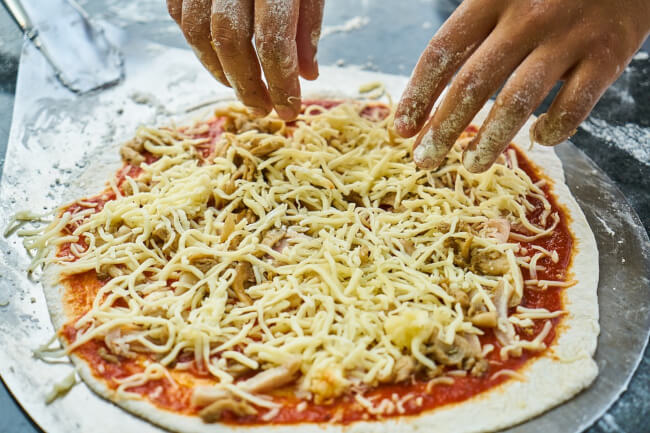
Parmesan’s robust flavor allows it to shine particularly brightly on simpler pizzas where it can assert its presence without competition. This includes classic cheese pizzas, garlic pizzas, or those topped with delicate ingredients like prosciutto, fresh arugula, ripe cherry tomatoes, or rocket. Its capacity to elevate the overall taste experience, especially when used in a blend of cheeses to introduce a savory counterpoint, secures its position as one of the best cheeses for pizza connoisseurs seeking a profound flavor impact.
Chevre: The Adventurous and Dietary-Friendly Option
Chevre, a French term for goat cheese, presents a distinctive and adventurous alternative for pizza toppings. This rindless, soft, white, and creamy cheese is characterized by its strong, tart, and often earthy flavor, which intensifies with maturity. While not traditionally associated with pizza, its unique properties have garnered a following among innovative chefs and home cooks eager to explore new culinary dimensions.
Unlike many cow’s milk cheeses, chevre does not melt into a gooey pool when heated; instead, it softens slightly while retaining its form. This characteristic necessitates breaking the chevre into small, evenly distributed chunks across the pizza base before cooking, ensuring each bite delivers a concentrated burst of flavor. A significant advantage of chevre is its lower lactic acid content compared to cow’s milk cheeses, making it a viable and appealing option for individuals with lactose intolerance.

The tangy profile of chevre pairs exceptionally well with toppings that complement its boldness or offer a sweet counterpoint. These include caramelized onions, sweet figs, roasted bell peppers, peppery arugula, and roasted butternut squash. Chevre offers an exciting departure from conventional pizza cheeses, catering to those with adventurous palates or specific dietary needs, and highlighting the ongoing innovation within the pizza world.
Gruyère Cheese: The Complex and Savory Indulgence
Gruyère, a venerable Swiss cheese named after the town of Gruyères, is celebrated for its intricate complexity and robust flavor. As an aged cheese made from cow’s milk, its texture and taste evolve significantly over time. Young Gruyère is dense and nutty, while older versions become flakier, more granular, and develop deeper, more pronounced earthy and savory notes with a characteristic soft finish. The unique pastures grazed by cows in the Gruyère region are believed to impart an inimitable flavor to the milk, making true Gruyère a challenge to replicate outside its protected designation of origin (PDO) area.
For pizza, Gruyère offers an exceptional melting quality and imparts a rich, savory depth without excessive blistering. Its strong flavor profile means it can stand alone or be the star in a cheese blend, requiring a thoughtful approach to accompanying toppings to avoid overwhelming the palate.

When incorporating Gruyère, less is often more. It harmonizes beautifully with toppings that can complement its intensity without clashing. Suggested pairings include thinly sliced smoked sausage, sweet peppers, savory smoked ham, or even unconventional choices like delicate sliced potatoes. Gruyère elevates a pizza from a casual meal to a sophisticated culinary experience, appealing to those who appreciate rich, complex flavors and a gourmet touch. Its inclusion reflects a growing trend towards elevated pizza offerings in fine dining and artisanal pizzerias.
Camembert Cheese: The Non-Traditional Gourmet Choice
Camembert, a distinguished soft French cheese originating from Normandy, holds the title as one of the most popular white mold cheeses globally. It presents a mild yet distinctly adventurous flavor profile, less intimidating than blue cheeses but offering a significant step beyond conventional mozzarella. Traditionally enjoyed with breads, crackers, wine, and fruit, its foray into pizza applications marks a fascinating shift in culinary boundaries.
While not a conventional pizza cheese, Camembert has found a niche in non-traditional and gourmet pizza creations, appealing to those seeking an exciting and different taste experience. Its creamy, flowing texture when melted transforms the pizza experience, offering a luxurious mouthfeel and a subtle, earthy richness.
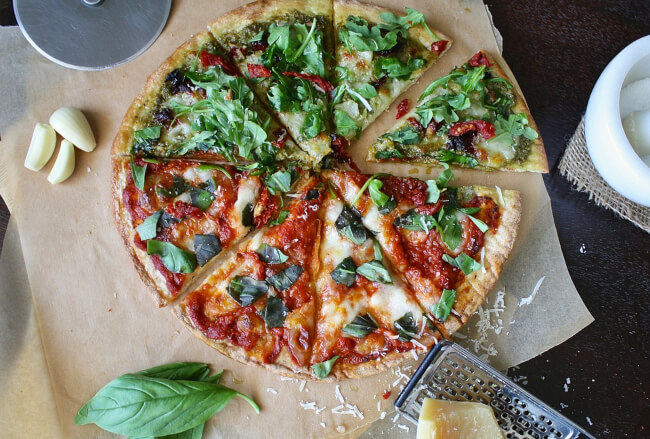
For optimal use on pizza, a simple preparation often suffices: a base brushed with olive oil, layered with generous slices of Camembert, negating the need for a traditional tomato sauce. Its rich, melted character pairs wonderfully with a variety of toppings that can either enhance its creaminess or provide a counterpoint. These include aromatic garlic, vibrant cherry tomatoes, fresh rocket, salty prosciutto, sweet caramelized onions, or even unexpected combinations like nuts, honey, and cranberries, creating a dessert-like pizza or a savory-sweet fusion. Camembert’s presence on a pizza signifies an embrace of culinary innovation and a desire to challenge traditional norms, reflecting broader trends in global gastronomy.
The Science of the Melt and Culinary Trends
The selection of cheese for pizza is not merely a matter of taste but also of culinary science. The ideal pizza cheese exhibits a perfect melt, a desirable stretch (often called "pull"), minimal oil separation, and a pleasant browning without excessive blistering. These characteristics are largely determined by the cheese’s moisture content, fat content, and protein structure. Low-moisture cheeses tend to brown better and release less water, while higher fat content contributes to creaminess and reduces blistering.
Recent culinary trends indicate a growing appreciation for cheese blends on pizza, allowing chefs and home cooks to harness the best attributes of multiple cheeses. A classic blend might combine the stretch and mildness of mozzarella with the sharp flavor of cheddar or the nutty notes of provolone. Gourmet pizzas are increasingly featuring sophisticated cheeses like Gruyère, Chevre, and Camembert, pushing the boundaries of what constitutes "pizza cheese."

Furthermore, the rise of home cheesemaking has empowered enthusiasts to craft their own dairy products, including mozzarella, cheddar, ricotta, gouda, parmesan, chevre, and camembert. This artisanal movement not only offers a deeper understanding of cheese production but also allows for unparalleled freshness and customization in pizza preparation, reflecting a broader consumer trend towards fresh, locally sourced, and handmade ingredients.
Implications for the Pizza Industry and Consumers
The diverse array of cheeses available for pizza has significant implications for both the industry and consumers. For pizza purveyors, strategic cheese selection can be a key differentiator, allowing for niche market targeting—from traditional Neapolitan pizzerias to experimental gourmet establishments. It influences sourcing decisions, supply chain logistics, and menu development.
For consumers, this variety translates into an expansive range of choices, catering to different flavor preferences, dietary needs, and culinary adventures. It encourages experimentation, fosters a deeper appreciation for dairy craftsmanship, and continually reinvents the pizza experience, ensuring its enduring global appeal. The evolving landscape of pizza cheese is a testament to the dish’s adaptability and its unwavering status as a culinary icon.
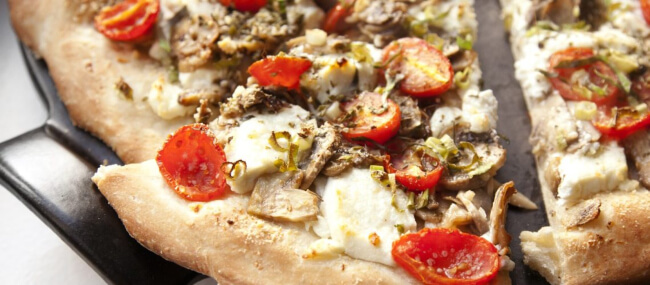
In conclusion, cheese is not merely an ingredient on pizza; it is a fundamental pillar of its identity, offering endless possibilities for flavor, texture, and innovation. The careful consideration of each cheese’s unique properties, from its melting characteristics to its flavor pairings, is paramount to unlocking the full potential of this beloved dish. The journey through the world of pizza cheese is a testament to culinary evolution and the enduring power of a well-chosen dairy product to transform a simple meal into an extraordinary experience.


