
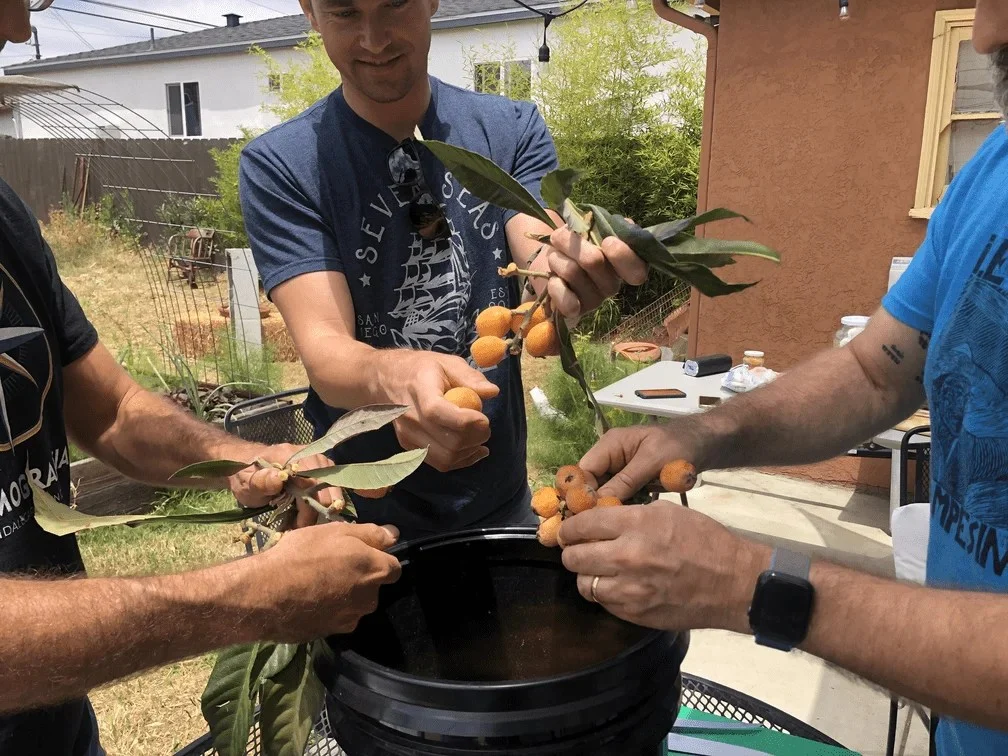
Each spring, from mid-March through mid-May, a distinctive and often overlooked fruit, the loquat (scientific name Eriobotrya japonica), becomes a focal point for home growers and culinary enthusiasts alike. Characterized by its pear-like shape, fuzzy skin, and a blush akin to stone fruit, the loquat yields a prolific harvest, presenting both an opportunity and a challenge due to its short ripening window and high perishability. This seasonal abundance has spurred innovative preservation methods, with fermentation emerging as a particularly effective and health-conscious approach, championed by figures like Austin Durant, founder of Fermenters Club.
The Prolific Nature of the Loquat Tree
Loquat trees, which can grow to impressive heights of 25 feet or more, are renowned for their generous yield. Beyond the fruit, the tree itself offers multiple benefits. Its robust foliage provides a continuous source of carbon-rich material for composting, contributing to sustainable gardening practices. Furthermore, loquat leaves are recognized for their medicinal properties and can be easily brewed into a beneficial tea. The fruit itself, containing one to five shiny seeds, offers a unique flavor profile that distinguishes it from its often-confused relative, the kumquat. The sheer volume of fruit produced annually often results in dozens, if not hundreds, of pounds of this delicacy, necessitating efficient strategies for its utilization.
Historical Context and Cultivation
Native to the cooler hill regions of south-central China, the loquat has a long history of cultivation, dating back over 2,000 years. It was introduced to Japan, where it became widely popular, before making its way to Europe and other parts of the world in the 18th and 19th centuries. Today, it thrives in subtropical and warm temperate climates globally, including parts of the Mediterranean, the southern United States (particularly California and Florida), Australia, and various regions in Asia. Its adaptability and ornamental value, coupled with its delicious fruit, have made it a beloved addition to many gardens. The annual fruiting cycle is a predictable rhythm of spring, a period when the tree’s branches visibly sag under the weight of its ripening bounty, signaling the commencement of the harvest season.
Addressing Perishability: The Imperative for Preservation
The fleeting nature of the loquat harvest underscores the critical need for effective preservation. Once ripe, the fruit has a limited shelf life, making rapid processing essential to prevent spoilage and waste. Traditionally, home growers have turned to classic methods such as making jams, jellies, and preserves to capture the fruit’s unique flavor. However, the modern culinary landscape, particularly with a renewed interest in nutrient density and diverse flavor profiles, has seen a rise in more sophisticated and health-oriented preservation techniques. This drive for innovative solutions aligns with broader trends in sustainable food practices and reducing food waste.
Fermentation: A Modern Approach to an Ancient Fruit
Among the contemporary preservation methods, fermentation stands out for its ability to extend shelf life, enhance nutritional value, and introduce complex new flavors. Austin Durant, a seasoned fermenter with 16 years of experience and the founder of Fermenters Club, highlights fermentation as an ideal solution for the abundant loquat harvest. "The annual loquat harvest has become a true rite of spring for us," Durant states, "and given the fruit’s rapid perishability, we’ve found fermentation to be an incredibly versatile and rewarding way to transform this seasonal delicacy into something that can be enjoyed much longer."
Durant, also the author of "Fearless Fermenting," advocates for creating fermented savory/sweet condiments, such as a loquat chutney, which draws parallels to popular peach-mango chutneys. This approach not only preserves the fruit but also introduces a tangy, umami depth that can complement a wide array of dishes. Fermented products offer significant health benefits, including supporting gut health through probiotics, and often result in more digestible nutrients. The process of fermentation also allows for the development of unique flavor profiles that cannot be achieved through other preservation methods, making fermented loquat products a culinary innovation.
The Rise of Home Fermentation and Sustainable Practices
The increased interest in fermenting fruits like loquats is part of a larger global movement towards home-based food production, sustainable living, and a deeper connection to food sources. This trend is fueled by several factors, including a growing awareness of gut health, a desire for natural and additive-free foods, and an emphasis on reducing food waste. Individuals and organizations like Fermenters Club play a pivotal role in educating the public on safe and effective fermentation techniques, empowering communities to take control of their food supply and embrace more sustainable lifestyles.
Durant’s personal interests, extending to permaculture gardening and a holistic approach to food, further exemplify this ethos. Permaculture principles, which focus on creating self-sustaining agricultural ecosystems, naturally align with utilizing every part of a prolific plant like the loquat, from its leaves for medicinal teas to its fruit for diverse culinary applications. This integrated approach minimizes waste and maximizes the ecological and nutritional output of the garden.
Nutritional Profile and Health Implications
Loquats are not only delicious but also boast an impressive nutritional profile. They are a good source of vitamins A and C, essential for vision and immune function, respectively. They also contain vital minerals such as potassium, which supports heart health, and manganese, an important antioxidant. Furthermore, loquats are rich in dietary fiber, aiding digestion and promoting satiety. When fermented, these benefits can be amplified, as the fermentation process can increase the bioavailability of certain nutrients and introduce beneficial probiotics, further enhancing gut health. The medicinal properties of loquat leaves, traditionally used in teas for their anti-inflammatory and antioxidant compounds, add another layer to the plant’s overall health benefits, making the loquat tree a veritable natural pharmacy.
Broader Impact and Future Outlook
The seasonal loquat harvest, while often localized to private gardens, represents a microcosm of larger discussions surrounding food sustainability, local food systems, and culinary adaptability. As interest in unique, locally grown produce continues to grow, there is potential for loquats to gain wider recognition beyond home cultivation. Community initiatives, such as fruit gleaning programs and local food swaps, could further facilitate the distribution and utilization of surplus loquats, reducing waste on a broader scale.
Organizations like Fermenters Club, by promoting innovative preservation techniques, are not just offering recipes but fostering a culture of self-sufficiency and culinary creativity. The engagement of experts like Austin Durant provides credible guidance, encouraging individuals to explore the transformative power of fermentation. This engagement helps ensure that seasonal bounties, like the loquat, are not just fleeting delights but can be transformed into lasting culinary treasures, contributing to both personal well-being and a more sustainable food future. The annual loquat harvest thus stands as a testament to nature’s generosity and human ingenuity in harnessing its gifts for enduring benefit.


