
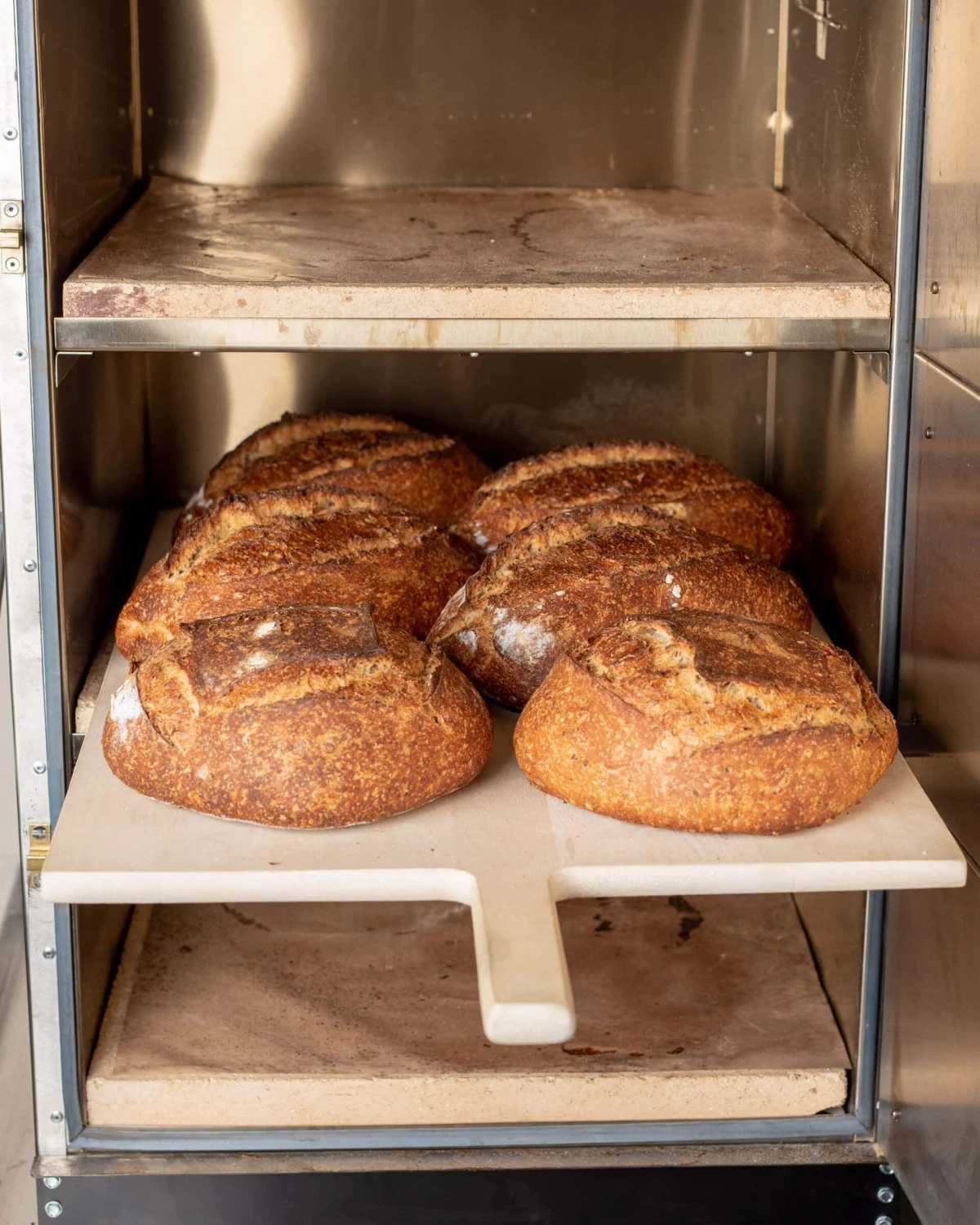
The pursuit of artisanal bread making has seen a significant surge in recent years, with enthusiasts moving beyond casual experimentation to seeking professional-grade equipment to scale their craft. Among the specialized tools gaining traction, the Rofco B40 electric stone oven stands out as a pivotal solution for serious home bakers and emerging micro-bakeries aiming to elevate their production capabilities. This Belgian-made appliance offers a unique blend of compact design and formidable baking power, effectively bridging the gap between standard home ovens and full-scale commercial units.
The Evolution of Home Baking: A Demand for Specialized Equipment
The burgeoning interest in sourdough and other traditional bread-making techniques has naturally led many dedicated home bakers to confront the limitations of conventional kitchen appliances. While a standard home oven can comfortably accommodate one or two loaves, the desire to bake larger quantities—whether for personal consumption, community sharing, or small-scale commercial ventures like farmers’ markets—quickly necessitates more robust infrastructure. This transition marks a critical point in a baker’s journey, often driven by a deepening obsession with the intricacies of fermentation, dough handling, and flavor development. The Rofco B40 addresses this specific demand by providing an efficient, high-capacity baking environment that remains suitable for a home setting.
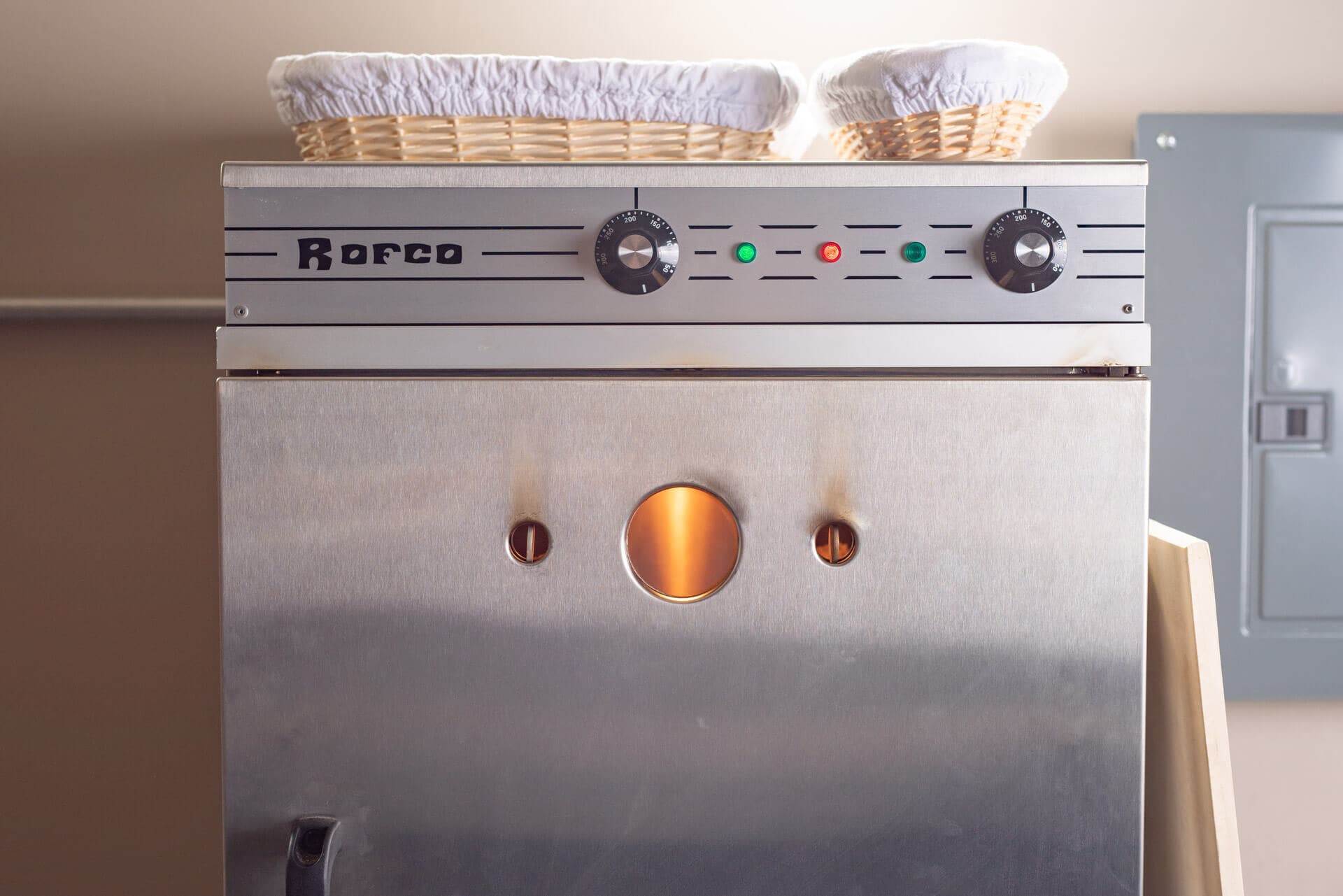
The shift towards larger volume production is not merely about quantity; it’s also about optimizing the baking process itself. As dough quantities increase, so does the need for tools that enhance efficiency and consistency. Experienced bakers recognize that while it is technically possible to bake substantial amounts in a home kitchen, the right equipment liberates their focus, allowing them to concentrate on the nuanced aspects of bread quality rather than logistical constraints. The Rofco B40, with its specialized design, promises to be a natural progression for those committed to refining their baking evolution.
Understanding the Rofco B40: Design and Technical Specifications
At its core, the Rofco B40 is a purpose-built electric stone oven manufactured in Belgium, renowned for its no-nonsense construction and robust performance. It is the largest model in Rofco’s range, featuring three square baking decks, each measuring 18.9 inches by 18.9 inches. This multi-deck configuration allows for simultaneous baking of multiple loaves, a significant upgrade from single-deck home ovens.
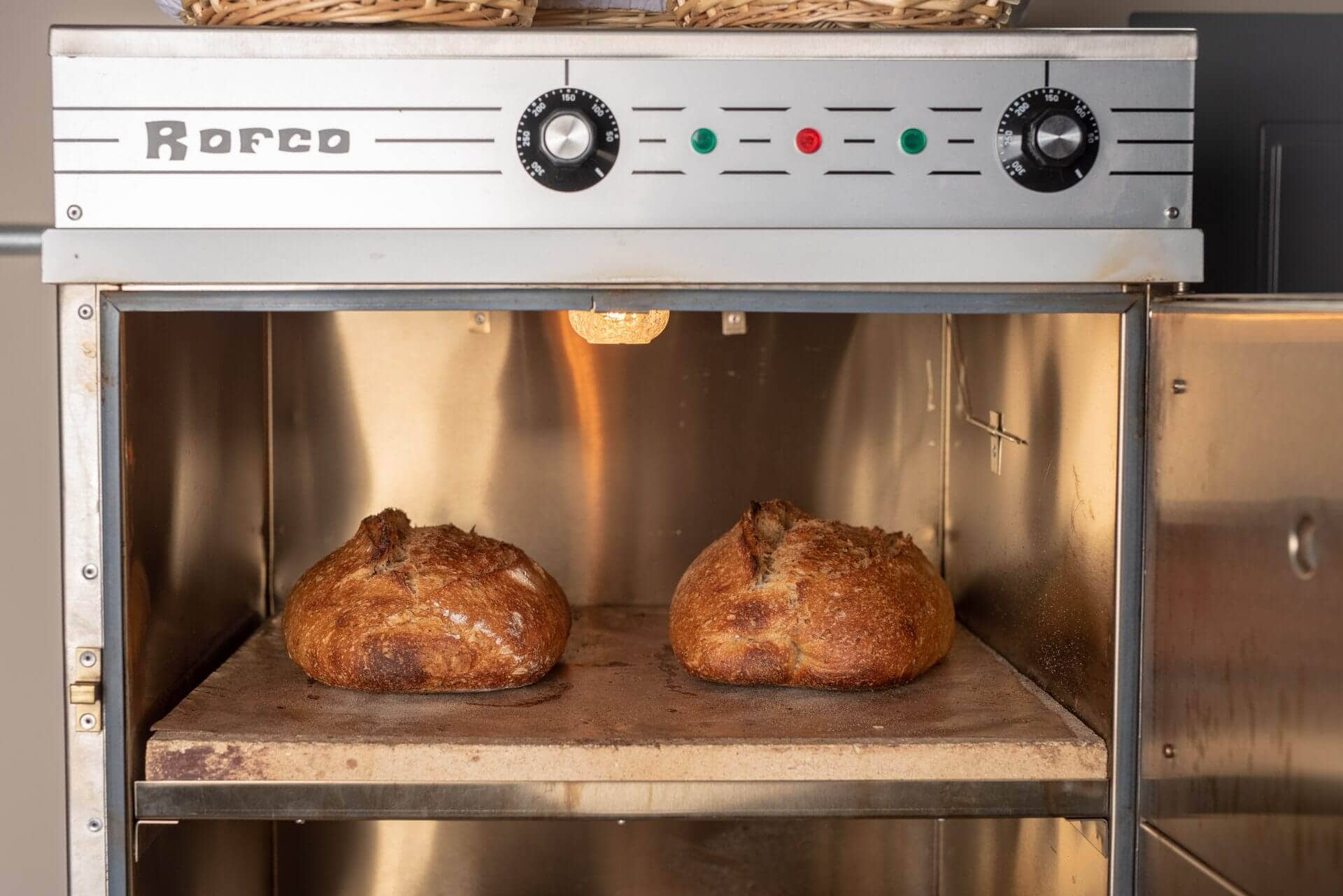
A defining characteristic of the Rofco B40 is its use of 1-3/8-inch thick chamotte deck stones, also known as refractory bricks. These substantial stones are critical for the oven’s exceptional heat retention capabilities. Once preheated, they absorb and store a significant amount of thermal energy, ensuring a stable baking temperature even after the oven door is opened for loading dough. This feature is paramount for achieving consistent oven spring and crust development across multiple loaves and enables efficient back-to-back bakes with minimal recovery time.
Despite its powerful capabilities, the Rofco B40 is designed with practicality in mind. Its sealed oven chamber minimizes external radiant heat, meaning the oven gets hot to the touch but not excessively so, allowing for its placement closer to walls or other appliances in a home kitchen environment. This compact footprint, combined with its operational efficiency, makes it a viable option where space might be a constraint for larger commercial equipment.
From an electrical standpoint, the Rofco B40 operates on typical 220V AC single-phase power, requiring a 6-20P cord plug and a compatible 6-20R receptacle. This necessitates a dedicated electrical circuit, often requiring installation by a certified electrician in most residential settings. This initial infrastructure investment underscores the oven’s professional-grade nature and its intended use for sustained, high-performance baking.

Operational Best Practices: Maximizing the Rofco B40’s Potential
Operating the Rofco B40 effectively involves a systematic approach to preheating, dough positioning, steaming, and baking cycles, each optimized to leverage the oven’s unique design.
- Preheating Protocol: Optimal performance hinges on thorough preheating. The oven should be turned on with both left and right dials set to 240°C (464°F) and allowed to preheat for a minimum of 1.5 hours. This extended period ensures that the thick chamotte bricks are fully saturated with heat, providing the stable thermal environment necessary for consistent baking.
- Optimized Deck Utilization: The three square decks of the B40 present an opportunity for strategic dough placement, akin to a real-life game of Tetris, to maximize capacity while ensuring even baking. Common configurations include two 900g batard-shaped loaves per deck, two 800g boules, or four 700g smaller loaves. The even distribution of heat within the sealed chamber generally reduces the need for frequent rotation, though occasional reshuffling during the bake can optimize uniformity across larger batches. The oven also accommodates smaller items like buns, rolls, or pizzas, particularly when utilizing the optional square steel trays for easier transfer and spill containment.
- The Critical Role of Steam: Achieving an excellent crust and maximum oven spring in artisan bread requires adequate steam at the beginning of the bake. While the Rofco B40’s sealed chamber is advantageous for steam retention, it lacks an integrated steam injection system found in larger commercial ovens. Therefore, manual steam generation methods are employed:
- High-Pressure Sprayer: Many users, including experienced bakers, favor a commercial-grade pressure sprayer, such as an Electric Spray Bottle, set to its finest mist setting. After loading dough, 10-12 seconds of spraying per deck, moving from bottom to top, is recommended. A second quick spray just before fully closing the door enhances steam saturation. Caution is advised to avoid spraying the glass-enclosed light fixture, which can crack if exposed to cold water.
- Steam Pods: Rofco offers optional rectangular steel steam pods designed to be preheated on the decks. Water or ice cubes poured into these hot pods rapidly generate steam. While effective, these pods occupy valuable deck space, leading many high-volume bakers to prefer the sprayer method for maximum loaf capacity.
- Venting Steam: After the initial steam-rich phase, venting the oven is crucial for crust development. This is typically achieved by carefully opening the door briefly to release the initial rush of steam, then tilting the circular vents in the door to their open position.
- Standard Baking Cycle: A widely adopted baking process for many formulas in the Rofco B40 involves a multi-stage approach:
- Preheat: 1 hour 30 minutes at 240°C (464°F) with door and vents closed.
- Initial Bake (with steam): 20 minutes at 150°C (302°F).
- Mid-Bake (vent steam): 10 minutes at 220°C (428°F) after briefly opening the door and swiveling vents open.
- Final Bake: 20-30 minutes at 150°C (302°F), with optional reshuffling of loaves for even coloration.
Upon completion, loaves are removed with a peel and placed on wire racks to cool. The oven can then be turned off or reheated to 240°C for subsequent batches.
Essential Supporting Tools and Infrastructure

Beyond the oven itself, several ancillary tools and infrastructural considerations significantly enhance the Rofco B40 baking experience:
- Dedicated Electrical Circuit: As mentioned, the 220V AC power requirement necessitates a professional electrician to install a new receptacle and breaker in the home’s electrical panel, ensuring safe and reliable operation.
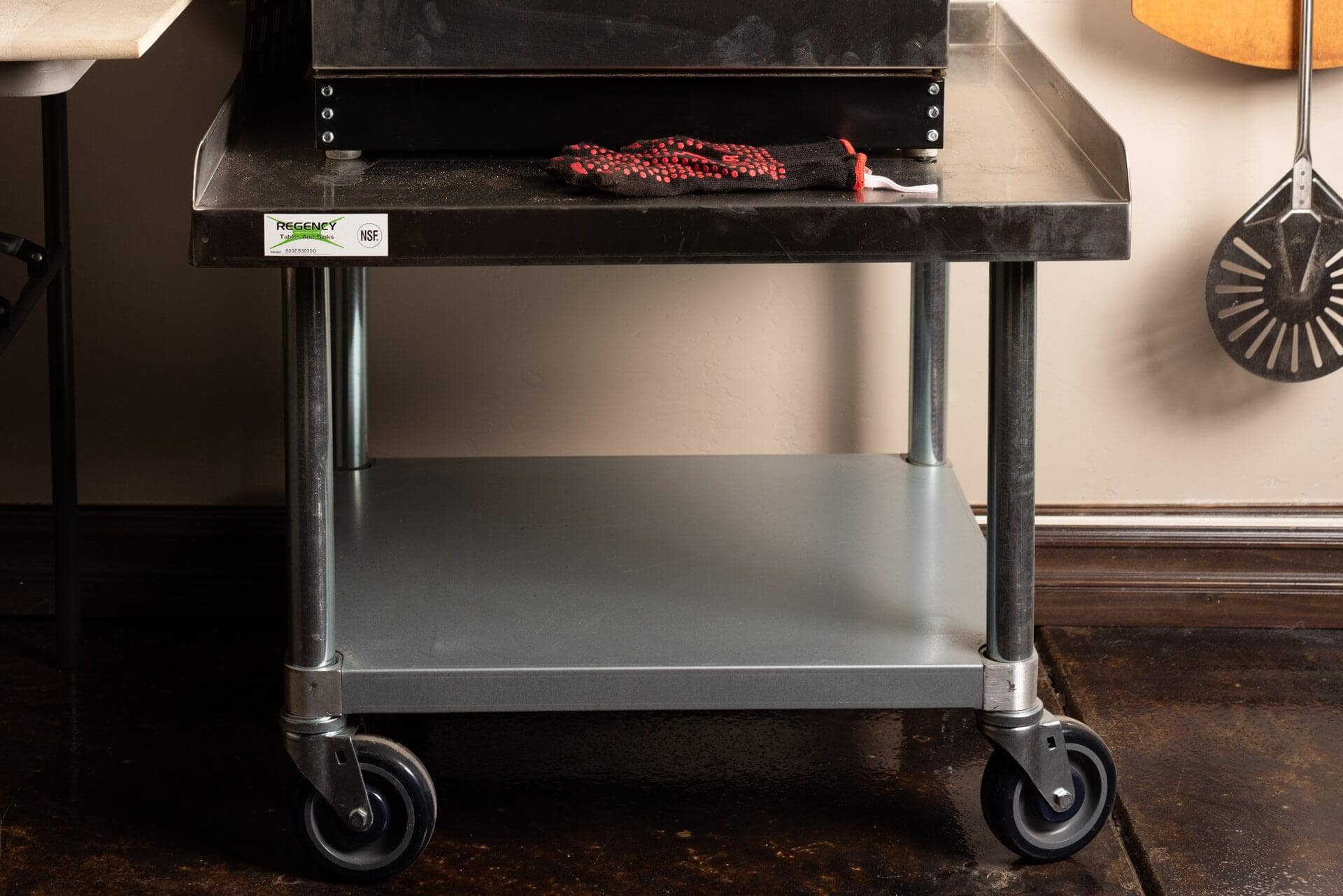
- Oven Equipment Stand: To facilitate ergonomic loading and unloading, raising the oven to a comfortable working height is highly recommended. A custom-cut stainless steel equipment stand, such as the Regency 30" x 30" 16-Gauge Stand, adjusted to an ideal height (e.g., 18 inches for the legs), provides a stable and durable base. While casters offer mobility, fixed legs can enhance structural rigidity for stationary setups.
- Large Wooden Pizza Peel: An essential tool for efficient dough transfer, a large wooden peel (e.g., American Metalcraft 1836, 18" x 29.5") proves invaluable. Its width, closely matching the Rofco B40’s decks, allows for seamless sliding of silicone sheets with dough into and out of the oven, streamlining the loading process compared to cumbersome steel trays.
- Silicone Baking Sheets: These non-stick sheets are critical for easy transfer and prevent dough from sticking to the oven decks, especially when moving multiple loaves with a peel.
- Commercial-Grade Pressure Sprayer: For manual steam generation, the Electric Spray Bottle is highly praised for its ability to deliver a consistent, fine mist, outperforming manual pump sprayers in efficiency and ease of use.
Beyond Baking: Practical Tips and Future Considerations
The utility of the Rofco B40 extends beyond just baking. A practical tip shared by experienced users is to utilize the residual heat after baking to dry proofing baskets (bannetons). Placing damp baskets in the cooling oven helps to quickly dry their liners or canvas, preventing mold formation and ensuring they are ready for future use.
For bakers considering the Rofco B40, it is important to anticipate a slight learning curve. As with any new piece of specialized equipment, an initial dip in baking quality is common as one adjusts to the oven’s unique characteristics and workflow. Starting with a straightforward sourdough recipe and practicing consistently is advised to master the new process before experimenting with more complex formulas.
Market Impact and Broader Implications
The Rofco B40 fills a crucial market niche, empowering both dedicated home bakers and nascent micro-bakeries. For the former, it offers the capacity to bake truly significant quantities of artisan bread, transforming a hobby into a substantial personal production. For the latter, it provides a cost-effective entry point into commercial production, allowing small businesses to supply local farmers’ markets or direct-to-consumer sales without the massive upfront investment and space requirements of industrial ovens.

Suppliers like Pleasant Hill Grain in the US play a vital role in this ecosystem, providing not only the equipment but also crucial customer service and support, which is often highlighted by users as a significant factor in their satisfaction.
As the demand for high-quality, locally produced artisan bread continues to grow, the Rofco B40 stands as a testament to how specialized, well-engineered equipment can democratize professional-level baking. It represents a significant step for those looking to scale their passion, offering a robust, efficient, and reliable solution that supports the ongoing evolution of the artisanal baking movement. For those contemplating even larger production scales, the Rofco B40 serves as an excellent stepping stone, with options like the Famag spiral dough mixer for increased dough handling capacity or the RackMaster 2020 Bread Oven for even greater baking volume representing the next stages in professional equipment expansion. The Rofco B40, however, remains a formidable workhorse, delivering consistent quality and efficiency for its target demographic.


