
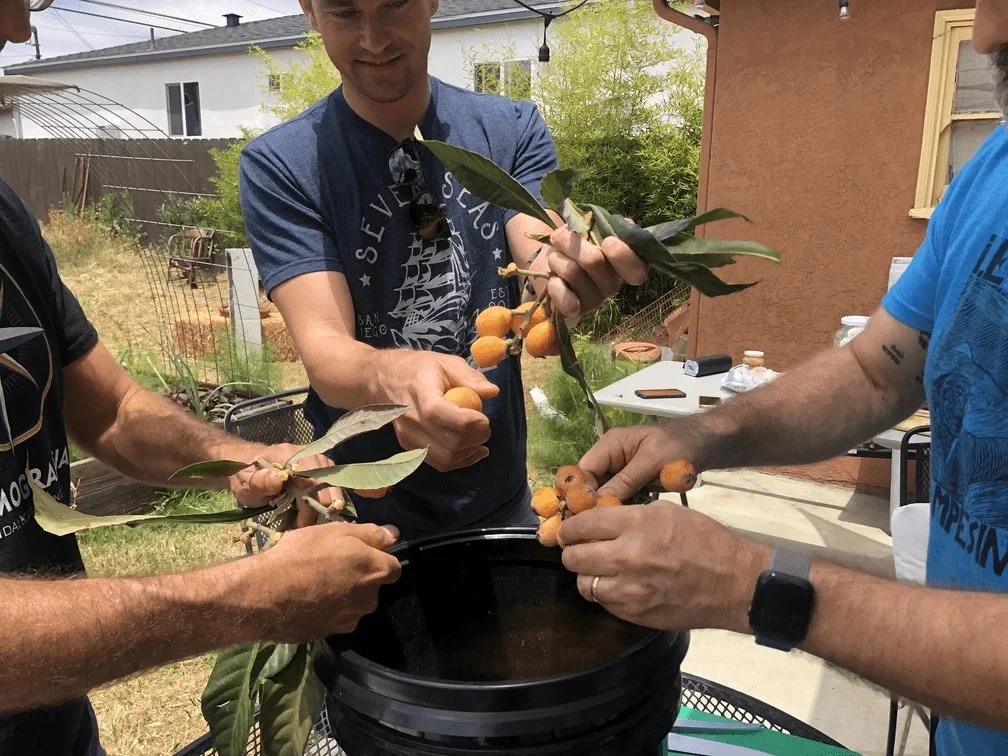
The loquat tree (Eriobotrya japonica), a resilient evergreen native to southeastern China, stands as a testament to nature’s abundance, often yielding an extraordinary seasonal harvest that challenges home growers and culinary enthusiasts alike with its sheer volume and brief window of ripeness. From mid-March through mid-May, branches of mature loquat trees can become heavily laden with their distinctive, pear-like fruits, presenting both a delightful opportunity for fresh consumption and a significant imperative for preservation to prevent considerable waste. This annual event has fostered a renewed interest in traditional and innovative methods of food preservation, with fermented condiments like loquat chutney emerging as a particularly effective and flavorful solution, enhancing the fruit’s natural attributes while extending its culinary utility far beyond its short season.
A Botanical Marvel: The Loquat Tree’s Enduring Appeal
The loquat, often mistaken for the kumquat due to a phonetic similarity, belongs to the Rosaceae family, sharing lineage with apples, pears, and plums. Its journey from its native China, where it has been cultivated for over 2,000 years, to various subtropical and warm temperate regions globally, including Japan, India, the Mediterranean, and parts of the United States (notably California and Florida), underscores its adaptability and robustness. A mature loquat tree, capable of reaching heights of 20 to 30 feet, is characterized by its large, dark green, leathery leaves with serrated edges, which are not only aesthetically pleasing but also possess recognized medicinal properties.
Historically, loquat leaves have been utilized in traditional medicine, particularly in East Asia. Scientific investigations have identified various beneficial compounds within the leaves, including triterpenes, flavonoids, and polyphenols. These compounds contribute to the leaves’ purported anti-inflammatory, antioxidant, and antitussive effects. Commonly prepared as a tea, loquat leaf infusions are traditionally consumed to alleviate respiratory ailments such as coughs and bronchitis, and more recently, research has explored their potential in managing blood sugar levels and supporting skin health. Beyond their therapeutic value, the prolific shedding of these leaves provides a continuous source of organic matter, a boon for sustainable gardening practices like composting, enriching soil health and sequestering carbon.
The Seasonal Delicacy: A Springtime Harvest and Its Challenges
Every spring, the loquat tree transforms, its sturdy branches bowing under the weight of clusters of small, oval to round fruits. Each fruit, with its slightly fuzzy, blushing skin, reminiscent of a delicate stone fruit, encases a succulent, tangy-sweet flesh that can range in color from pale yellow to a vibrant orange. Within its core, one typically finds between one and five smooth, dark brown, glossy seeds, which are easily removed. The flavor profile is complex, often described as a delicate blend of apricot, plum, and citrus with subtle floral undertones, making it a unique culinary ingredient.
The annual harvest of loquats is, for many growers, a significant seasonal undertaking. A single well-established tree can produce dozens, even hundreds, of pounds of fruit within its relatively short fruiting window, typically spanning from late March through May. This abundance, while a blessing, also presents a considerable challenge: the fruit is highly perishable. Unlike many commercially cultivated fruits bred for extended shelf life, loquats bruise easily, have thin skins, and their sugar content rapidly increases once ripe, making them susceptible to spoilage within days of picking. This inherent perishability necessitates swift action, driving growers and home gardeners to explore diverse preservation methods to capture the ephemeral bounty.
Nutritional Profile and Health Benefits
Beyond its delightful taste, the loquat fruit is a powerhouse of nutrition. It is a good source of dietary fiber, which aids digestion and promotes gut health. It contains significant amounts of Vitamin A, crucial for vision and immune function, and Vitamin C, a potent antioxidant that supports skin health and immune response. Essential minerals such as potassium, manganese, and magnesium are also present, contributing to various bodily functions, including blood pressure regulation and bone health. The fruit’s vibrant color is indicative of its carotenoid content, another class of antioxidants that combat oxidative stress.
The combined nutritional benefits of both the fruit and the leaves make the loquat a valuable asset in a healthy diet. While the seeds contain amygdalin, a cyanogenic glycoside, which can convert to hydrogen cyanide, the small quantity present in the seeds typically poses no threat when the seeds are discarded during preparation, as is customary for culinary uses.
The Art of Preservation: From Jam to Fermented Chutney
Given the loquat’s brief shelf life, preservation becomes paramount. Traditionally, fruits like the loquat have been transformed into jams, jellies, and preserves. Loquat jam, with its bright flavor and appealing texture, is a popular choice, extending the fruit’s enjoyment for months. The process typically involves cooking the pitted and peeled fruit with sugar, sometimes with added pectin or lemon juice to achieve the desired set. These methods effectively concentrate the fruit’s sugars and acids, creating an environment inhospitable to spoilage microorganisms.
However, a growing trend in culinary circles and among home food preservers is the exploration of fermentation as a preservation technique. Fermentation not only extends shelf life but also introduces complex flavors and enhances nutritional value, particularly by creating probiotic-rich foods beneficial for gut health. This approach aligns well with contemporary interests in gut microbiome health and natural food processing.
Fermented loquat chutney stands out as an innovative and versatile application. Chutneys, originating from the Indian subcontinent, are savory or sweet condiments typically made from fruits, vegetables, spices, and vinegar. By introducing fermentation, the traditional chutney recipe gains a new dimension. The process involves beneficial bacteria (often lactic acid bacteria) converting sugars in the fruit into lactic acid, acetic acid, and other compounds. This not only lowers the pH, inhibiting the growth of spoilage organisms, but also develops a unique depth of flavor, often described as a tangy, umami-rich complexity that complements the loquat’s inherent sweetness and slight tartness.
The Fermentation Process for Loquat Chutney
Creating fermented loquat chutney typically involves several key steps:
- Preparation: Loquats are cleaned, pitted, and often peeled. They are then chopped or pureed.
- Ingredient Combination: The prepared loquats are mixed with a selection of complementary ingredients. Common additions include onions, garlic, ginger, chilies for heat, and spices such as mustard seeds, cumin, coriander, turmeric, and fenugreek. Sweetening agents like brown sugar or dates can balance the tartness, while a touch of salt is essential for the fermentation process and flavor.
- Initiation of Fermentation: A starter culture, such as a small amount of whey from yogurt, sauerkraut juice, or simply relying on naturally occurring lactic acid bacteria on the fruit and vegetables, can be used. The mixture is then packed into a clean, air-tight jar.
- Fermentation Period: The jar is typically left at room temperature for several days, usually between 4 to 7 days, allowing the beneficial bacteria to multiply and transform the ingredients. Regular "burping" of the jar to release built-up gases is often necessary. The exact duration depends on ambient temperature and desired flavor profile.
- Storage: Once fermentation reaches the desired stage, the chutney is transferred to refrigeration, where its stable, acidic environment allows for extended storage, often for several months.
The resulting fermented loquat chutney offers a dynamic flavor profile—a balance of sweet, sour, spicy, and umami notes—making it an excellent accompaniment to a wide array of dishes. It can elevate grilled meats, curries, cheese boards, sandwiches, or even be incorporated into salad dressings.
Austin Durant and The Fermenters Club: Championing Sustainable Practices
The growing interest in home fermentation and sustainable food practices finds a strong advocate in individuals like Austin Durant, founder of Fermenters Club and author of "Fearless Fermenting." With 16 years of experience in fermenting food, Durant embodies a philosophy that intertwines culinary art with environmental consciousness. His personal experience with a prolific loquat tree in his yard, which he refers to as a source of "free carbon" for his compost pile, highlights the practical application of permaculture principles. Permaculture, a holistic design system for sustainable living, emphasizes working with nature rather than against it, focusing on creating self-sufficient and regenerative ecosystems.
Durant’s work through Fermenters Club and his book "Fearless Fermenting" serves to demystify fermentation, making it accessible to a broader audience. He champions methods that not only preserve food but also enhance its nutritional value and flavor, contributing to a more resilient and sustainable food system. His approach reflects a broader societal shift towards mindful consumption, reducing food waste, and embracing the health benefits associated with fermented foods.
Broader Implications: Food Security, Sustainability, and Health
The story of the loquat and its preservation methods extends beyond individual gardens and kitchens, touching upon significant global themes:
- Food Waste Reduction: The perishability of fruits like loquats contributes to substantial food waste globally. Promoting home preservation techniques, especially for seasonal gluts, empowers individuals to convert potential waste into valuable food products, thereby reducing their environmental footprint.
- Local Food Systems and Food Security: Encouraging the cultivation and utilization of locally adapted fruit trees like the loquat strengthens local food systems. It fosters appreciation for seasonal produce and reduces reliance on long-distance transportation, which has significant carbon implications. In a world facing climate change and supply chain disruptions, localized food production and preservation become increasingly important for community resilience and food security.
- Environmental Sustainability: Practices like composting loquat leaves align directly with circular economy principles, where waste is minimized, and resources are continually reused. This contrasts sharply with linear economic models that often lead to excessive waste and depletion of natural resources. Permaculture gardening, as practiced and advocated by Durant, offers a blueprint for sustainable land management that benefits both humans and the environment.
- Public Health and Wellness: The rising popularity of fermented foods is intrinsically linked to growing scientific understanding of the human gut microbiome. Fermented foods are natural sources of probiotics, beneficial microorganisms that can support digestive health, enhance nutrient absorption, and potentially influence immune function and mental well-being. Incorporating fermented loquat chutney into the diet represents a delicious way to harness these health benefits.
- Culinary Diversity and Innovation: The exploration of fruits like the loquat, often overlooked by mainstream agriculture, enriches culinary diversity. Developing new recipes and preservation methods encourages gastronomic creativity and introduces unique flavors to the palate, contributing to a vibrant food culture.
Expert Perspectives and Future Outlook
Horticultural experts consistently highlight the loquat’s resilience and adaptability, making it an ideal candidate for home gardens and small-scale orchards in suitable climates. Its relatively low maintenance requirements and consistent high yields make it an attractive option for those looking to diversify their edible landscapes. Nutritionists commend the fruit’s rich profile of vitamins, minerals, and antioxidants, advocating for its inclusion in varied diets, especially during its peak season.
Food scientists are increasingly interested in the bio-active compounds found in loquats, exploring their potential applications in functional foods and natural health supplements. The rise of artisan food producers also points to a future where loquat-based products, from gourmet jams to innovative fermented sauces, could find a broader market, moving the fruit from a backyard curiosity to a recognized culinary ingredient. Educational initiatives, often spearheaded by community groups and organizations like Fermenters Club, play a crucial role in disseminating knowledge about cultivation, harvesting, and preservation techniques, ensuring that the bounty of the loquat tree is fully appreciated and utilized.
In conclusion, the annual proliferation of the loquat fruit presents a compelling narrative of nature’s generosity, the challenges of perishability, and humanity’s ingenuity in preserving and transforming its bounty. From its ancient origins and medicinal leaves to its vibrant fruit and the innovative fermented chutneys it inspires, the loquat stands as a powerful symbol of sustainable living, culinary creativity, and the enduring value of connecting with our food sources. Its story resonates with broader themes of food security, environmental stewardship, and the pursuit of holistic well-being, solidifying its place as a truly remarkable and underappreciated botanical treasure.


