The increasing ambition of home bakers to transition from modest batches to formidable quantities of artisanal bread has led many to seek specialized equipment capable of bridging the gap between domestic and professional-grade production. This pursuit often culminates in the acquisition of robust, purpose-built appliances, with the Belgian-made Rofco bread oven emerging as a prominent solution for those aiming to elevate their craft. This guide delves into the operational intricacies, practical applications, and broader implications of integrating a Rofco oven into a serious home or micro-bakery setup, drawing on extensive user experience and technical specifications.
The Evolving Landscape of Home Baking and the Drive for Scale
The past decade has witnessed a significant surge in home baking, particularly in sourdough and artisanal bread production. Catalyzed by global events and a growing consumer demand for high-quality, locally produced goods, many amateur bakers have found themselves reaching the limits of conventional home ovens. The aspiration to consistently bake multiple loaves—perhaps six at a time, a quantity formidable in a domestic setting but modest by commercial standards—naturally precipitates a search for more efficient tools. This evolution is not merely about volume; it’s about optimizing conditions for flavor development, precise fermentation control, nuanced dough handling, and consistent shaping, aspects that become increasingly manageable with specialized equipment.
For many, this journey begins with a subtle, slow-burning obsession. What starts as a hobby can blossom into a dedication that demands infrastructure upgrades. Some bakers might choose to expand into nano or micro-bakeries, selling their creations at local farmers’ markets or through direct-to-consumer models. Regardless of the impetus behind scaling up, the fundamental need remains the same: an oven that can handle larger quantities, maintain stable temperatures, and provide consistent results. The Rofco oven addresses this critical demand, offering a robust platform for bakers ready to move beyond the constraints of standard kitchen appliances.
Introducing the Rofco Bread Oven: A Bridge to Professionalism
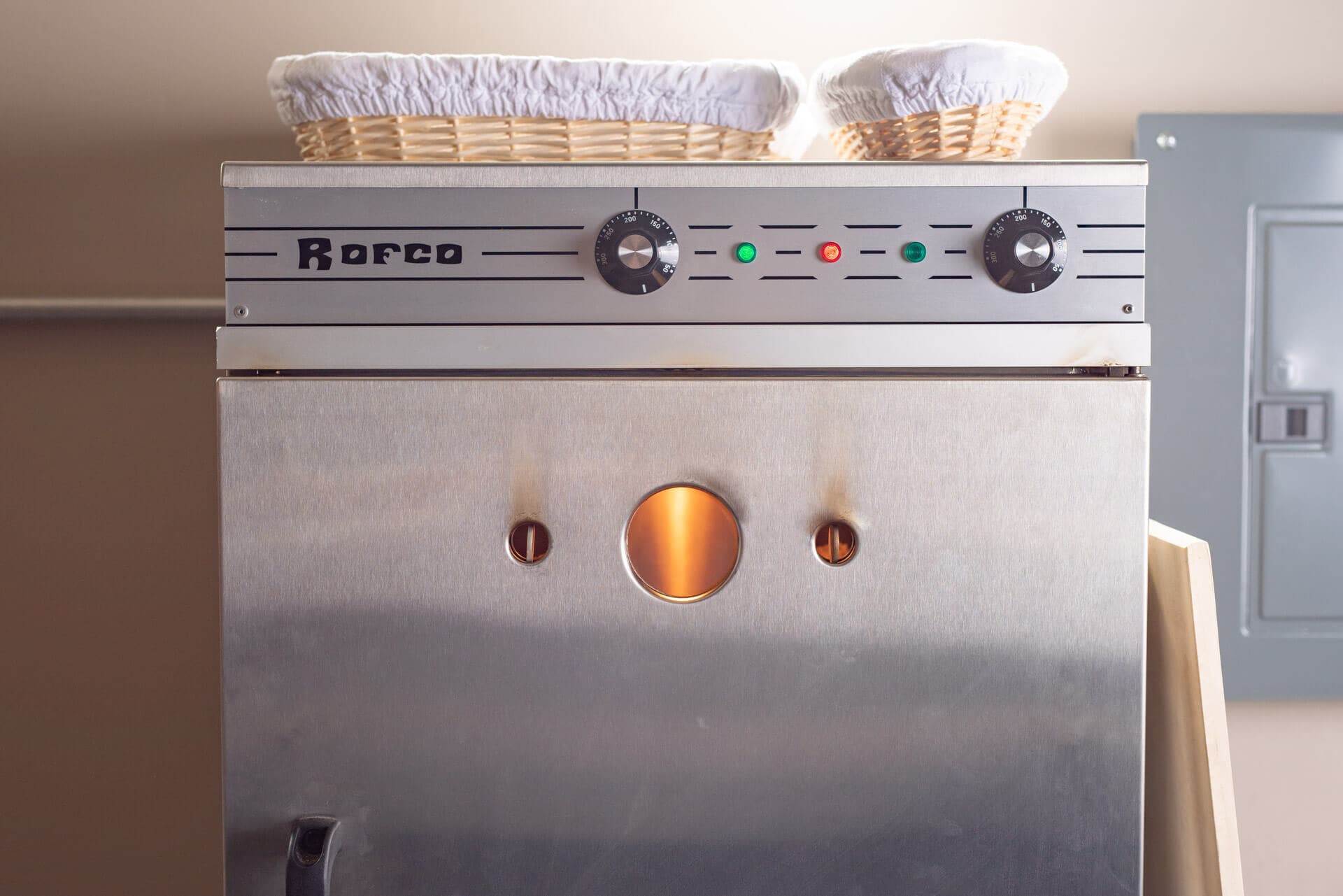
The Rofco bread oven, a product of Belgian engineering, stands out as a dedicated brick oven designed specifically for bread baking. Available in various models, with the B40 being a popular choice for its generous capacity, it features three square baking decks constructed from thick chamotte refractory bricks. These 1-3/8″ thick stones are pivotal to the oven’s performance, possessing exceptional heat retention capabilities that are crucial for achieving a superior crust and consistent crumb development, even after repeated door openings for loading and unloading dough.
Its construction is characterized by a no-nonsense, utilitarian design. The oven boasts a sealed chamber that minimizes external radiant heat, allowing it to be placed relatively close to walls or other appliances without significant heat transfer, a practical advantage in space-constrained home kitchens. The Rofco B40, for instance, operates on typical 220V AC single-phase power, a common electrical standard for larger household appliances in many regions. However, this often necessitates a dedicated electrical circuit and receptacle installation by a qualified electrician, a key consideration for prospective owners. This robust power supply ensures that the oven can reach and maintain the high temperatures required for effective bread baking.
User testimonials consistently highlight the Rofco’s reliability and straightforward functionality. It is described as a "bare-bones workhorse" that delivers precisely what is needed without unnecessary complexities. Its simple design also contributes to its ease of repair, featuring components that are generally accessible and replaceable, thus ensuring a long operational life. The consistent, even baking achieved across all decks is a primary factor in its strong recommendation for serious home bakers or nascent professionals seeking to produce more than just a couple of loaves at a time.
The Decision to Upgrade: A Baker’s Journey and Chronology
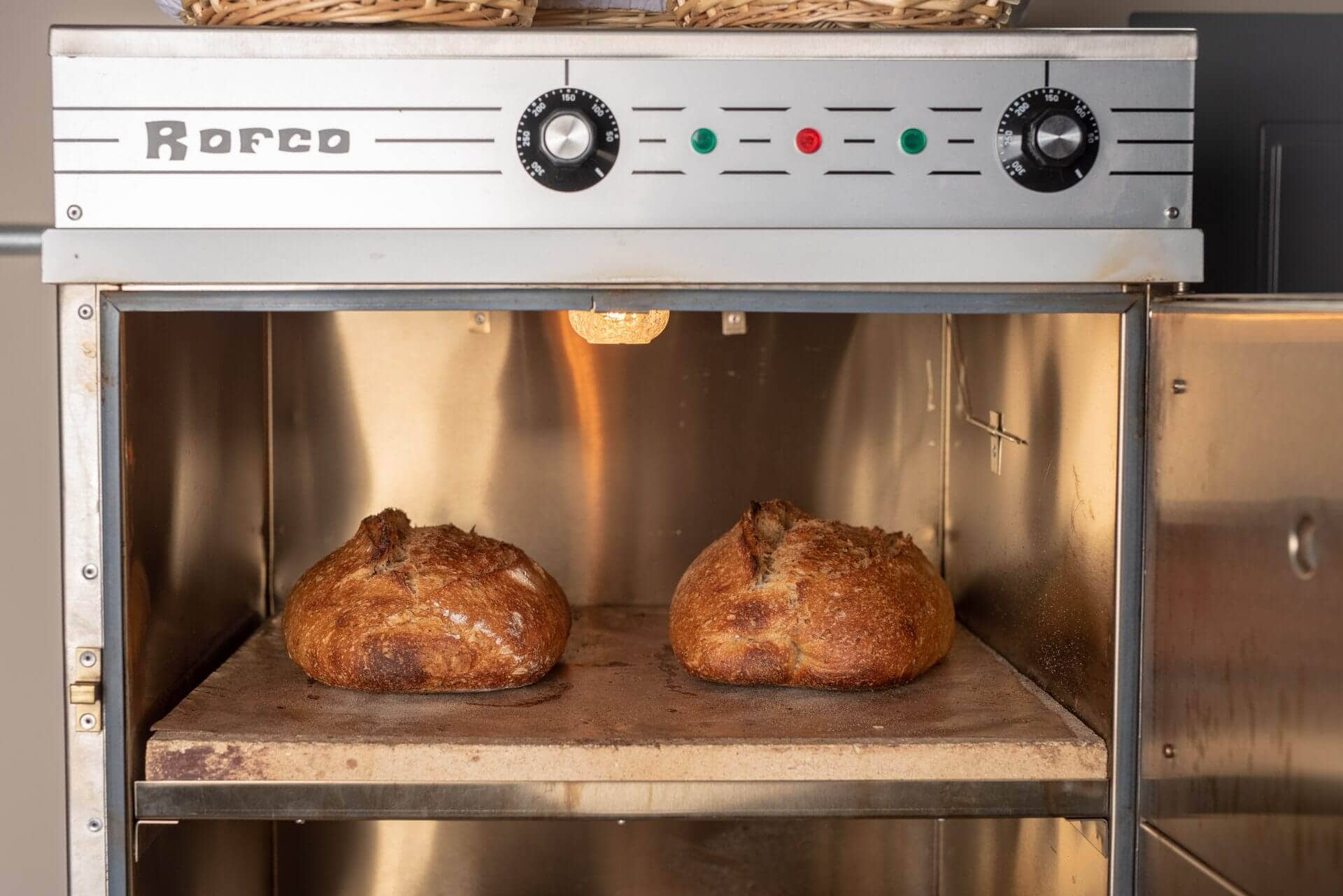
The journey to acquiring a Rofco typically follows a discernible chronology for dedicated bakers. Initially, there’s the realization of limitations with a standard home oven—perhaps struggling to bake more than two loaves effectively, or experiencing uneven browning and temperature fluctuations. This leads to a period of "wishing" for more capacity, which gradually intensifies into an "active search" for solutions. Research often reveals a spectrum of options, from upgrading existing home ovens with baking steels to exploring dedicated electric ovens.
The Rofco often enters this consideration when bakers aim for consistent output of four to six loaves or more, a volume that pushes a typical residential oven beyond its design parameters. The decision to invest in such a specialized piece of equipment is often driven by a desire for improved efficiency and quality, allowing the baker to shift their focus from wrestling with oven limitations to refining the art of baking itself: exploring new flavors, perfecting fermentation schedules, and mastering dough handling and shaping techniques. For many, the Rofco represents a natural and logical progression in their "baking evolution."
Acquisition usually involves specialized distributors. In the US, Pleasant Hill Grain is frequently cited for its exemplary customer service and responsiveness, from initial inquiries to post-purchase support for minor issues. While some users may receive discounts, the information shared about the oven’s performance and operational guide is typically based on independent, objective experience, reflecting a commitment to helping other bakers navigate their own scaling-up decisions.
Operational Excellence: Maximizing Efficiency and Quality
Effective utilization of the Rofco oven involves mastering several key operational aspects, from dough positioning to steam management and precise temperature control.

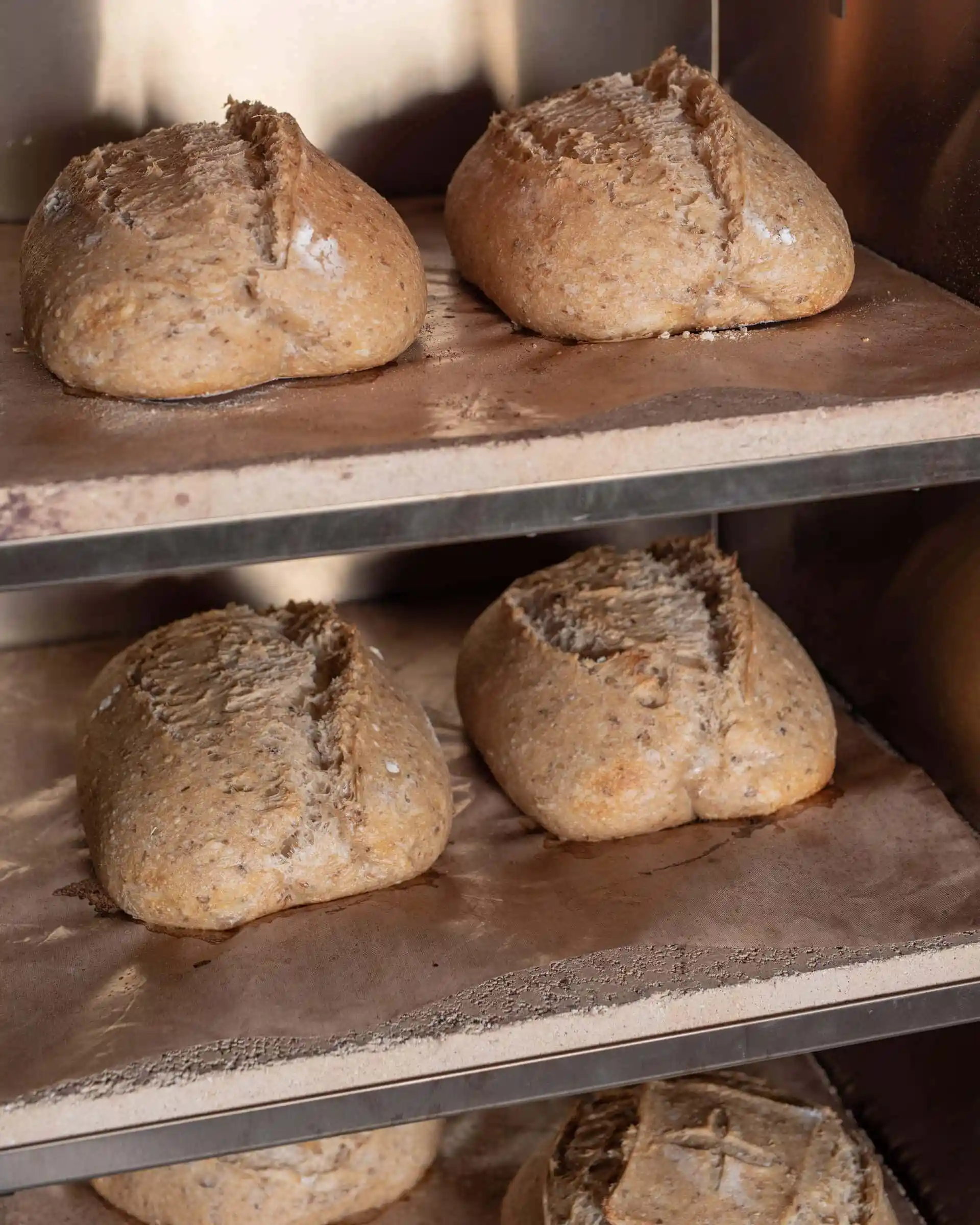
Dough Positioning on Decks: Optimizing the layout of dough on the Rofco’s multiple decks is akin to a strategic puzzle. For the B40 model, with its 18.9″ x 18.9″ deck dimensions, careful arrangement ensures adequate space for oven spring and even heat circulation. Common configurations include two 900g batards per deck, two 800g boules, or four 700g smaller loaves. The goal is to maximize capacity without allowing loaves to touch, which could impede crust development and uniform baking. For smaller items like buns, rolls, or even square pizzas, the included square steel trays prove invaluable for easy transfer and spill containment. The strategic placement of dough, often with the larger end facing the back of the oven for batards, helps leverage the oven’s consistent heat distribution.
Steaming the Rofco for Optimal Rise: Steam is a critical component in the initial phase of bread baking, promoting maximum oven spring and a thin, crisp crust. The Rofco’s sealed oven chamber is advantageous in retaining steam, a feature that distinguishes it from many home ovens with active ventilation. However, unlike some professional ovens, it does not feature an integrated steam injection system. This necessitates manual methods, which have been refined by users:
- High-Pressure Sprayer: A commercial-grade electric spray bottle is a highly effective solution. Set to a fine mist, it allows for quick and even application of water directly onto the hot oven decks and air, generating significant steam. A typical approach involves spraying each deck for 10-12 seconds, ensuring to avoid the glass light fixture to prevent thermal shock and cracking. A second pass just before closing the door helps to build a dense steam environment. After the initial baking phase, steam is vented by carefully opening the door momentarily (allowing hot steam to escape) and then tilting the circular vents on the door to their open position.
- Steam Pods: Optional rectangular steel steam pods can be placed on the sides of each deck and preheated. Water or ice cubes are then poured into these pods upon loading the dough, generating steam as they rapidly evaporate. While effective, these pods consume valuable deck space, a trade-off many high-volume bakers choose to avoid in favor of the sprayer method.
A Refined Baking Process: The Rofco’s consistent heat retention allows for a standardized yet adaptable baking process. A common schedule involves:
- Preheating (1 hour 30 minutes at 240°C): Both heating elements (top and bottom) are set to 240°C with the door and vents closed. This extended preheat ensures the thick chamotte bricks are fully saturated with heat, forming a thermal mass that minimizes temperature drops upon loading.
- Loading and Initial Bake with Steam (20 minutes at 150°C): Dough is carefully loaded onto silicone sheets using a large wooden pizza peel. After scoring, the dough is slid into the oven, and steam is introduced. The temperature is typically reduced to 150°C during this phase to prevent premature crust setting, allowing for maximum oven spring.
- Venting Steam and Continued Bake (10 minutes at 220°C): After the initial steam phase, the oven is carefully vented by briefly opening and closing the door, then opening the circular vents. The temperature is increased to 220°C to encourage crust development and deeper coloration.
- Final Bake (20-30 minutes at 150°C): The temperature is again adjusted, often to 150°C, for the final stages of baking, ensuring the interior is fully cooked without over-browning the crust. Loaves may be reshuffled if necessary to ensure even baking.
Upon completion, loaves are removed with the peel and transferred to wire racks for cooling, a crucial step for crust integrity and crumb texture. The oven can then be turned off or reset to 240°C for subsequent batches, leveraging its heat retention for efficient back-to-back baking.
Essential Accessories for Optimal Performance

Beyond the oven itself, specific tools significantly enhance the Rofco baking experience:
- Commercial Strength Electric Sprayer: The Electric Spray Bottle is highly recommended for steam generation. Its ability to produce a fine, powerful mist with the touch of a button surpasses manual pump sprayers in efficiency and effectiveness.
- Oven Equipment Stand: To ensure ergonomic loading and unloading, raising the Rofco to a comfortable height is essential. Custom-cut stainless steel equipment stands, such as the Regency 30″ x 30″ 16-Gauge Stand from WebstaurantStore, are popular choices. Customizing the leg height (e.g., to 18″) allows for optimal working posture. While optional casters provide mobility, fixed legs offer greater structural rigidity for an oven of this weight.
- Large Wooden Peel: A robust wooden pizza peel, such as the American Metalcraft 1836 (18″ x 29.5″), is invaluable. Its 18″ width perfectly matches the Rofco B40’s decks, facilitating smooth transfer of dough on silicone sheets. The length provides ample reach and leverage, making the loading process efficient and safe.
Beyond the Bake: Practical Tips and Future Prospects
Integrating a Rofco oven into one’s baking routine requires an initial adjustment period. It is common for baking quality to experience a slight dip as one acclimates to the new equipment’s nuances. Starting with a straightforward sourdough recipe and practicing it consistently is recommended to master the oven’s specific parameters before venturing into more complex formulas.
A valuable tip for maintaining baking hygiene and efficiency involves utilizing the residual heat of the Rofco after baking. Proofing baskets (bannetons) can be placed inside the warm oven after loaves are removed. This expediently dries the damp liners or canvas, preventing mold formation and preparing them for quick storage or reuse.
For those considering the investment, the Rofco represents a significant step. Its price point positions it between high-end domestic appliances and full-scale commercial ovens, making it an ideal choice for serious hobbyists or those exploring micro-bakery ventures. The oven’s durability and consistent performance justify the initial outlay for bakers committed to producing high-quality bread in volume.
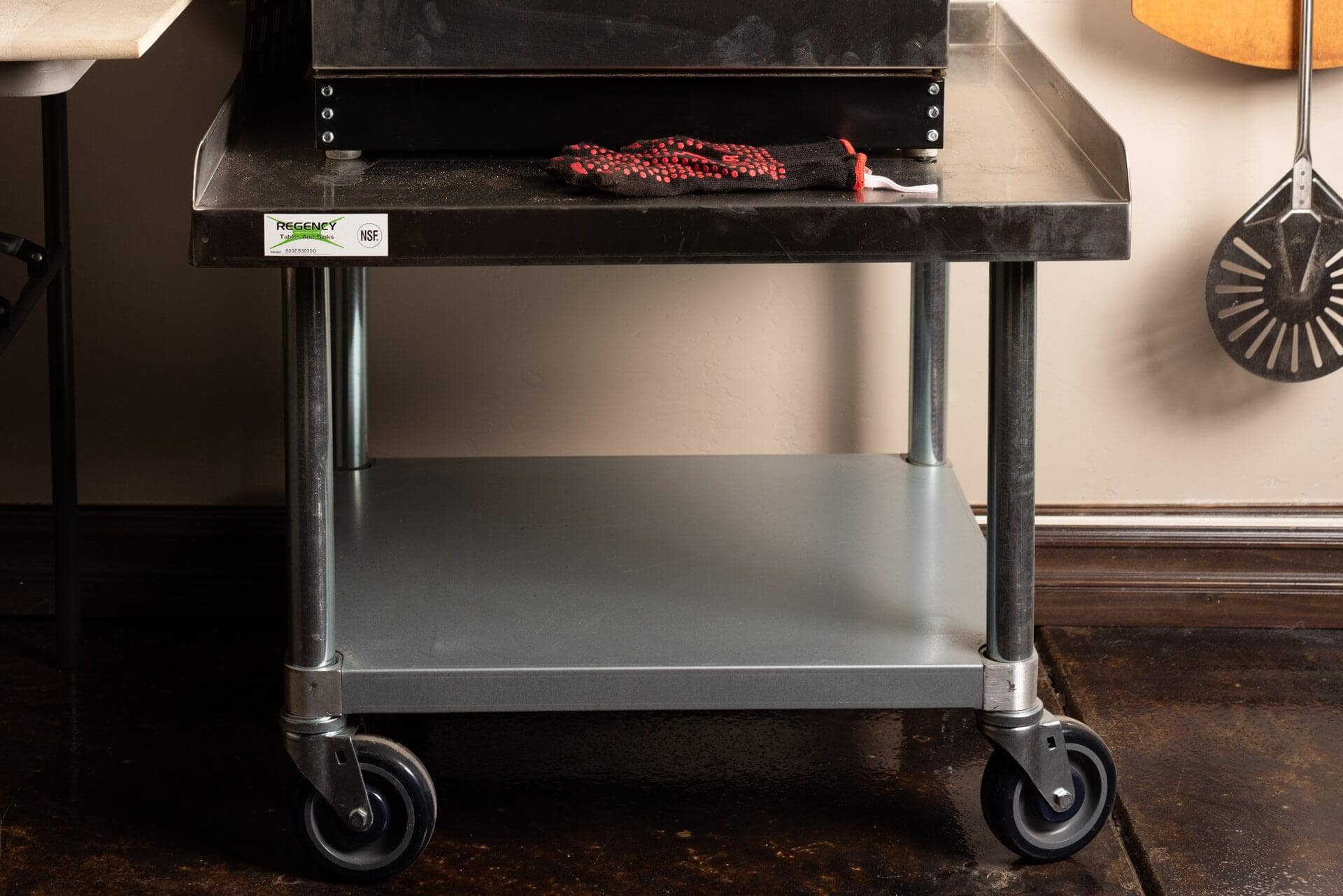
The Rofco also exists within a broader ecosystem of professional-grade home baking equipment. Bakers looking to further enhance their production capabilities might explore dough mixers like the Famag spiral dough mixer, capable of handling up to 8 kilograms of dough, or the more compact Ooni Halo Pro Spiral Mixer for smaller batches and test runs. For those with aspirations for even greater capacity, larger bread ovens such as the RackMaster 2020, with its expansive decks, offer further avenues for scaling up.
Market Impact and Community Support
The Rofco oven’s prominence underscores a significant trend in the artisanal food movement: the democratization of high-quality production. By making professional-grade baking accessible to home enthusiasts and small businesses, it empowers individuals to create products that rival those from traditional bakeries. This not only enriches the local food landscape but also fosters a vibrant community of passionate bakers who share knowledge, techniques, and support. The strong endorsements for distributors like Pleasant Hill Grain further highlight the importance of robust customer service and technical support in fostering confidence among users investing in specialized equipment.
In conclusion, the Rofco bread oven stands as a testament to purpose-driven design, offering an unparalleled solution for serious bakers seeking to transcend the limitations of conventional home ovens. Its robust construction, exceptional heat retention, and adaptability make it an indispensable tool for anyone committed to the art and science of baking artisanal bread on a larger, more consistent scale. Happy baking.