
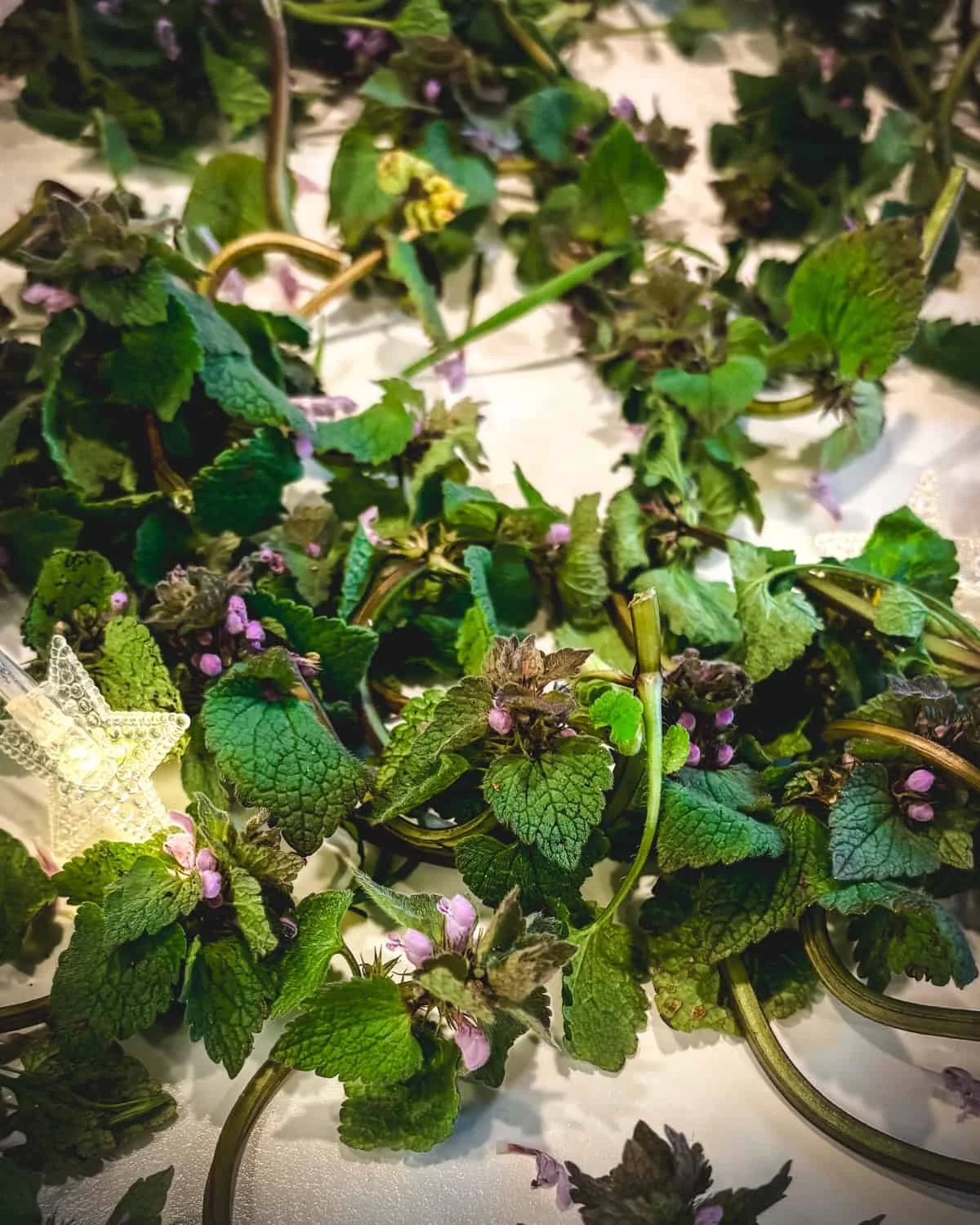
As the agricultural and botanical sectors witness a resurgence in traditional herbalism, the purple dead nettle (Lamium purpureum) has emerged as a focal point for researchers and home-based practitioners alike. Often dismissed as a common garden weed, this member of the Lamiaceae, or mint family, is increasingly recognized for its diverse phytochemical profile and its utility in topical applications. The plant, which appears prominently across the Northern Hemisphere during the early spring months, serves as an accessible entry point for individuals exploring the intersection of wildcrafting and natural pharmacology.
Botanical Profile and Identification Standards
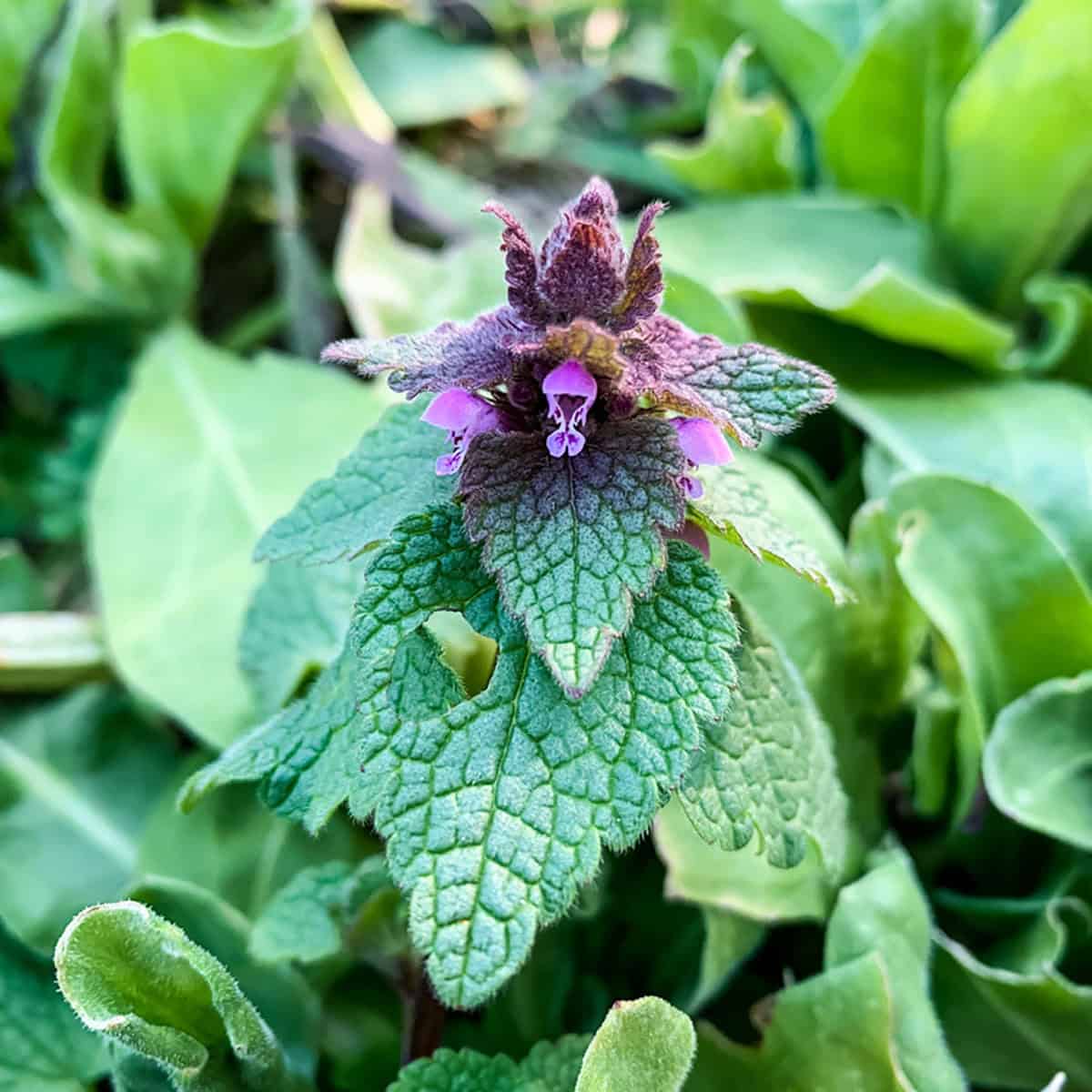
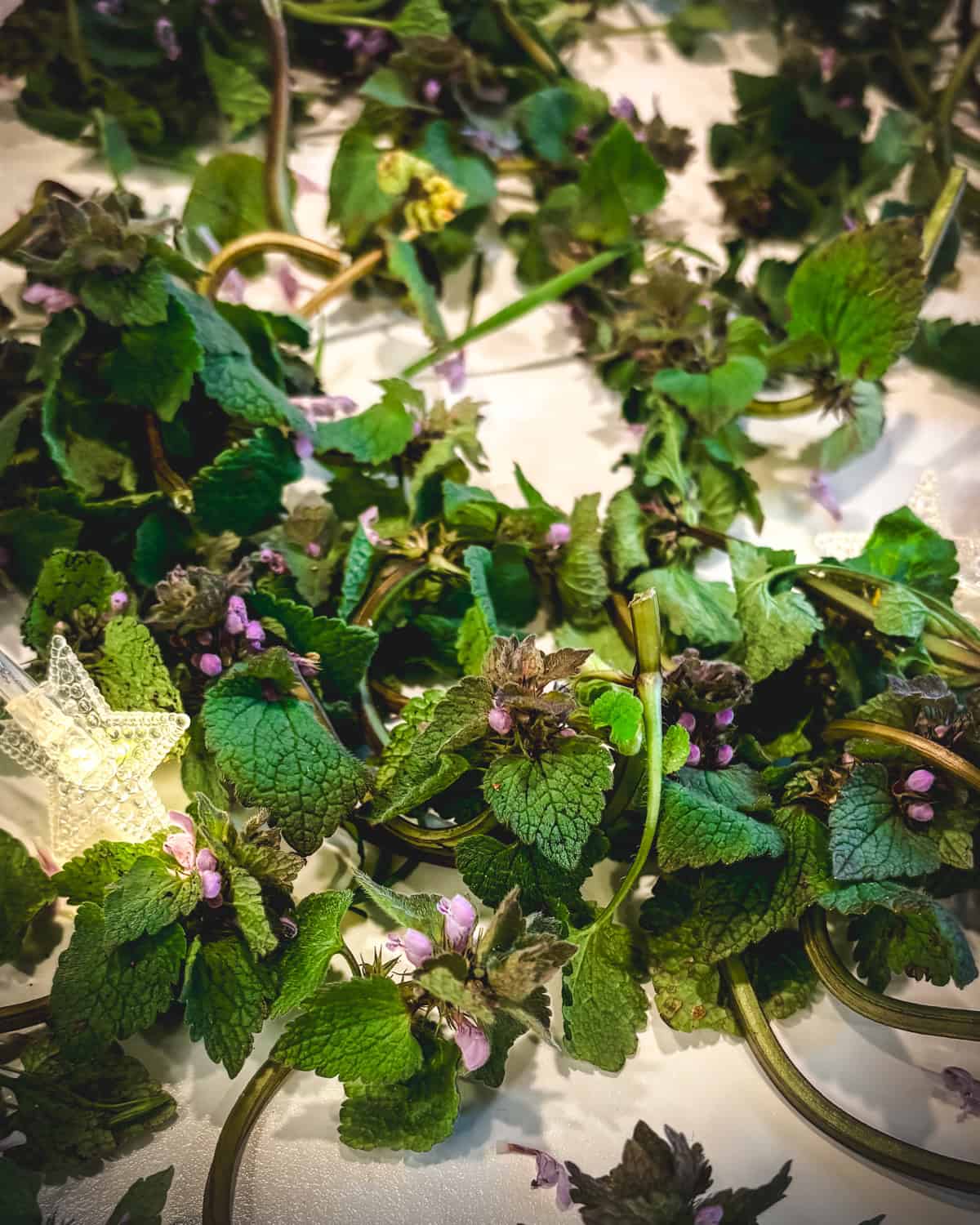
The purple dead nettle is an annual herbaceous plant characterized by its distinct square stems—a hallmark of the mint family—and its opposite, heart-shaped leaves. Unlike its namesake, the stinging nettle (Urtica dioica), the purple dead nettle is "dead" in the sense that it lacks the trichomes, or stinging hairs, that cause skin irritation upon contact. This makes the plant safe to handle without protective equipment.
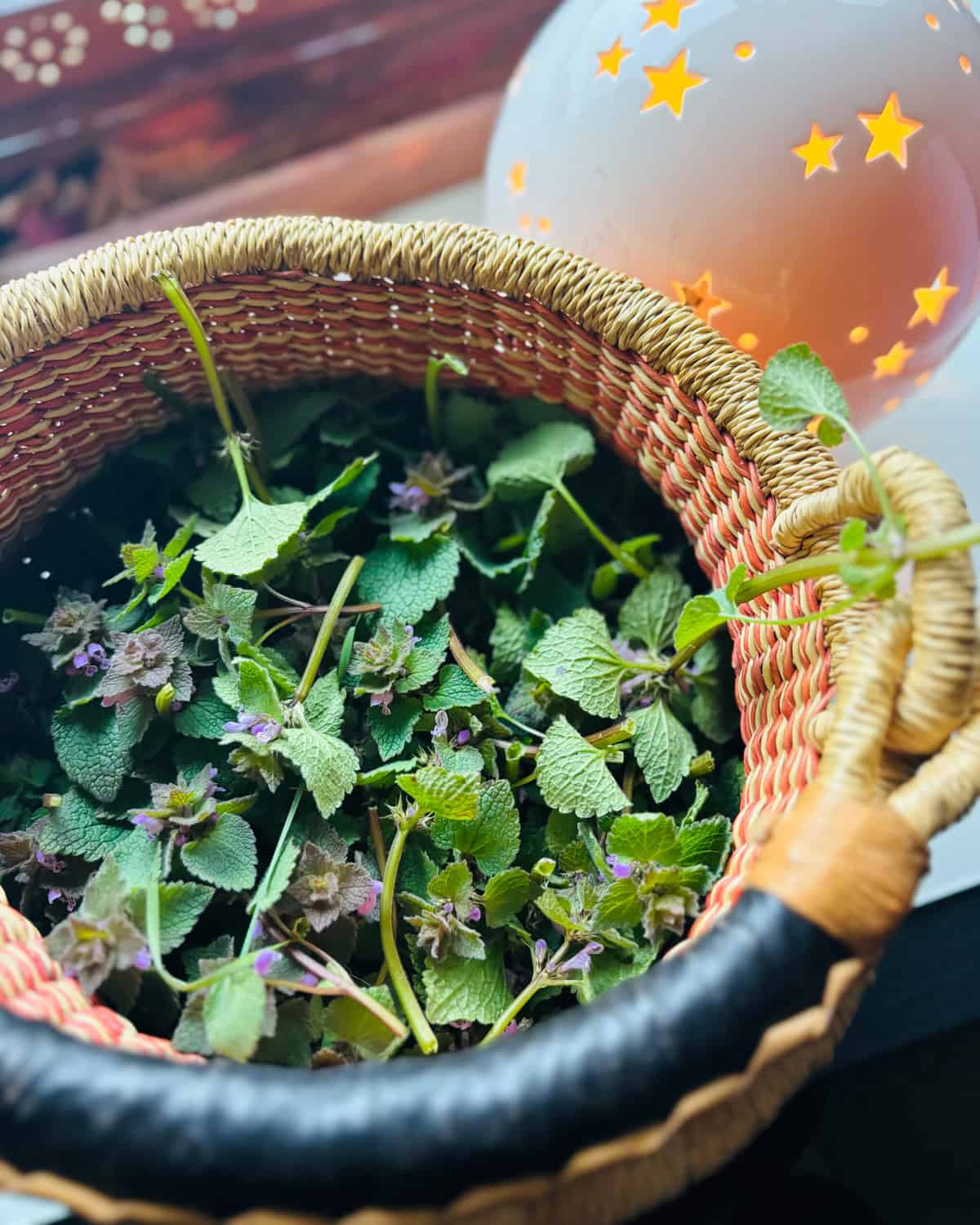
Identification is critical for safe foraging. The plant typically reaches heights of 5 to 20 centimeters. The lower leaves are green and petiolate, while the upper leaves often transition to a vibrant reddish-purple hue. These upper bracts are crowded together, sheltering small, tubular, pink-to-purple flowers that provide an early-season nectar source for pollinators, particularly long-tongued bees. While it is frequently confused with henbit (Lamium amplexicaule), the two are differentiated by their leaf structure: henbit leaves wrap around the stem without stalks, whereas purple dead nettle leaves possess distinct petioles. Experts emphasize that the lack of toxic look-alikes makes this species an ideal subject for novice foragers.
Phytochemical Composition and Clinical Context
The increasing interest in purple dead nettle is supported by a growing body of scientific literature examining its bioactive compounds. Research published in journals such as Molecules has identified that the genus Lamium contains a variety of secondary metabolites, including iridoids, flavonoids, phenolic acids, and essential oils.
Specifically, Lamium purpureum is rich in phenolic acids and flavonoids like quercetin and kaempferol, which are documented for their antioxidant and anti-inflammatory properties. These compounds function by neutralizing free radicals and inhibiting pro-inflammatory cytokines, which explains the plant’s traditional use in treating minor skin abrasions and inflammatory conditions. Furthermore, laboratory studies have indicated that extracts from the plant exhibit antimicrobial and antifungal activities, suggesting a potential role in managing minor dermatological infections. While the FDA does not currently regulate these herbal preparations as drugs, the chemical constituents provide a factual basis for their historical use in folk medicine.
The Foraging and Preparation Timeline
The utilization of purple dead nettle follows a specific seasonal and procedural chronology. The window for optimal harvesting is relatively narrow, typically spanning from late March to early May, depending on regional climate conditions.
- Harvesting (Early Spring): Foraging should occur when the plant is in its peak vibrancy. Practitioners are advised to harvest from areas free of synthetic pesticides, heavy metal contamination from roadways, or pet waste. Sustainable foraging practices dictate that only a portion of a colony should be removed to ensure the local ecosystem and pollinator populations remain undisturbed.
- Dehydration (2–3 Days): Following the harvest, the plant material must be dried. This step is crucial for preventing the growth of mold and bacteria during the subsequent oil infusion process. Moisture in fresh herbs can lead to rancidity in the final product.
- Infusion (1–6 Weeks): The dried plant material is submerged in a carrier oil—typically olive, almond, or coconut oil. A "solar infusion" or cold-maceration process takes approximately four to six weeks in a cool, dark environment. For those requiring a more immediate result, a "quick heat" method involves gently heating the oil and herbs in a double boiler for several hours at low temperatures (below 110°F) to preserve the integrity of the heat-sensitive compounds.
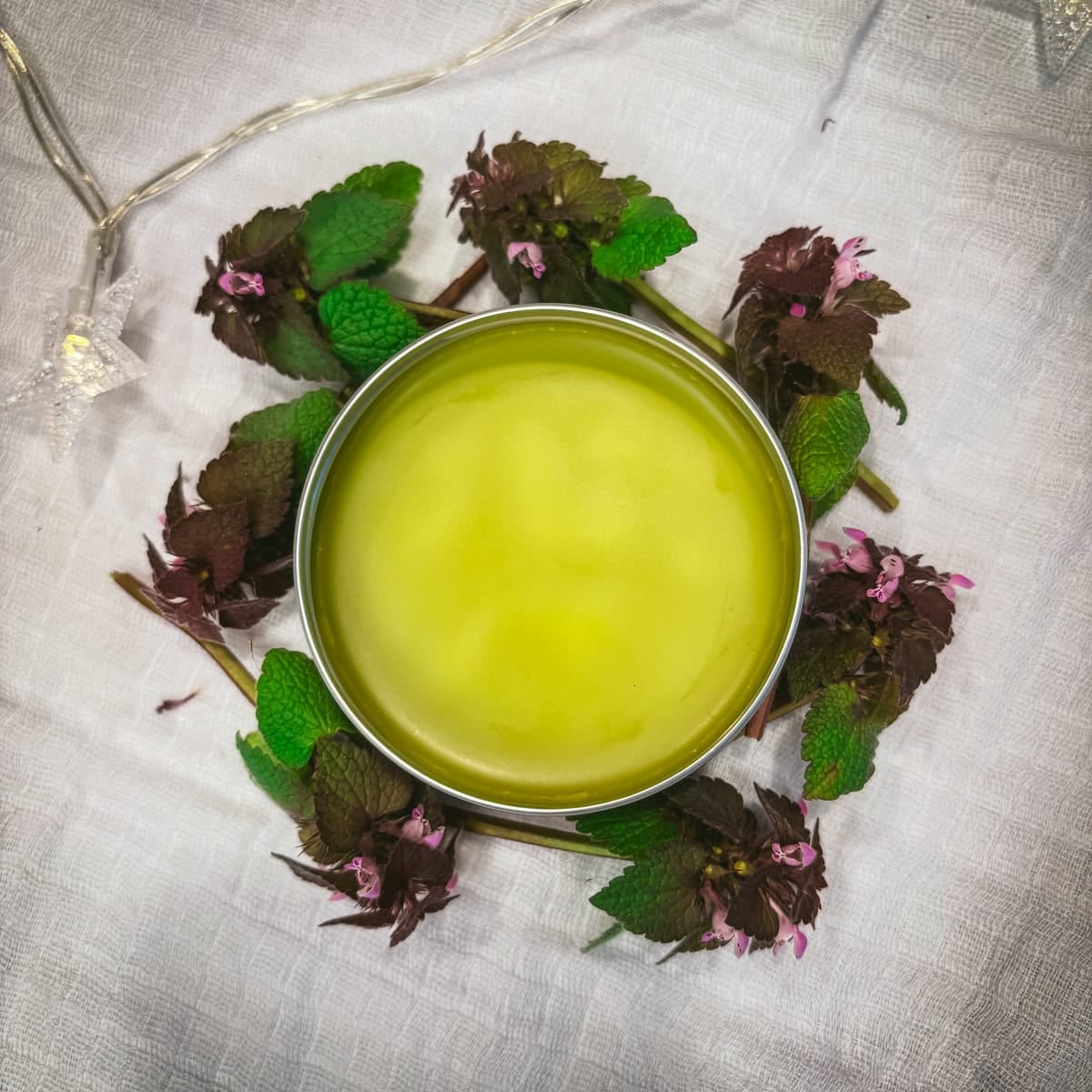
- Formulation and Setting (2–4 Hours): The final stage involves straining the infused oil and combining it with a hardening agent, such as beeswax, to create a stable salve. Once poured into containers, the mixture requires several hours to reach its final semi-solid consistency.
Technical Manufacturing of Purple Dead Nettle Salve
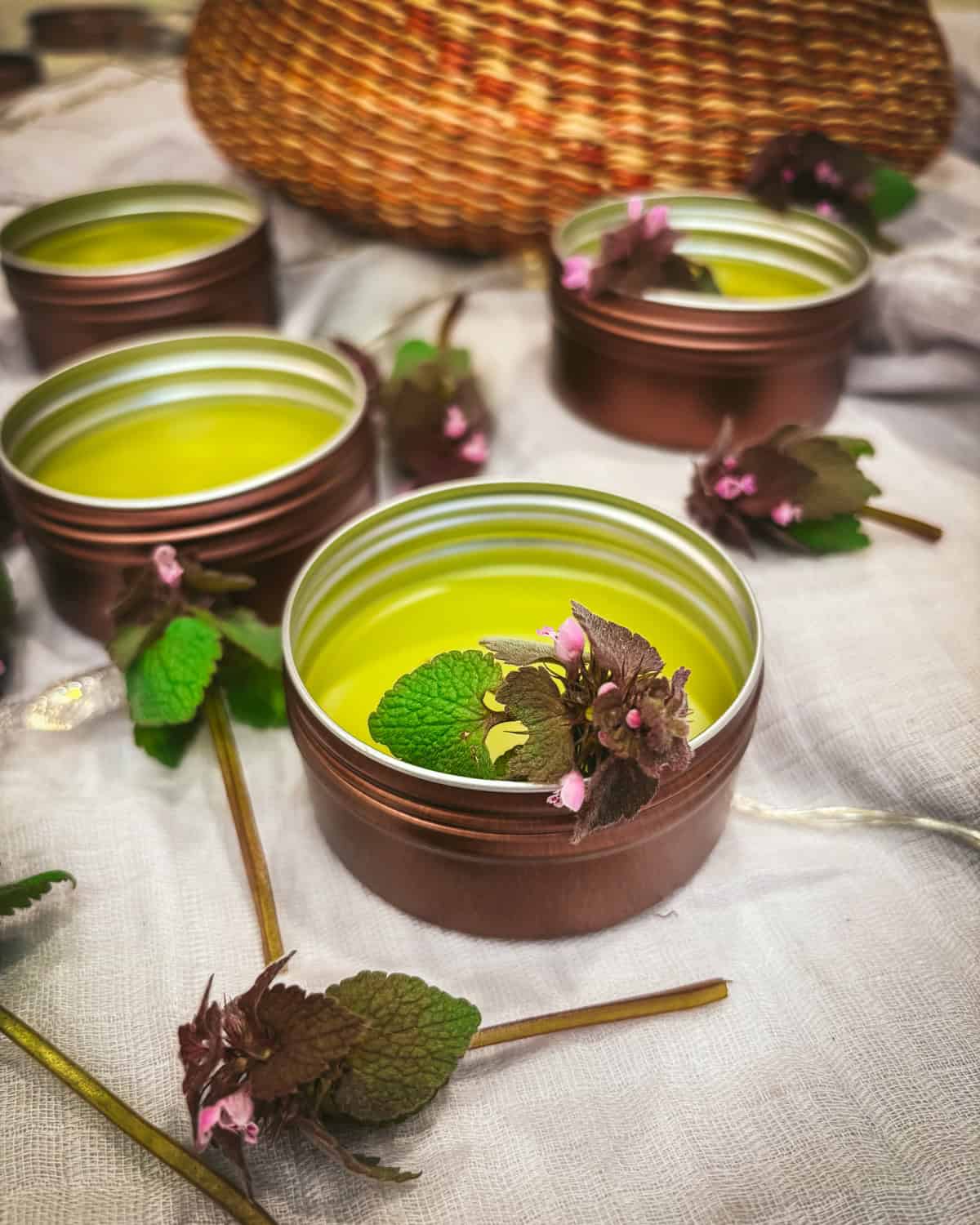
The transition from raw botanical material to a shelf-stable topical salve requires precise ratios and adherence to hygienic standards. Professional herbalists recommend a standard ratio of approximately one cup of infused oil to one ounce of beeswax.
The choice of carrier oil significantly impacts the salve’s dermatological profile. Olive oil is favored for its high oleic acid content and stability, while sweet almond oil is often incorporated for its emollient properties and high vitamin E content. Beeswax serves a dual purpose: it provides the necessary structural consistency for the salve and acts as a humectant, creating a protective barrier on the skin that locks in moisture while allowing the skin to breathe.
During the manufacturing process, the addition of essential oils—such as lavender (Lavandula angustifolia) or peppermint (Mentha piperita)—is often considered. While these are frequently added for fragrance, they also provide secondary benefits. Lavender is noted for its skin-soothing properties, while peppermint offers a cooling sensation that can alleviate the discomfort of insect bites or minor burns.
Applications in Contemporary Skincare
The resulting purple dead nettle salve is utilized as a multi-purpose topical treatment. Its application is most effective for minor dermatological issues, including:
- Minor Abrasions and Scratches: The astringent properties of the plant help to contract tissue and support the body’s natural healing process.
- Insect Bites and Stings: The anti-inflammatory compounds assist in reducing localized swelling and pruritus (itching).
- Dry and Chapped Skin: The lipid-rich base of the salve provides immediate relief for cracked skin, a common issue during the transition from winter to spring.
- Localized Rashes: The antibacterial and antifungal properties of the Lamium genus offer a gentle intervention for non-systemic skin irritations.
Dermatological analysts note that while such salves are effective for minor issues, they are not substitutes for professional medical intervention in cases of deep wounds, systemic infections, or severe allergic reactions.

Economic and Environmental Implications
The rise of "backyard herbalism" and the DIY production of products like purple dead nettle salve reflects a broader shift in consumer behavior. As the global skincare market—valued at over $150 billion—faces increasing scrutiny over synthetic ingredients and microplastics, consumers are gravitating toward transparent, bio-based alternatives.
The economic impact of this shift is twofold. First, it empowers individuals to reduce household expenditures on basic first-aid and cosmetic items. Second, it fosters a "green economy" where the value of biodiversity is recognized even in urban and suburban "weeds." From an environmental perspective, the promotion of purple dead nettle use encourages the preservation of unsprayed green spaces. By reframing a "weed" as a valuable resource, property owners are less likely to employ broad-spectrum herbicides, thereby protecting local groundwater and supporting insect biodiversity.

Official Responses and Regulatory Outlook
Regulatory bodies, such as the European Medicines Agency (EMA) and the U.S. Food and Drug Administration (FDA), maintain a cautious stance on herbal topicals. While purple dead nettle is generally recognized as safe (GRAS) for consumption and topical use in traditional contexts, it lacks the large-scale clinical trial data required for pharmaceutical labeling.
However, the cosmetic industry has begun to take note. Several boutique "clean beauty" brands have started incorporating Lamium extracts into their formulations, citing consumer demand for "wildcrafted" and "botanical" ingredients. Analysts predict that as analytical chemistry techniques become more sophisticated, the specific pathways by which purple dead nettle interacts with human skin cells will be better understood, potentially leading to more standardized applications in the future.
Conclusion
The purple dead nettle represents a bridge between ancient botanical knowledge and modern sustainable living. Its abundance, ease of identification, and documented phytochemical properties make it a significant resource for those seeking natural alternatives to synthetic skincare. By following established foraging ethics and precise manufacturing protocols, individuals can transform a common spring weed into a sophisticated, effective, and environmentally friendly healing agent. As the movement toward self-sufficiency and natural wellness continues to expand, the humble purple dead nettle is likely to remain a cornerstone of the modern herbalist’s repertoire.


