
The practice of food dehydration has seen a significant resurgence in recent years as consumers increasingly prioritize food security, waste reduction, and the consumption of nutrient-dense, shelf-stable snacks. While traditional fruits such as apples, bananas, and grapes remain staples of the dehydration community, the application of these techniques to high-moisture melons, specifically the honeydew melon (Cucumis melo inodorus), represents a sophisticated expansion of home preservation methodologies. Dehydrating honeydew melon is not merely a culinary experiment but a strategic approach to extending the seasonal availability of the fruit, transforming a highly perishable agricultural product into a concentrated, leathery treat that can be stored for up to a year under optimal conditions.
The Rise of Home-Based Food Preservation and Economic Context
The modern shift toward home-based food preservation is driven by a confluence of economic and environmental factors. According to data from the Food and Agriculture Organization (FAO) of the United Nations, approximately one-third of all food produced for human consumption is lost or wasted globally. Fruits and vegetables have the highest wastage rates of any food category, often due to their high water content and short shelf life. Honeydew melon, which is composed of approximately 90% water, is particularly susceptible to rapid spoilage once harvested and sliced.
By utilizing dehydration technology, households can effectively bypass the expiration window of fresh produce. This process involves the controlled removal of moisture through the application of consistent, low-level heat and airflow. The result is a product where the water activity level is reduced to a point that inhibits the growth of bacteria, yeast, and mold, thereby ensuring safety and longevity. For the modern consumer, this translates to significant cost savings, as bulk purchases of seasonal melons can be preserved for consumption during winter months when fresh fruit prices typically escalate.
Technical Specifications of the Dehydration Process
The successful dehydration of honeydew melon requires a precise adherence to temperature and timing protocols to ensure both the quality of the texture and the safety of the final product. Unlike hardier vegetables, melons require a specific thermal environment to prevent "case hardening"—a condition where the exterior of the fruit dries too quickly, trapping moisture inside and leading to potential spoilage.
The industry-standard temperature for dehydrating most fruits, including the honeydew, is 135°F (57°C). At this temperature, the moisture is drawn out steadily without cooking the enzymes or altering the fundamental flavor profile of the fruit. The estimated duration for this process ranges between 10 and 14 hours, though variables such as ambient humidity, the specific water content of the individual melon, and the efficiency of the dehydration unit can influence the final timeline.
Chronological Methodology for Preservation
The transition of a fresh honeydew melon from a succulent fruit to a shelf-stable snack follows a rigorous chronological sequence. This systematic approach ensures that the integrity of the fruit is maintained throughout the transformation.
Phase I: Selection and Preparation
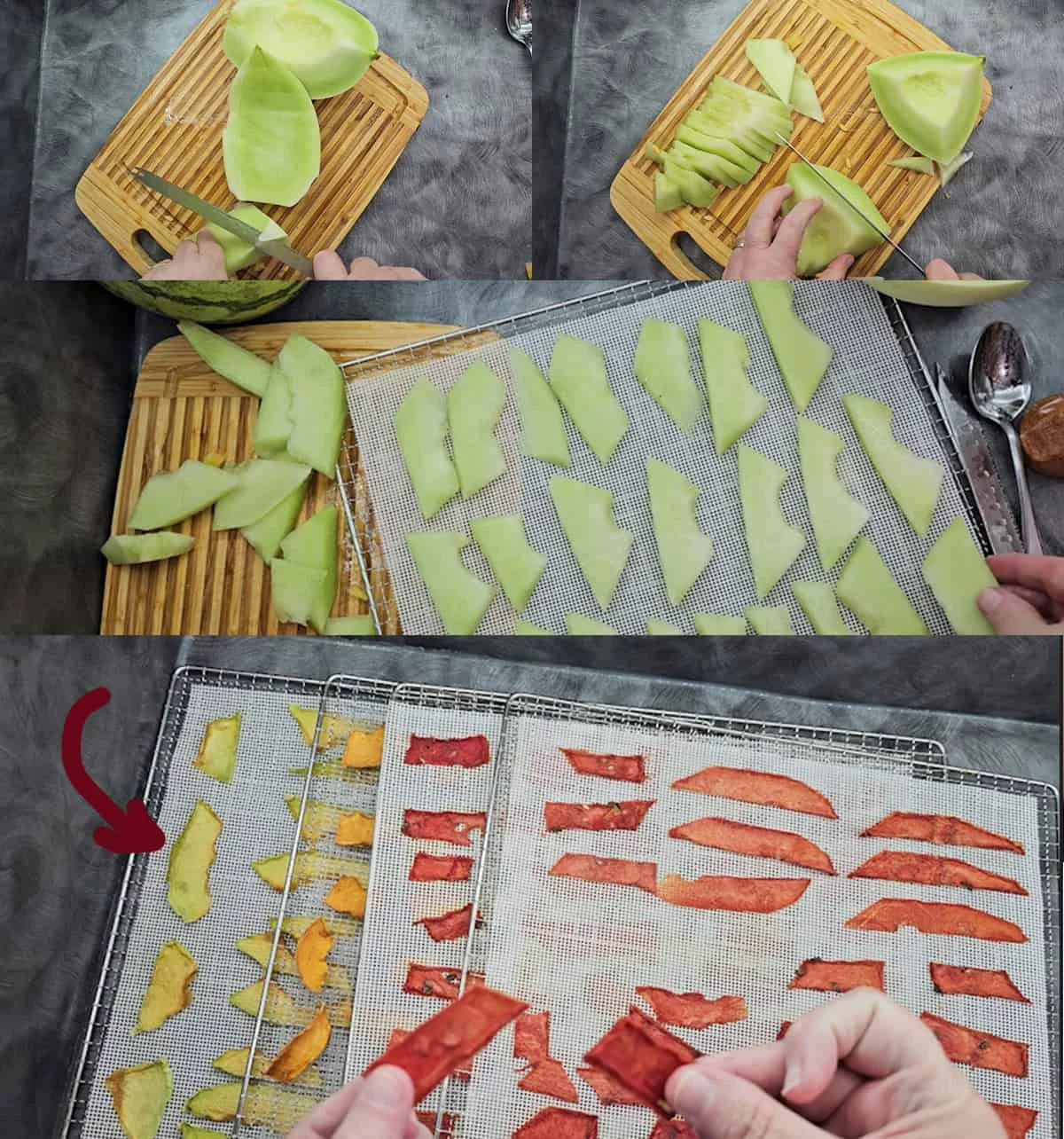
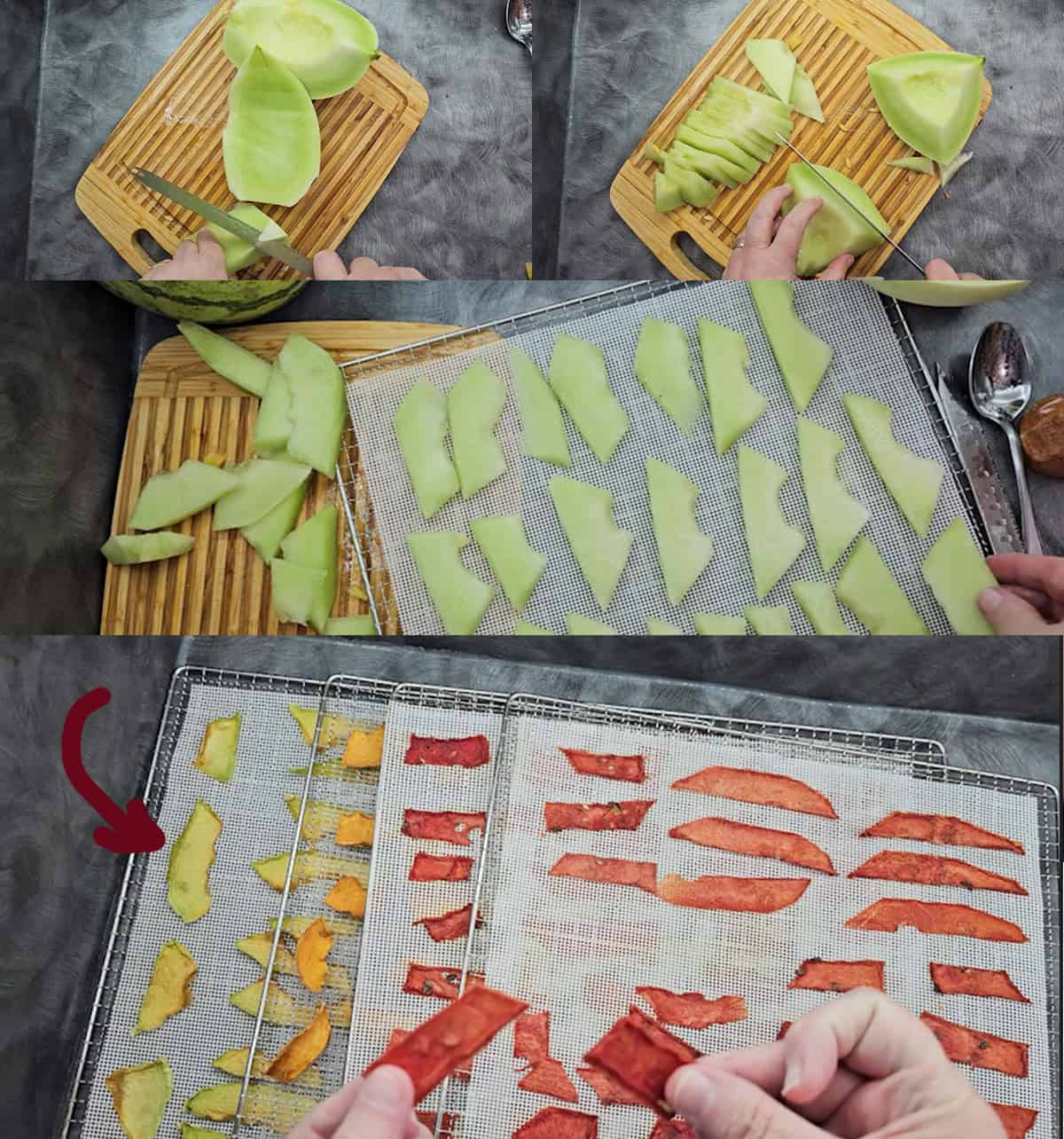
The process begins with the selection of a ripe honeydew. Experts in food preservation, such as Darcy Baldwin of The Purposeful Pantry, emphasize that the quality of the dehydrated product is directly proportional to the quality of the fresh fruit. A ripe honeydew should have a waxy rind and a slight floral aroma. Once selected, the fruit must be thoroughly washed to remove surface contaminants. The melon is then halved, seeds are removed, and the rind is sliced away. The fruit is then processed into uniform slices approximately 1/4 inch thick. Uniformity is critical; inconsistent thickness leads to uneven drying, where some pieces remain dangerously moist while others become brittle.
Phase II: Dehydration and Monitoring
Once sliced, the melon pieces are arranged on dehydrator trays. It is essential to ensure that the pieces do not overlap, as airflow is the primary mechanism of moisture removal. In a professional-grade dehydrator with a horizontal airflow system, the trays are kept stationary. In vertical-flow models, tray rotation may be necessary every few hours to ensure even drying. Throughout the 10-to-14-hour window, the fruit undergoes a significant physical change, shrinking in size as the water evaporates and the natural sugars concentrate.
Phase III: Testing for Dryness
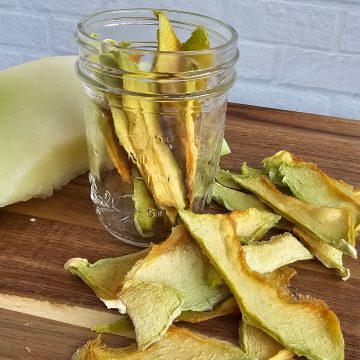
The "doneness" of dehydrated honeydew is determined by texture rather than color. The goal is a "leathery" consistency. When a piece is removed from the dehydrator and allowed to cool for a minute, it should be flexible but not sticky to the touch. If the fruit feels tacky or displays any visible moisture when squeezed, it requires additional time in the dehydrator.
Nutritional Dynamics and Concentration Analysis
One of the primary benefits of dehydrated honeydew is its nutritional density. Because the dehydration process removes water but retains the majority of the fruit’s vitamins, minerals, and fiber, the resulting snack is a concentrated source of energy.
Nutritional analysis indicates that a standard serving of approximately 0.25 cups of dehydrated honeydew contains roughly 14 kcal, 3 grams of carbohydrates, and 63 mg of potassium. However, it is vital for consumers to understand the ratio of fresh to dried fruit. Generally, one cup of fresh fruit yields approximately 1/4 cup of dried fruit. Consequently, the sugar content per volume is significantly higher in the dried version. This makes dehydrated honeydew an excellent high-energy resource for hikers, athletes, and students who require a quick, natural glucose boost without the added preservatives found in commercial fruit snacks.

Equipment Standards and Alternative Methods
While specialized food dehydrators are the preferred equipment for this process due to their precise temperature controls and integrated fans, the process can be adapted for conventional ovens. This is a critical consideration for households that may not wish to invest in dedicated preservation hardware.
In an oven-based application, the appliance should be set to its lowest possible temperature, ideally 170°F (77°C) or lower. Because many residential ovens do not maintain such low temperatures accurately, it is often recommended to "crack" the oven door slightly to allow excess heat to escape and to facilitate airflow. The fruit is placed on parchment-lined baking sheets and monitored closely. While the oven method is less energy-efficient and requires more frequent supervision, it remains a viable entry point for food preservation enthusiasts.
Advanced Storage Protocols and the "Conditioning" Process
The most critical stage of food preservation occurs after the dehydration process is complete. To ensure a shelf life of up to one year, the fruit must undergo a protocol known as "conditioning."

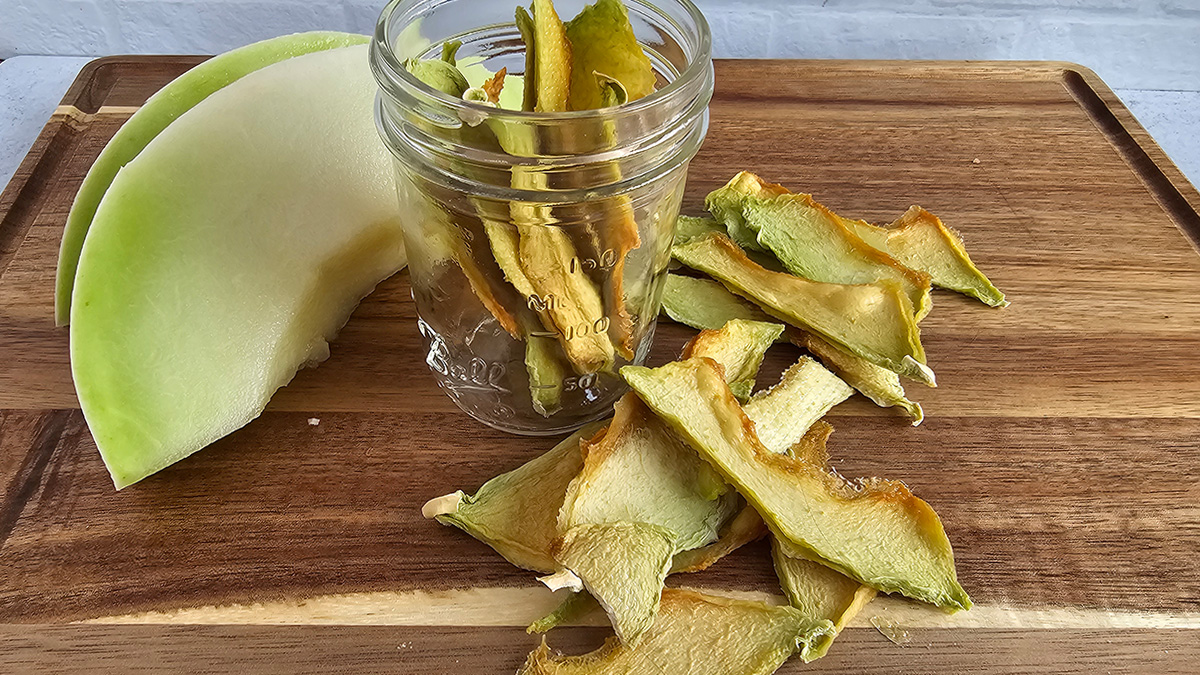
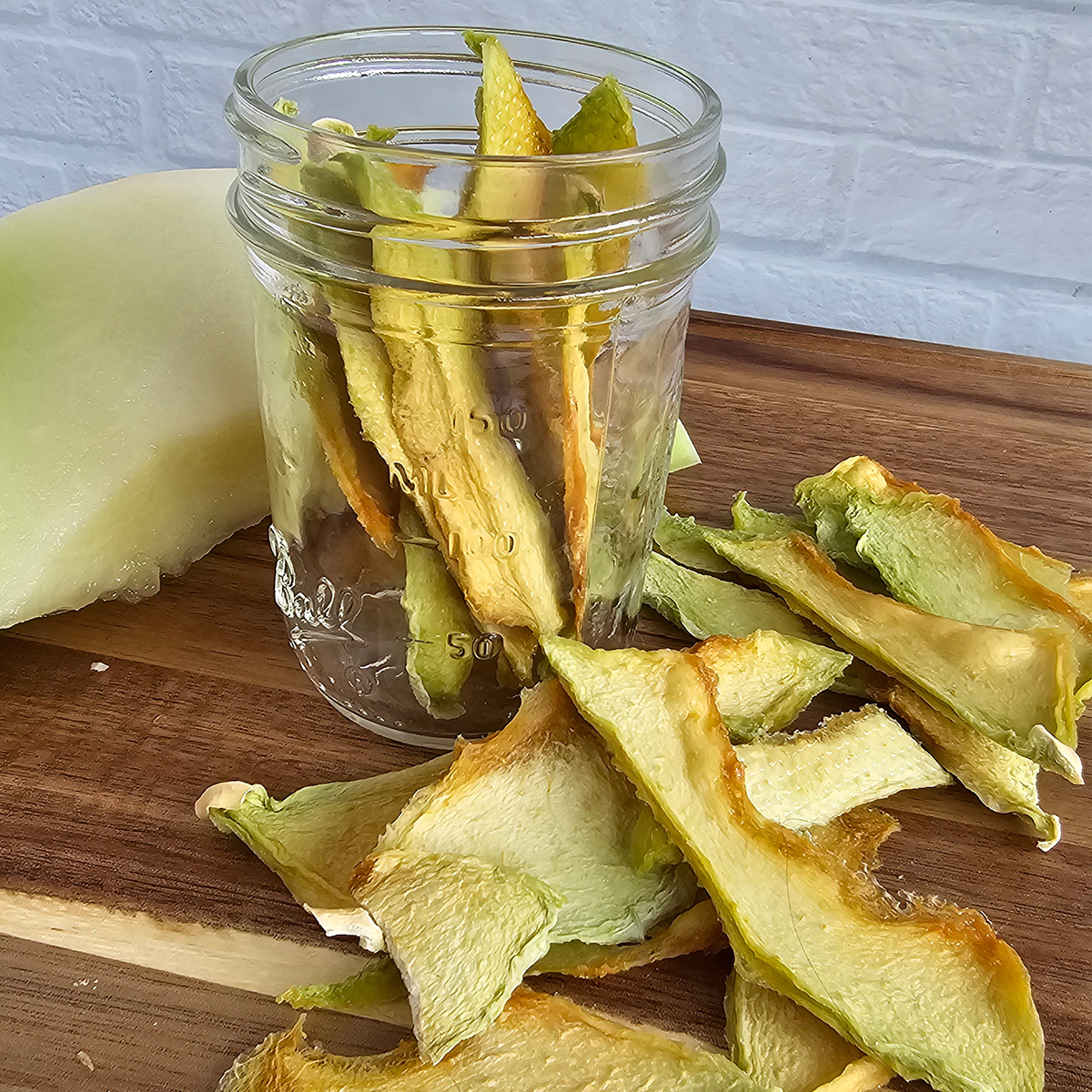
Conditioning involves placing the cooled, dried fruit in a clear, airtight glass jar for approximately seven days. During this week, the jar is shaken daily. The objective is to allow any remaining residual moisture to redistribute evenly among the pieces. If at any point during these seven days condensation appears on the inside of the glass, the fruit is not sufficiently dry and must be returned to the dehydrator. If the fruit passes the seven-day conditioning phase without signs of moisture, it is deemed safe for long-term storage.
For long-term preservation, airtight containers are mandatory. Because of the high sugar content in melons, the dried slices are hygroscopic, meaning they will readily absorb moisture from the air. In high-humidity environments, the inclusion of a food-grade desiccant (moisture absorber) packet is recommended. Furthermore, wrapping individual portions in parchment paper can prevent the pieces from sticking together, a technique often utilized for other high-sugar fruits like watermelon.
Broader Implications for Food Security and Sustainability
The move toward dehydrating non-traditional fruits like honeydew, cantaloupe, and watermelon reflects a broader trend in the "Purposeful Pantry" movement. This philosophy advocates for a decentralized food system where individuals take an active role in managing their own food supplies. By mastering these preservation techniques, consumers reduce their reliance on complex global supply chains and minimize the environmental impact associated with food waste.
Furthermore, the versatility of dehydrated honeydew extends beyond simple snacking. The concentrated flavor profile allows it to be used as a natural sweetener in teas, a component in homemade trail mixes, or even rehydrated for use in baked goods and salads. As food prices continue to fluctuate due to climate change and logistical disruptions, the ability to store a year’s worth of fruit in a compact, non-refrigerated format provides a significant layer of household resilience.
In conclusion, the dehydration of honeydew melon is a scientifically grounded method of food preservation that offers significant nutritional, economic, and environmental benefits. Through the disciplined application of heat, airflow, and storage protocols, this perishable summer fruit is transformed into a durable asset for the modern pantry. As educational resources and home technology continue to evolve, such practices are likely to transition from a niche hobby to a standard component of sustainable domestic management.


