
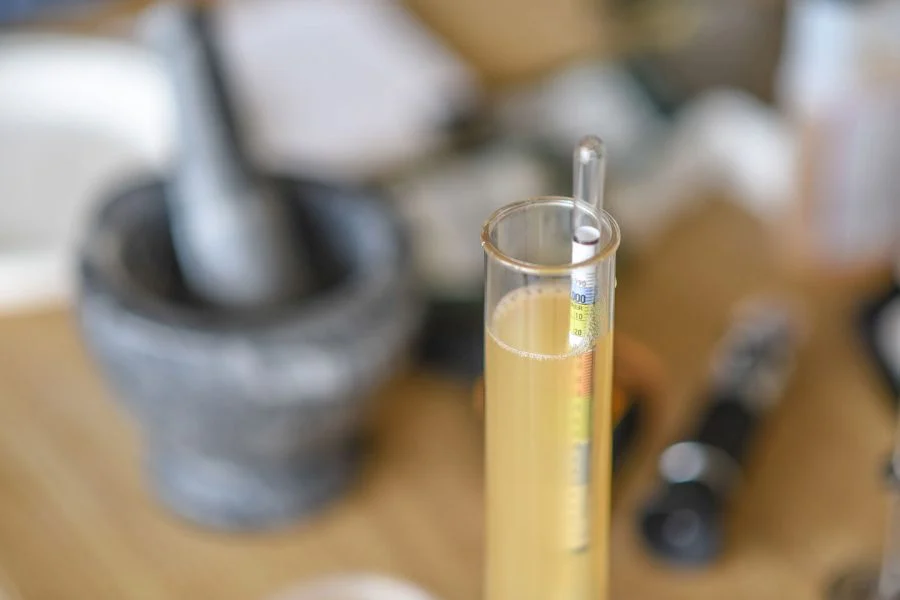
The 2026 National Homebrew Competition, a prestigious event celebrating the pinnacle of amateur brewing achievement, has crowned its champions, with Tony Hamric of Leland, North Carolina, emerging victorious in the highly contested Category 22: Strong British Ale. Hamric, an active member of the Wort City Brewers club, secured the coveted gold medal for his expertly crafted brew, outperforming 68 other entries in the final round. This accomplishment places his beer among the elite in the homebrewing world, recognized for its exceptional quality, flavor profile, and adherence to style guidelines.
The National Homebrew Competition: A Legacy of Excellence
The National Homebrew Competition (NHC) is widely regarded as the largest and most competitive beer competition in the world for homebrewers. Organized by the American Homebrewers Association (AHA), the NHC provides a platform for amateur brewers to showcase their skills, receive expert feedback, and gain recognition for their passion and dedication. The competition spans multiple rounds, beginning with local and regional judging events, culminating in a grand final where the best brews from across the nation, and often internationally, are evaluated by a panel of highly experienced judges, including professional brewers, beer writers, and certified BJCP (Beer Judge Certification Program) judges.
The competition’s history dates back to 1979, evolving significantly over the decades to accommodate the burgeoning growth and increasing sophistication of the homebrewing community. Each year, thousands of entries are submitted across dozens of categories, meticulously judged against strict criteria that encompass aroma, appearance, flavor, mouthfeel, and overall impression. Winning a medal at the NHC is a significant achievement, signifying a brewer’s mastery of technique, ingredient selection, and an understanding of diverse beer styles.
Category 22: Strong British Ale – A Testament to Tradition and Skill
Category 22: Strong British Ale encompasses a range of robust, malt-forward beers originating from the United Kingdom. These styles, often characterized by their higher alcohol content and complex flavor profiles, demand a nuanced approach to brewing. Styles within this category can include English Barleywines, Imperial Stouts with British origins, and other strong ales that showcase rich malt characteristics, often with notes of caramel, toffee, dried fruit, and a balanced hop presence. The judges for this category would have been looking for brews that exhibit a deep understanding of the historical context of these beers, demonstrating balance between malt, hops, and yeast character, with a clean fermentation profile despite the elevated alcohol levels.

Tony Hamric’s victory in this demanding category is a testament to his ability to not only replicate but elevate a traditional style. Achieving gold signifies that his beer was deemed outstanding by the judging panel, exhibiting superior balance, depth of flavor, and impeccable execution. The competition’s rigor ensures that only the truly exceptional rise to the top, and Hamric’s success is a powerful endorsement of his brewing prowess.
The Journey to Gold: A Hypothetical Chronology
While specific details of Hamric’s brewing process are not publicly available, a typical journey to a gold medal at the NHC involves meticulous planning, consistent execution, and often, iterative refinement.
- Recipe Development and Initial Brewing (Months to Years Prior): Hamric likely spent considerable time researching and developing his Strong British Ale recipe. This would involve studying historical examples, consulting brewing literature, and experimenting with different malt bills, hop varieties, yeast strains, and fermentation temperatures. Early pilot batches would have been brewed and tasted, with adjustments made based on feedback and self-assessment.
- Club Feedback and Refinement (Ongoing): As a member of Wort City Brewers, Hamric would have benefited from the shared knowledge and critical feedback of fellow homebrewers. Presenting his beer at club meetings would provide invaluable insights, allowing him to identify areas for improvement before submitting it to a formal competition.
- Local and Regional Judging (Early 2026): The NHC process typically begins with numerous local and regional qualifying competitions. Hamric would have submitted his Strong British Ale to one or more of these events. Here, his beer would have been evaluated by BJCP-certified judges, providing preliminary feedback and potentially earning him a spot in the next round.
- National Preliminary Rounds (Mid-2026): Based on performance in regional events, successful entries advance to national preliminary rounds. These rounds further narrow down the field, with the very best brews moving on to the final competition.
- National Finals (Late 2026): The culmination of the NHC, the final round brings together the top beers from across all categories. Here, the judging panel, comprised of the most experienced evaluators, conducts a thorough assessment. The competition at this stage is fierce, with only the most exceptional beers receiving medals. Tony Hamric’s gold medal signifies that his Strong British Ale stood out as the best in its category among an elite field of finalists.
The Significance of 69 Entries in Category 22
The fact that Hamric’s beer triumphed over 69 other entries in Category 22 highlights the depth and breadth of talent within the homebrewing community, particularly in this specific style. A field of 69 entries for a single category in the final round indicates:
- Popularity of the Style: Strong British Ales are a classic and beloved style, attracting brewers who appreciate the complexity and historical significance of these beers.
- High Level of Competition: A large number of entries in the final round signifies a very high standard of brewing. Each of those 68 other beers represented a significant effort and a strong contender for a medal.
- Hamric’s Exceptional Achievement: To rise above such a competitive field and secure the gold medal underscores the superior quality of his brew. It suggests his beer possessed a remarkable combination of flavor, aroma, and overall balance that distinguished it from a very strong set of contenders.
Looking Ahead: The Impact of a Gold Medal
A gold medal at the National Homebrew Competition is more than just an award; it is a significant recognition that can have several implications for a homebrewer:
- Validation and Recognition: It validates years of dedication, learning, and experimentation. It provides a tangible measure of success and a source of pride within the homebrewing community and beyond.
- Inspiration for Others: Hamric’s success story can inspire fellow homebrewers, particularly those within the Wort City Brewers club, to strive for excellence and to push the boundaries of their own brewing endeavors.
- Potential for Commercial Interest: While the NHC is for amateur brewers, exceptional recipes and brewers sometimes attract attention from commercial breweries for recipe development or collaboration opportunities.
- Access to Resources: The American Homebrewers Association, which organizes the NHC, offers a wealth of resources for its members, including access to a vast library of medal-winning recipes. This allows brewers to study the techniques and ingredients used by the best in the field, fostering a continuous cycle of learning and improvement. The AHA’s online platform provides a repository of hundreds of medal-winning recipes, enabling enthusiasts to learn from champions like Tony Hamric.
Tony Hamric’s gold medal is a significant achievement, celebrating his mastery of a classic beer style and contributing another chapter to the rich history of homebrewing excellence at the National Homebrew Competition. His success serves as a beacon for aspiring brewers, demonstrating the rewards of dedication, skill, and a passion for the craft.


