
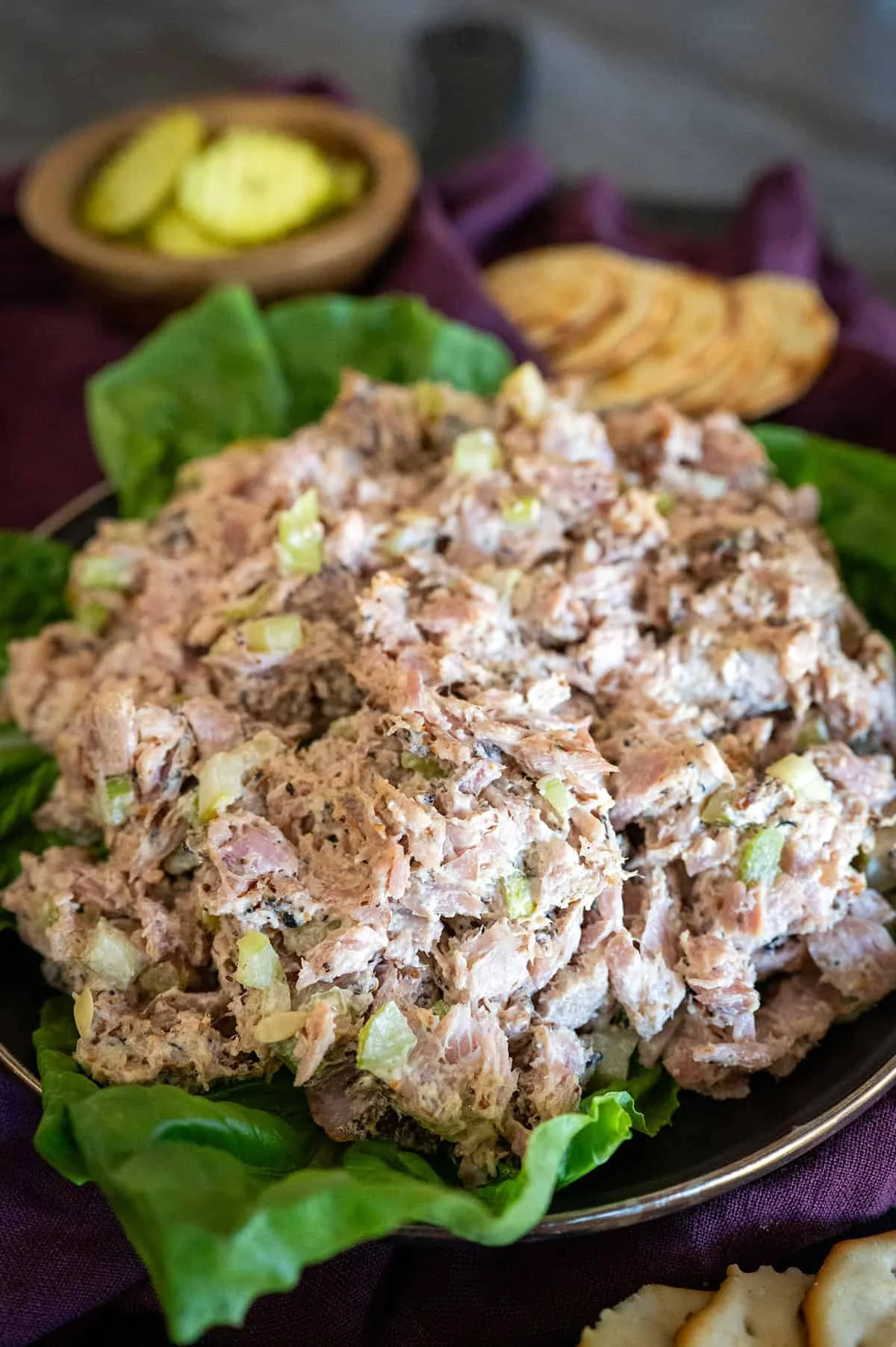
A groundbreaking culinary technique is emerging from the kitchens of grilling enthusiasts, offering a novel twist on beloved deli flavors. This innovative approach, dubbed "tuna pastrami," transforms fresh tuna steaks into a smoky, peppery delicacy that can be enjoyed on its own or elevated into an unparalleled tuna salad. The method, pioneered by grilling aficionado Christie Vanover of Girls Can Grill, eschews the traditional beef brisket curing process for a more accessible and rapid preparation, promising to tantalize taste buds and redefine expectations of what a deli staple can be.
The Genesis of Tuna Pastrami: From Brine to Grill
The concept of tuna pastrami stems from a desire to infuse the robust, savory notes of traditional pastrami into a lighter, more versatile protein. Unlike the lengthy curing and smoking required for beef pastrami, this method leverages a carefully crafted brine and a signature pastrami rub, followed by a high-heat grilling technique. This allows for a significantly condensed preparation time, making the exotic flavor profile of pastrami achievable within days rather than weeks.

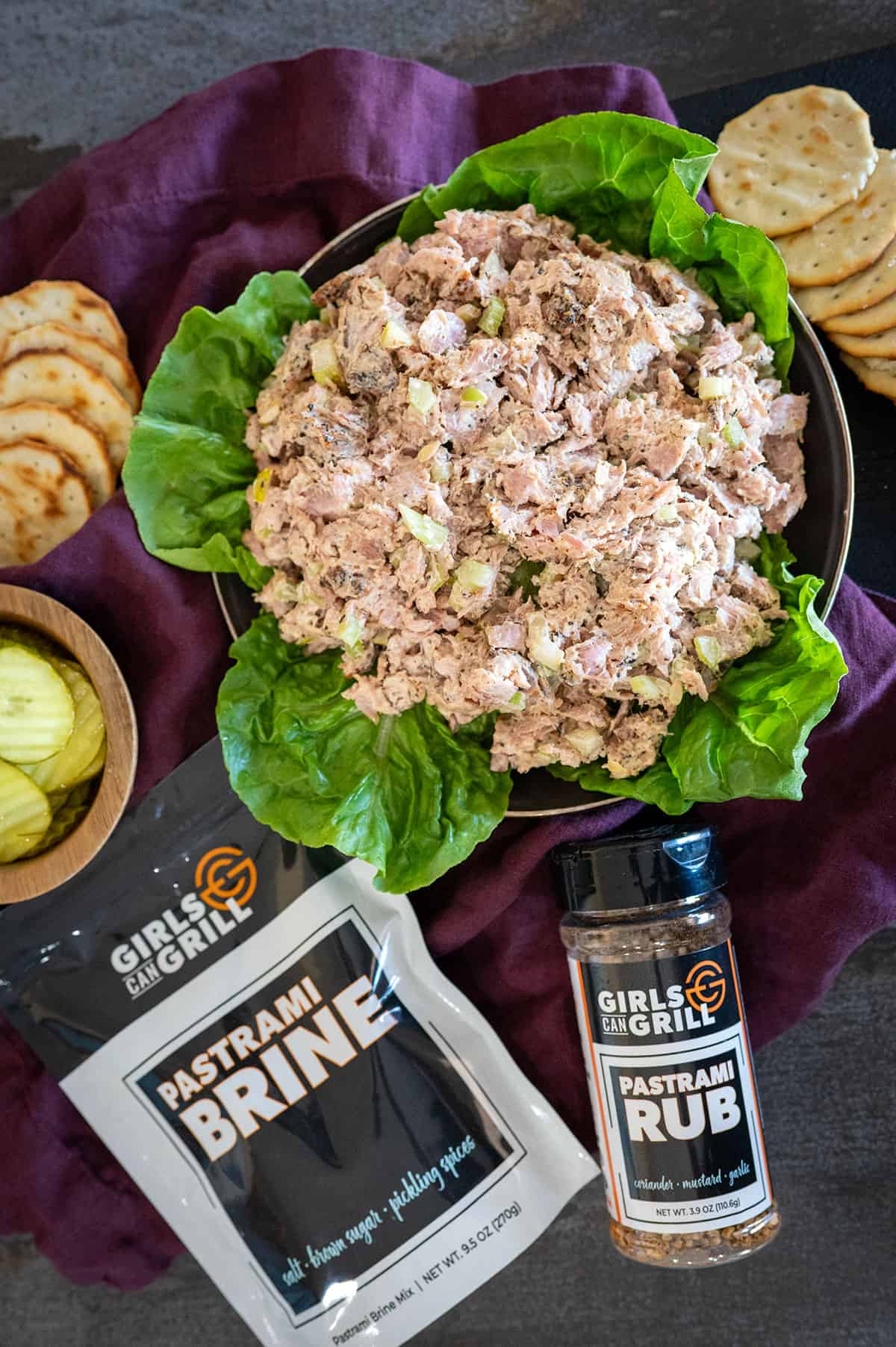
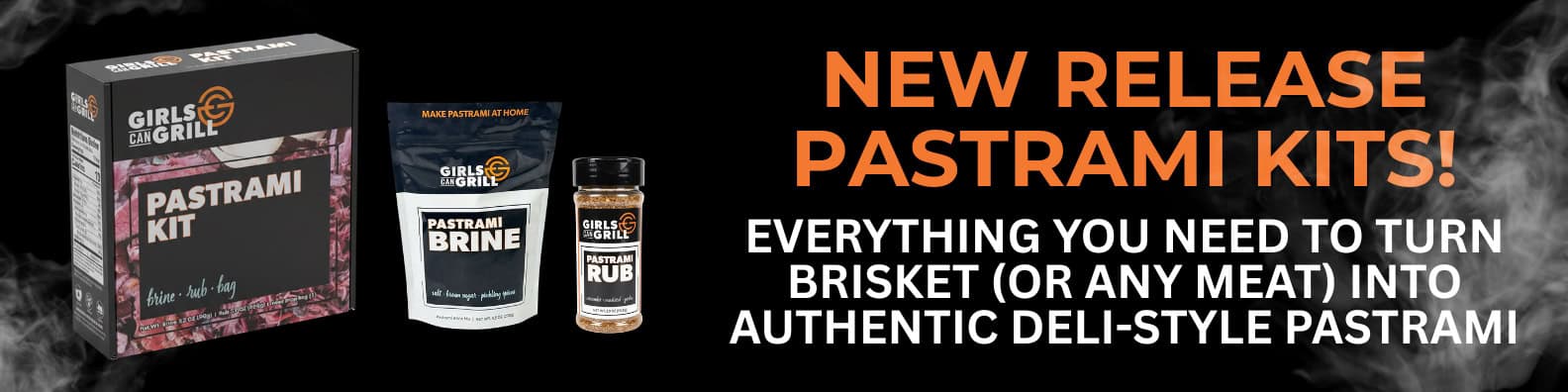
Christie Vanover, an award-winning competitive pitmaster and founder of Girls Can Grill, has been experimenting with grilled tuna for years, primarily for her popular grilled tuna salad recipes. However, this pastrami-inspired iteration represents a significant evolution. "Instead of curing beef brisket like classic pastrami, I brine and season fresh tuna steaks with my Girls Can Grill Pastrami Rub, then grill them hot and fast," Vanover explains. The result is a "smoky, peppery, slightly tangy tuna that’s incredible sliced on its own or shredded into the best tuna salad you’ve ever had."
The Process: A Symphony of Flavor and Technique
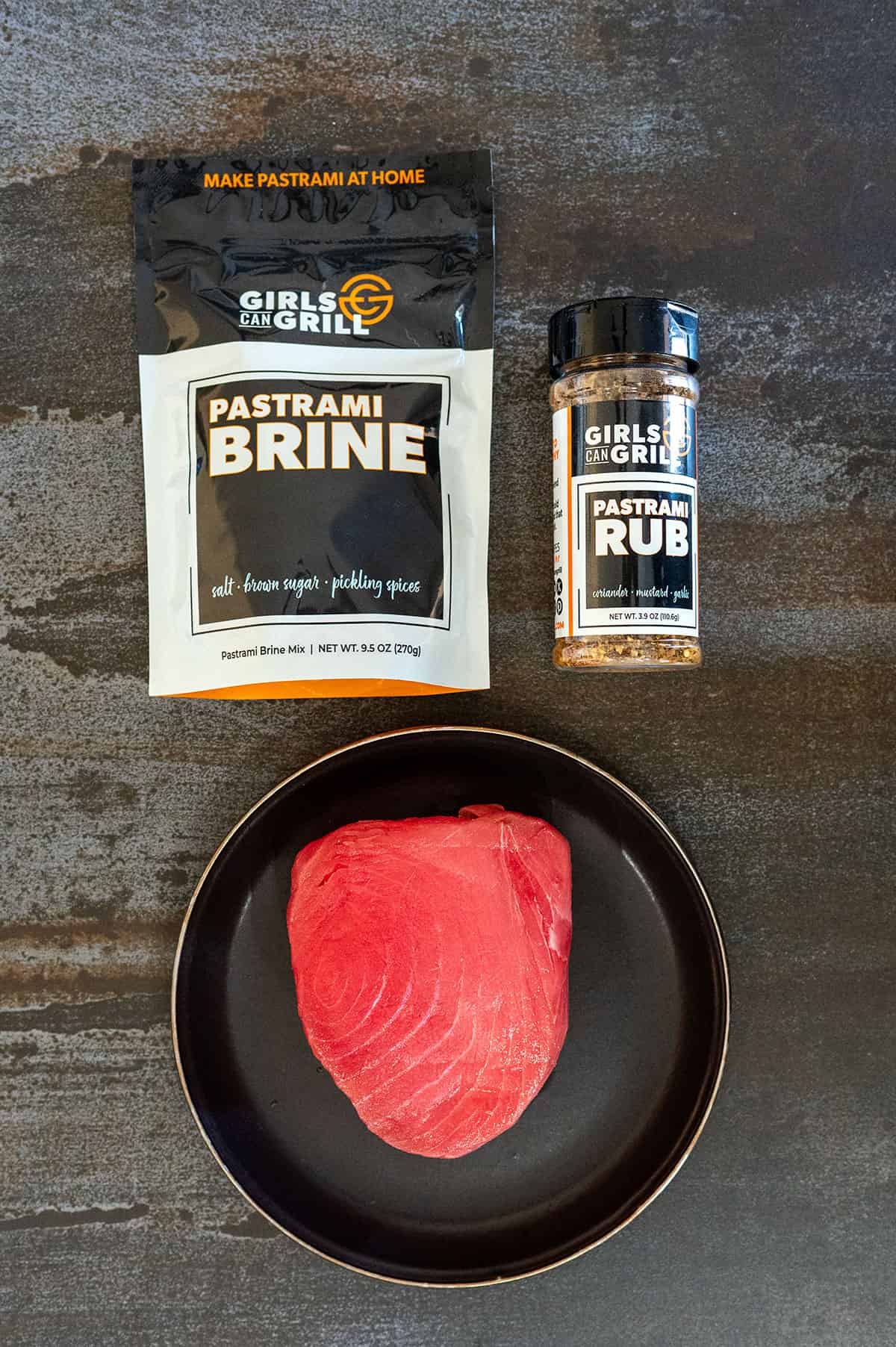
The creation of tuna pastrami involves a multi-step process that prioritizes both flavor development and optimal texture.
Step 1: Brining the Tuna
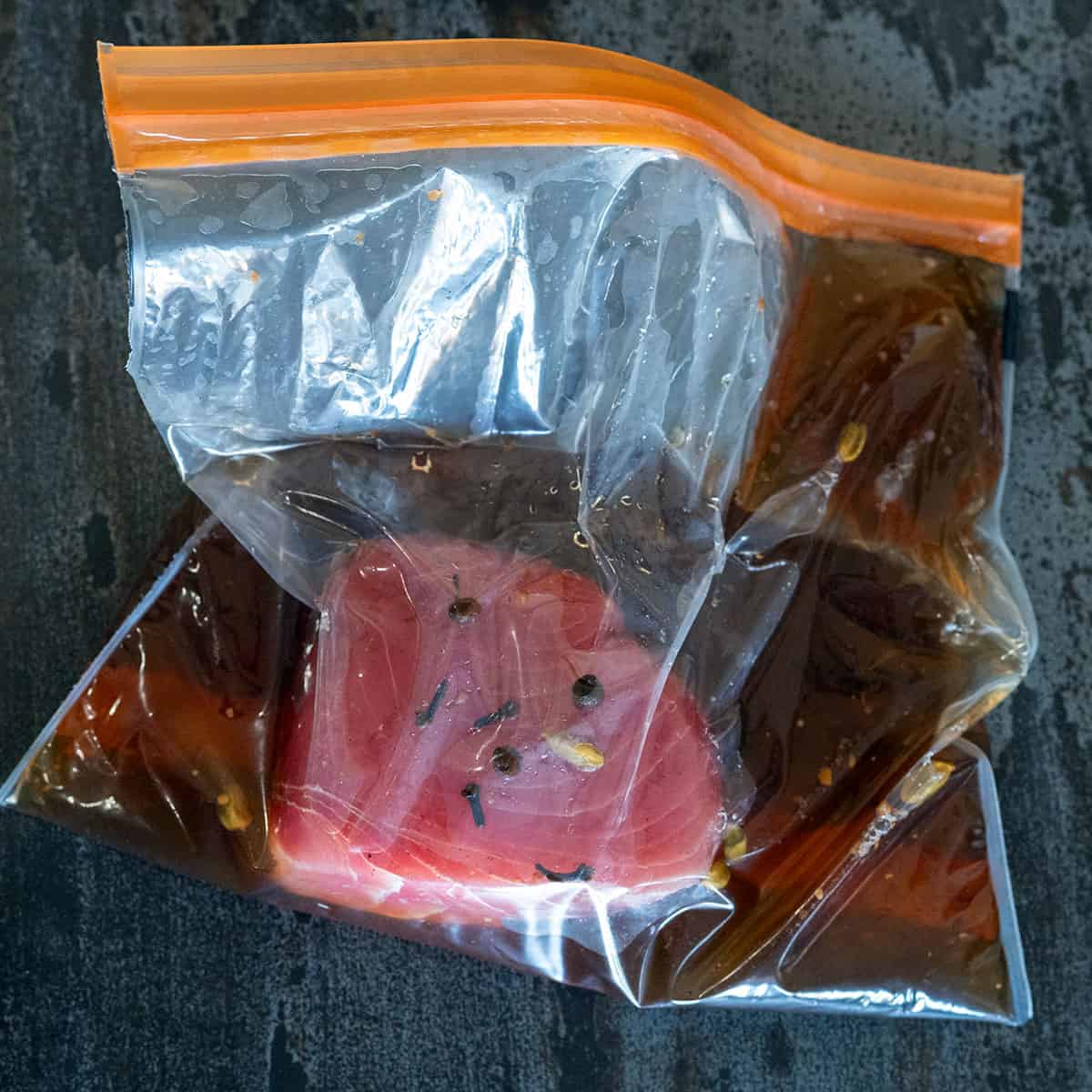
The foundation of tuna pastrami lies in the brine. This crucial step imbues the tuna steak with the characteristic savory and slightly tangy notes of pastrami. A custom-designed pastrami brine, formulated to complement the delicate flavor of tuna, is prepared. The fresh tuna steaks are then submerged in this brine, ensuring complete coverage. This is typically done in a sealed bag, such as a meat prep bag or a zip-top bag, to maintain the integrity of the brine. The tuna is left to brine in the refrigerator for approximately 48 hours. This extended period allows the brine to penetrate the fish, tenderizing it and laying the groundwork for the complex flavors to come.
Step 2: Seasoning the Tuna
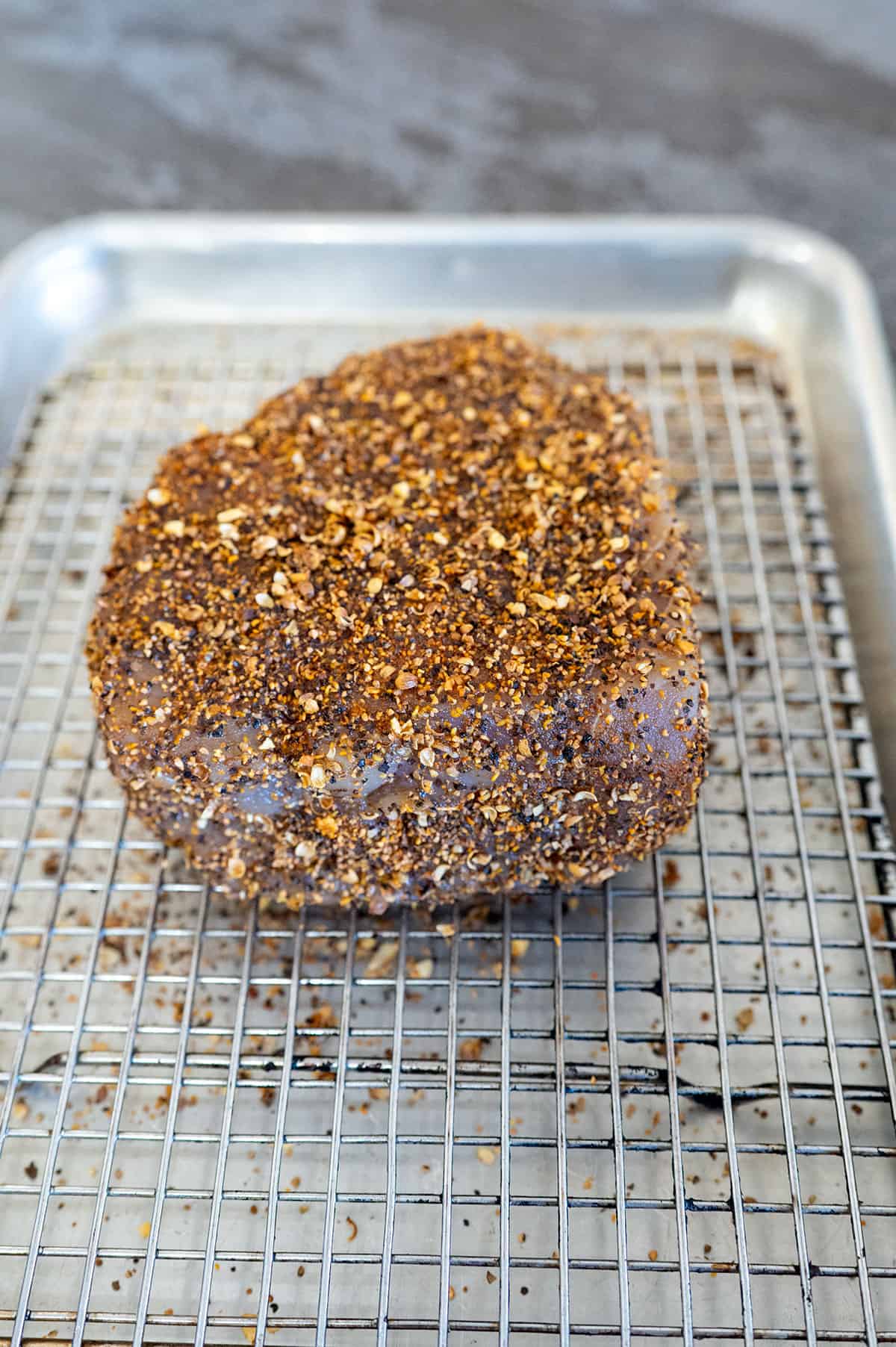
Following the brining process, the tuna steaks are thoroughly rinsed to remove any excess salt from the brine. This is a critical step to prevent the final product from being overly salty. Once dried, the steaks are generously coated with a specialized "Girls Can Grill Pastrami Rub." This rub is the key to achieving the signature peppery, smoky, and aromatic profile associated with pastrami, tailored to enhance rather than overpower the tuna. The seasoned tuna is then placed on a rack over a pan and refrigerated for several hours. This resting period allows the rub to adhere to the fish and the flavors to meld, creating a flavorful crust.
Step 3: Grilling the Tuna Steaks
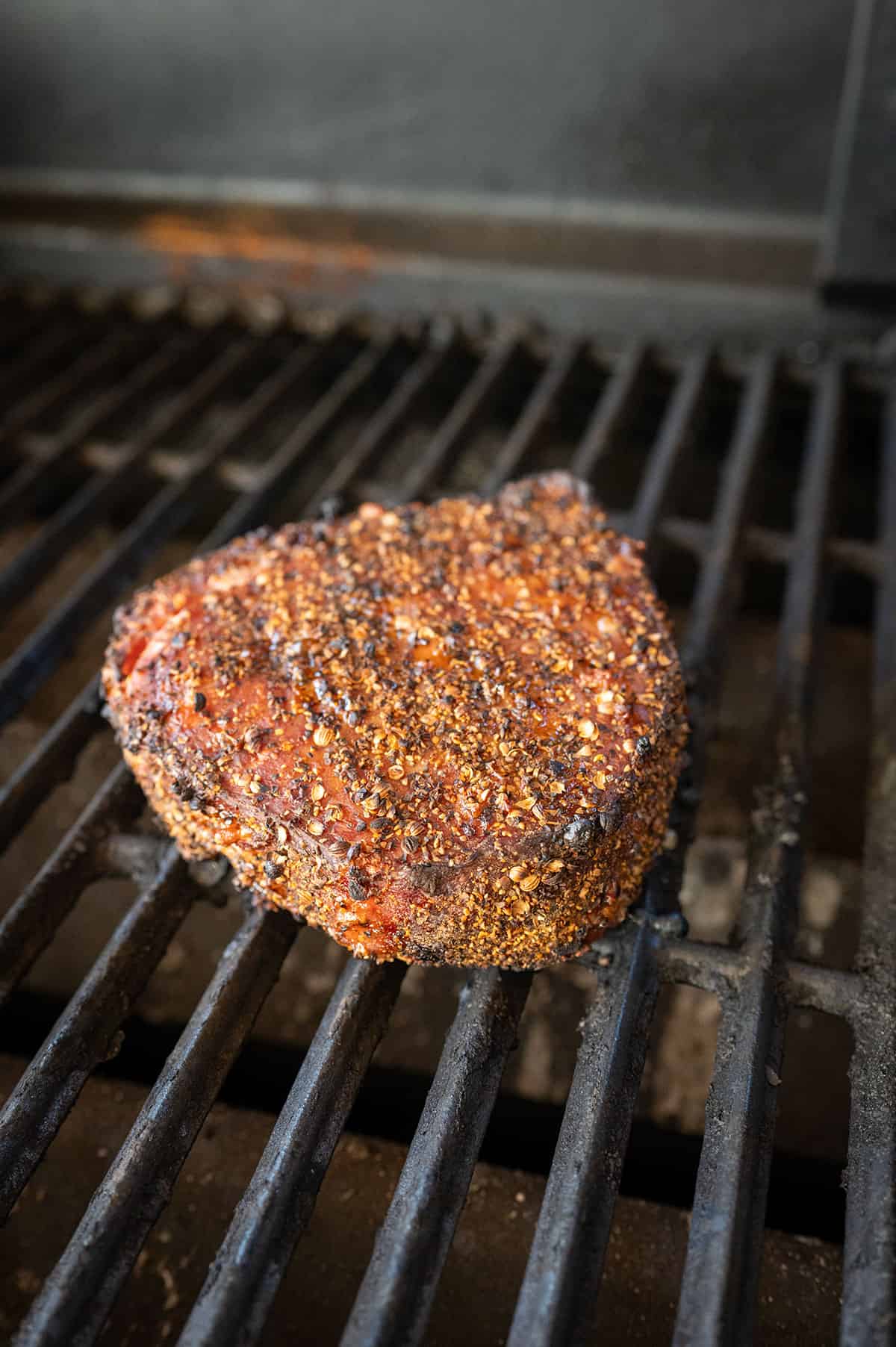
The grilling phase is where the tuna pastrami truly takes shape. The grill is preheated to medium-high heat, ensuring a direct heat zone for searing. The seasoned tuna steaks are placed directly on the hot grill grates. The cooking time is intentionally brief, typically around six minutes per side. This rapid cooking method is designed to achieve a desirable sear on the exterior while keeping the interior of the tuna steak moist and tender, ideally reaching an internal temperature of 145°F (63°C), which is the FDA-recommended safe internal temperature for fish. The quick grill time also helps to preserve the delicate texture of the tuna.
Step 4: Shredding the Tuna
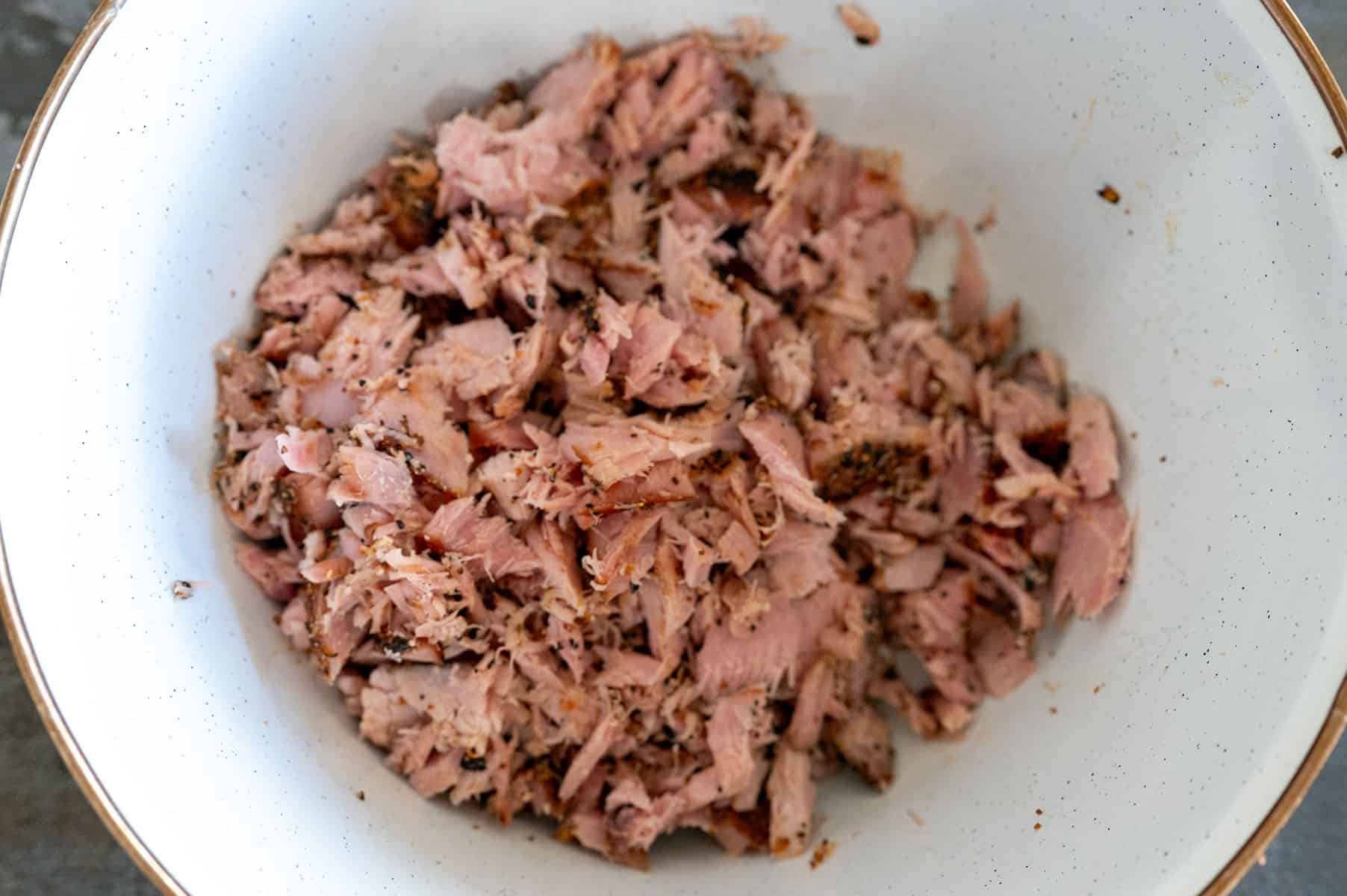
Once grilled to perfection, the tuna steaks are removed from the grill and allowed to rest for a few minutes. This resting period is essential for allowing the juices to redistribute throughout the fish, ensuring maximum moisture and tenderness. The tuna can then be served whole as a sophisticated entrée or, for the purpose of creating tuna salad, shredded into flakes. Shredding the tuna allows it to be easily incorporated into other ingredients, forming the base of a flavorful salad.
Step 5: Crafting the Pastrami Tuna Salad
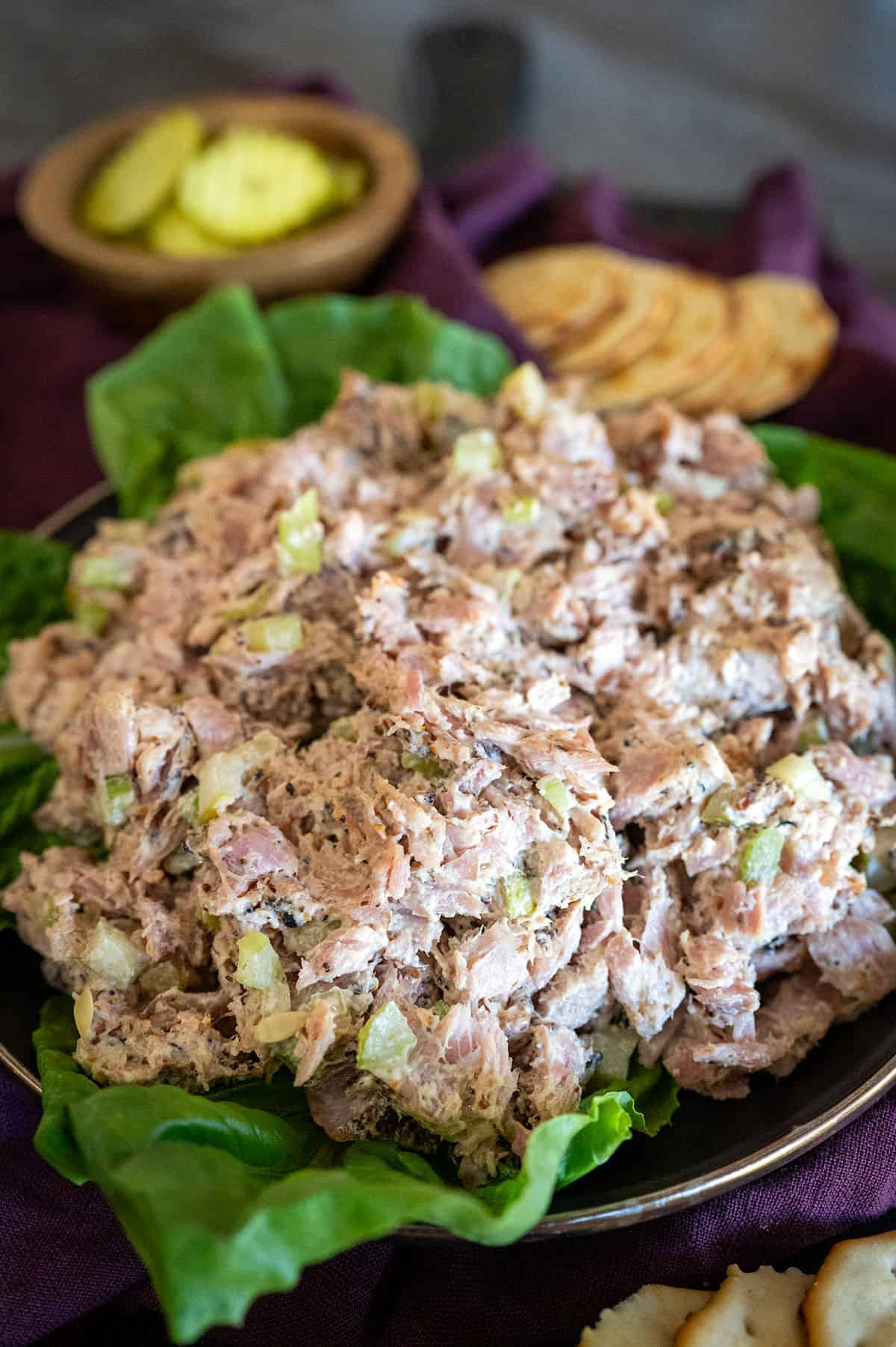
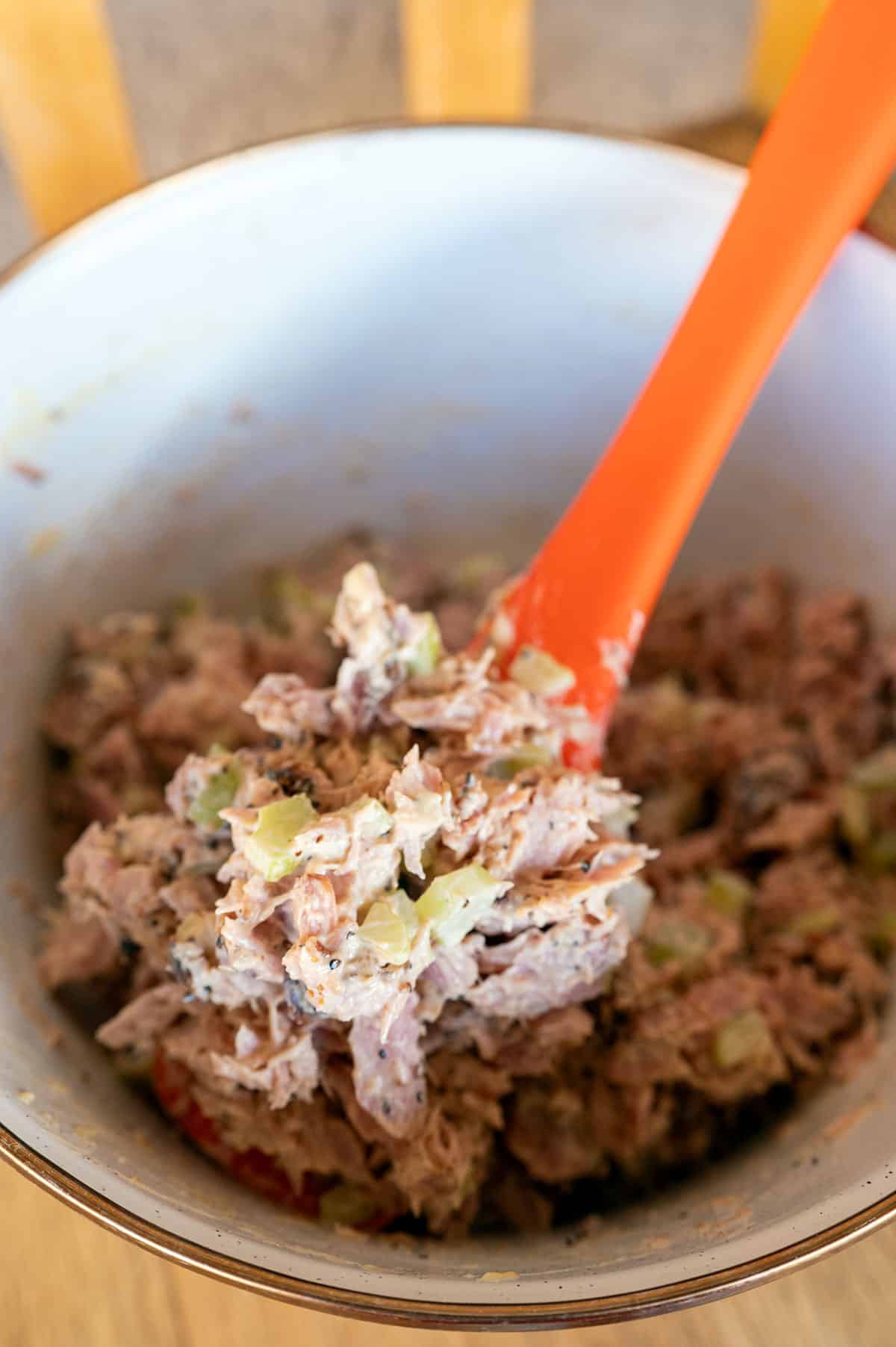
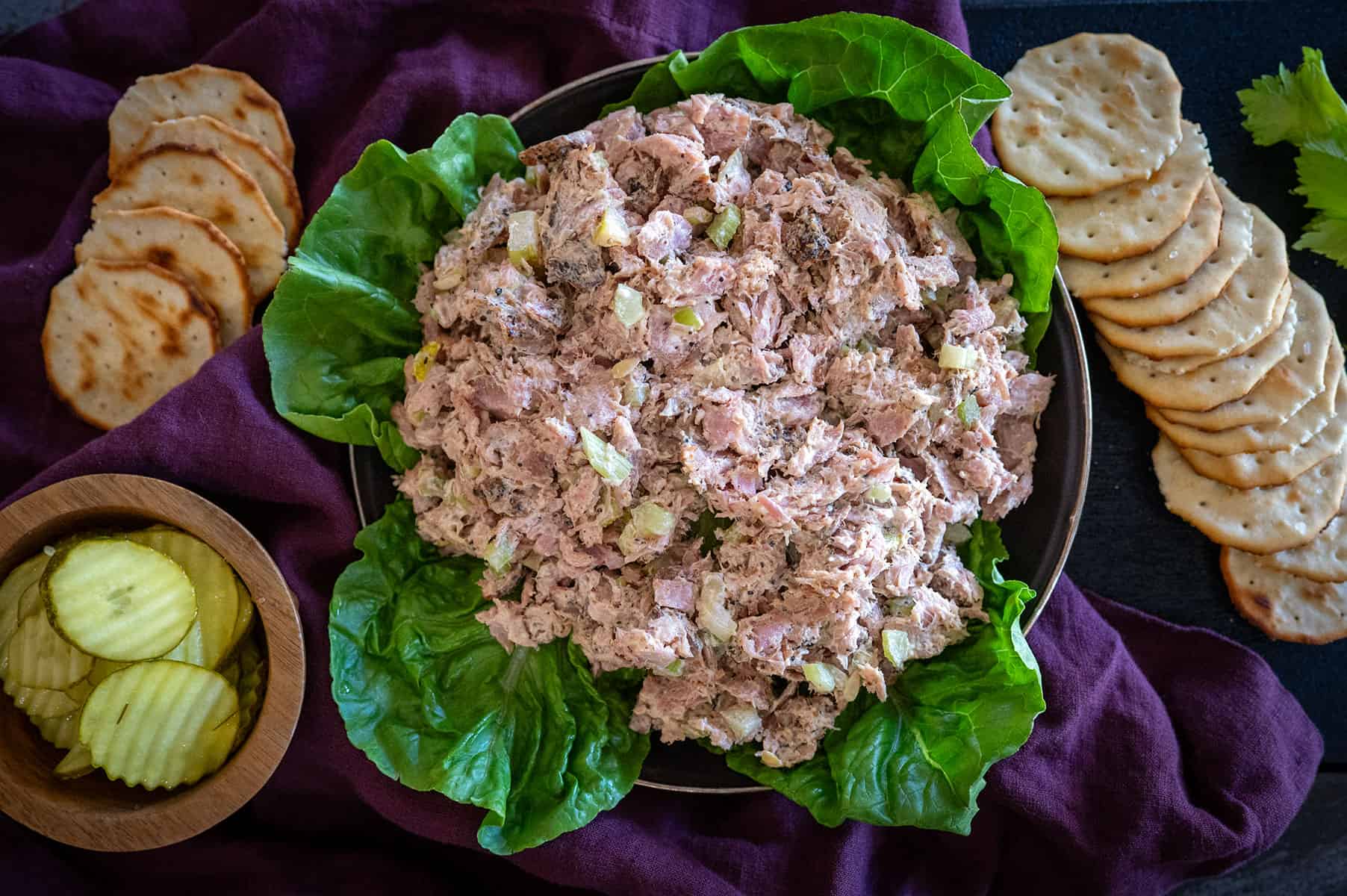
The transformation into tuna pastrami salad is where the versatility of this innovative dish shines. The shredded tuna pastrami is combined with classic tuna salad accoutrements. These typically include mayonnaise, finely chopped celery for crunch, diced onions for a sharp bite, relish or chopped pickles for a briny tang, and hard-boiled eggs for richness and texture. The ingredients are gently mixed to create a cohesive salad. Seasoning with salt and pepper to taste allows for final adjustments, ensuring a perfectly balanced flavor profile.
Versatile Serving and Storage
The applications for tuna pastrami extend beyond just salad. The grilled tuna steak itself can be a standout entrée, served alongside complementary sides like roasted vegetables, a fresh salad, or grilled potatoes. However, its most celebrated iteration is arguably the tuna pastrami salad. This salad can be enjoyed in various ways:
- On Crackers: A simple yet satisfying appetizer or light snack.
- On Sourdough Bread: Creating a classic deli-style sandwich.
- As a Tuna Melt: The ultimate indulgence, this version features the tuna pastrami salad grilled between slices of sourdough bread with melted Swiss cheese, creating a "pastrami tuna melt" that promises to be a culinary revelation.
For storage, any leftover pastrami tuna can be kept in an airtight container in the refrigerator for a few days. It’s important to note that if freezing is intended, it should be done with the grilled tuna steaks before they are mixed into the tuna salad, as the texture of the salad may be compromised by freezing.
Nutritional Considerations and Consumer Engagement
While the article snippet mentions automatic nutrition calculation, it’s crucial for consumers to understand that these are approximations. The exact nutritional values will depend on the specific ingredients and quantities used, particularly in the brine, rub, and the mix-ins for the tuna salad.
The Girls Can Grill platform actively encourages consumer engagement. Patrons are invited to rate recipes, leave comments, and share their creations on social media by tagging @girlscangrill. This feedback loop not only helps to refine recipes but also fosters a sense of community among grilling and culinary enthusiasts.
Expert Insights and Broader Implications
The innovation behind tuna pastrami taps into a broader trend of culinary fusion and the elevation of familiar comfort foods. By applying a technique traditionally associated with red meat to seafood, Vanover demonstrates a creative understanding of flavor profiles and cooking methodologies. This approach not only appeals to adventurous eaters but also offers a solution for those seeking lighter yet flavor-packed alternatives to traditional deli fare.
The simplicity of the process, utilizing readily available ingredients and standard grilling equipment, makes tuna pastrami an accessible recipe for home cooks. The absence of a smoker or specialized curing equipment further democratizes this innovative dish. This accessibility suggests a potential for wider adoption, not just in home kitchens but potentially in commercial settings as well, as chefs look for unique selling propositions.
The "Girls Can Grill" brand itself represents a growing movement of female empowerment in traditionally male-dominated culinary fields. Christie Vanover’s success as an award-winning pitmaster and recipe developer provides inspiration and a testament to the fact that culinary expertise knows no gender. Her platform actively shares expertise, from pitmaster tips to expert grill reviews, underscoring a commitment to education and community building.
The Future of Deli Delights
The emergence of tuna pastrami signifies more than just a novel recipe; it represents a thoughtful reinterpretation of classic flavors and a testament to culinary ingenuity. By successfully marrying the bold characteristics of pastrami with the delicate nature of tuna, this dish offers a compelling new option for sandwich lovers and seafood aficionados alike. As more home cooks and potentially restaurants embrace this innovative technique, tuna pastrami is poised to become a significant, albeit unconventional, fixture in the world of deli-inspired cuisine, proving that delicious reinvention can come from the most unexpected places. The ability to achieve such profound flavor transformation with accessible methods underscores the ongoing evolution of home cooking and the enduring appeal of well-executed, flavorful food.


