The practice of home food preservation has seen a significant technological evolution over the last decade, transitioning from traditional canning and dehydration to the sophisticated process of home freeze-drying. Among the various proteins available for preservation, the rotisserie chicken has emerged as a premier candidate for those utilizing home lyophilization units, such as those manufactured by industry leader Harvest Right. This method of preservation offers a unique combination of convenience, cost-effectiveness, and nutritional density, allowing households to transform a perishable grocery staple into a shelf-stable resource capable of lasting months or even years under proper storage conditions. Unlike traditional dehydration, which uses heat to evaporate moisture, freeze-drying—or sublimation—removes 98% to 99% of moisture while the food is frozen, preserving the cellular structure and flavor profile of the meat.
The Economic and Practical Context of Protein Preservation
The surge in interest regarding home freeze-drying is largely driven by fluctuating food prices and a growing emphasis on domestic food security. Rotisserie chickens, often sold as "loss leaders" by major retailers like Costco and Walmart to entice foot traffic, represent one of the most economical ways to acquire cooked protein. By purchasing these items, particularly when they are marked down for clearance, and processing them through a freeze-dryer, consumers can significantly lower their cost-per-meal.
Furthermore, the process addresses the global issue of food waste. According to data from the USDA, approximately 30% to 40% of the food supply is wasted, with meat being a significant component due to its short shelf life. Freeze-drying rotisserie chicken not only preserves the meat but also encourages the utilization of the entire bird. The remaining carcass, often discarded, can be simmered into a nutrient-dense bone broth, which can itself be freeze-dried into a shelf-stable bouillon powder, creating a zero-waste cycle of food management.
Technical Methodology: The Seven-Step Freeze-Drying Process
The transition from a fresh, hot rotisserie chicken to a shelf-stable pantry item requires a disciplined approach to food safety and mechanical processing. The following chronology outlines the standardized procedure for optimal results.
Phase One: Preparation and Mechanical Separation
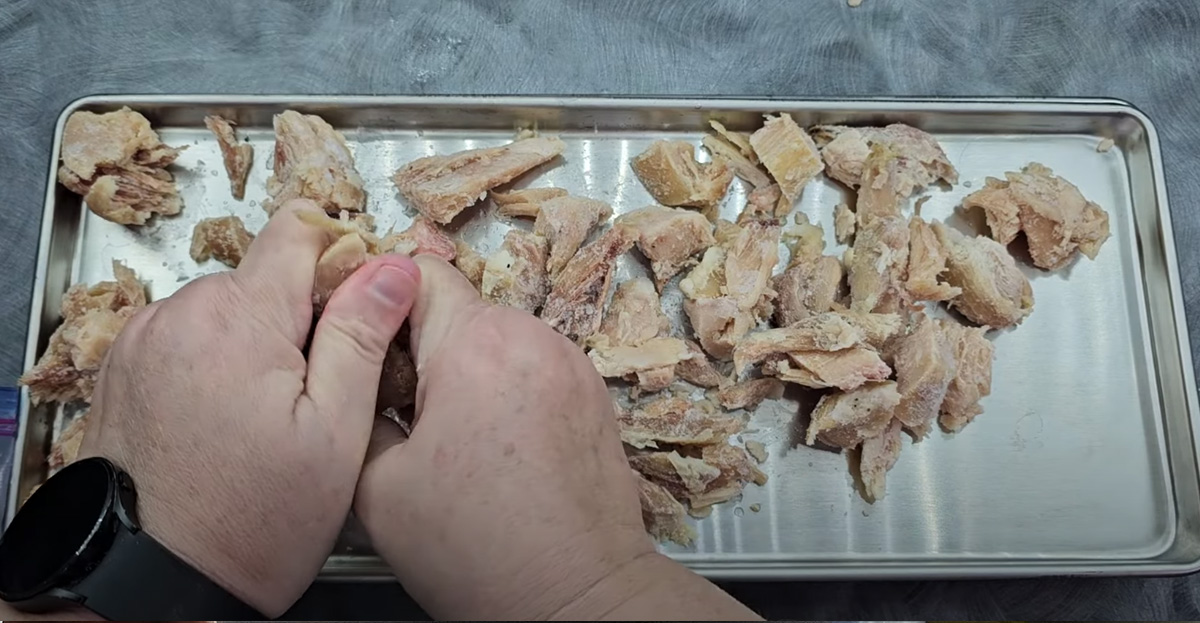
The first step involves stripping the chicken of all edible meat. Journalistic observations of the process suggest that for long-term stability, it is imperative to remove the skin and any visible pockets of fat. Fat does not freeze-dry; it remains in a liquid or semi-solid state and can become rancid over time through lipid oxidation. The bones and skin should be reserved for secondary processing into broth.
Phase Two: Uniform Sizing for Sublimation Efficiency
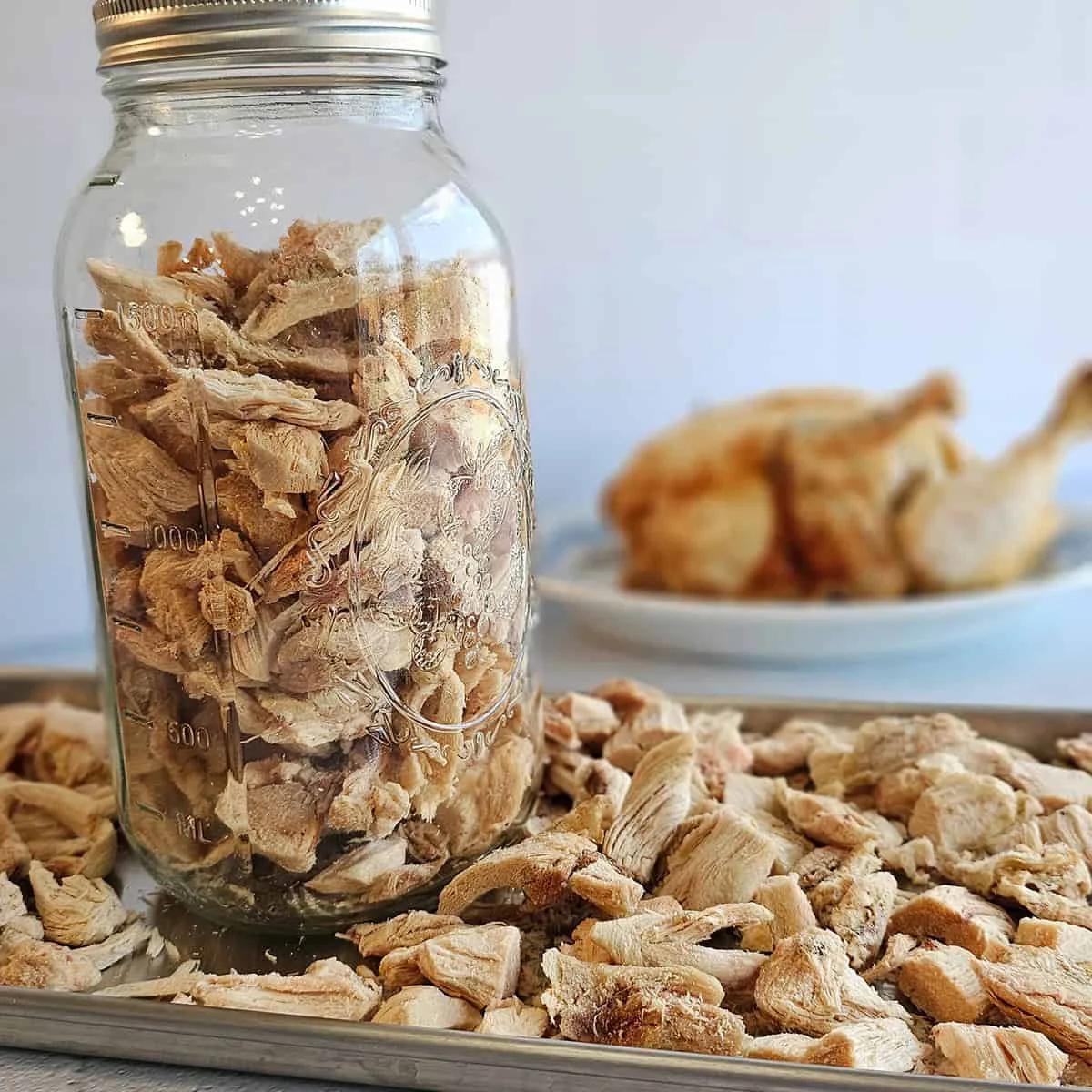
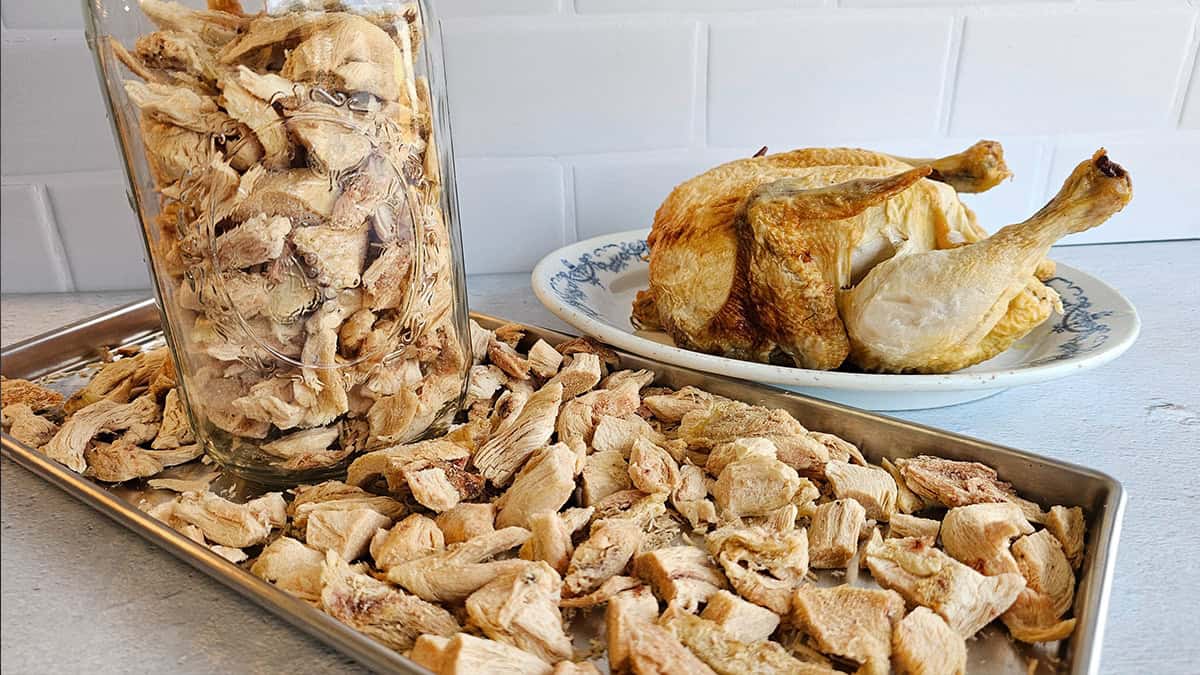
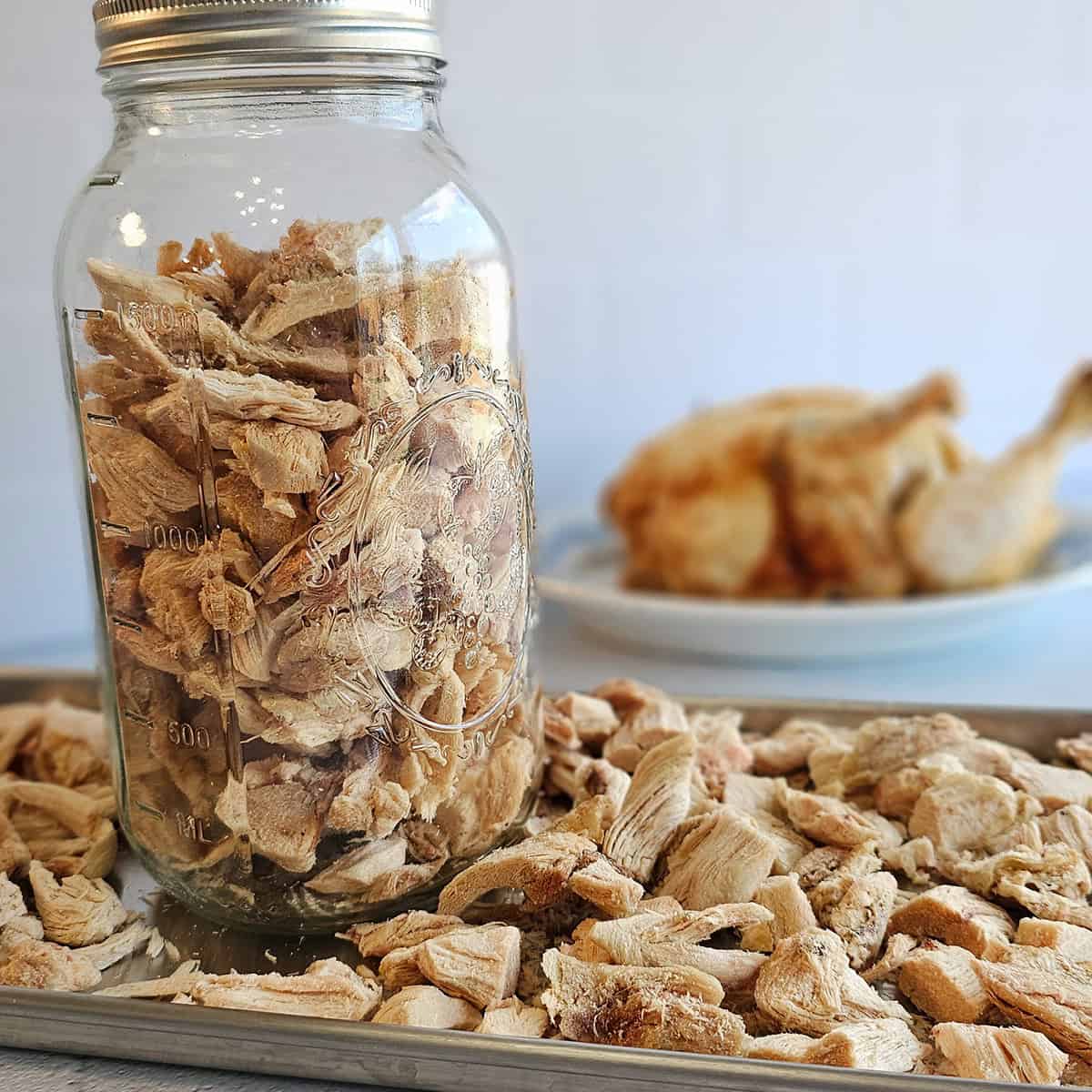
Once stripped, the chicken must be portioned into uniform pieces. Experts recommend bite-sized cubes or shreds of approximately one inch or smaller. Uniformity is critical in freeze-drying because the machine’s sensors calculate drying times based on the average moisture exit rate; larger pieces may retain a "cold core" of ice, leading to spoilage after the product is sealed.
Phase Three: Pre-Freezing and Thermal Optimization
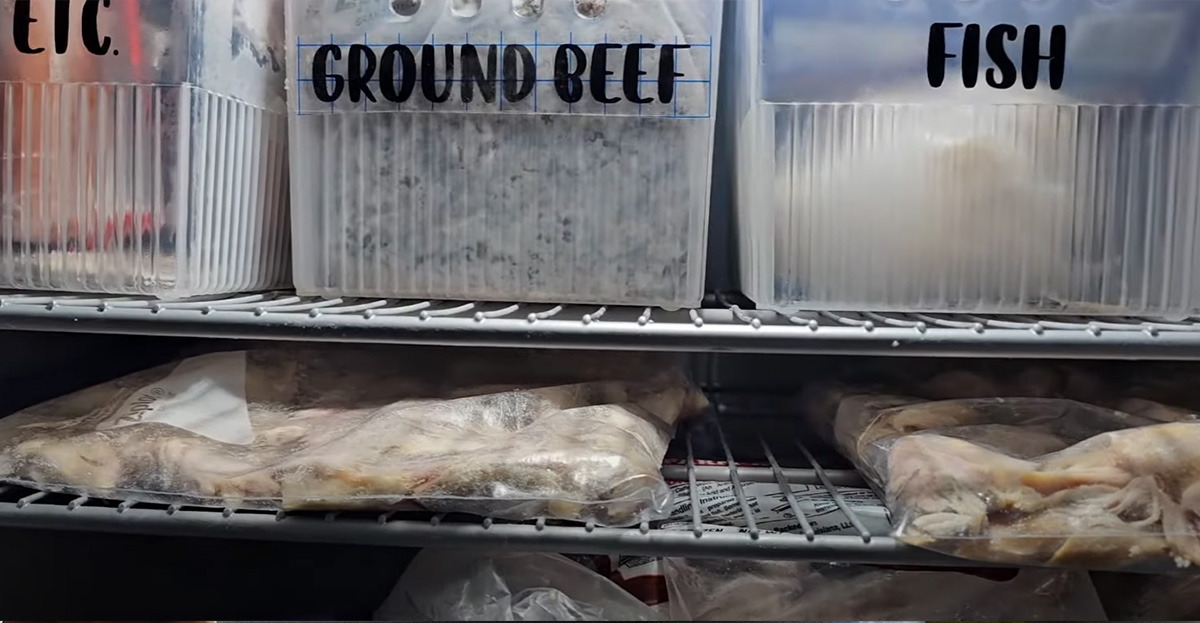
While most modern freeze-dryers can freeze the product within the chamber, pre-freezing the chicken in a conventional deep freezer for up to 24 hours is a strategic move for efficiency. By placing the chicken on trays or in bags in a chest freezer first, the user reduces the mechanical strain on the freeze-dryer’s vacuum pump and compressor, effectively shortening the machine’s run time and reducing electricity consumption.
Phase Four: The Lyophilization Cycle
The prepared trays are placed into the freeze-dryer, and the vacuum seal is engaged. The machine then lowers the temperature to well below zero before gradually warming the trays while under a deep vacuum. This process allows the ice crystals within the chicken to turn directly into water vapor without passing through a liquid phase. It is recommended to set the initial drying time with a 24-hour buffer to ensure that even the densest pieces of dark meat are fully processed.
Phase Five: Quality Control and Moisture Testing
Upon completion of the cycle, the chicken must be tested. A factual analysis of the product should reveal a "honeycomb" texture that is light and brittle. The chicken should break cleanly without any internal dampness. A more scientific method involves weighing a tray, returning it to the machine for two hours of "extra dry" time, and weighing it again. If the weight has decreased, moisture was still present, and further drying is required.
Phase Six: Hermetic Sealing and Long-Term Storage
The final product must be protected from its two primary enemies: oxygen and moisture. For immediate or short-term use (up to one year), vacuum-sealed glass canning jars are sufficient. However, for extended shelf life, Mylar bags paired with oxygen absorbers (typically 300cc to 500cc depending on container size) are the industry standard. These absorbers remove any residual oxygen that could lead to the degradation of the small amounts of fat remaining in the rotisserie chicken.
Nutritional Integrity and Lipid Limitations
One of the primary advantages of freeze-drying over canning is the retention of nutritional value. Studies indicate that freeze-dried foods retain approximately 97% of their original vitamins and minerals, whereas canning can result in a loss of up to 50% due to the high heat required for sterilization.
However, rotisserie chicken presents a specific challenge: fat content. Unlike lean chicken breasts, rotisserie chickens are often seasoned and contain higher levels of lipids, particularly in the thighs and legs. Because fat does not freeze-dry, the shelf life of rotisserie chicken is generally shorter than that of ultra-lean meats. While freeze-dried lean beef or chicken breast can last 15 to 25 years, rotisserie chicken is typically cited as having a reliable shelf life of six months to two years. This makes it an ideal "working pantry" item rather than a multi-decade emergency reserve.
Rehydration Dynamics and Culinary Application
The physics of freeze-drying ensures that the food does not shrink during the process. Consequently, the yield remains consistent: one cup of freeze-dried chicken will return to approximately one cup of hydrated chicken. This 1:1 ratio by volume simplifies recipe adaptation for home cooks.
Rehydration Methods:
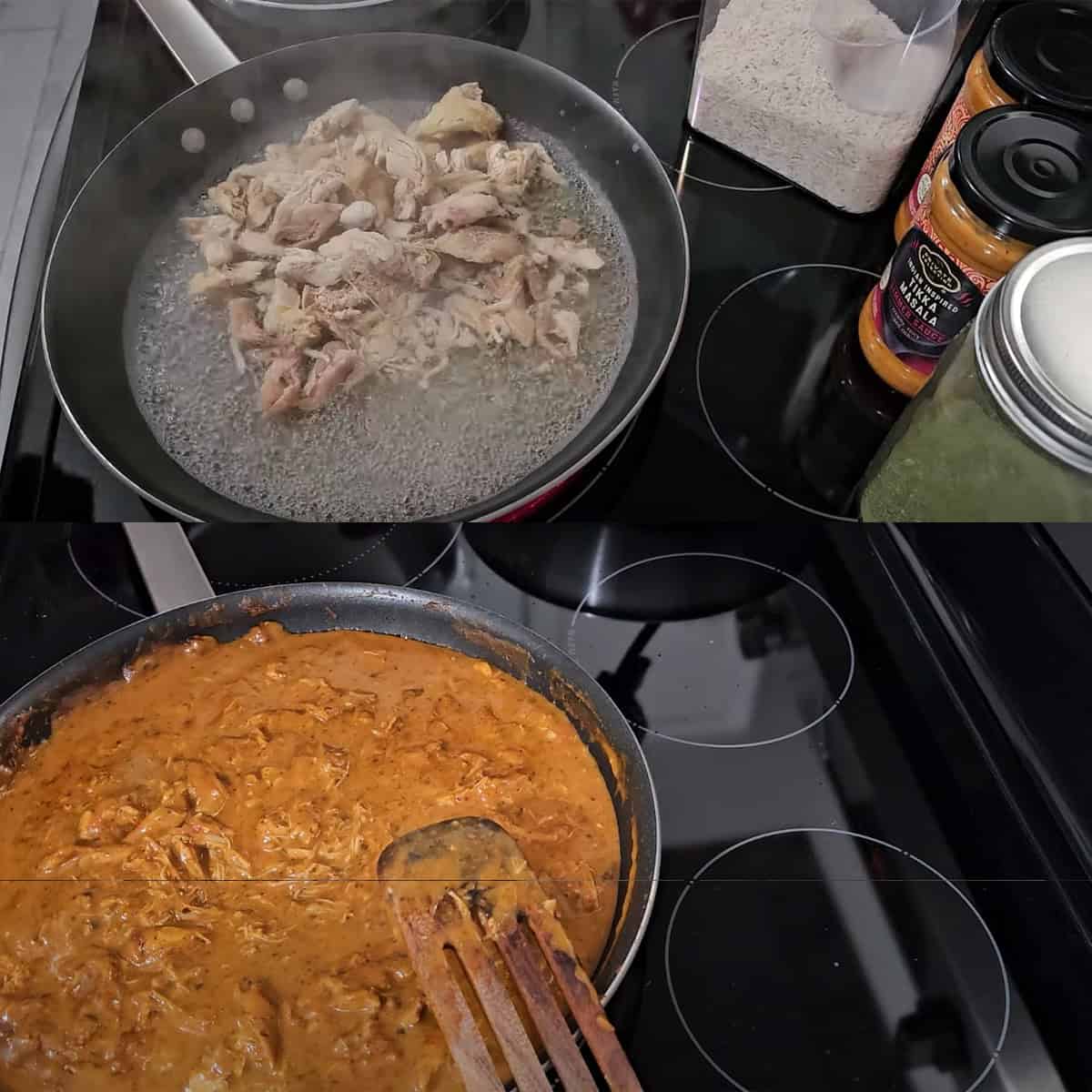
- Hot Rehydration: For use in soups, stews, or stir-fries, the chicken can be added directly to the cooking liquid. Alternatively, it can be simmered in a skillet with a small amount of broth for three to five minutes until the texture returns to its original state.
- Cold Rehydration: For chicken salads or cold wraps, the meat should be placed in a bowl and covered with water or broth, then refrigerated for approximately 15 to 30 minutes.
The versatility of the final product allows it to be integrated into a wide array of dishes, from quick weeknight pastas to emergency meal kits. Because the chicken is pre-cooked, it serves as a "fast food" alternative that avoids the preservatives found in commercially processed convenience meals.
Broader Implications for Food Security and Sustainability
The ability to freeze-dry proteins like rotisserie chicken at home has broader implications for community resilience and environmental sustainability. By extending the life of meat products, households can reduce the frequency of grocery trips and minimize their contribution to landfills.
From a disaster preparedness perspective, having a supply of shelf-stable, high-quality protein provides a significant advantage during power outages or supply chain disruptions where refrigeration is unavailable. As the technology for home freeze-drying becomes more accessible and affordable, it is expected that more households will adopt these methods to hedge against inflation and ensure a consistent food supply.
In conclusion, while the initial investment in a freeze-drying unit is substantial, the long-term benefits of preserving versatile proteins like rotisserie chicken are clear. Through careful preparation, adherence to mechanical guidelines, and proper storage, consumers can effectively bridge the gap between fresh grocery convenience and long-term food stability. The process represents a sophisticated marriage of culinary tradition and modern science, providing a robust solution for the modern pantry.