Granola, a beloved staple in breakfasts and snacks worldwide, is undergoing a quiet yet significant culinary evolution, driven by the increasing popularity of sourdough baking. What was once a simple blend of grains, nuts, and sweeteners has been reimagined through the innovative inclusion of sourdough starter discard, elevating its flavor, texture, and sustainability profile. This seemingly unconventional addition, championed by culinary experts and home bakers alike, transforms granola into a remarkably crisp, deeply flavorful, and satisfyingly clumpy confection, turning a potential kitchen byproduct into a star ingredient.
The appeal of granola has long resided in its ability to marry simple components into a sum greater than its parts. Traditionally, oats, nuts, and seeds are bound together with a combination of fats and sweeteners, then baked to a golden, crunchy perfection. However, the introduction of sourdough discard – the unfed portion of a sourdough starter that is typically discarded before feeding – brings a new dimension to this classic. This ingenious adaptation addresses both a culinary challenge and a growing desire for resourceful cooking, marking a notable shift in how home bakers approach ingredient utilization.
The Rise of Sourdough Discard in Modern Cuisine
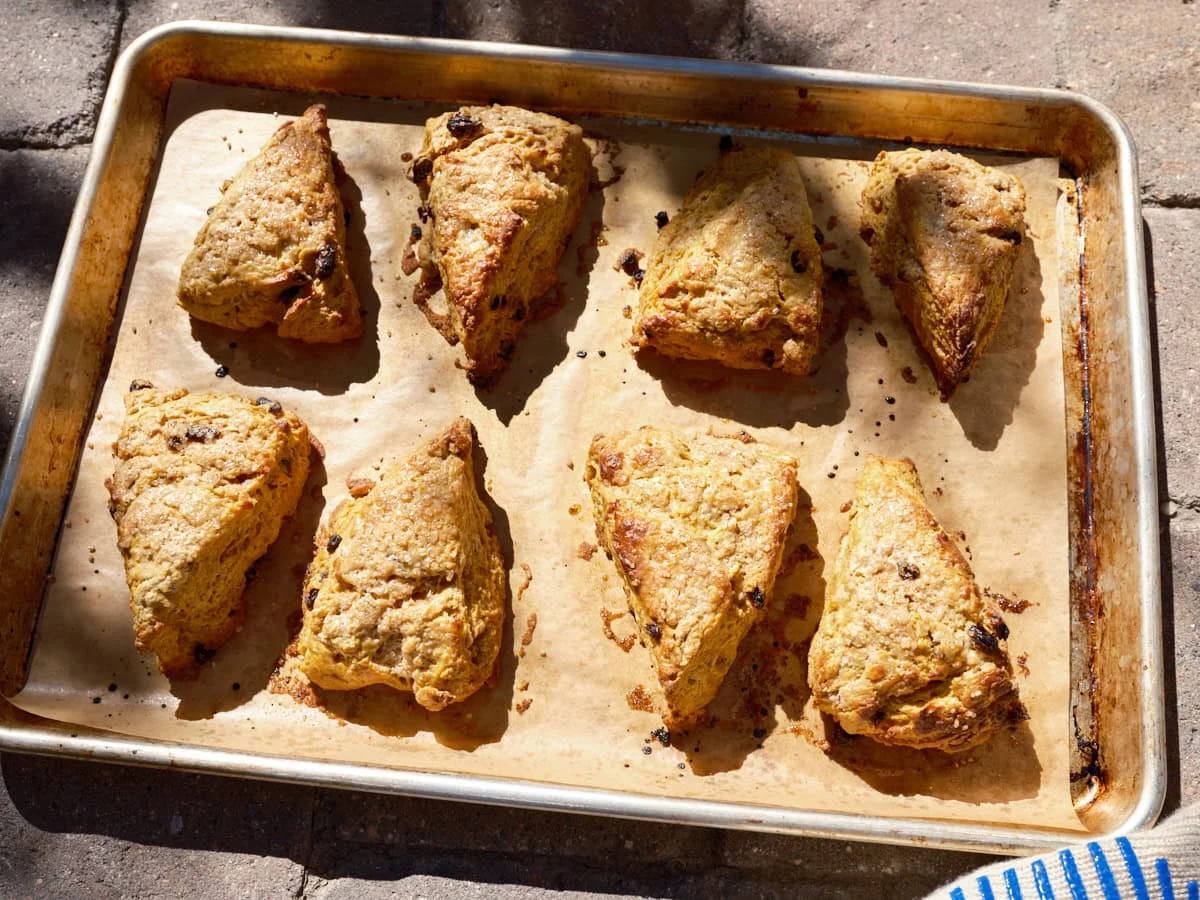
The past decade, particularly catalyzed by global events that fostered a resurgence in home baking, has seen sourdough bread-making move from niche hobby to mainstream phenomenon. With this rise came an inevitable byproduct: sourdough starter discard. Maintaining an active sourdough starter requires regular feeding and discarding, leading to a surplus of this fermented flour-and-water mixture. Initially, many bakers viewed discard as a necessary waste, but a growing movement has sought to integrate it into a myriad of recipes, demonstrating its versatility beyond just leavening bread.
Sourdough discard has already found its way into a diverse range of baked goods, from fluffy pancakes and tender muffins to rich cakes and fudgy brownies, and even savory crackers. Its contribution is consistently noted for imparting a subtle tang, enhancing the depth of flavor, and often improving the texture of the final product. For example, in a plum cake, discard might add a delicate counterpoint to the fruit’s sweetness, while in brownies, it can introduce a nuanced complexity that elevates the chocolate’s richness. The integration into granola, while perhaps less immediately intuitive than other applications, harnesses these very same properties, proving sourdough discard’s adaptability across the sweet and savory spectrum.
Sourdough Discard: A Multifaceted Enhancer for Granola
In granola, sourdough starter discard performs a triple role, significantly impacting flavor, binding, and crispness.
- Flavor Complexity: The fermentation process within the sourdough discard contributes a subtle, yet distinct, tangy note. This acidity acts as a natural flavor enhancer, much like a squeeze of lemon in a savory dish, adding an extra layer of complexity that balances the inherent sweetness of the granola. This nuanced flavor profile distinguishes sourdough discard granola from its traditional counterparts, offering a more sophisticated palate experience. Culinary science confirms that fermented ingredients introduce a spectrum of organic acids and esters, enriching the overall aroma and taste of food.
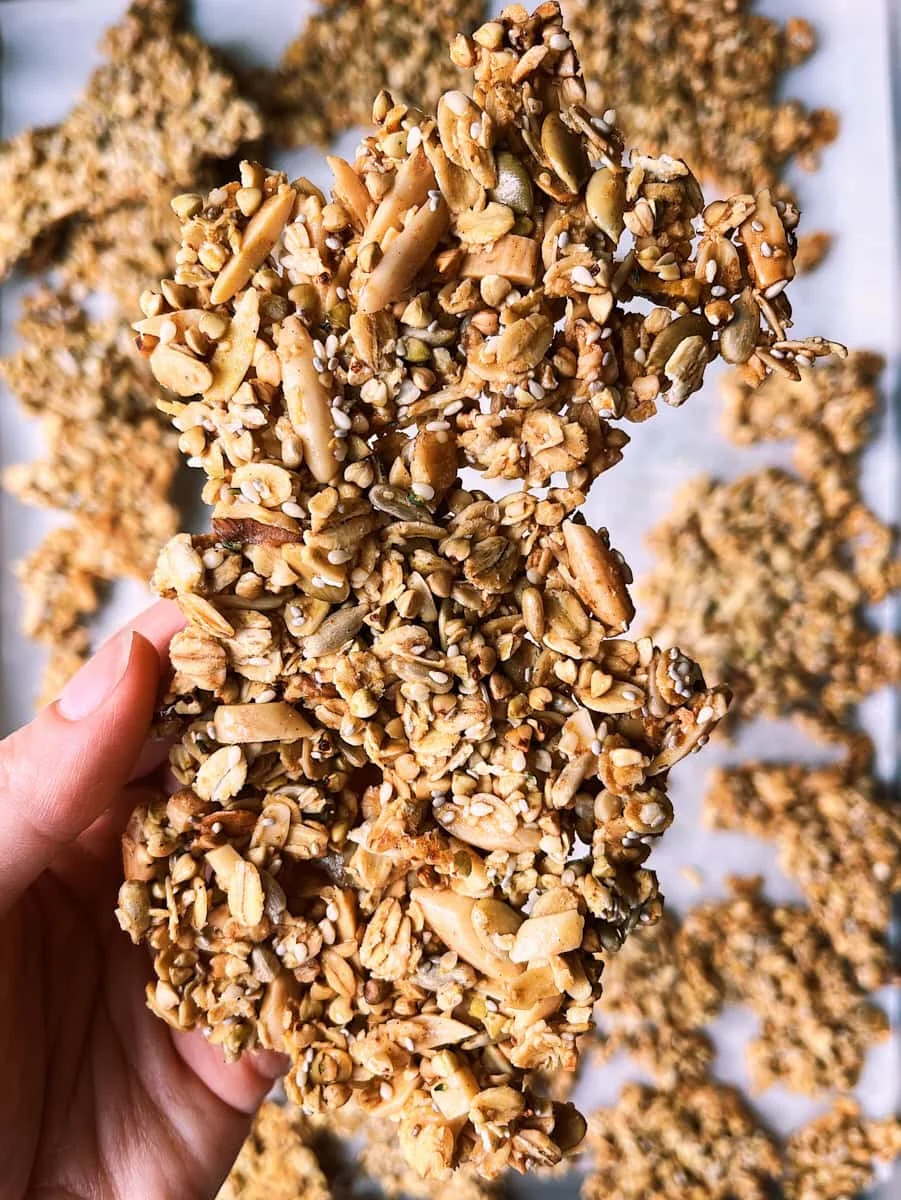
- Superior Binding Agent: One of the most coveted characteristics of a good granola is the presence of large, satisfying clusters. Achieving these clusters typically relies on a generous amount of sticky sweeteners like maple syrup or honey, sometimes augmented by egg whites. However, sourdough discard, with its thick, viscous consistency derived from hydrated flour, proves to be an exceptionally effective natural binder. When mixed with the dry ingredients and a minimal amount of sweetener, it forms a cohesive coating that encourages the oats, nuts, and seeds to adhere together more robustly during baking. This binding action is more efficient, often requiring less added sweetener to achieve desired clumping, contributing to a less overly sweet final product.
- Enhanced and Enduring Crispness: The flour component of the sourdough discard, once baked, contributes to a remarkable crispness that persists over time. This phenomenon is akin to the satisfying snap of a well-baked sourdough cracker. The starches in the flour, when exposed to heat and then allowed to cool properly, undergo a process called retrogradation, where they re-crystallize, forming a rigid structure. This results in granola that remains exceptionally crunchy for weeks when stored correctly, resisting the tendency to soften that can plague other homemade granolas.
Crafting the Perfect Base: Oats and a Symphony of "Crunchies"
At the heart of any great granola lies its foundational ingredients. Rolled oats, a classic choice, form the bulk of this sourdough discard granola. Their mild flavor and excellent texture-absorbing properties make them an ideal canvas. For optimal balance and texture, a ratio of approximately two parts oats to three parts other mix-ins is often recommended, allowing for a rich diversity of flavors and mouthfeels.
The "other crunchies" are where customization truly shines and nutritional value is amplified:
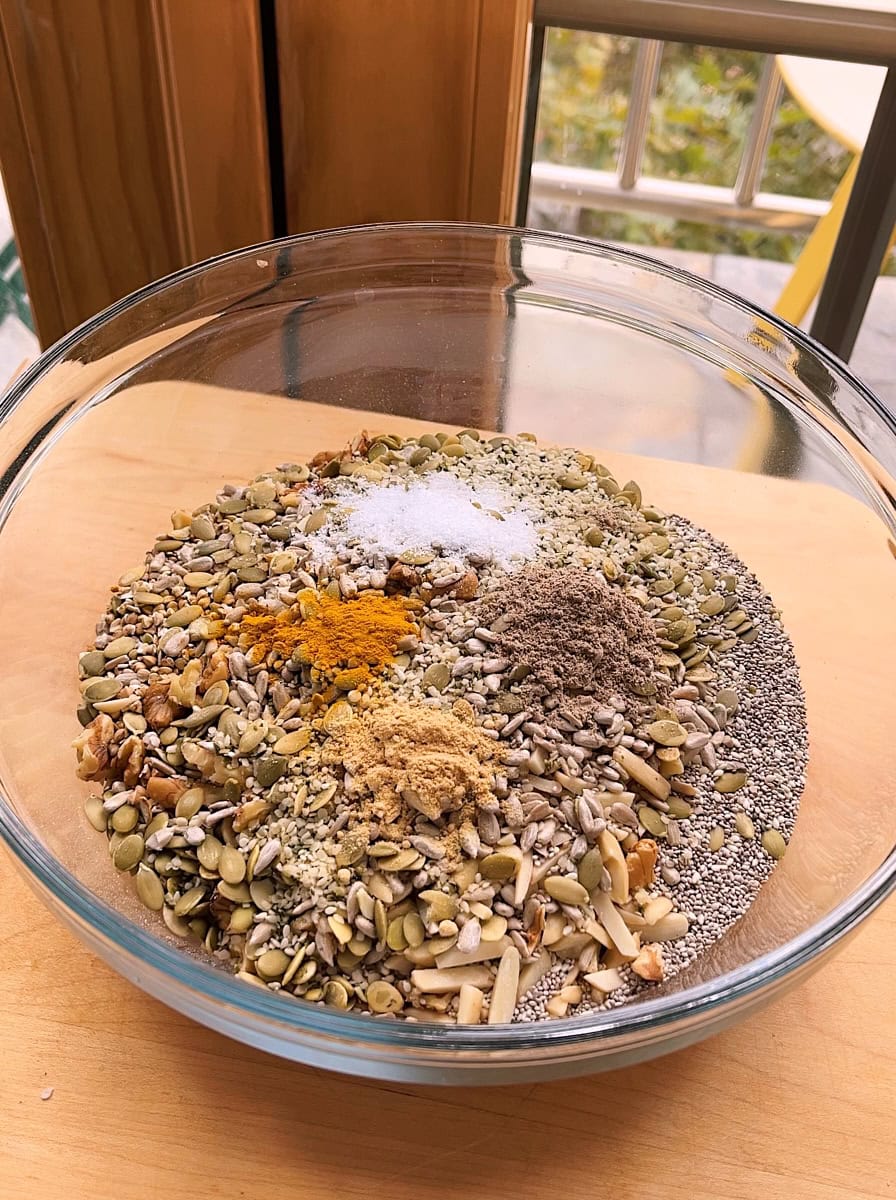
- Buckwheat Groats: These add an earthy, robust crunch that complements the milder oats, introducing a rustic dimension. Buckwheat is also a good source of fiber and protein.
- Nuts: Almonds, walnuts, pecans, or cashews contribute rich, buttery flavors and essential healthy fats, including monounsaturated and polyunsaturated fats, as well as protein. They enhance the overall satiety and provide a satisfying chew.
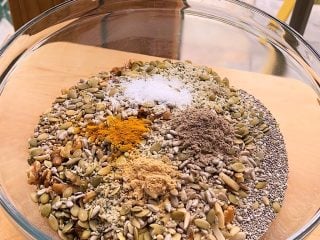
- Seeds: A diverse blend is key. Larger seeds like pumpkin or sunflower seeds offer substantial crunch and nutritional benefits (zinc, vitamin E). Smaller seeds such as hemp or sesame seeds add subtle flavor, delicate texture, and visual appeal, while flaxseed (ground or whole) and chia seeds serve a dual purpose: they contribute fiber and omega-3 fatty acids, and their mucilaginous properties, when hydrated, further assist in binding the granola ingredients, reinforcing the clumping action initiated by the sourdough discard.
- Coconut: Shredded or flaked coconut provides a tropical, buttery note and an additional layer of texture, crisping beautifully during baking.
The strategic combination of these ingredients ensures a granola that is not only delicious but also nutritionally dense, packed with fiber, protein, and beneficial fats, making it a wholesome addition to any diet.
The Sweetness and Richness Equation: Maple Syrup and Oil
While sourdough discard significantly aids in binding, the granola still requires carefully balanced sweetness and fat to achieve its characteristic flavor and texture.
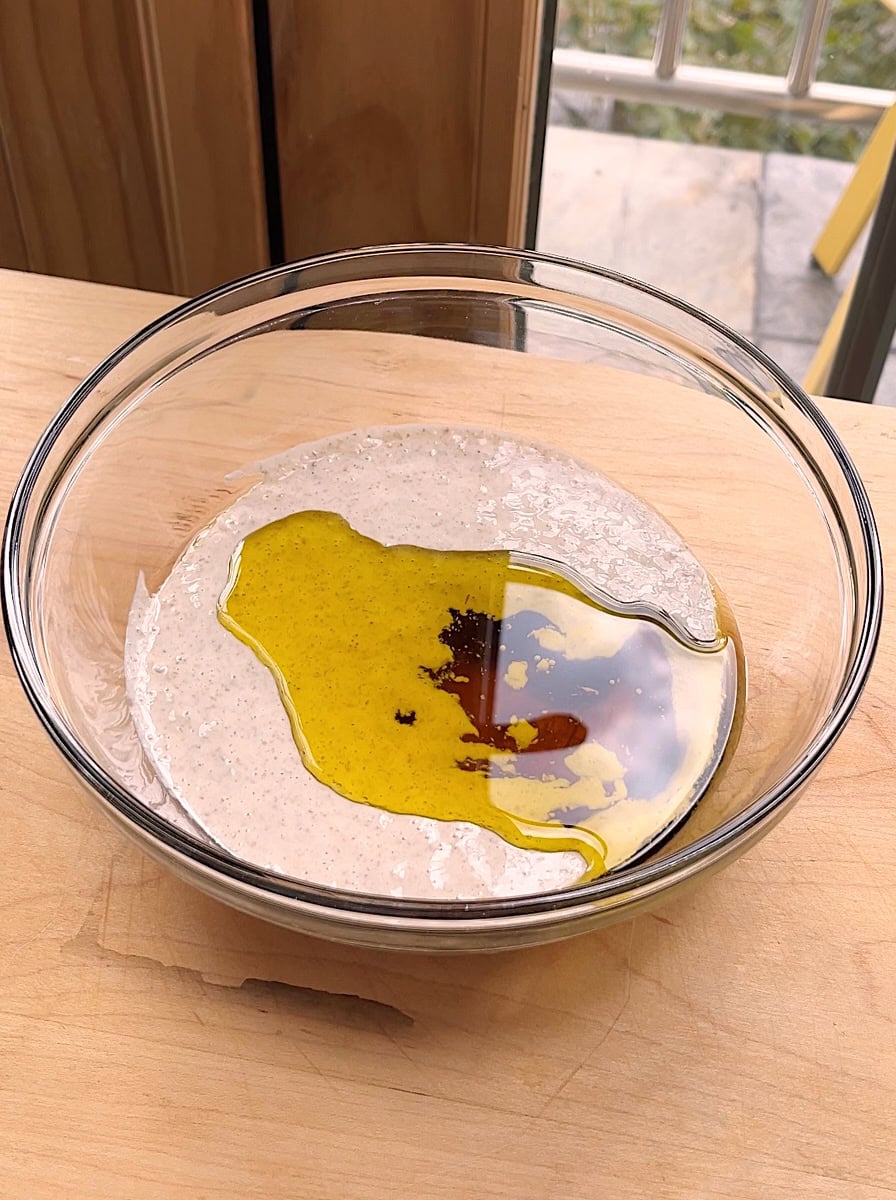
- Maple Syrup: As the primary sweetener, maple syrup offers a nuanced, earthy sweetness that pairs beautifully with the tangy notes of the sourdough discard. Importantly, thanks to the discard’s binding power, this granola requires less sweetener than many traditional recipes. Approximately 156 grams (half a cup) of maple syrup is sufficient to create a lightly sweet granola that is versatile enough for breakfast over yogurt or as a satisfying snack on its own, perhaps even mixed with chocolate chips for a treat. This reduced sugar content aligns with contemporary dietary preferences for less intensely sweet foods.
- Oil: Fat is indispensable for achieving that desired crisp and rich texture, preventing the granola from becoming dry or overly floury. The choice of oil can significantly influence the final flavor profile. Olive oil or unrefined coconut oil are often preferred for their distinctive flavors, which can add depth and character to the granola. For those who prefer a more neutral backdrop, avocado oil, known for its high smoke point and mild taste, is an excellent alternative. The oil ensures even browning and a satisfying mouthfeel, contributing to the overall sensory experience of the granola.
The Crucial Baking Technique: Uninterrupted Baking for Optimal Clumps

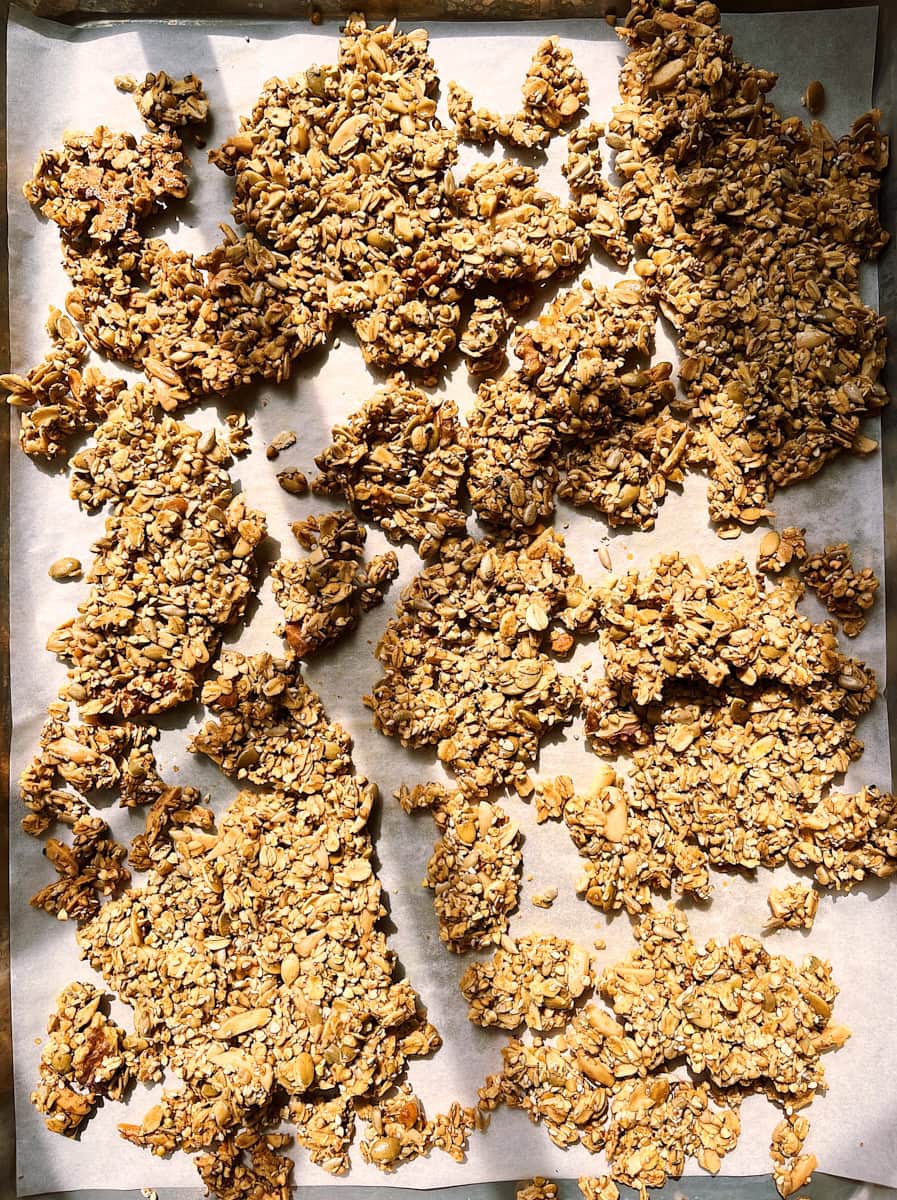
Achieving those coveted, bark-like granola clusters is not solely dependent on the ingredients; the baking methodology plays a critical role. A key instruction, often counter-intuitive to conventional granola baking, is to refrain from stirring the granola while it bakes.
Many granola recipes advise stirring periodically to ensure even browning. However, when employing sourdough discard and additional binding agents like flax or chia seeds, this stirring becomes counterproductive. The goal is to allow the cohesive mixture to set and bond uninterrupted. By spreading the granola thinly and evenly across two sheet pans, adequate air circulation and heat distribution are naturally achieved, leading to uniform baking without the need for manual intervention.
As the granola bakes, the binding agents—sourdough discard, maple syrup, and any mucilaginous seeds—caramelize and solidify, effectively gluing the ingredients together. Once fully cooled, this undisturbed mass can be lifted off the sheet pan in large, satisfying sheets or "barks." These can then be broken into slightly smaller, yet still substantial, clusters for convenient storage and consumption. This technique is paramount for maximizing the clumping potential inherent in the sourdough discard-enhanced recipe.
Customization and Longevity: Tailoring and Preserving Your Granola
The beauty of homemade granola lies in its adaptability. While the core recipe provides a robust foundation, personal preferences can easily be accommodated.
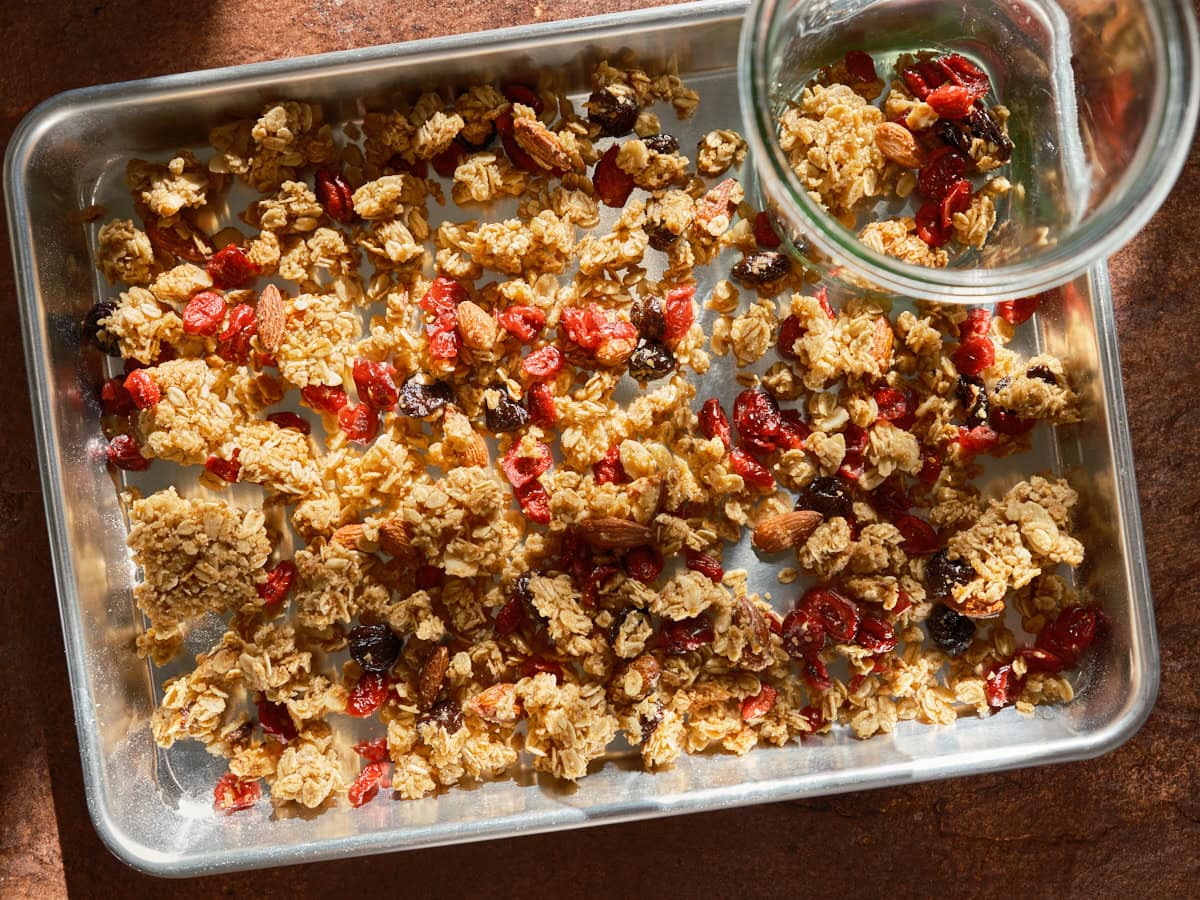
- Dried Fruit Integration: The inclusion of dried fruit often divides granola enthusiasts. For those who enjoy it, adding dried fruits such as raisins, dried cranberries, dried cherries, roughly chopped dates, prunes, apricots, or even dried mango, is best done after the granola has finished baking and cooled slightly. Baking dried fruit can cause it to become excessively hard, chewy, or even burnt, leading to an undesirable texture. Alternatively, dried banana chips or mulberries can add a sweet crunch, while freeze-dried berries offer a delicate sweetness and crispness. For a spicy-sweet kick, chopped candied ginger is an excellent addition.
- Chocolate Indulgence: For the ultimate indulgence, chocolate can be seamlessly incorporated. Adding approximately 30 grams (1/4 cup) of cocoa powder (natural or Dutch process) to the dry ingredients will infuse the entire granola with a deep chocolate flavor. For chocolate chips or chopped chocolate, up to 170 grams (1 cup) can be stirred in after the granola has cooled completely, preventing melting and ensuring distinct chocolate pieces.
- Ingredient Substitutions: The recipe offers significant flexibility for nuts, seeds, sweeteners, and fats. Almost any nut or seed, from hazelnuts to Brazil nuts, can be substituted. Honey offers a more floral and pronounced sweetness, resulting in a slightly chewier texture, while agave syrup provides a more neutral sweetness. Neutral oils like sunflower or canola can replace olive or coconut oil, and small amounts of specialty oils (e.g., toasted sesame or walnut oil) can introduce unique aromatic notes.
- Optimal Storage: To ensure the longevity of its superior crispness, sourdough discard granola should be stored in an airtight container. Culinary experts, such as Maurizio from The Perfect Loaf, advocate for storing granola in jars, specifically mentioning Weck Jars, and even recommend freezing it. When frozen, granola maintains its crunchy texture almost indefinitely, allowing bakers to prepare larger batches and enjoy them over an extended period.
Broader Implications: Sustainability and Culinary Innovation
The emergence of sourdough discard granola is more than just a new recipe; it represents a tangible step towards more sustainable and resourceful home cooking. In an era where food waste is a significant global concern, finding delicious and practical uses for ingredients that would otherwise be discarded is invaluable. Sourdough discard, once a challenging byproduct for home bakers, is now being celebrated as a versatile component that adds value, flavor, and texture.
This trend reflects a broader shift in culinary philosophy, emphasizing conscious consumption, minimizing environmental impact, and maximizing the utility of every ingredient. Sourdough discard granola stands as a prime example of how creativity in the kitchen can lead to innovative, flavorful solutions that benefit both the palate and the planet. It encourages bakers to view every component of their craft not as waste, but as an opportunity for further culinary exploration and delight.
In conclusion, the integration of sourdough starter discard into granola represents a brilliant confluence of traditional baking, modern resourcefulness, and flavor innovation. It transforms a humble breakfast staple into a gourmet experience, characterized by a unique tangy depth, superior clumping, and enduring crispness, all while championing the principles of sustainable home baking. As the culinary landscape continues to evolve, sourdough discard granola is poised to become a celebrated addition to the repertoire of discerning bakers and conscious consumers alike.