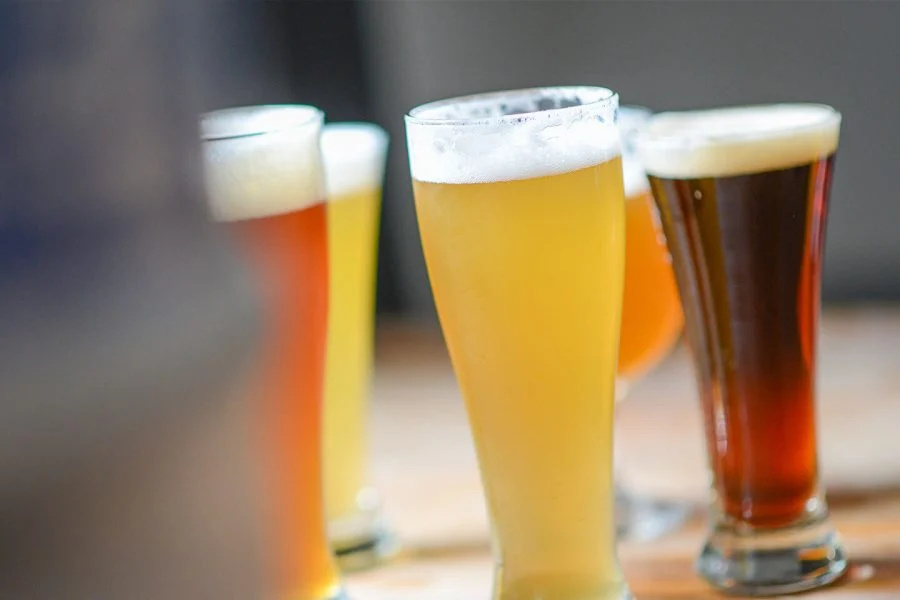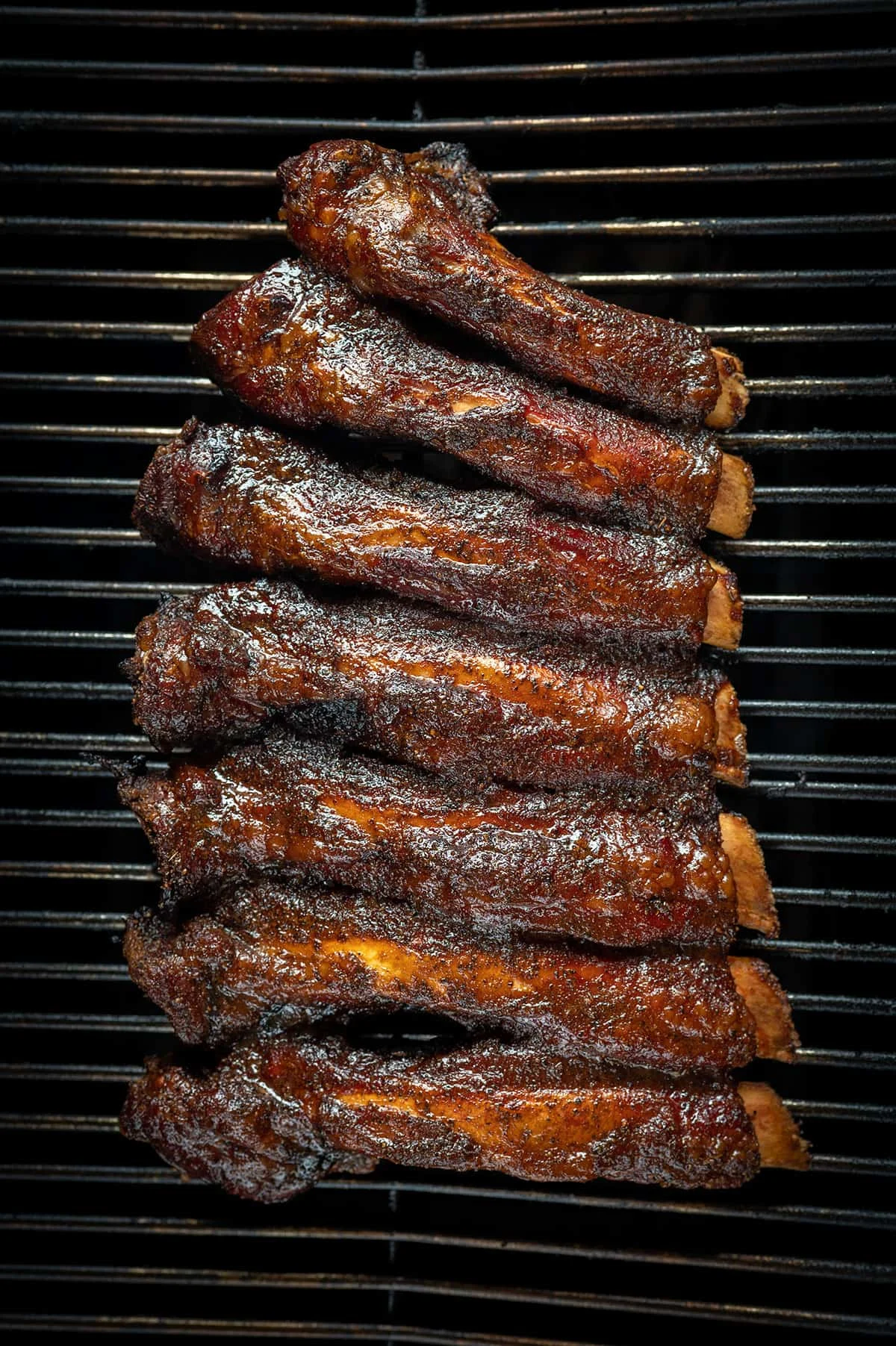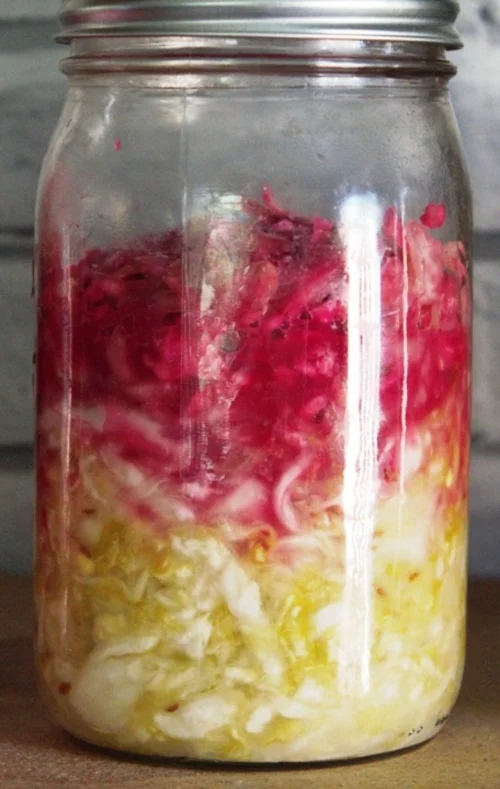
Austin Durant, the acclaimed author and founder of Fermenters Club, recently engaged with enthusiasts and aspiring fermenters at a significant book signing event for his debut work, Fearless Fermenting. The event, a key promotional opportunity following the book’s 2024 release, was held on June 22nd at the venerable Warwick’s bookstore in La Jolla, offering attendees a unique chance to interact directly with the fermentation expert and acquire signed copies of his comprehensive guide. For those unable to attend the in-person gathering, the book remains widely accessible through major online retailers like Amazon and directly via the Fermenters Club website, ensuring broad availability for its growing readership.
The Author and His Journey into Fermentation
Austin Durant’s journey into the intricate world of fermentation spans over 14 years, a testament to his profound dedication and expertise in the field. As the visionary founder of Fermenters Club, Durant has cultivated a platform dedicated to demystifying the ancient practice of fermenting food, making it accessible and enjoyable for a modern audience. His extensive experience, garnered through years of hands-on experimentation and study, forms the bedrock of his teachings and the practical advice offered in Fearless Fermenting. The establishment of Fermenters Club reflects Durant’s broader mission to foster a community of home fermenters, providing resources, recipes, and guidance to empower individuals to take control of their food preparation and enhance their well-being.
Durant’s passion extends beyond the kitchen, encompassing a diverse array of interests that subtly inform his approach to fermentation and holistic living. His engagement with permaculture gardening, for instance, highlights a deep appreciation for natural cycles, sustainable practices, and the interconnectedness of ecosystems—principles that resonate strongly with the biological processes at play in fermentation. Similarly, his pursuits in cooking, yoga, writing, and the study of cosmology and esoteric traditions underscore a thoughtful, well-rounded perspective. These diverse interests contribute to a philosophy that views food not merely as sustenance, but as a vital connection to nature, health, and ancient wisdom. Fearless Fermenting is thus more than a recipe book; it is an invitation to explore a mindful approach to food preparation, guided by an author whose life reflects a deep commitment to natural processes and personal growth.
Unveiling Fearless Fermenting: A Guide to Empowered Food Preparation
Published in 2024, Fearless Fermenting marks Austin Durant’s literary debut, positioning itself as an essential resource for anyone looking to delve into the world of fermented foods. The title itself, "Fearless Fermenting," serves as a direct challenge to common apprehensions surrounding fermentation, such as concerns about safety, spoilage, or complexity. Durant’s objective with the book is clear: to dismantle these fears by providing clear, step-by-step instructions, robust scientific explanations, and an encouraging tone that empowers readers to confidently produce their own fermented foods at home.
The book is structured to cater to both novices and more experienced fermenters. It likely begins with foundational principles, explaining the microbial science behind fermentation in an accessible manner, covering topics such as the role of bacteria and yeasts, optimal environmental conditions, and essential equipment. From there, it would progress to a wide array of recipes, ranging from popular staples like sauerkraut, kimchi, and kombucha to more adventurous ferments. Each recipe is expected to be accompanied by detailed instructions, troubleshooting tips, and insights into flavor profiles and potential health benefits. The emphasis on "fearless" suggests a strong focus on practical advice for avoiding common pitfalls, ensuring successful outcomes, and building the reader’s confidence with each project. This approach aims to transform what many perceive as a daunting culinary art into an enjoyable and rewarding aspect of home cooking, thereby contributing to a broader cultural shift towards healthier and more sustainable food practices.
The Significance of the Warwick’s Book Signing in La Jolla
The choice of Warwick’s bookstore in La Jolla as the venue for Austin Durant’s book signing was strategically significant, underscoring the event’s importance and targeting a receptive audience. Warwick’s, a historic and highly esteemed independent bookstore, boasts a legacy spanning over a century, making it the oldest continuously family-owned and operated bookstore in the United States. Located in the affluent and culturally vibrant community of La Jolla, California, Warwick’s is renowned not only for its extensive collection of books but also for its commitment to fostering intellectual engagement and supporting literary arts through a robust schedule of author events.
Hosting Fearless Fermenting at Warwick’s provided Durant with a prestigious platform, aligning his work with a venue celebrated for its literary tradition and community impact. The bookstore’s reputation attracts a sophisticated and health-conscious clientele, a demographic likely to be keenly interested in the benefits and practices of fermentation. La Jolla itself is known for its emphasis on wellness, organic living, and culinary innovation, making it an ideal location to introduce a book that promotes healthy, homemade food.
A typical book signing event at Warwick’s involves an author presentation, often including a brief reading or an overview of the book’s themes, followed by a question-and-answer session that allows attendees to engage directly with the author. This interactive component is invaluable for authors like Durant, as it provides an opportunity to clarify concepts, share personal anecdotes, and build a direct connection with readers. The culminating book signing offers a personalized touch, transforming a book into a cherished keepsake and reinforcing the author-reader bond. In an increasingly digital world, such in-person events remain crucial for authors to build their brand, foster community, and generate palpable excitement around their work, providing a memorable experience that transcends online purchases.
The Resurgence of Fermentation: Historical Context and Modern Trends
Fermentation is an ancient food preservation technique that predates refrigeration by millennia, utilized across diverse cultures for its ability to extend the shelf life of food, enhance flavor, and, as modern science now confirms, confer significant health benefits. Historically, it was a practical necessity, transforming perishable ingredients like milk, vegetables, and grains into more stable and nutritious forms such as cheese, yogurt, sauerkraut, kimchi, sourdough bread, and alcoholic beverages. Evidence of fermented foods dates back thousands of years, with examples found in almost every civilization, from ancient Egypt’s beer to East Asia’s pickled vegetables and Europe’s cured meats.
In the 20th century, with the advent of industrial food processing and widespread refrigeration, traditional home fermentation practices saw a decline in many parts of the developed world. However, the 21st century has witnessed a remarkable resurgence, driven by a confluence of factors including a renewed interest in health and wellness, a desire for sustainable and local food systems, and a growing skepticism towards highly processed foods. This modern renaissance has propelled fermented foods from niche health products to mainstream culinary trends, appearing in fine dining restaurants, gourmet markets, and increasingly, in home kitchens.
The market for fermented foods and beverages has seen substantial growth globally. According to various market research reports, the global fermented foods and beverages market size was valued at several hundred billion dollars in recent years and is projected to continue expanding at a significant compound annual growth rate (CAGR) over the next decade. This growth is fueled by consumer demand for functional foods rich in probiotics, which are beneficial microorganisms known to support gut health. Products like kombucha, kefir, yogurt, kimchi, and sourdough have become household names, with specialty items and innovative ferments continually emerging. Austin Durant’s Fearless Fermenting taps directly into this burgeoning market, providing the practical knowledge that empowers individuals to participate in this culinary revolution from their own homes.
The Health Imperative: Probiotics and Gut Health
The primary driver behind the modern resurgence of fermented foods is the increasing scientific understanding of the human gut microbiome and its profound impact on overall health. Fermented foods are natural sources of probiotics—live microorganisms that, when consumed in adequate amounts, confer a health benefit on the host. These beneficial bacteria contribute to a balanced gut flora, which is crucial for numerous bodily functions beyond digestion.
A healthy gut microbiome is implicated in a wide range of physiological processes:
- Enhanced Digestion and Nutrient Absorption: Probiotics help break down food, synthesize certain vitamins (like B vitamins and vitamin K), and improve the absorption of minerals.
- Immune System Support: A significant portion of the body’s immune system resides in the gut. A balanced microbiome helps train and regulate immune responses, potentially reducing the risk of infections and autoimmune conditions.
- Mental Health and Mood Regulation: Emerging research highlights the "gut-brain axis," a bidirectional communication system between the gut and the brain. Probiotics have been linked to improvements in mood, reduction in anxiety, and even potential benefits in managing neurological conditions.
- Inflammation Reduction: Chronic inflammation is a root cause of many modern diseases. Certain probiotic strains can help modulate inflammatory responses in the body.
- Weight Management: The gut microbiome plays a role in metabolism and energy harvest from food, with some studies suggesting a link between specific microbial compositions and weight.
Beyond probiotics, fermentation can also increase the bioavailability of nutrients in food, break down anti-nutrients (compounds that inhibit nutrient absorption), and produce new beneficial compounds. For instance, lactic acid fermentation in vegetables like cabbage (sauerkraut) can create new enzymes and vitamins, making the food more digestible and nutritious than its raw counterpart. This wealth of health benefits positions Fearless Fermenting as more than just a cookbook; it is a guide to enhancing personal health and well-being through accessible, traditional food practices.
Broader Implications: Sustainability and Food Sovereignty
The movement towards home fermentation, championed by authors like Austin Durant, carries significant implications beyond individual health, touching upon broader themes of sustainability and food sovereignty. By encouraging individuals to ferment their own foods, Fearless Fermenting contributes to a more sustainable food system in several ways:
- Reduced Food Waste: Fermentation is an effective method of preserving surplus produce, preventing it from spoiling and being discarded. This is particularly relevant for home gardeners or those buying in bulk.
- Lower Carbon Footprint: Producing food at home reduces reliance on industrial food chains, which often involve extensive transportation, packaging, and energy-intensive processing.
- Empowerment and Skill Building: Learning to ferment instills valuable food preparation skills, fostering a deeper connection to food sources and traditional culinary arts. It moves consumers away from passive consumption towards active participation in their food system.
Furthermore, the rise of home fermentation aligns with the concept of food sovereignty, which emphasizes the right of peoples to healthy and culturally appropriate food produced through ecologically sound and sustainable methods, and their right to define their own food and agriculture systems. By equipping individuals with the knowledge to produce their own fermented foods, Durant contributes to this empowerment, reducing dependence on commercial products and fostering self-sufficiency. This cultural shift represents a return to fundamental practices that prioritize health, community, and environmental stewardship, mirroring Austin Durant’s personal interests in permaculture and holistic living.
Author Engagement and Future Outlook
Austin Durant’s active participation in events like the Warwick’s book signing, coupled with his strong online presence through Fermenters Club and the dedicated Fearless Fermenting website, underscores a multi-faceted approach to author engagement. The embedded YouTube video, likely a promotional piece for the book and the event, exemplifies the modern author’s need to leverage digital platforms to reach a wider audience. Such videos can offer a glimpse into the author’s personality, provide mini-tutorials, or share insights into the book’s content, thereby generating interest and driving sales.
The continued availability of Fearless Fermenting on platforms like Amazon ensures global reach, catering to the convenience of online shopping. However, the deliberate choice to maintain a presence at independent bookstores like Warwick’s highlights the enduring value of traditional retail channels for fostering community and providing a tangible experience. This hybrid approach allows Durant to connect with readers through various touchpoints, from intimate in-person events to the vast digital marketplace.
Looking ahead, the success of Fearless Fermenting and the enthusiastic reception at events like the La Jolla signing suggest a promising trajectory for Austin Durant. His expertise and passion position him as a leading voice in the fermentation community, capable of inspiring countless individuals to embrace this ancient yet remarkably relevant practice. As the global conversation around gut health, sustainable living, and conscious consumption continues to grow, authors who provide practical, accessible guides like Fearless Fermenting will play an increasingly vital role in shaping dietary habits and culinary culture. The book’s impact extends beyond recipes, serving as a catalyst for a deeper understanding and appreciation of the microbial world and its profound influence on human well-being.