

The global skincare market is currently undergoing a transformative shift as consumers increasingly prioritize ingredient transparency and environmental sustainability over traditional brand loyalty. As the human body’s largest organ, the skin serves as a primary biological barrier against pathogens and environmental stressors, yet it is also a significant site for the dermal absorption of chemical compounds. Modern dermatological research and consumer advocacy groups have raised concerns regarding the long-term effects of synthetic additives found in conventional moisturizers, leading to a surge in demand for "non-toxic" alternatives. This evolution in the personal care industry is driven by a growing awareness of endocrine disruptors, allergens, and the ecological footprint of plastic packaging.
The Rise of the Clean Beauty Movement: A Chronology
The movement toward non-toxic skincare did not emerge in a vacuum but is the result of decades of advocacy and legislative evolution. In the early 2000s, the launch of the Environmental Working Group’s (EWG) Skin Deep database provided consumers with unprecedented access to the safety profiles of thousands of cosmetic ingredients. This marked the beginning of an era where "pronounceability" became a shorthand for safety, though the scientific reality is more complex.
By 2010, the "Clean Beauty" movement began to gain traction in retail, with major players introducing "blacklists" of prohibited ingredients. The 2020s have seen this trend solidify into a market standard. A significant milestone occurred in December 2022, when the United States Congress passed the Modernization of Cosmetics Regulation Act (MoCRA). This legislation represented the first major overhaul of federal cosmetics law since 1938, granting the Food and Drug Administration (FDA) expanded authority over ingredient safety, mandatory recall powers, and more stringent facility registration requirements.
Parallel to these regulatory shifts, the global organic skincare market has seen exponential growth. According to market analysis reports from 2023, the sector is projected to reach a valuation of approximately $15.7 billion by 2030, growing at a compound annual growth rate (CAGR) of 6.6%. This financial trajectory underscores a permanent shift in consumer behavior toward products that align with health-conscious and eco-friendly values.
Identifying Chemical Hazards in Conventional Formulations
The transition to non-toxic lotions requires an understanding of the specific chemical classes that health advocates suggest avoiding. While many synthetic ingredients are approved for use in small quantities, the "cumulative effect"—the result of daily exposure across multiple products over several decades—remains a central point of concern for researchers.
Endocrine Disrupting Chemicals: Parabens and Phthalates
Parabens, such as methylparaben and propylparaben, have historically been used as inexpensive preservatives to prevent the growth of mold and bacteria in water-based lotions. However, studies have indicated that parabens can mimic estrogen in the body, potentially disrupting the endocrine system. Similarly, phthalates are often used to enhance the longevity of fragrances. These chemicals have been linked in various peer-reviewed studies to reproductive developmental issues and hormonal imbalances.
The Fragrance Loophole
Perhaps the most controversial aspect of cosmetic labeling is the term "fragrance" or "parfum." Under current trade secret laws, manufacturers are not required to disclose the specific components of their scent blends. A single "fragrance" label can mask a cocktail of dozens of synthetic chemicals, many of which are known allergens or respiratory irritants.
Petroleum Derivatives and Mineral Oils
Mineral oil and petrolatum are widely used for their occlusive properties, creating a physical barrier on the skin to lock in moisture. While highly effective for hydration, these ingredients are byproducts of the petroleum industry. Critics point to the potential for contamination with polycyclic aromatic hydrocarbons (PAHs) during the refining process, as well as the environmental impact of fossil fuel extraction.

Verification Standards and Third-Party Certifications
To navigate the complexities of "greenwashing"—a marketing tactic where products are portrayed as more environmentally friendly or healthy than they actually are—consumers are increasingly relying on third-party certifications.
The EWG Verified mark, for instance, indicates that a product meets the strictest criteria for transparency and health, avoiding any ingredients on the EWG’s "unacceptable" list. Similarly, the MADE SAFE seal signifies that a product is made without known behavioral toxins, carcinogens, developmental toxins, endocrine disruptors, or high-risk pesticides. These certifications provide a layer of accountability that goes beyond simple "natural" or "organic" claims, which are often poorly regulated.
Refillable Models and the Plastic Crisis
The non-toxic movement is inextricably linked to the zero-waste movement. The personal care industry is a significant contributor to global plastic pollution, producing billions of units of packaging annually, much of which is non-recyclable. Recent data from the Plastic Pollution Coalition highlights the presence of microplastics in human blood and tissues, further emphasizing the need to move away from single-use plastics in skincare.
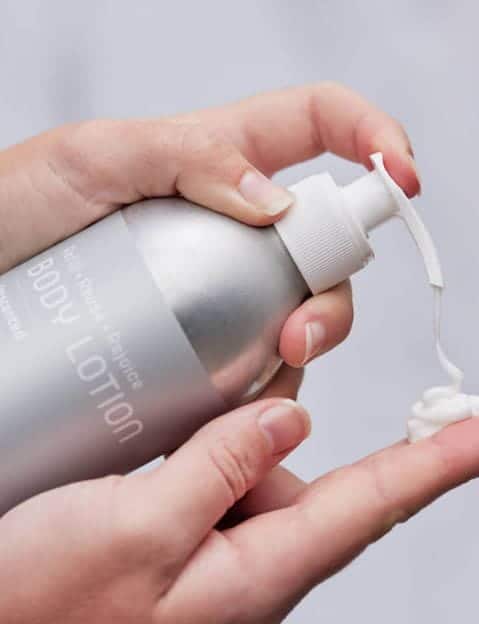
Refillable systems, aluminum packaging, and glass containers have emerged as the gold standard for sustainable lotion brands. Aluminum, in particular, is infinitely recyclable, with nearly 75% of all aluminum ever produced still in use today. By adopting circular economy models, skincare brands are addressing the toxicity of the environment alongside the toxicity of their ingredients.
Industry Leaders: Profiles in Non-Toxic Innovation
The following eight brands represent the current vanguard of the non-toxic skincare industry, balancing high-performance hydration with rigorous safety and sustainability standards.
1. Osea: Marine-Based Purity
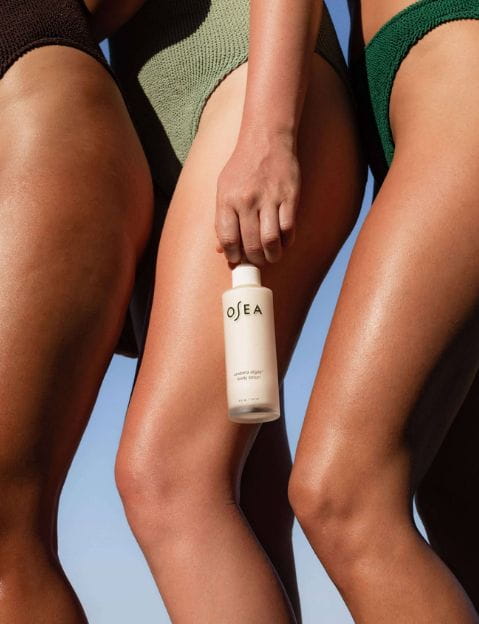
Osea has established itself as a leader in the "blue beauty" space, utilizing bioavailable seaweed as a primary ingredient. Their formulations are vegan, gluten-free, and packaged primarily in glass to reduce plastic dependency. As a Climate Neutral Certified brand, Osea emphasizes the connection between ocean health and skin health.
2. Attitude: The Canadian Standard for Safety
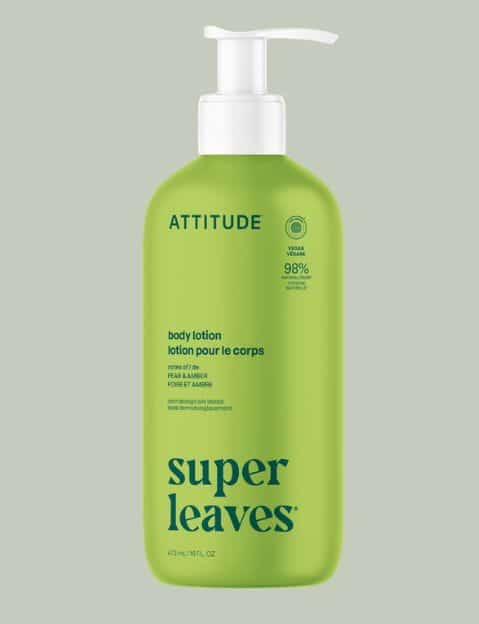
Based in Montreal, Attitude focuses on "worry-free" ingredients. Their products are ECOLOGO certified, meaning they undergo rigorous testing for environmental impact and human health safety. The brand has been a pioneer in plastic-free packaging, offering bulk refills and cardboard "leaves" for various personal care items.
3. Ecoroots: Zero-Waste Logistics
Ecoroots prioritizes the reduction of the carbon footprint associated with shipping and packaging. Their lotions often come in glass jars with metal lids, avoiding plastic pumps which are notoriously difficult to recycle. Their ingredient lists are minimalist, focusing on organic oils and butters.
4. Public Goods: Accessible Minimalism
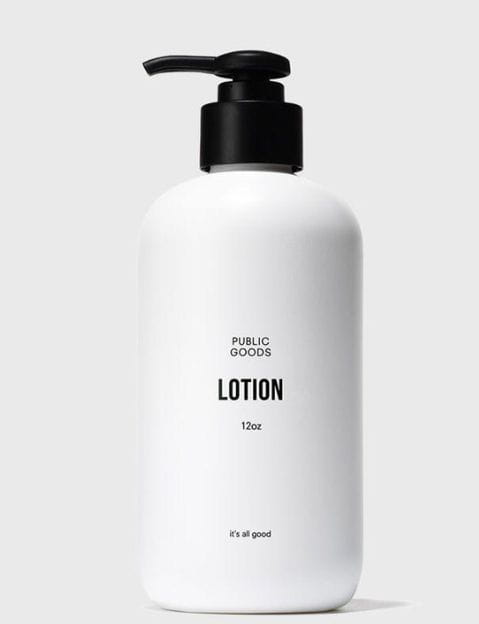
Public Goods operates on a membership model designed to make high-quality, non-toxic products accessible to a broader demographic. Their lotion is characterized by a clean, simple ingredient list and a minimalist aesthetic. They utilize bioplastics derived from sugarcane for some of their bottles, offering a lower-carbon alternative to traditional petroleum-based plastic.
5. Plaine Products: The Circular Economy Model
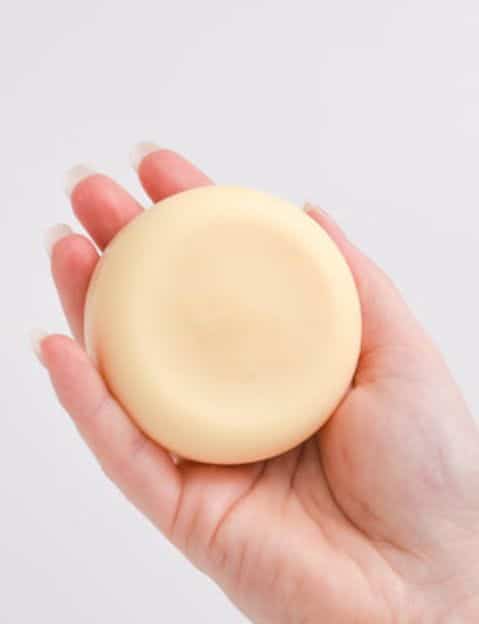
Plaine Products is perhaps best known for its closed-loop system. Customers receive their lotion in aluminum bottles; once empty, the bottles are returned to the company to be cleaned, refilled, and sent back out. This model virtually eliminates packaging waste while maintaining high standards for ingredient safety.
6. The Good Fill: Community Refill Systems
Operating both as a brick-and-mortar refill shop and an online store, The Good Fill encourages consumers to reuse their existing containers. Their unscented face and body lotions are designed for sensitive skin, avoiding all synthetic fragrances and harsh preservatives.
7. Meow Meow Tweet: Ethical Veganism
This brand is recognized for its commitment to ethical sourcing and compostable packaging. Their aloe-based lotions are designed to be lightweight and soothing, catering to consumers who want a "skin-food" approach to moisturizing without the use of animal-derived ingredients or synthetic stabilizers.
8. Upcircle: Upcycled Beauty
Upcircle takes a unique approach to sustainability by incorporating "discarded" natural ingredients, such as residual coffee grounds and fruit stones, into their skincare. This upcycling process reduces food waste while providing the skin with potent antioxidants. Their lotions are housed in glass and metal, adhering to a strict plastic-free ethos.
Broader Impact and Future Implications
The shift toward non-toxic lotions is indicative of a broader cultural movement toward "conscious consumerism." As more individuals recognize the link between personal health and environmental integrity, the pressure on conventional manufacturers to reformulate will likely intensify.
Industry analysts suggest that the next frontier in this space will be "biotech beauty"—the use of lab-grown natural ingredients to ensure purity and sustainability without over-harvesting wild resources. Furthermore, as the FDA begins to implement the new MoCRA regulations, the gap between "clean" and "conventional" may narrow, as the baseline for safety is raised across the entire market.
Ultimately, the choice of a non-toxic lotion is more than a cosmetic preference; it is a vote for a more transparent supply chain and a healthier ecosystem. By scrutinizing labels and supporting brands that prioritize third-party verification and sustainable packaging, consumers are driving a fundamental change in how the world approaches personal care. The integration of dermatological health and environmental stewardship is no longer a niche market—it is the future of the industry.


