Creating visually stunning desserts often involves intricate techniques and specialized ingredients. Among these, edible sugar glass stands out as a versatile element capable of transforming ordinary baked goods into extraordinary works of art. This clear, hard candy, often resembling shattered glass or delicate windows, offers bakers a unique medium to express creativity, from crafting realistic gingerbread house facades to adding dramatic flair to Halloween treats. The process, while appearing complex, is achievable with precise execution and an understanding of candy-making principles. This guide delves into the creation of edible sugar glass, exploring its applications, the science behind its formation, and essential tips for achieving flawless results.
The Allure of Edible Sugar Glass in Culinary Design
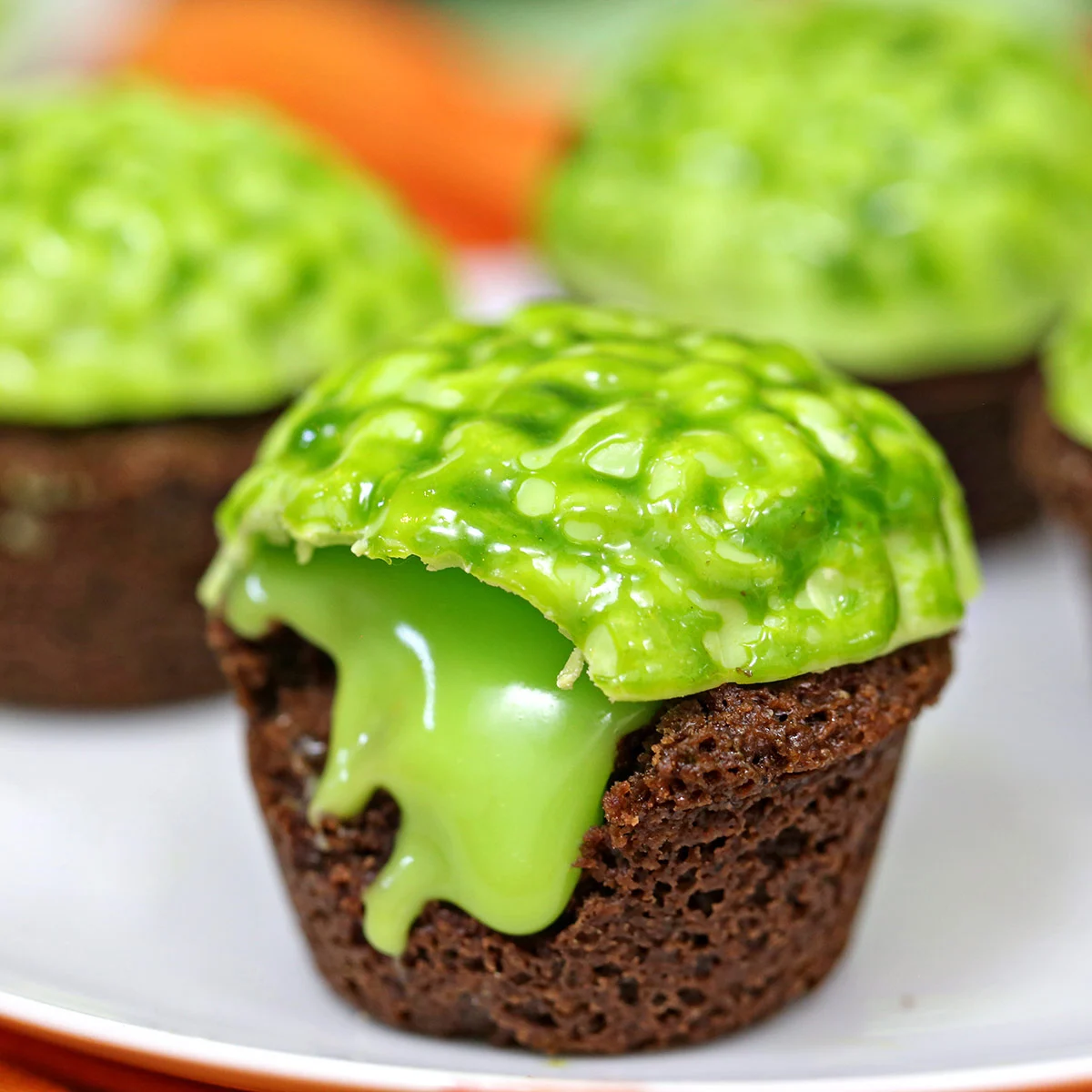
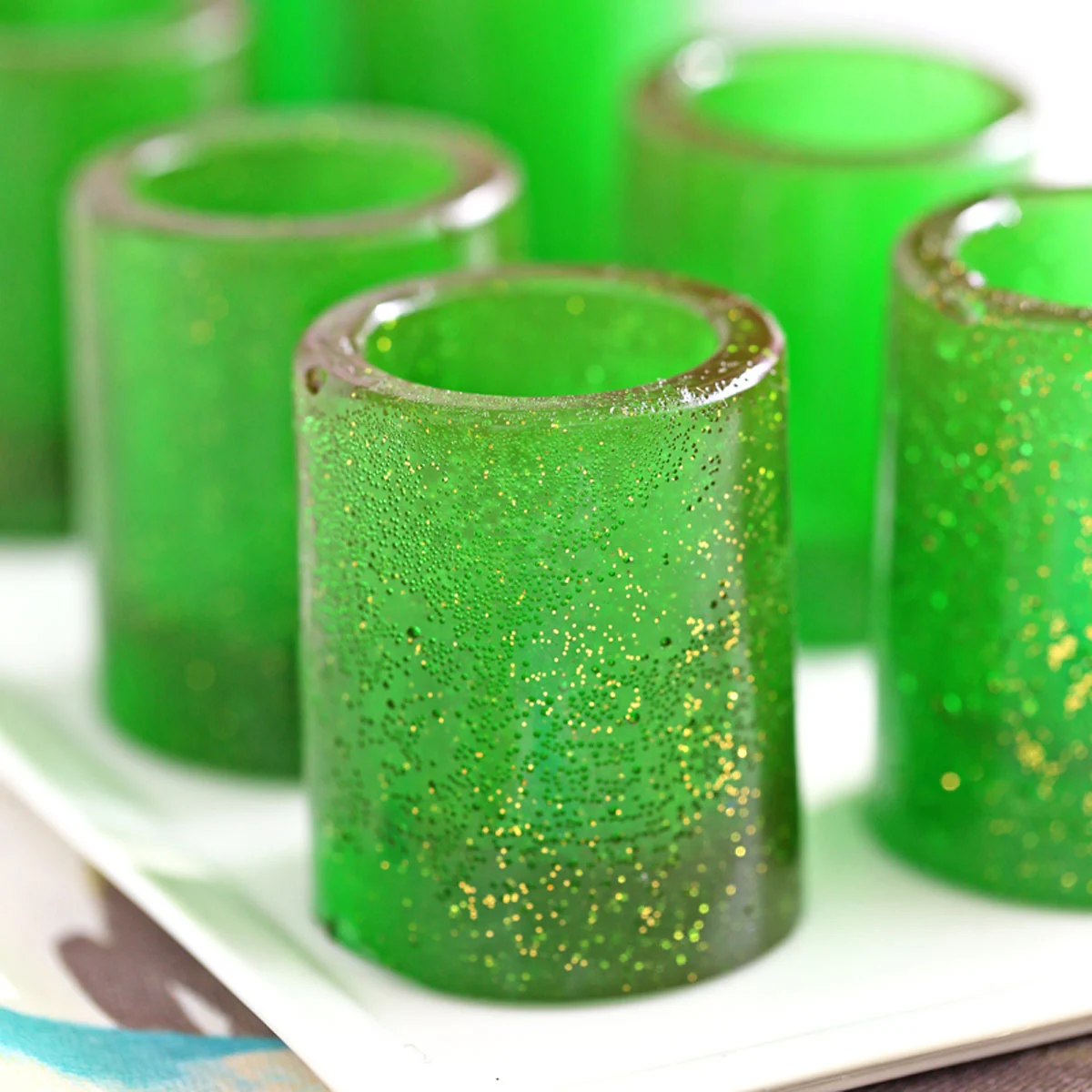
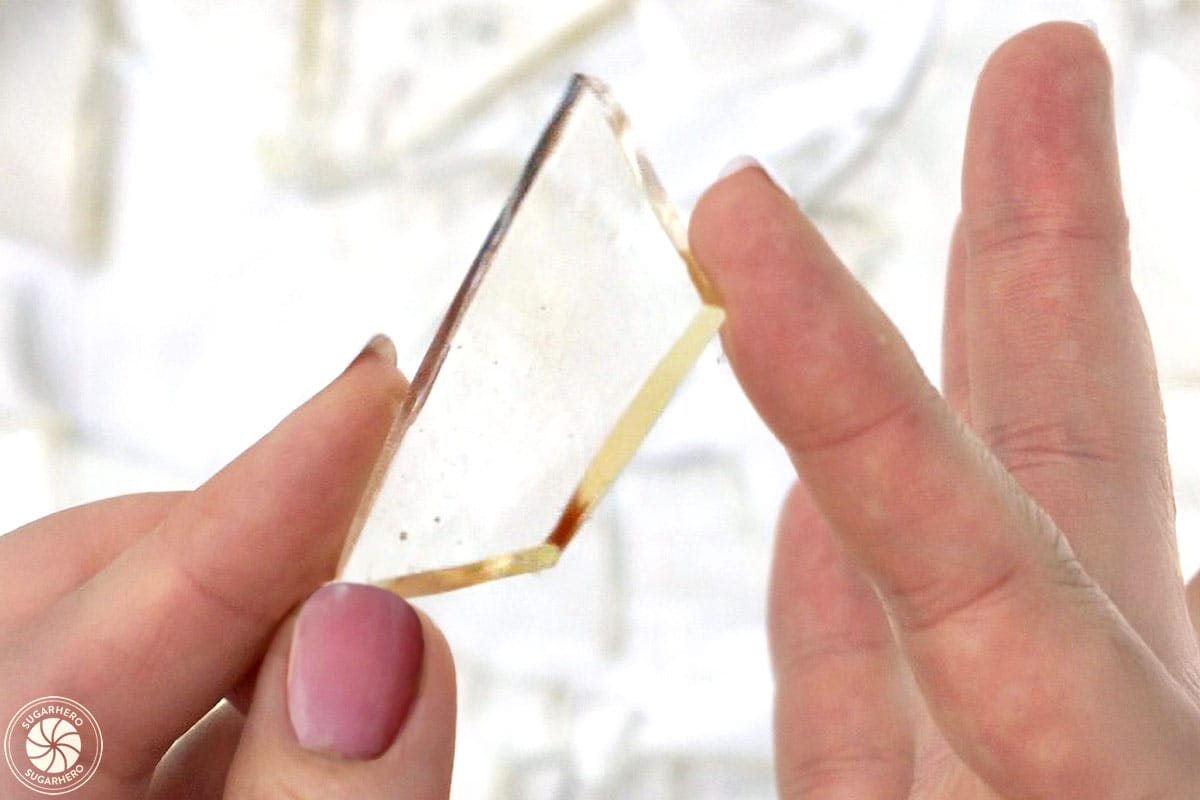
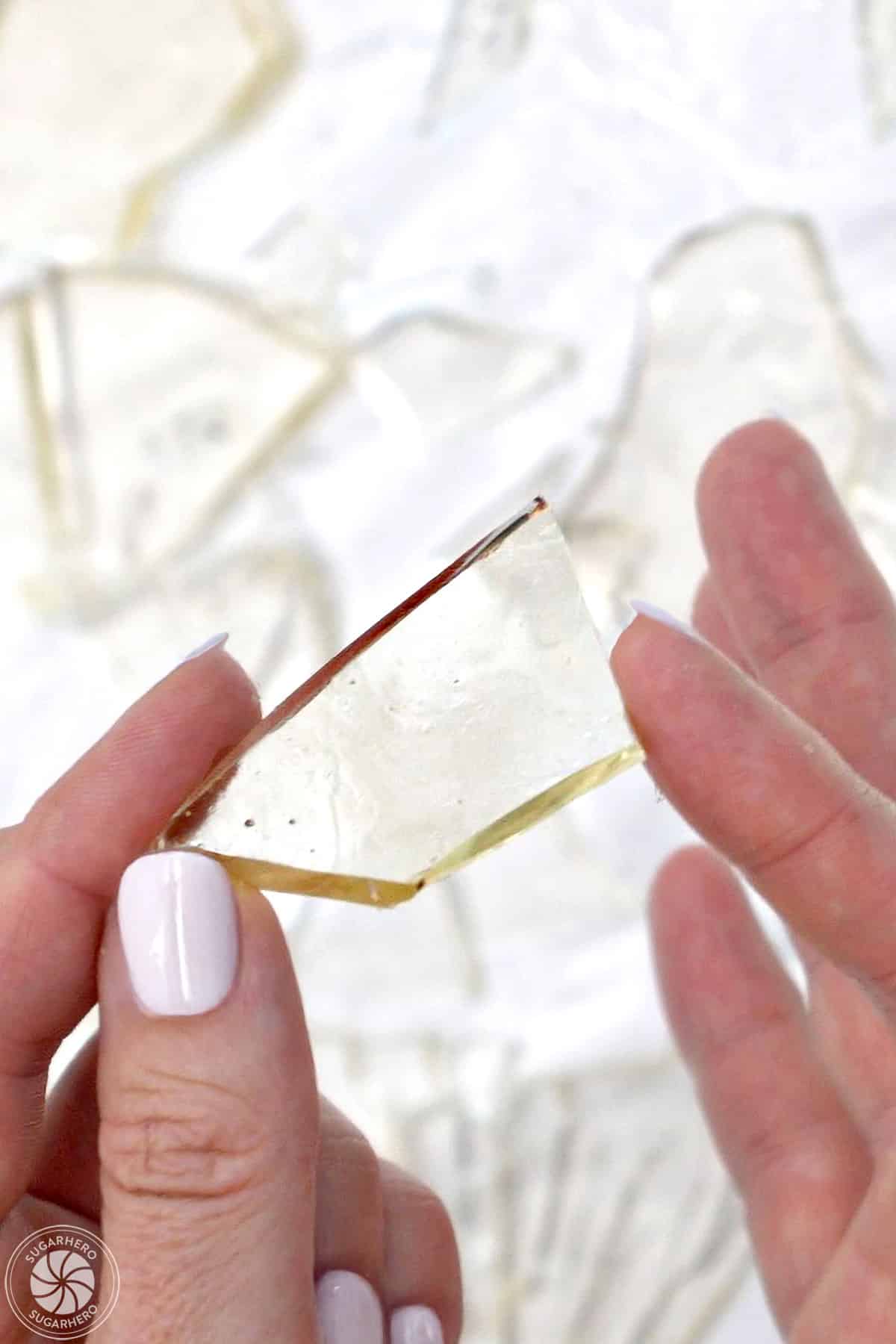
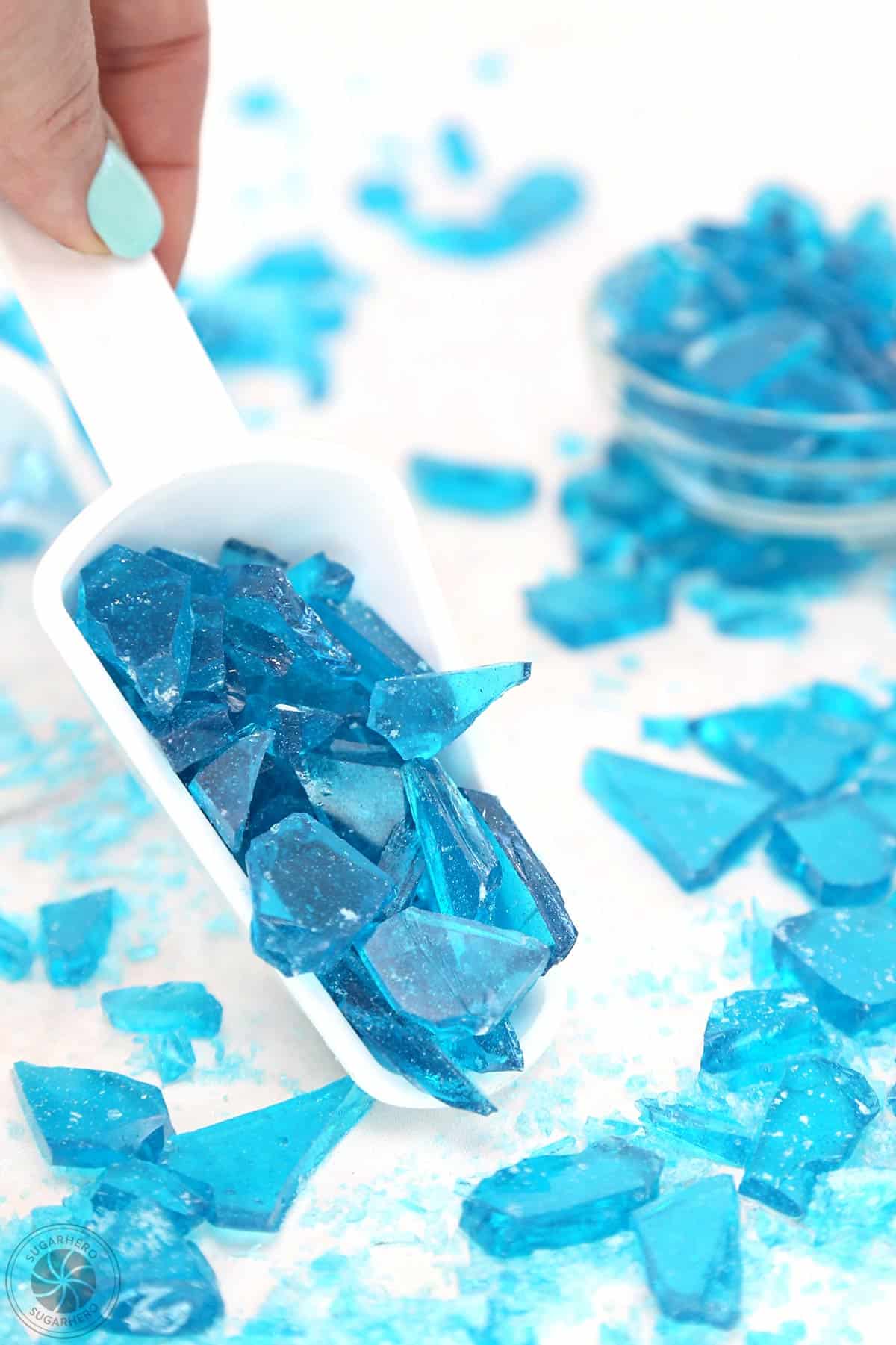
Edible sugar glass has captivated bakers and confectioners for its ability to mimic the appearance of real glass, offering a transparent and brittle quality that is both visually striking and entirely safe for consumption. Its appeal lies in its adaptability. Whether used as delicate panes for gingerbread houses, sharp shards for dramatic Halloween-themed cupcakes, or even as a base for vibrant rock candy, its potential applications are vast. The ability to infuse it with various colors and flavors further enhances its versatility, allowing for an endless spectrum of aesthetic and taste combinations. Beyond its visual impact, the texture of sugar glass provides a satisfying crunch, adding another dimension to dessert compositions. Its capacity to be molded, broken, or poured directly into structural elements makes it a favored ingredient for adding an architectural or dramatic touch to any sweet creation.
Deconstructing the Sugar Glass Recipe: Ingredients and Equipment
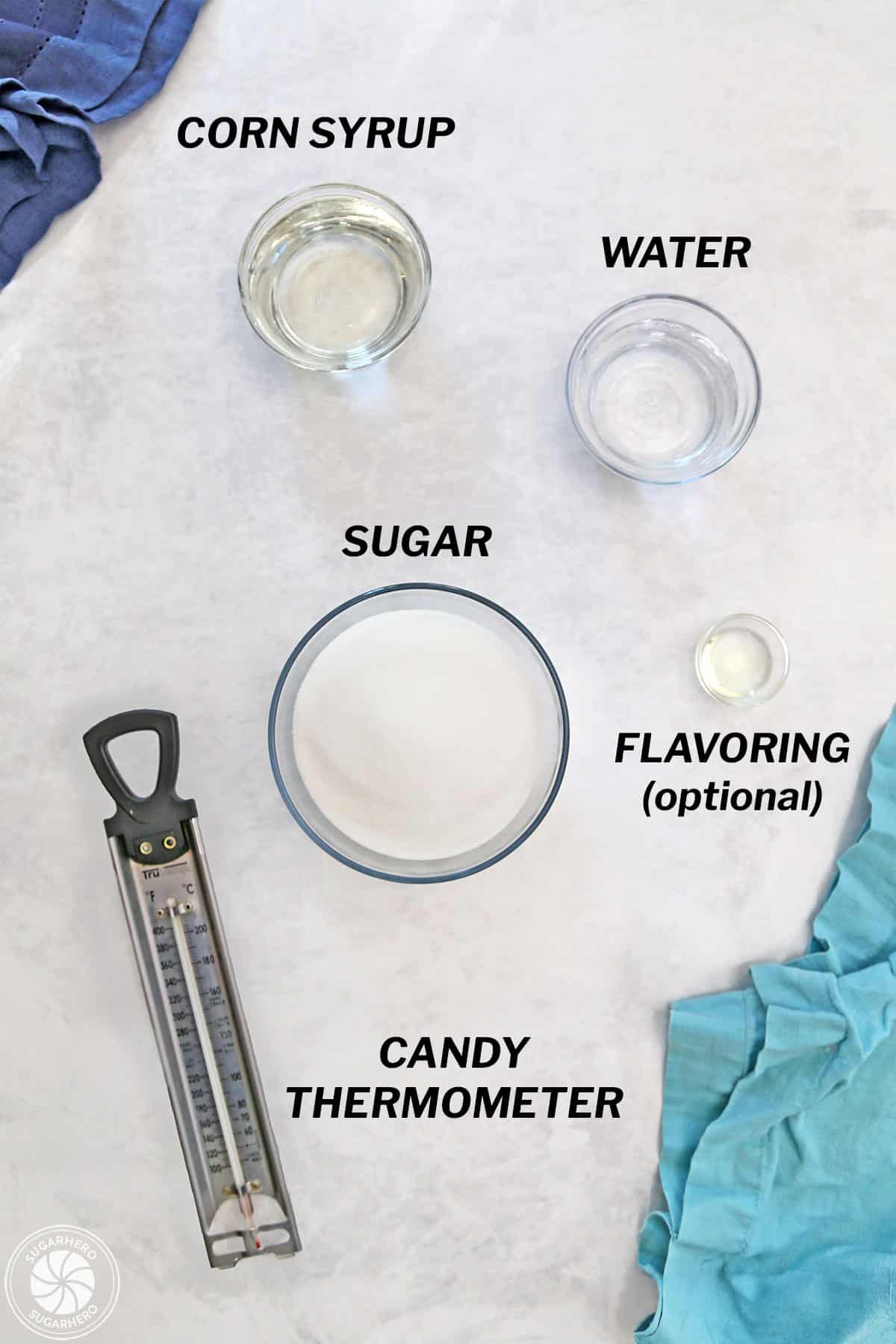
The creation of flawless edible sugar glass hinges on a precise combination of basic ingredients and the right tools. The fundamental components are typically sugar, corn syrup, and water. Sugar, primarily sucrose, forms the crystalline structure of the candy. Corn syrup, a liquid sweetener made from corn starch, plays a crucial role in preventing excessive crystallization, ensuring a smooth, glass-like texture rather than a grainy one. Water acts as the solvent, dissolving the sugar and facilitating the cooking process. The ratio of these ingredients is critical to achieving the desired consistency and clarity.
Beyond the core ingredients, optional flavorings and food colorings can be incorporated to customize the sugar glass. Extracts like vanilla, peppermint, or fruit essences can impart subtle or bold flavors, while various food dyes can produce a spectrum of translucent hues.
Essential equipment for making sugar glass includes:
- A heavy-bottomed saucepan: This ensures even heat distribution, preventing scorching and promoting consistent cooking.
- A candy thermometer: This is perhaps the most critical tool, as sugar glass requires precise temperature control. Achieving the "hard crack" stage (typically between 300°F and 310°F or 149°C and 154°C) is essential for the candy to harden correctly.
- A heat-resistant spatula or wooden spoon: For initial stirring of ingredients. Once the mixture reaches a boil, stirring should be minimized or eliminated to prevent crystallization.
- A baking sheet lined with parchment paper or a silicone baking mat: This provides a non-stick surface for pouring and cooling the sugar syrup. For a smoother finish, a lightly greased and floured surface can also be used.
- Pastry brush and water: To wash down sugar crystals that may form on the sides of the saucepan, which can lead to crystallization.
- Heat-resistant gloves: Crucial for handling hot sugar syrup and baking sheets.
The Science of Sugar Glass: Temperature, Crystallization, and Humidity
The transformation of simple ingredients into brittle sugar glass is a fascinating interplay of chemistry and physics. The process involves heating a sugar-water solution to a specific temperature, known as the "hard crack" stage. At this point, the water has largely evaporated, leaving behind a supersaturated solution of sugar. As this solution cools, it solidifies into an amorphous, glassy state rather than forming distinct sugar crystals.
Several factors can influence the success of this process:
- Temperature: The most critical factor. Insufficient heating will result in a sticky, syrupy consistency, while overheating can lead to scorching and a bitter taste. A reliable candy thermometer is indispensable for hitting the precise temperature range.
- Crystallization: The enemy of clear sugar glass. Sugar molecules naturally want to arrange themselves into orderly crystals. If sugar crystals form during the cooking process and remain in the syrup, they act as seeds for further crystallization, resulting in an opaque, grainy, or crumbly texture. This can be exacerbated by:
- Stirring: Excessive stirring once the syrup boils can dislodge sugar crystals from the sides of the pan and introduce them into the mixture.
- Impure Sugar or Water: Any impurities can act as nucleation sites for crystal formation.
- Sugar Crystals on Equipment: Even a tiny sugar crystal on a spatula or the side of the pan can initiate crystallization.
- Acidic Ingredients: While not typically used in basic sugar glass, acidic ingredients can sometimes interfere with sugar crystallization, though they are more relevant in other candy-making processes.
- Humidity: Sugar is hygroscopic, meaning it readily absorbs moisture from the air. High humidity can cause hard candy to become sticky and lose its brittle quality. Therefore, it is advisable to make sugar glass on dry days, avoiding humid or rainy weather. Proper storage in an airtight container is also crucial to protect the finished product from atmospheric moisture.
Step-by-Step Creation of Edible Sugar Glass
The process of making edible sugar glass, while requiring attention to detail, is manageable for novice candy makers. A typical recipe involves combining granulated sugar, corn syrup, and water in a heavy-bottomed saucepan. The mixture is then heated over medium heat, stirring until the sugar is completely dissolved. Once the syrup begins to boil, the stirring should cease.
A crucial step is to prevent crystallization. A wet pastry brush can be used to gently wash down any sugar crystals that form on the sides of the pan above the syrup line. As the temperature rises, the syrup will begin to change color, eventually reaching the desired hard crack stage. The exact temperature can vary slightly based on altitude and ambient humidity, but it generally falls between 300°F (149°C) and 310°F (154°C). Using a candy thermometer is essential to accurately gauge this.
Once the target temperature is reached, the saucepan should be immediately removed from the heat. If desired, flavorings and food colorings can be carefully stirred in at this stage. It is important to work quickly but cautiously, as the hot sugar syrup is extremely dangerous.
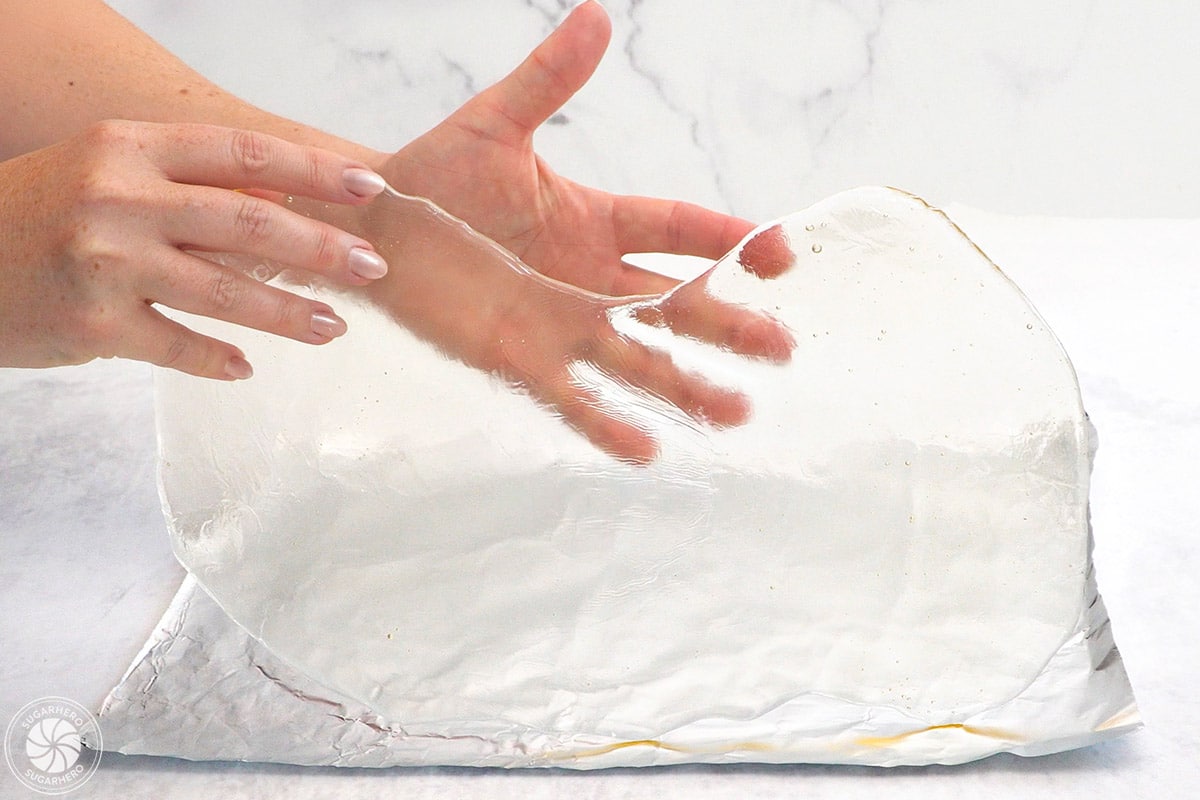
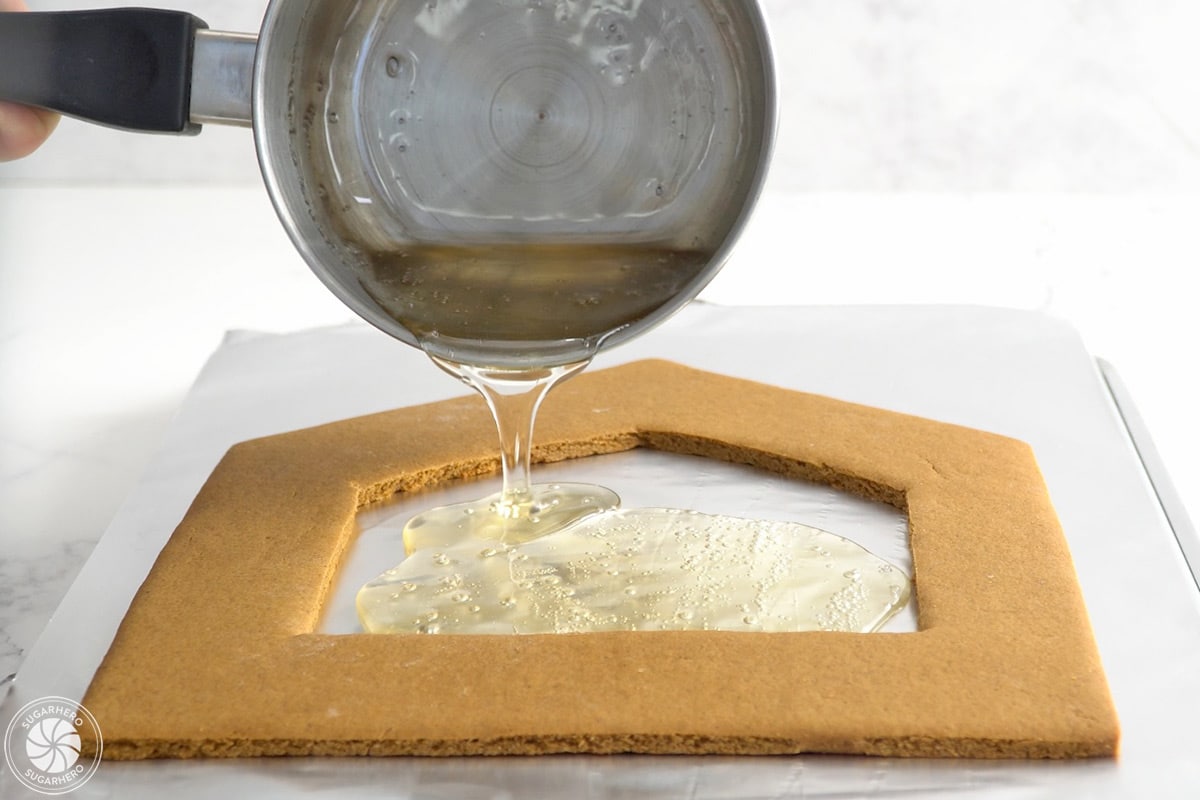
The molten sugar is then poured onto the prepared baking sheet, spreading thinly to create a glass-like sheet. The thickness of the pour will determine the brittleness and ease of breaking the glass. For thinner, more delicate shards, pour a thinner layer. For thicker panes, a slightly deeper pour can be made.
Allow the sugar glass to cool completely and harden. This can take anywhere from 30 minutes to a couple of hours, depending on the thickness and ambient temperature. Once fully hardened, it can be carefully broken into desired shapes by hand or by using a mallet. For intricate designs or specific shapes, molds can be used while the sugar is still warm and pliable, though this requires extreme caution due to the high temperatures involved.
Addressing Common Challenges: FAQs for Sugar Glass Success
Encountering challenges during candy making is not uncommon. Understanding potential pitfalls and their solutions can significantly improve the outcome.
Why is my candy sticky?
Stickiness is almost always a result of humidity. Sugar absorbs moisture from the air, causing it to become tacky and lose its crispness. To combat this, ensure you are making the candy on a dry day and store the finished product in an airtight container, potentially with silica gel packets to absorb excess moisture. Avoid refrigerating or freezing, as condensation can worsen the stickiness.
Why is my candy not hardening?
If the candy remains soft or syrupy, it has not been cooked to a high enough temperature. This indicates that not enough water has evaporated, and the sugar concentration is too low to achieve the hard crack stage. Double-checking the candy thermometer’s accuracy and ensuring correct ingredient measurements are also vital.
Why is my glass candy opaque or crumbly?
This indicates that crystallization has occurred. As mentioned earlier, this can be caused by stirring the syrup after it boils, allowing sugar crystals to form on the sides of the pan and fall into the mixture, or by introducing stray sugar crystals from equipment. The corn syrup in the recipe is designed to inhibit crystallization, so using it as directed is crucial. If you substitute ingredients, crystallization becomes a more likely issue.
Storage Information:
Proper storage is key to preserving the texture and appearance of edible sugar glass. It should be stored at room temperature in an airtight container for up to seven days. In very humid climates, its shelf life may be shorter, and it might become sticky even with proper storage.
The Broader Impact of Culinary Innovation
The creation and application of techniques like edible sugar glass highlight the evolving landscape of culinary arts. As bakers and chefs push the boundaries of creativity, ingredients and methods once considered niche are becoming more accessible to home cooks. This democratization of advanced techniques allows for greater artistic expression in food, transforming everyday celebrations into memorable culinary experiences. The pursuit of visually appealing and texturally interesting desserts not only satisfies the palate but also engages other senses, elevating the overall dining experience. Furthermore, the availability of detailed guides and high-quality ingredients empowers individuals to experiment and innovate in their own kitchens, fostering a vibrant community of passionate food enthusiasts. The art of sugar glass is a testament to the blend of scientific understanding and artistic vision that defines modern confectionery.