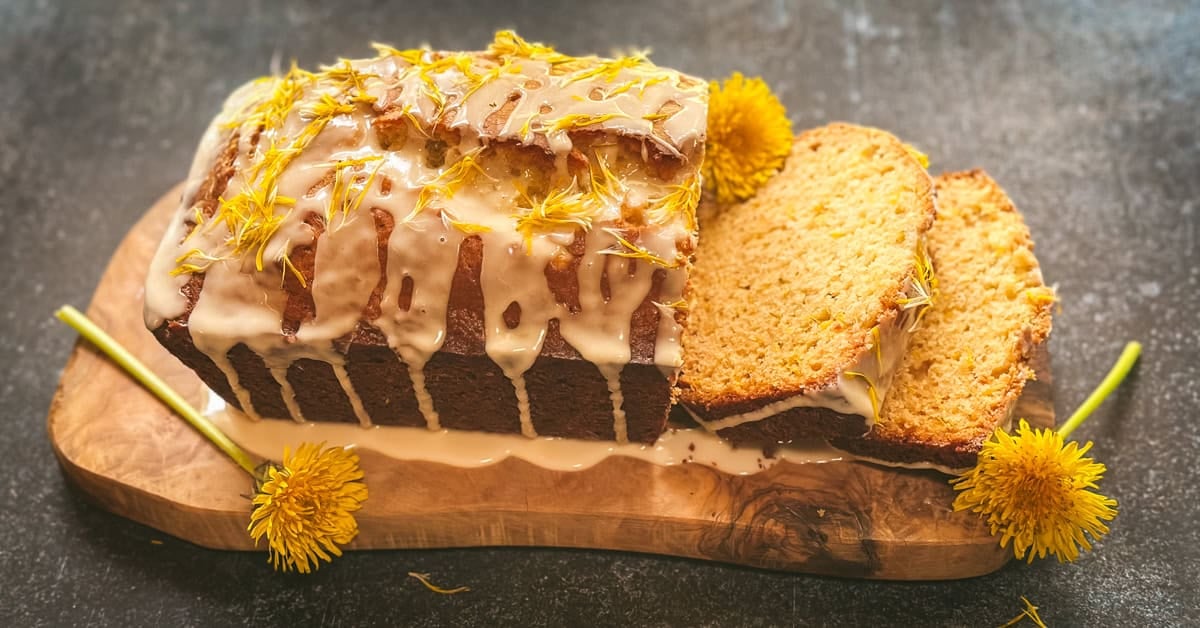
As the spring equinox transitions into the warmer months of the second quarter, the emergence of the common dandelion, or Taraxacum officinale, serves as more than a mere biological marker of the changing seasons. Once classified primarily as a persistent agricultural nuisance, the dandelion is currently undergoing a significant cultural and culinary revaluation. This shift is driven by a growing interest in hyper-local foraging, sustainable food systems, and the pharmacological potential of indigenous flora. Recent culinary trends indicate a move toward "foraged comfort foods," with dandelion-infused baked goods—specifically dandelion petal bread with citrus glazes—becoming a focal point for artisanal bakers and home enthusiasts alike.
The Botanical Evolution and Economic Context
Historically, the dandelion was brought to North America by European settlers who recognized its value as both a food source and a medicinal herb. However, the 20th-century obsession with the "perfect lawn" led to the plant’s designation as a noxious weed, resulting in the widespread application of synthetic herbicides. In the current decade, the narrative is reversing. Market analysts observe that the "slow food" movement has catalyzed a renewed interest in wild edibles. This resurgence is not merely aesthetic; it is rooted in the plant’s resilience and its ability to thrive in diverse climates without the need for irrigation or chemical intervention.
From a culinary perspective, the dandelion offers a complex flavor profile that varies significantly across its anatomy. While the roots are often roasted as a caffeine-free coffee substitute and the leaves are utilized in bitter salads or pestos, the yellow petals provide a delicate, honey-like sweetness. This specific attribute makes the petals an ideal candidate for inclusion in quick breads and pastries, providing a floral undertone that complements citrus and honey.
Chronology of the Foraging and Preparation Process
The lifecycle of a dandelion-based culinary project follows a strict chronological order to ensure both safety and optimal flavor extraction.
Phase I: Site Selection and Identification (Early Spring)
The process begins with the identification of a viable harvest site. Journalistic investigations into urban foraging emphasize the necessity of "clean" sites. Because dandelions are frequently targeted by lawn maintenance crews, foragers must verify that the area has not been treated with glyphosate or other chemical pesticides. The ideal window for harvesting occurs in mid-to-late spring when the blossoms are at their peak vibrancy.
Phase II: The Harvest and Extraction (0-2 Hours Post-Pick)
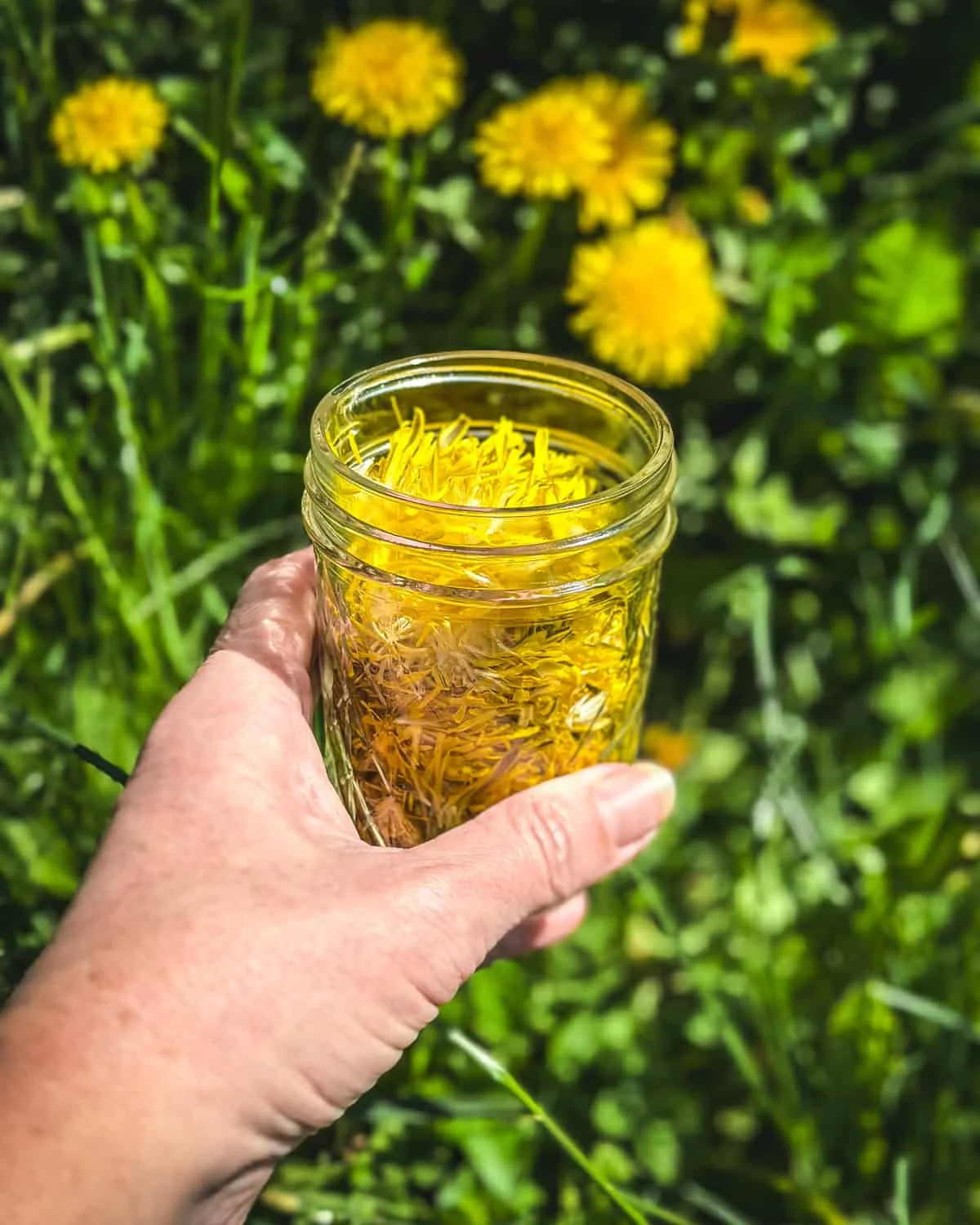
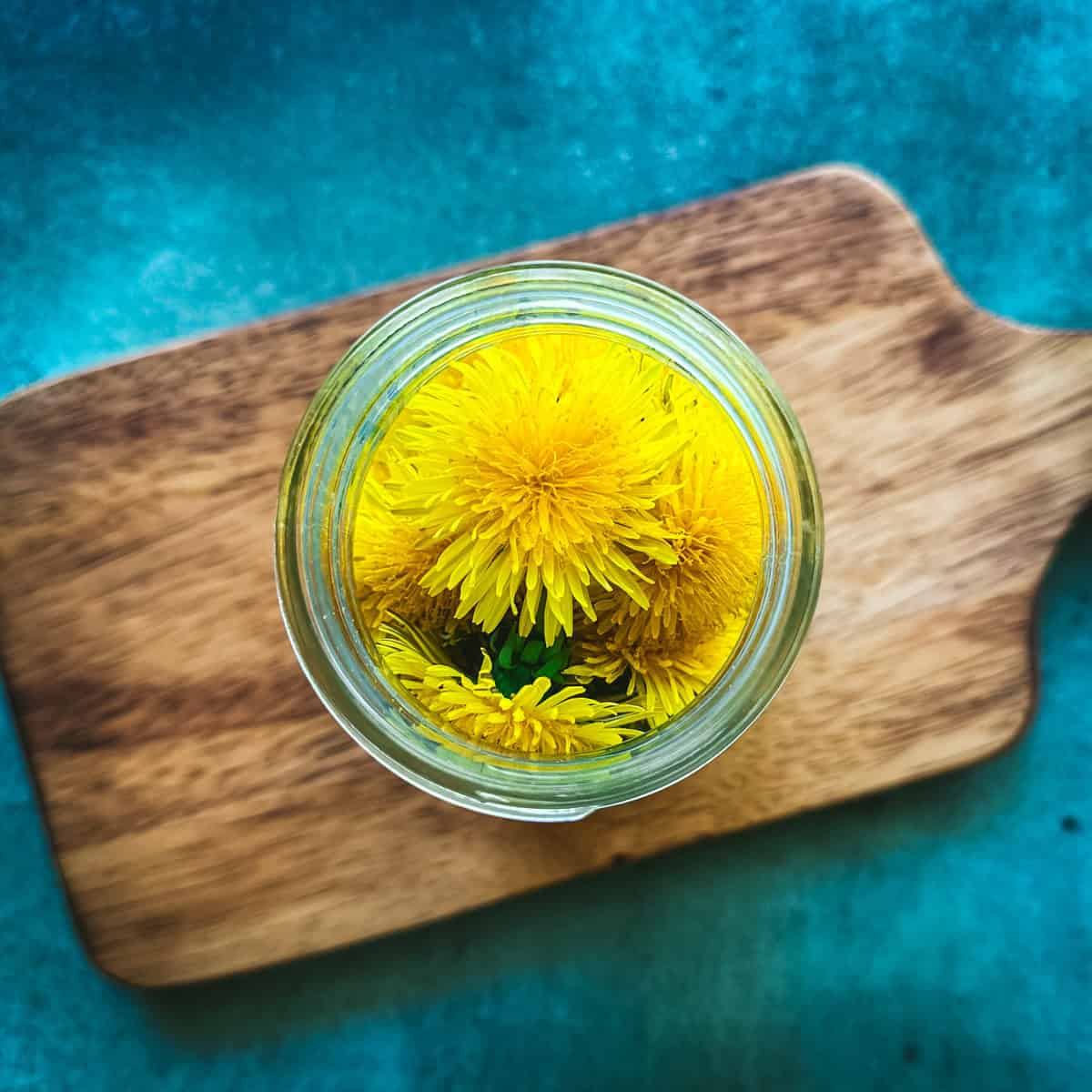
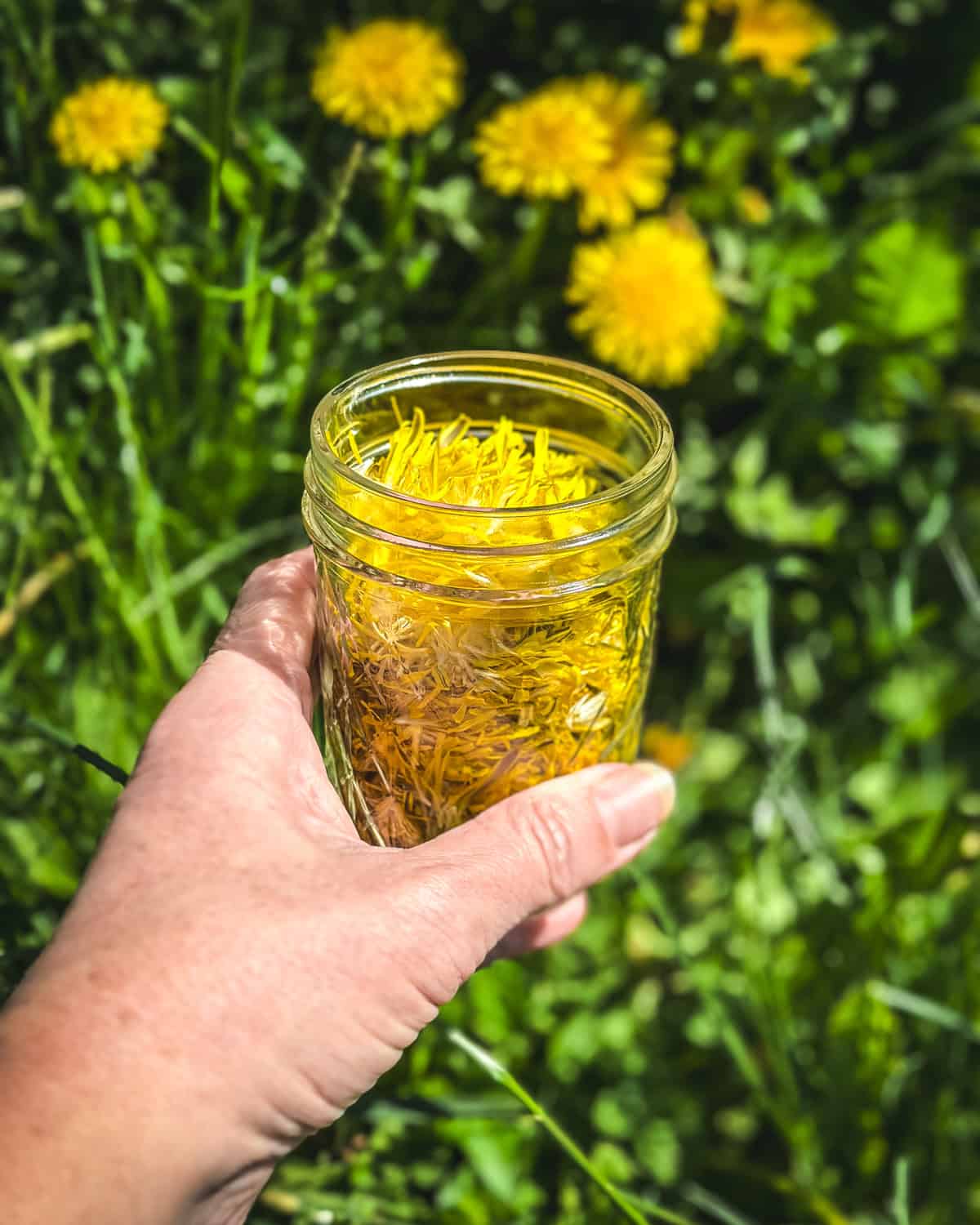
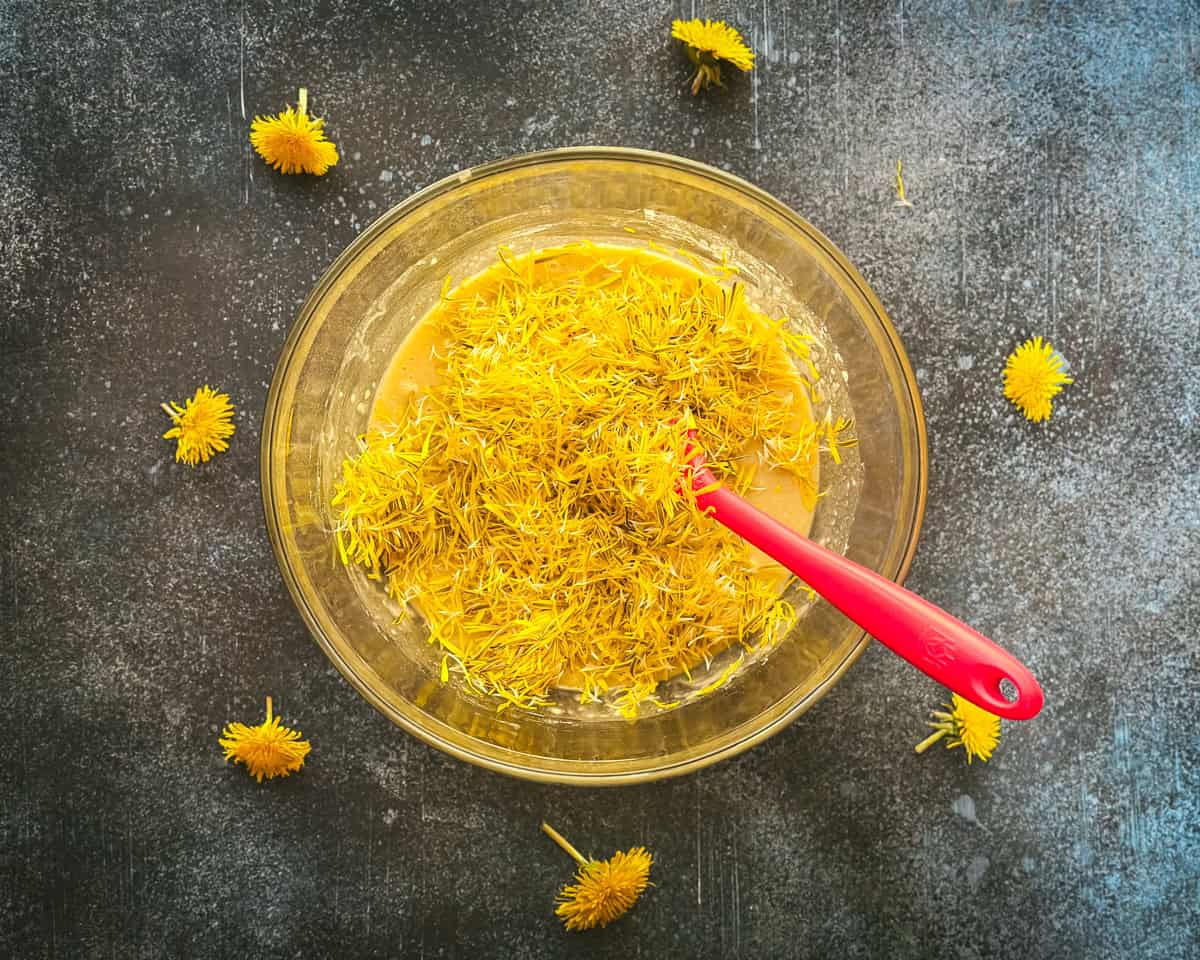
Once collected, the flowers must be processed quickly to prevent wilting. The primary challenge in preparing dandelion bread lies in the separation of the yellow ray florets from the green involucral bracts (the base of the flower). Professional chefs note that the green portions contain a high concentration of latex and tannins, which impart an aggressive bitterness. For a successful sweet bread, only the yellow petals are retained.
Phase III: Integration and Baking (The 135-Minute Workflow)
The transition from field to oven involves a precise 2-hour and 15-minute timeline. This includes:
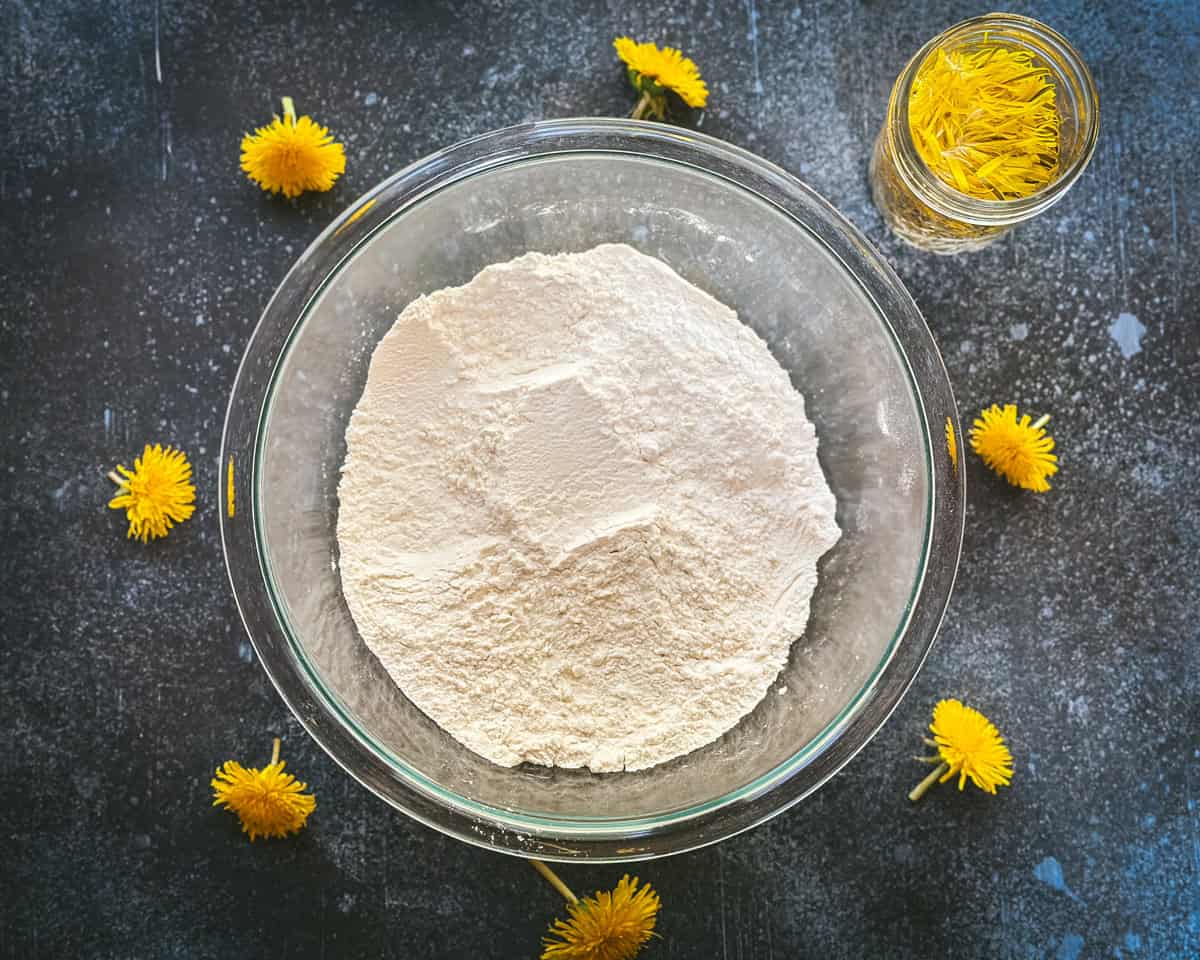
- Preparation (15 Minutes): Sifting dry ingredients such as all-purpose flour, baking powder, and salt.
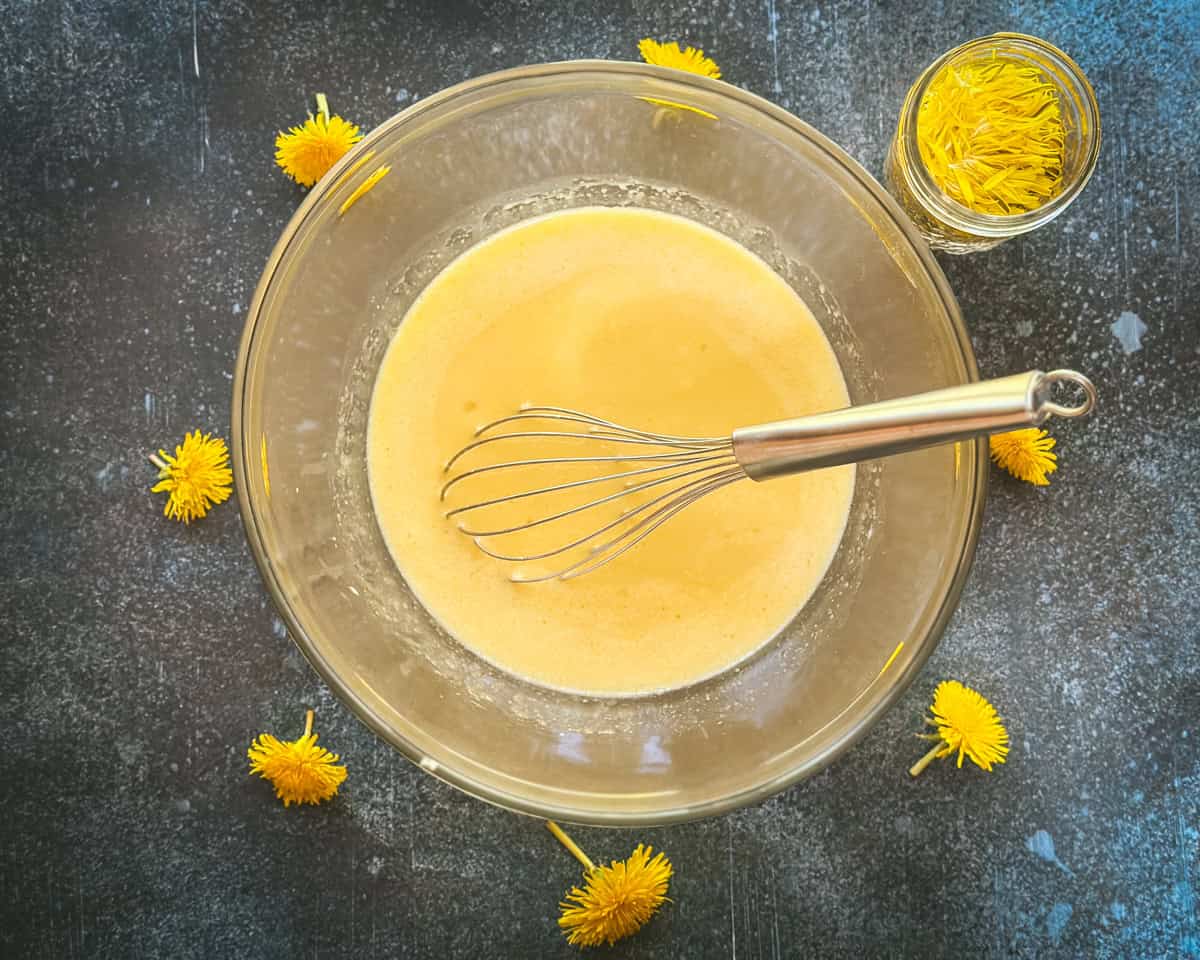
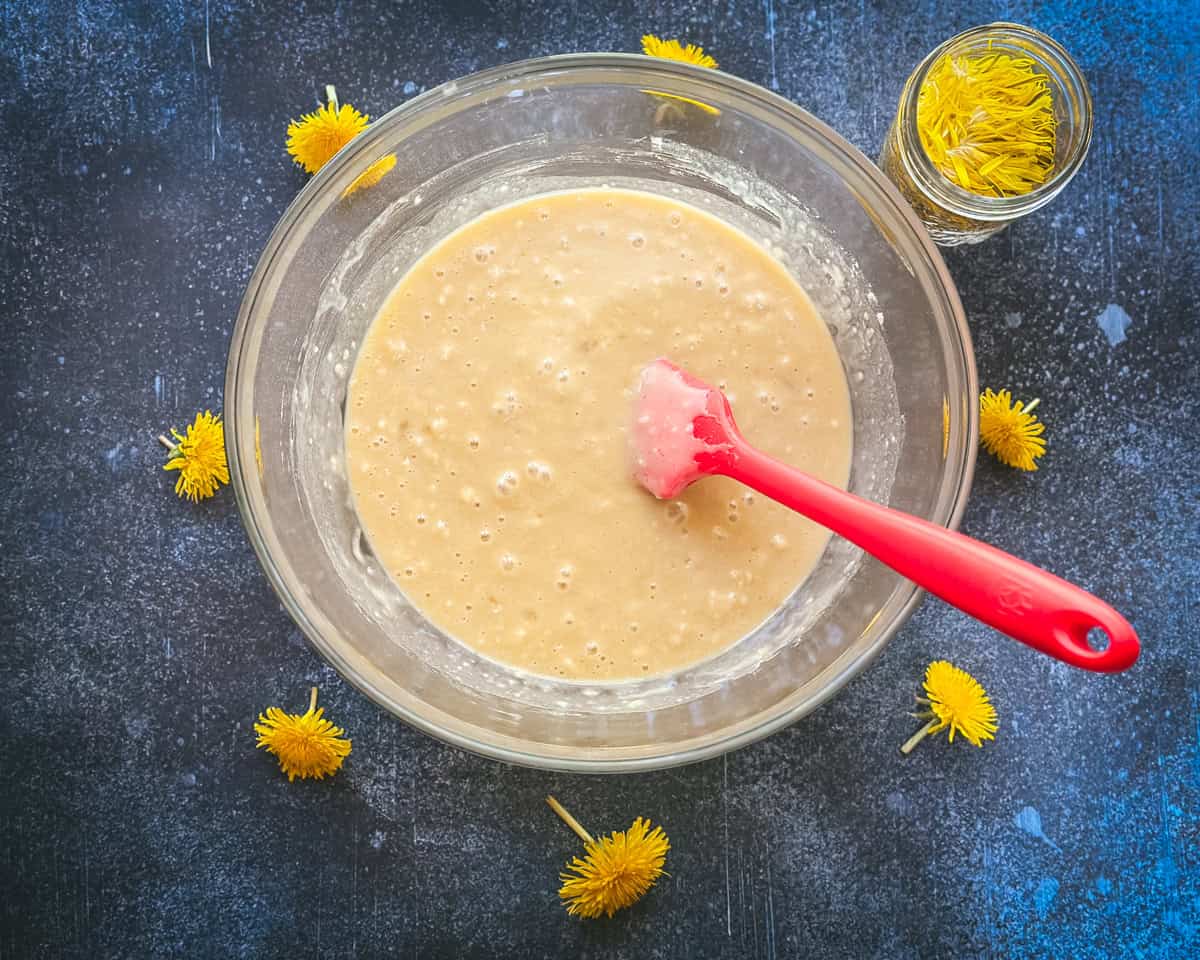
- Emulsification: Combining wet ingredients, including vegetable oils (organic canola or avocado), raw honey, granulated sugar, eggs, and milk.
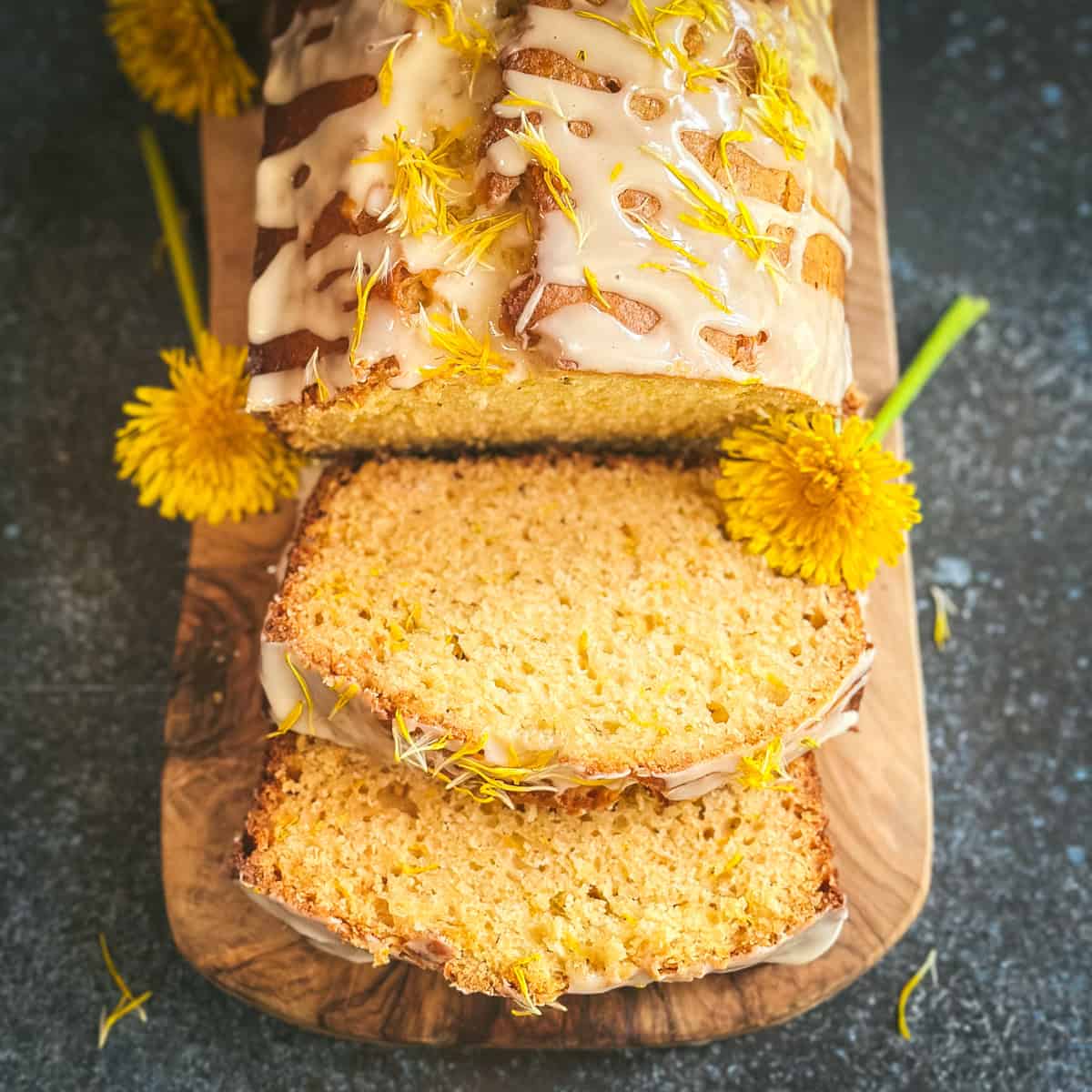
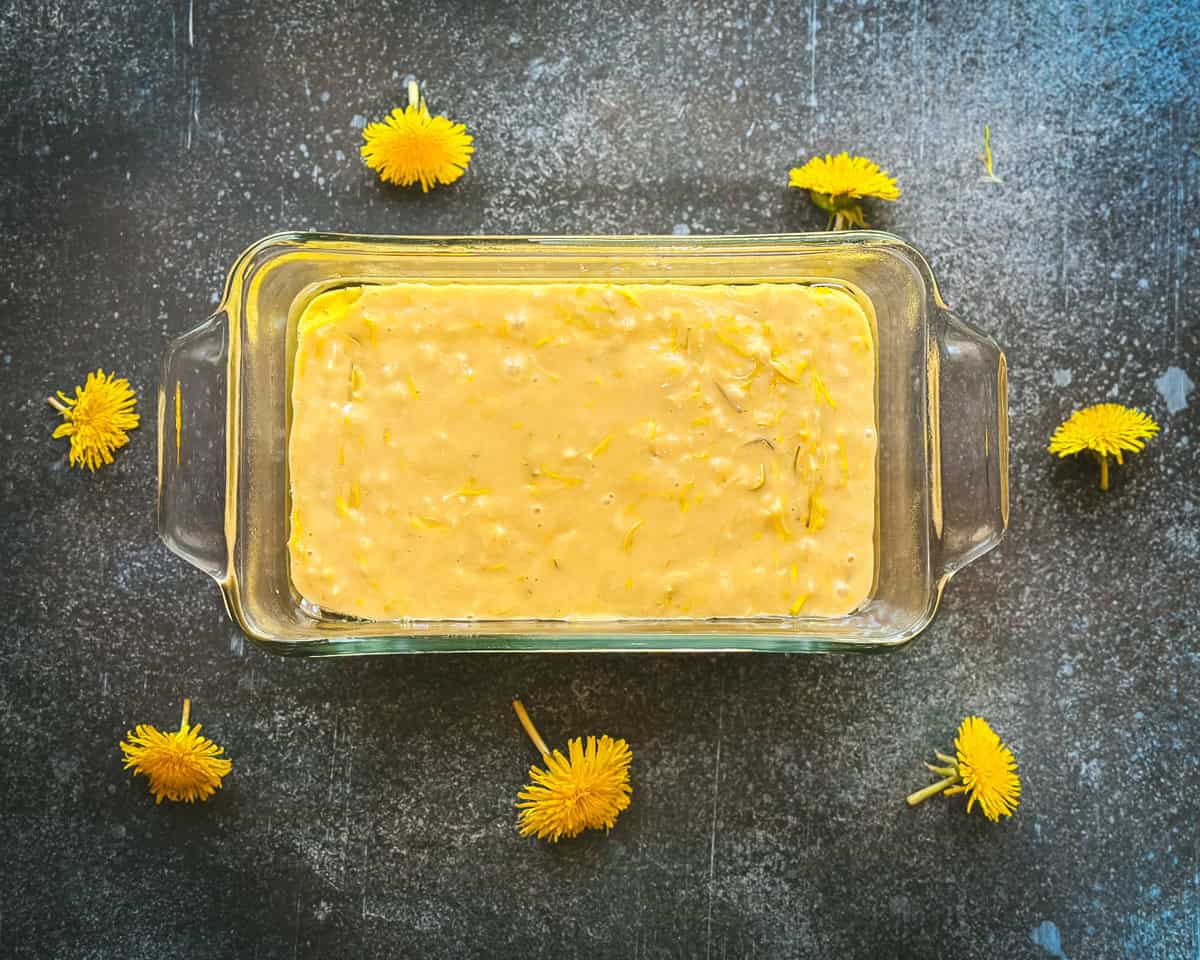
- Folding: Incorporating the foraged petals into the batter to ensure even distribution without overworking the gluten.
- Baking (55–65 Minutes): The bread is baked at 350°F (175°C). Technical monitoring is required; if the crust browns too rapidly due to the honey content, foil must be applied.
- Stabilization (60 Minutes): A mandatory cooling period is essential to allow the crumb structure to set before the application of a lemon-honey glaze.
Nutritional Profile and Pharmacological Supporting Data
The push to include dandelions in the modern diet is supported by a growing body of peer-reviewed research. According to data published in various nutritional journals and indexed by the National Institutes of Health (NIH), Taraxacum officinale is a powerhouse of micronutrients.
Antioxidant Capacity
Studies have demonstrated that dandelion preparations exhibit significant antioxidant potential. Interestingly, comparative analyses suggest that the petals often possess higher antioxidant activity than the leaves. These antioxidants, including polyphenols and flavonoids, are known to combat oxidative stress in human cells.
Hemostatic and Metabolic Modulation
Preliminary research suggests that the active components of dandelions may modulate hemostatic processes, which are critical for blood clotting and circulatory health. Furthermore, the plant has traditionally been used as a diuretic and a digestive aid. While the Cleveland Clinic and other medical institutions note that further clinical trials are required to establish conclusive dosing, the traditional use of dandelions as a "family herb" remains a cornerstone of ethnobotanical practices.
Vitamin and Mineral Density
Per 100 grams, dandelion greens (often consumed alongside the bread) provide:
- Vitamin K: Over 500% of the Daily Value (DV), essential for bone health.
- Vitamin A: Over 100% of the DV in the form of beta-carotene.
- Vitamin C: Approximately 58% of the DV.
- Minerals: Significant traces of iron, calcium, and magnesium.
Community Responses and Expert Perspectives
The shift toward foraged ingredients has elicited reactions from various sectors of the culinary and environmental communities.
The Herbalist Community
Traditional herbalists have lauded the mainstreaming of dandelion recipes. A spokesperson for the Herbal Academy noted that "incorporating wild plants into daily staples like bread lowers the barrier to entry for herbalism." They argue that by viewing the dandelion as a "family herb" rather than a weed, society fosters a deeper connection to local biodiversity.
The Sustainability Sector
Environmental advocates point to the dandelion as a model for "zero-waste" eating. Since every part of the plant—from the root to the flower—is edible, it serves as a primary example of how foraging can reduce reliance on industrialized monocultures. The ability to preserve slices of dandelion bread in a freezer for up to three months also aligns with modern food-waste reduction goals.
The Culinary Critique
Professional pastry chefs emphasize the "comfort food" aspect of the dandelion. The juxtaposition of the sweet, honey-flavored bread with a sharp, acidic lemon glaze creates a balanced sensory experience. "It is a taste of the season," says one culinary analyst. "It captures the fleeting essence of spring in a shelf-stable format."
Broader Impact and Global Implications
The rise of dandelion-based gastronomy reflects a broader societal trend toward "biological literacy." As consumers become more aware of the edible landscapes surrounding them, the implications for food security and urban planning are profound.
Food Security
In regions facing food instability, the recognition of wild, nutrient-dense plants can provide a supplemental source of vitamins. The dandelion’s ability to grow in "marginal" soils—cracks in sidewalks, neglected lots, and roadsides—makes it one of the most accessible food sources on the planet, provided the soil is free of contaminants.
Ecological Conservation
By valuing the dandelion, homeowners may be less inclined to use chemical herbicides, which in turn protects essential pollinators. Dandelions are among the first food sources for bees emerging from winter dormancy. A "foraging-first" mindset encourages the preservation of natural habitats, even within suburban environments.
The Future of Foraged Goods
The success of dandelion bread paves the way for other edible flowers, such as wild violet, lilac, elderflower, and Queen Anne’s lace. As the ebook industry for wild recipes expands, we are likely to see a permanent integration of these ingredients into the "New American" cuisine—a style defined by its reliance on indigenous, seasonal, and foraged components.
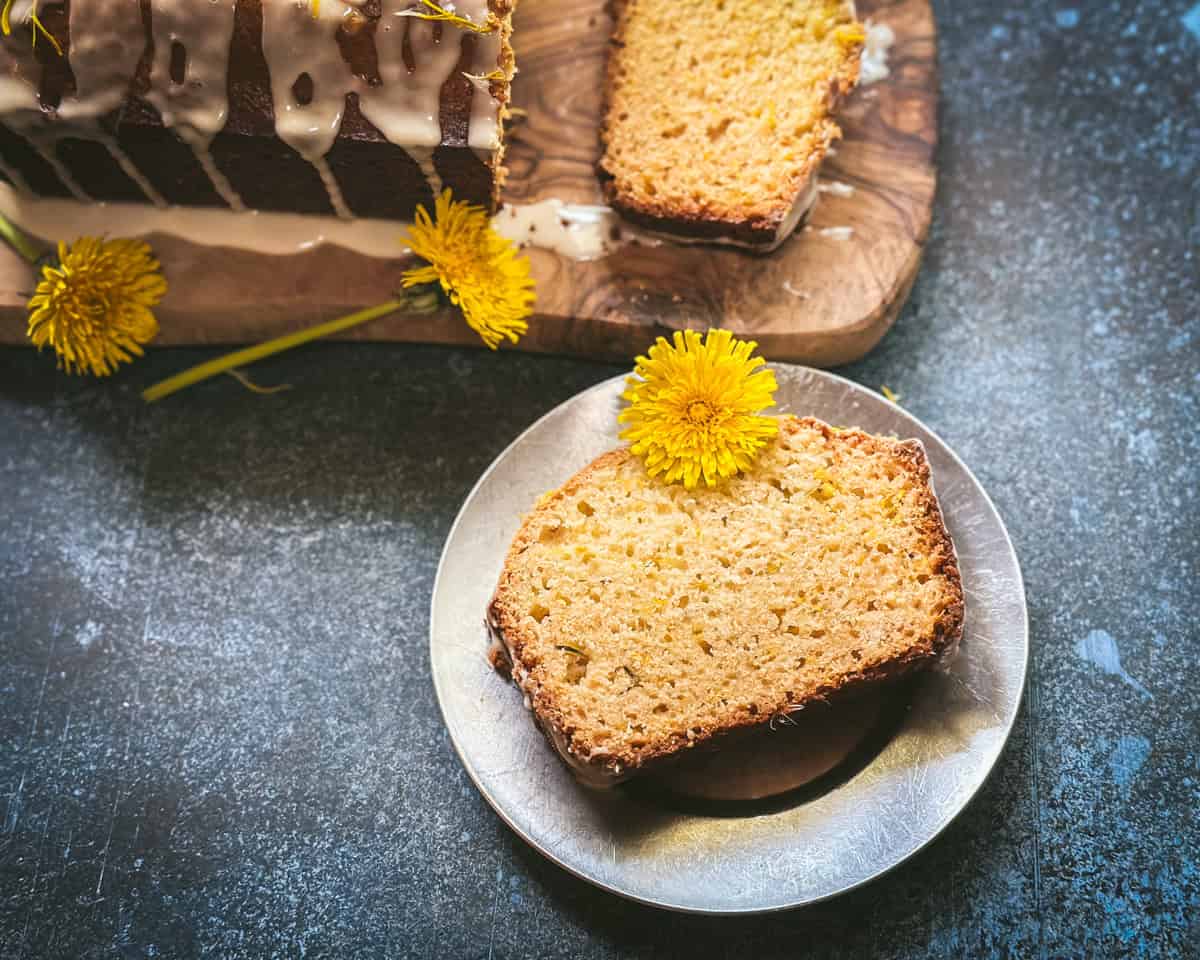
In summary, the transition of the dandelion from a garden foe to a culinary staple represents a maturation of the modern palate and a return to ancestral knowledge. Whether utilized for its antioxidant properties or its unique honey-citrus flavor profile, the dandelion stands as a symbol of resilience and a reminder that the most valuable resources are often those that grow right beneath our feet. As the bread cools on the rack and the lemon glaze is drizzled over the petal-studded loaf, it serves as a tangible connection to the earth’s natural cycles and a testament to the enduring appeal of foraged comfort food.