
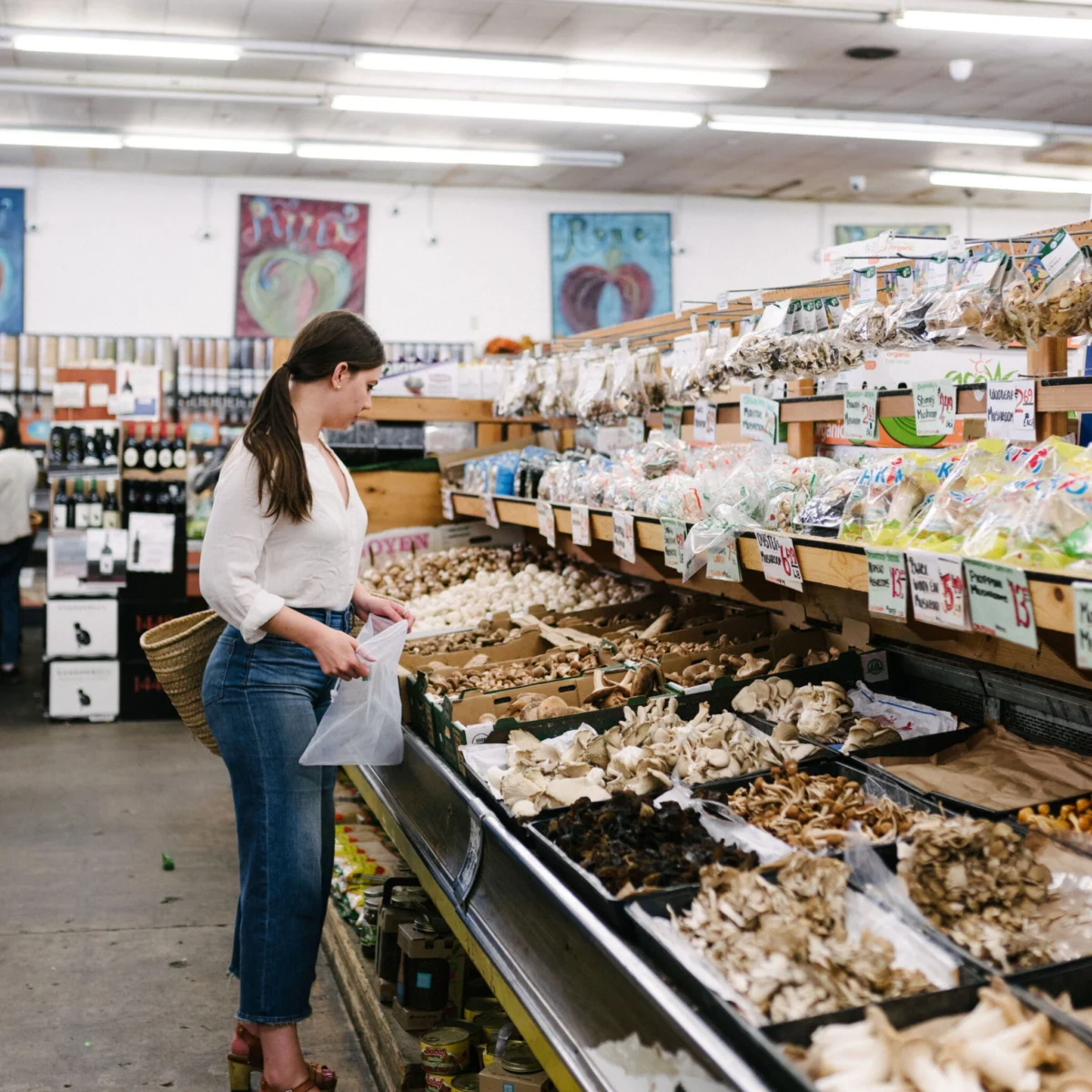
The modern global food supply chain faces a dual crisis of environmental degradation and economic volatility, driven primarily by the proliferation of single-use plastics and systemic food waste. According to data from Our World in Data, plastic food packaging accounts for approximately 40 percent of all plastic waste generated globally, with the United States, Europe, and China identified as the leading contributors to this environmental burden. Simultaneously, the United States Department of Agriculture (USDA) reports that Americans waste roughly 40 percent of the national food supply, a figure that includes losses at both the retail and consumer levels. As the USDA projects a 3.6 percent increase in food prices for 2026, the transition toward zero-waste grocery shopping has evolved from a niche environmental lifestyle into a critical strategy for household financial resilience and global sustainability.
The Structural Realities of Retail and Household Waste
The prevalence of plastic in grocery stores—ranging from cucumbers wrapped in polyethylene to pre-cut fruits housed in plastic clamshells—is a symptom of a logistics system optimized for shelf-life extension and aesthetic uniformity. Retailers frequently discard produce that fails to meet stringent "beauty standards" regarding size, shape, or minor surface blemishes. This practice creates a significant volume of "upstream" waste before the consumer even enters the store.
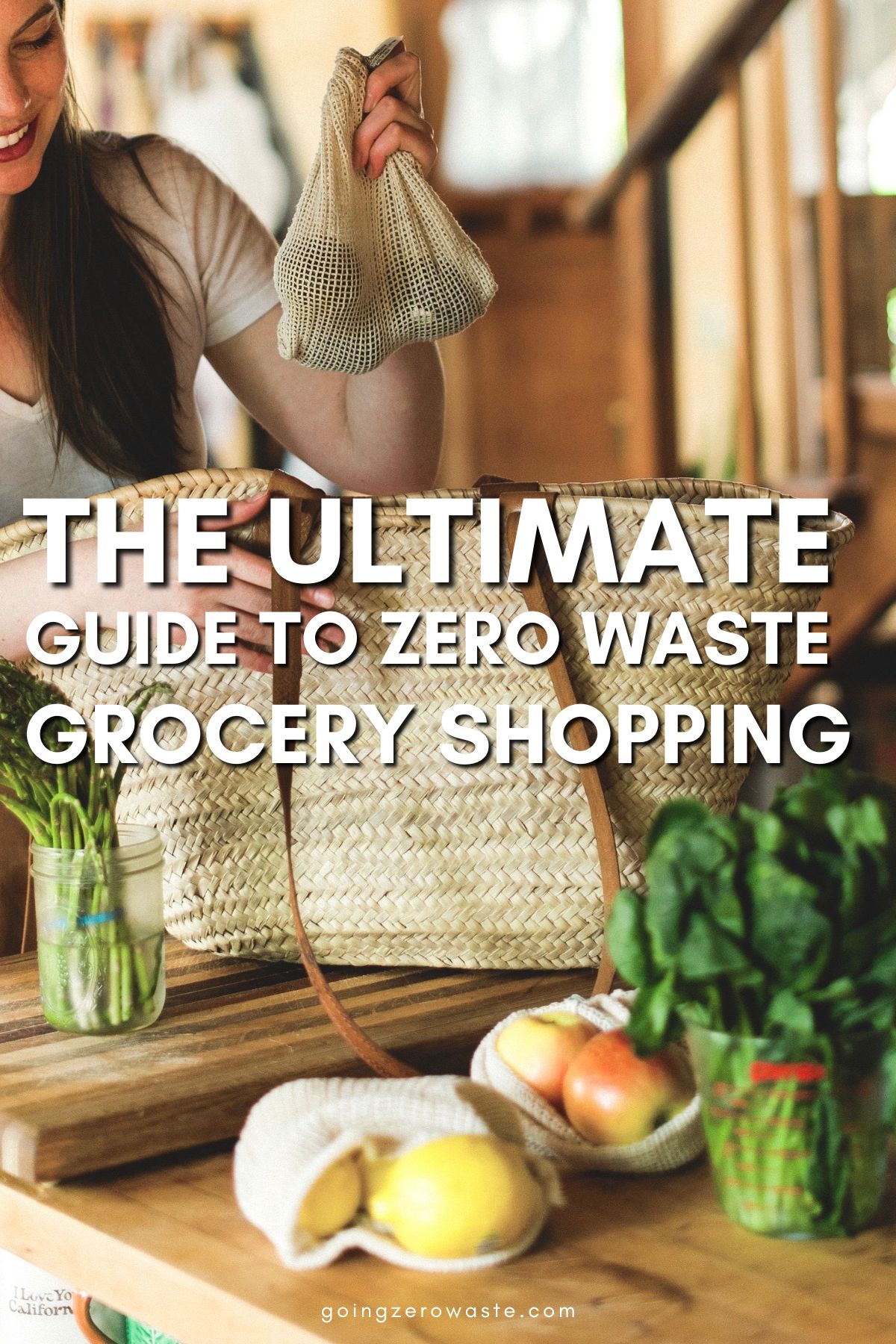
On the "downstream" side, consumer behavior significantly exacerbates the issue. Inefficient storage methods, impulse purchasing, and a lack of meal planning contribute to the high percentage of food that ends up in landfills rather than on dining tables. In landfills, organic waste undergoes anaerobic decomposition, releasing methane—a greenhouse gas with a global warming potential over 80 times that of carbon dioxide over a 20-year period. Consequently, the push for zero-waste shopping is increasingly viewed by climate scientists as a high-impact individual action to mitigate environmental damage.
The Evolution of the Zero-Waste Movement: A Brief Chronology
The zero-waste movement has transitioned through several distinct phases over the past two decades. In the early 2000s, the focus was primarily on "downstream" recycling, encouraging consumers to sort plastic, glass, and paper. However, as global recycling rates for plastics remained stubbornly low—currently estimated at less than 10 percent—the narrative shifted toward the "circular economy" model.
By the mid-2010s, the "Refuse, Reduce, Reuse" hierarchy gained prominence, leading to the rise of specialized "refilleries" and bulk-bin shopping. These retailers allow consumers to bring their own containers, effectively eliminating the need for primary packaging. In recent years, the movement has integrated digital technology, with apps like The Refill Collective and various "ugly produce" subscription services allowing consumers to track and reduce waste through data-driven decisions. As of 2024, the movement is entering a legislative phase, with various jurisdictions in the U.S. and the E.U. implementing bans on single-use plastic bags and exploring Extended Producer Responsibility (EPR) laws.
Economic Implications of Waste Reduction
With the USDA forecasting continued food price inflation, the financial argument for zero-waste shopping has become a central pillar of the movement. Waste represents a direct loss of capital. For a household spending $800 per month on groceries, a 40 percent waste rate equates to $320 of discarded value every month.
Budgeting for a zero-waste lifestyle requires a tactical shift in how funds are allocated. Experts suggest a bifurcated approach to grocery spending: allocating specific portions of the budget to farmers’ markets for fresh, package-free produce, and the remainder to bulk stores for dry goods. Utilizing cash instead of credit cards can further prevent the impulse purchases that often lead to food spoilage. Furthermore, the practice of "haggling" or seeking discounts on "wonky" or bruised produce at local markets can significantly lower the total cost of high-quality nutrition.
Strategic Procurement: Tools and Methodologies
Transitioning to a low-impact shopping model requires a suite of reusable tools designed to replace single-use counterparts. Journalists and environmental auditors have identified several essential items for the zero-waste consumer:
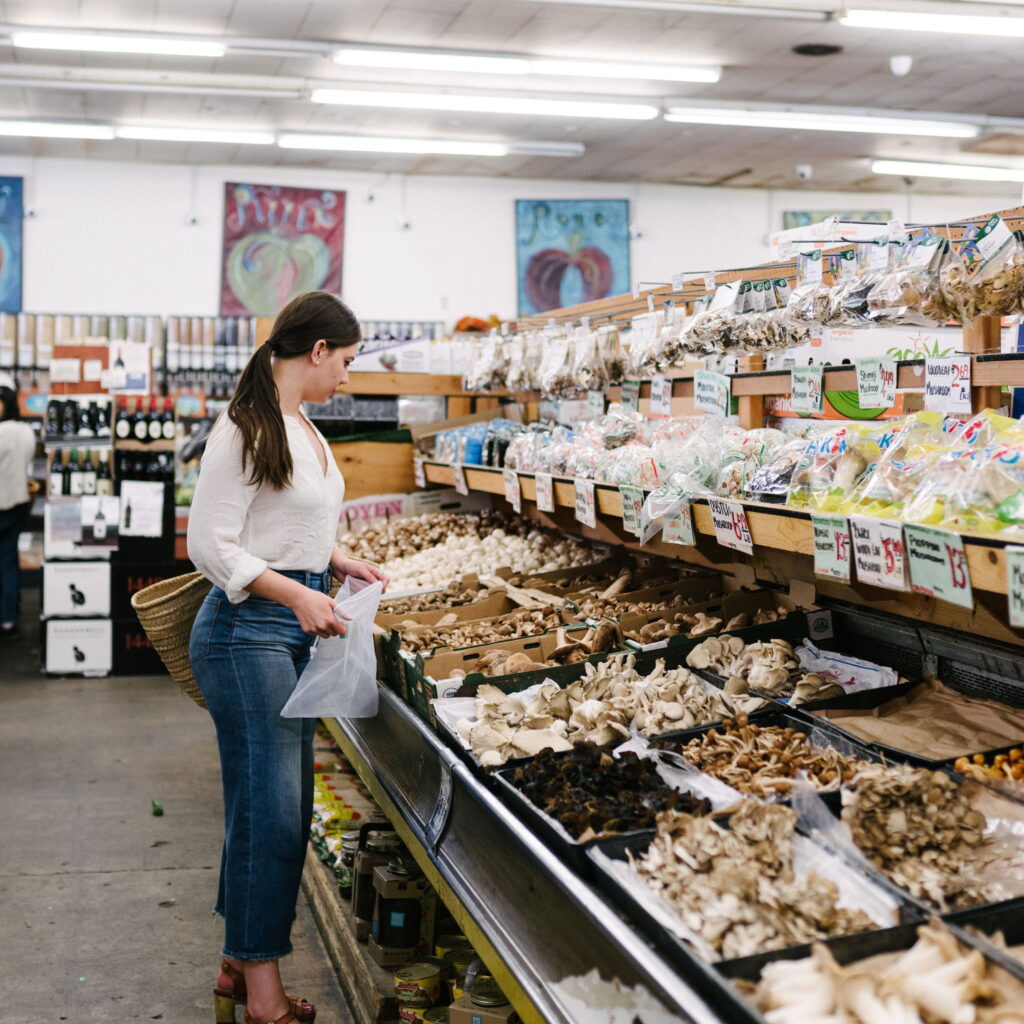
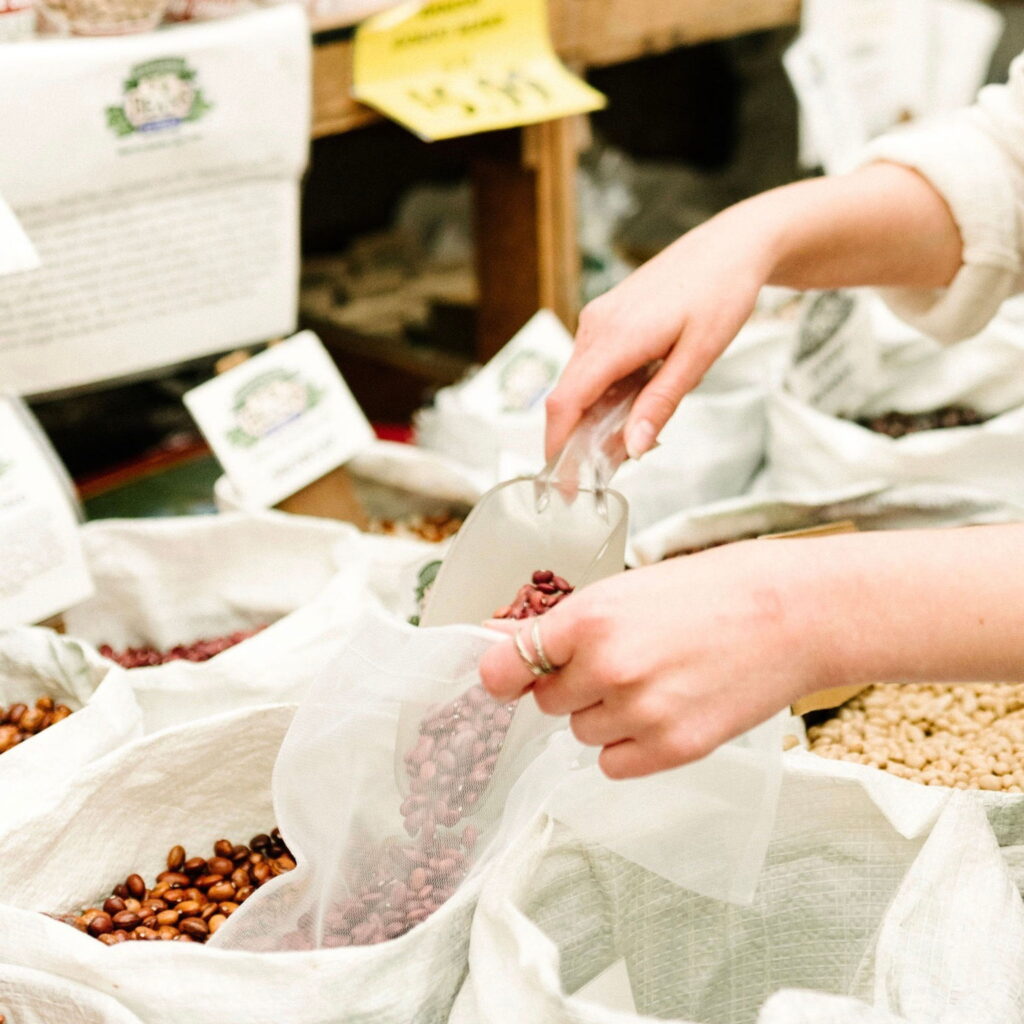
- Reusable Produce Bags: Moving away from thin plastic film, mesh cotton bags are recommended for leafy greens and hardy vegetables, while solid cloth bags are ideal for grains and legumes sourced from bulk bins.
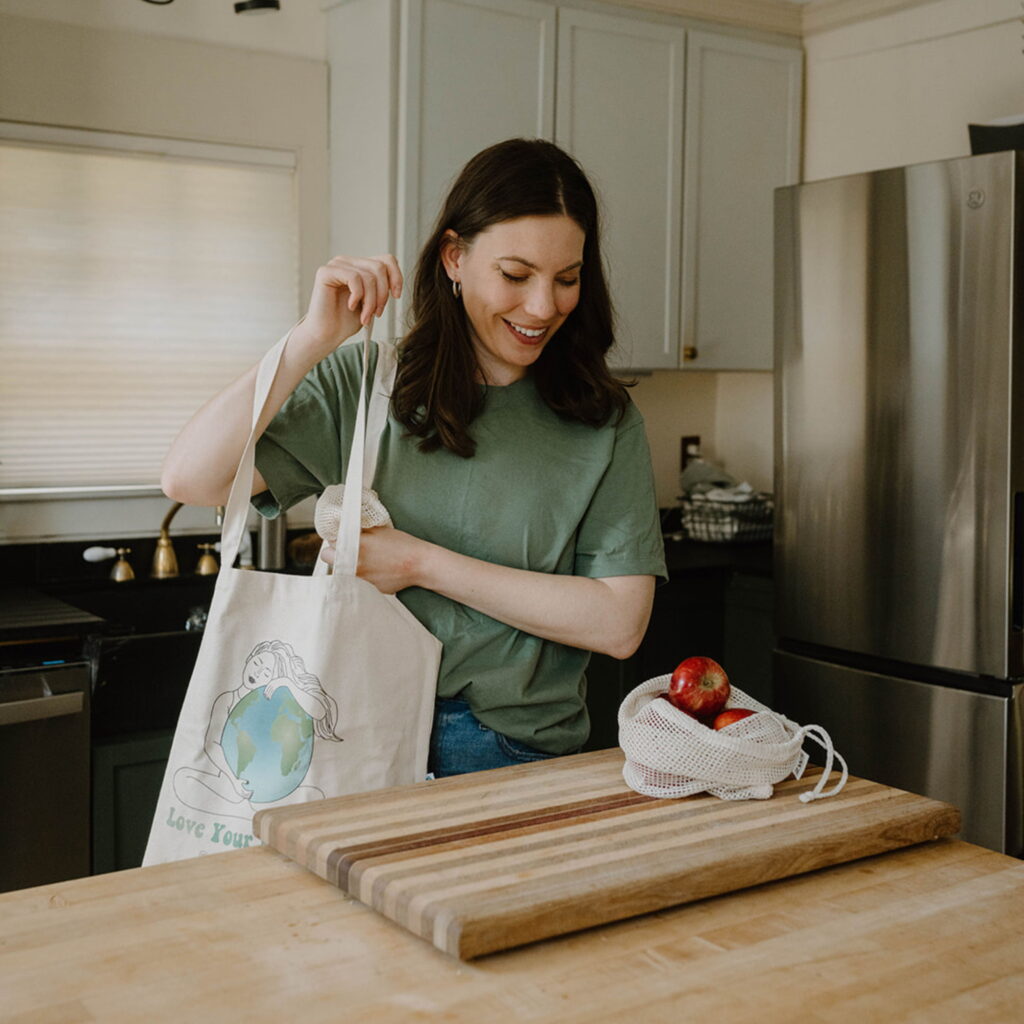
- Secondary Containment: High-quality tote bags remain the industry standard for transporting goods. Research suggests that a cotton tote must be used approximately 131 times to have a lower environmental impact than a single-use plastic bag, highlighting the importance of durability and consistent reuse.
- Glass and Metal Storage: For bulk shopping, mason jars and upcycled glass containers are preferred. To prevent breakage during transport, consumers often utilize wine bags with dividers to stabilize jars.
Advanced Food Preservation and Storage Science
The longevity of food is dictated by biological and chemical factors that can be managed through proper storage. A common failure in the household food chain is the improper placement of items within the refrigerator. For instance, the refrigerator door is the warmest zone and should be reserved for shelf-stable condiments rather than perishable items like milk or berries.
Preservation techniques vary by produce type. Root vegetables like carrots maintain their cellular structure and crispness longer when submerged in water within a glass container. Conversely, berries should remain unwashed and stored in airtight containers until immediately before consumption to prevent premature mold growth. High-humidity crisper drawers are scientifically designed for leafy greens, while low-humidity drawers should house ethylene-emitting fruits like apples and pears to prevent them from accelerating the ripening (and eventual rotting) of neighboring vegetables.
The Scraptastic Economy: Maximizing Ingredient Utility
A journalistic analysis of zero-waste kitchens reveals that significant portions of "waste" are actually edible and nutrient-dense. Professional chefs and sustainability advocates have popularized "scraptastic" cooking, which involves utilizing parts of the plant traditionally discarded in Western cuisine.
- Vegetable Tops: Carrot tops, which possess a flavor profile similar to parsley, can be converted into pestos or salad dressings. Beet and radish tops are equally viable as sautéed greens.
- Fruit Remnants: Strawberry tops can be utilized in smoothies to provide extra fiber and vitamins, or steeped to create simple syrups. Citrus peels can be preserved or used to create natural household cleaners.
- Stock Production: Vegetable peels and ends, when stored in a freezer and boiled collectively, produce high-quality vegetable stock, reducing the need for sodium-heavy, packaged alternatives.
Composting: The Final Tier of the Waste Hierarchy
When edible reuse is no longer an option, composting serves as the final mechanism to prevent organic matter from entering the landfill system. Composting is the controlled aerobic decomposition of organic material, resulting in a nutrient-rich soil amendment.
For urban residents, options include countertop compost pails with charcoal filters to mitigate odors, or curbside collection programs. Many municipalities now utilize industrial composting facilities capable of processing meat and dairy—items that are generally unsuitable for backyard composting. For those with outdoor space, tumbler bins or the "Bokashi" method—a fermentation process using specific microbes—offer efficient ways to recycle nutrients back into the local ecosystem. Trench composting, the simplest form of the practice, involves burying scraps directly into the soil, where they decompose over several months.
Broader Implications and Official Perspectives
The shift toward zero-waste grocery shopping is increasingly reflected in corporate and governmental policy. The United Nations Environment Programme (UNEP) has emphasized that reducing food waste is essential for achieving Sustainable Development Goal 12.3, which aims to halve per capita global food waste by 2030.
In response to consumer pressure, some major retail chains have begun trialing "naked" produce sections and refill stations. However, industry analysts note that the transition is slow due to the high costs of retooling supply chains and the perceived convenience of plastic for the average consumer. Environmental groups argue that while individual actions are vital, systemic change—such as government mandates on packaging and incentives for local food systems—is required to reach the scale necessary for climate stabilization.
Conclusion: The Path Toward a Circular Food System
Zero-waste grocery shopping is a multifaceted discipline that requires a synthesis of planning, scientific storage, and creative consumption. By reducing reliance on plastic packaging and maximizing the utility of every food item purchased, consumers can exert significant downward pressure on the demand for single-use materials and the emission of landfill gases.
As food prices continue to rise and the environmental costs of the "linear" economy become more apparent, the strategies outlined in this guide represent a transition toward a more rational and sustainable relationship with the resources that sustain human life. The move from a "take-make-dispose" model to a circular food system is not merely an environmental preference; it is an economic and ecological necessity for the 21st century. Those who adopt these practices contribute to a broader cultural shift, signaling to retailers and policymakers that the era of unavoidable waste is coming to a close.