
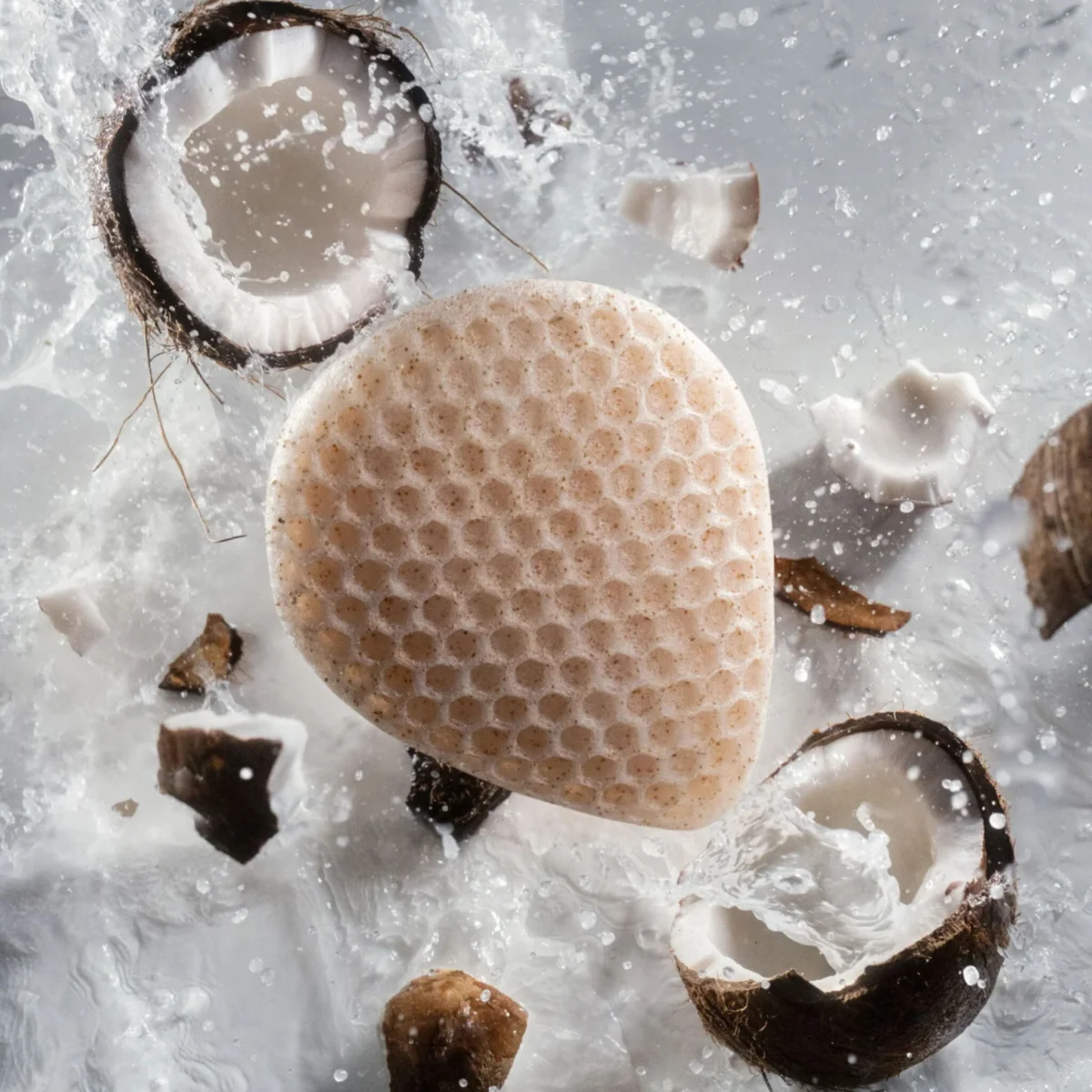
The global personal care industry, valued at approximately $500 billion, is currently undergoing a significant shift as consumers move away from synthetic, single-use products toward sustainable alternatives. At the center of this transition is the bathroom, a space historically dominated by plastic-based accessories that contribute to long-term environmental degradation. Among the most ubiquitous of these items is the plastic shower pouf, a synthetic mesh sponge designed for exfoliation but often criticized for its short lifespan and inability to biodegrade. In response to these concerns, sustainable brands such as Casamera are introducing natural alternatives, most notably the konjac sponge, which offers a biodegradable and antimicrobial solution to traditional bathing rituals.
The Rise of the Everything Shower and Environmental Consequences
The emergence of social media trends, such as the "everything shower"—a comprehensive grooming routine involving multiple stages of exfoliation, cleansing, and hydration—has increased the demand for specialized skincare tools. However, environmental experts point out that many of these routines rely on tools made from low-grade plastics. A standard plastic pouf is typically replaced every two months to avoid bacterial buildup, meaning a single consumer could discard up to six of these items annually. Multiplied across millions of households, this creates a significant stream of non-recyclable waste destined for landfills.
Furthermore, synthetic sponges are a source of microplastics. As these items degrade through friction and exposure to hot water, microscopic plastic particles are shed and washed down the drain, eventually entering the aquatic ecosystem. These microplastics are nearly impossible to filter out of wastewater and pose a threat to marine life and, ultimately, human health through the food chain.
The Botanical Profile and History of Konjac
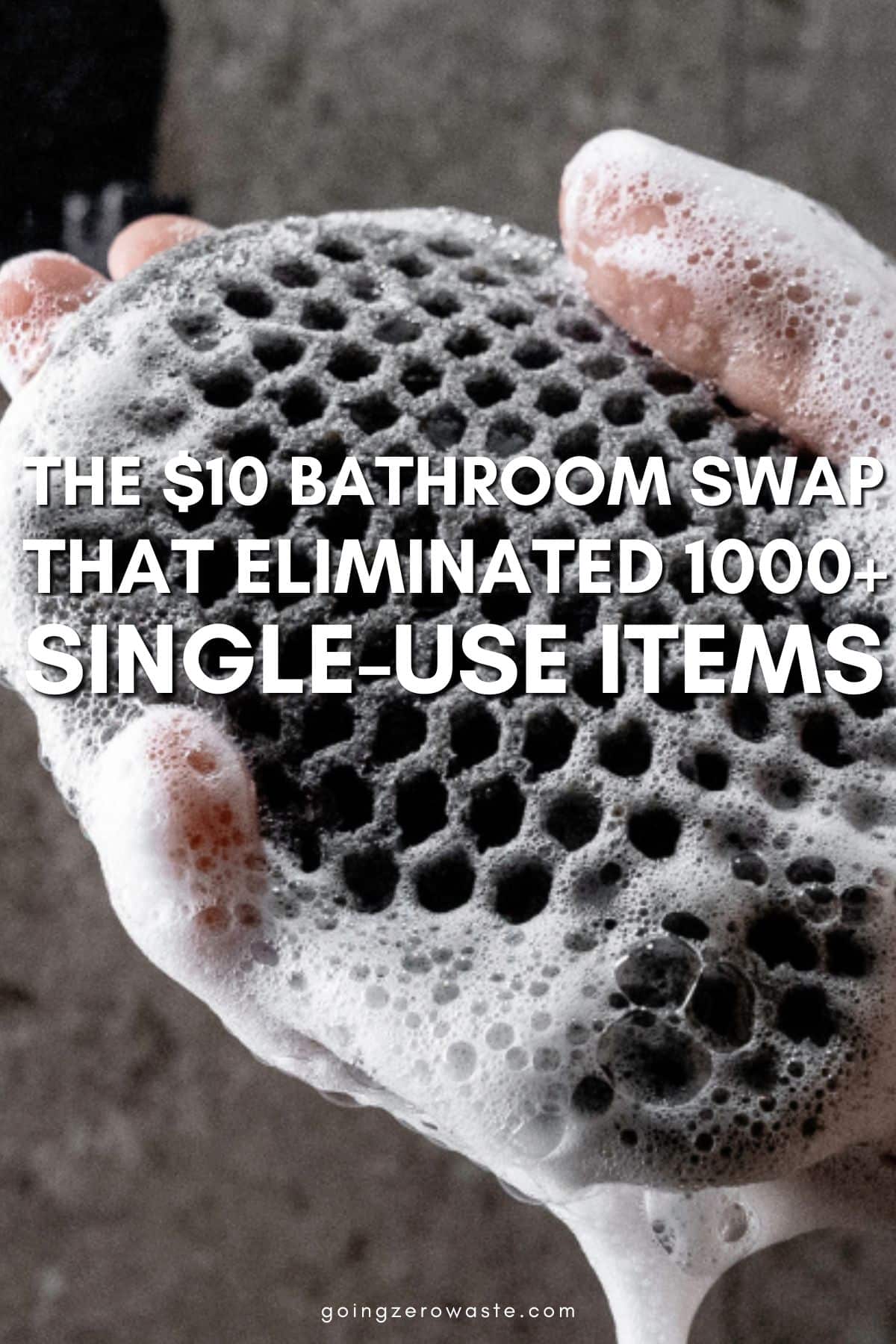
The konjac sponge is derived from the Amorphophallus konjac plant, a perennial root vegetable native to East and Southeast Asia. Known locally as glucomannan, the fiber extracted from the konjac tuber has been utilized in Asian cultures for over 1,500 years. Historically, it served a dual purpose: as a dietary staple (often found in shirataki noodles) and as a medicinal and cosmetic tool. Its use as a bathing aid began in Japan during the 6th century, where it was initially prized for its ability to cleanse a baby’s delicate skin without irritation.
The manufacturing process for modern konjac sponges remains rooted in natural chemistry. The glucomannan fiber is extracted and mixed with water and, in the case of Casamera products, additional natural infusions such as charcoal, volcanic mud, or green tea. This mixture is poured into molds, steamed to stabilize the structure, and then cooled into a porous, gel-like sponge. Unlike synthetic foam, the resulting material is 100% plant-based and contains naturally occurring minerals and a neutral pH, which helps balance the skin’s acidity during use.
Comparative Analysis: Konjac vs. Synthetic Alternatives
When evaluating the efficacy and environmental impact of bathing tools, the distinction between natural fibers and synthetic polymers is stark.
1. Dermatological Benefits
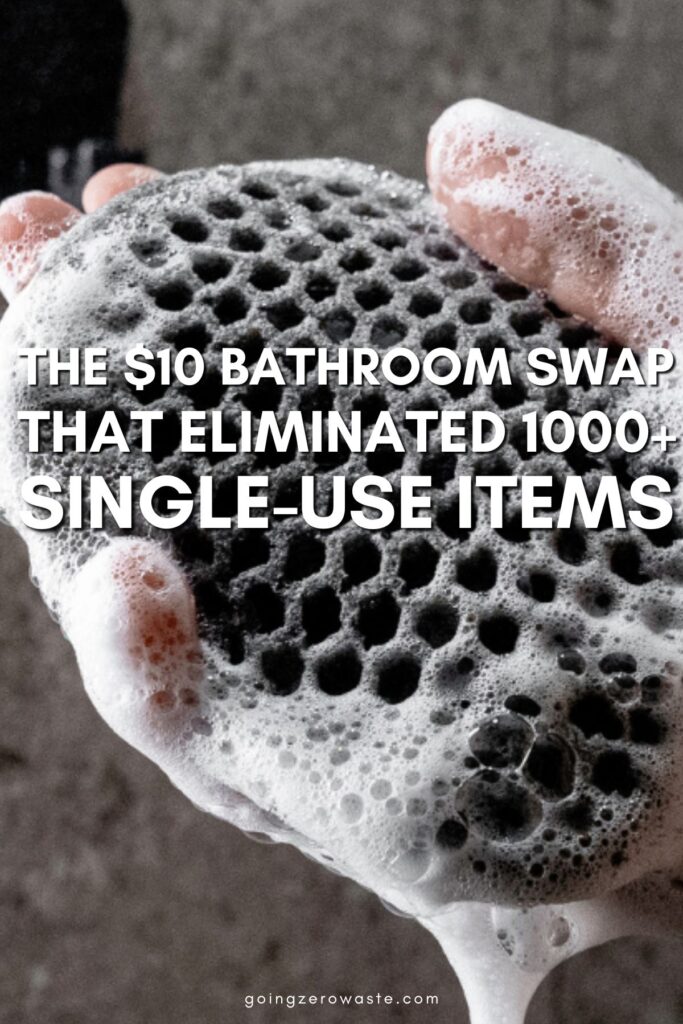
Conventional plastic poufs are often too abrasive for sensitive skin, causing micro-tears that can lead to irritation or inflammation. In contrast, the konjac sponge is celebrated for its unique texture. When saturated with water, it develops a soft, slimy film that allows it to glide over the skin while gently lifting dead skin cells. Casamera has innovated on this traditional design by introducing a dual-sided scrubber. One side features the classic honeycomb texture for gentle cleansing, while the other is reinforced with crushed walnut shells for deeper mechanical exfoliation. This allows the tool to be used effectively on both the face and the body, replacing multiple plastic products with a single biodegradable unit.
2. Hygiene and Antimicrobial Properties
A primary criticism of the plastic pouf is its tendency to harbor bacteria. The damp, humid environment of a shower, combined with the porous plastic mesh, creates an ideal breeding ground for mold and pathogens such as Staphylococcus aureus. Because plastic does not dry quickly and cannot be easily sanitized, it often develops a characteristic musty odor within weeks of use.
Konjac sponges, particularly those infused with charcoal or peppermint, possess inherent antimicrobial properties. The structure of the fiber allows for faster drying, and the sponges can be sanitized by immersion in boiling water—a process that would melt or degrade a synthetic sponge. This longevity and hygiene profile extend the product’s life to approximately three months, providing a more cost-effective and sanitary experience.
3. Environmental Lifecycle
The most significant advantage of the konjac sponge is its end-of-life stage. While plastic poufs persist in landfills for centuries, a konjac sponge is fully compostable. Once it begins to lose its structural integrity, it can be buried in a garden or placed in a compost bin, where it breaks down into organic matter within weeks.
Infrastructure Impact: The Hidden Cost of Face Wipes
The push for natural sponges also addresses the broader issue of "flushable" wipes and single-use makeup removers. Many consumers use disposable wipes in tandem with their shower routines, often disposing of them in the sewage system. This practice has led to the formation of "fatbergs"—massive, solidified blockages in urban sewers composed of congealed grease and non-biodegradable wipes.

In major metropolitan areas, the removal of fatbergs costs taxpayers millions of dollars annually. For example, New York City spends approximately $19 million every year on problems related to wipes in the sewer system. By transitioning to a reusable konjac sponge, which can remove makeup and grime using only water or a mild cleanser, consumers can significantly reduce their contribution to this infrastructure crisis.
Corporate Responsibility and the ESG Model
The rise of brands like Casamera reflects a broader trend in Environmental, Social, and Governance (ESG) criteria within the retail sector. Casamera’s business model emphasizes a "cradle-to-grave" approach to sustainability. This includes:
- Plastic-Free Shipping: Utilizing recyclable paper and cardboard packaging to eliminate the need for plastic polybags.
- Carbon Offsetting: Partnering with reforestation projects to plant trees for every order processed, thereby neutralizing the carbon footprint of manufacturing and international logistics.
- Minimalist Formulation: Using only a handful of natural ingredients (konjac powder, water, and natural infusions) to ensure the product remains free from "forever chemicals" like PFAs, which are often found in water-resistant synthetic products.
Market Trends and Consumer Adoption
Market research indicates that the global konjac sponge market is expected to grow at a compound annual growth rate (CAGR) of over 7% through 2030. This growth is driven by increasing awareness of the "Blue Beauty" movement, which focuses on protecting the oceans from chemical and plastic pollution.
Retailers are also responding to this shift. High-end department stores and eco-conscious boutiques are increasingly dedicating shelf space to natural sponges, recognizing that modern consumers are willing to pay a slight premium for products that align with their ethical values. The "scrubber pack" model—where consumers purchase a multi-month supply of sponges at once—has also gained traction as a way to reduce the frequency of shipping and packaging waste.
Implementation: Best Practices for Natural Sponge Care
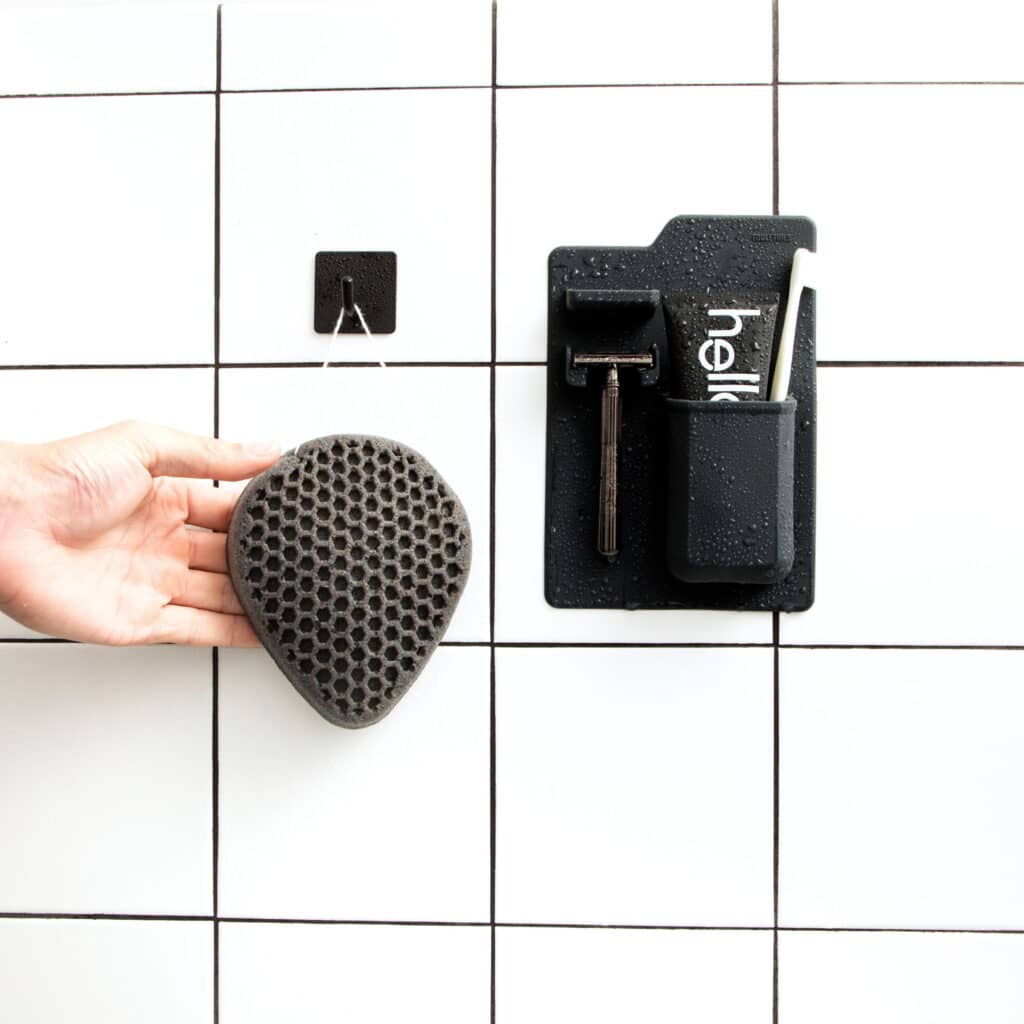
To maximize the benefits of a konjac sponge, industry experts recommend a specific maintenance routine. Upon first use, the sponge is hard and shriveled; it must be submerged in warm water for several minutes until it expands and softens completely. After each use, the sponge should be rinsed thoroughly to remove soap residue and hung in a well-ventilated area to dry.
Weekly sterilization in boiling water is recommended to ensure the sponge remains free of skin oils and environmental bacteria. When the sponge begins to "pit" or develop small holes, it is a signal that the natural fibers are breaking down, at which point it should be transitioned from the bathroom to the compost pile.
Conclusion: The Broader Implications of Sustainable Bathing
The transition from plastic poufs to konjac sponges represents more than a simple change in skincare; it is a microcosm of a larger movement toward circular consumption. By choosing products that are derived from the earth and can safely return to it, consumers are challenging the "take-make-waste" philosophy that has dominated the personal care industry for decades.
As regulatory bodies worldwide begin to implement stricter bans on microplastics and single-use plastics, the konjac sponge stands as a proven, ancient solution to a modern environmental crisis. Through the efforts of brands like Casamera and the conscious choices of consumers, the daily ritual of the shower is being transformed into an act of environmental stewardship, proving that effective hygiene and ecological health are not mutually exclusive.


