
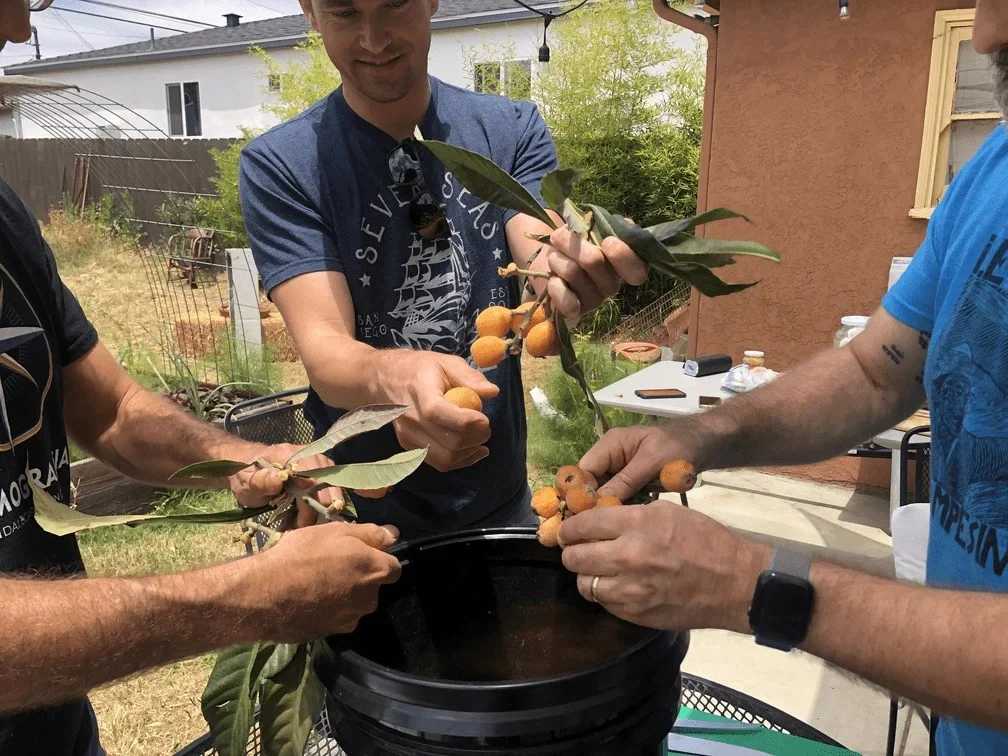
The seasonal emergence of the loquat (Eriobotrya japonica) fruit marks a distinct period of natural abundance in many subtropical and temperate regions. Originating from southeastern China, this evergreen fruit tree, often reaching heights of 25 feet or more, has become a cherished staple in private gardens and public landscapes across the globe, particularly in areas like California, Florida, the Mediterranean basin, and parts of Australia. Its prolific nature yields a substantial harvest from mid-March through mid-May, presenting both a culinary opportunity and a logistical challenge due to the fruit’s relatively short shelf life and concentrated ripening period.
Botanical Profile and Historical Journey
The loquat, a member of the Rosaceae family which also includes apples, pears, and plums, is distinguished by its large, leathery, dark green leaves and its clusters of small, fragrant white flowers that typically bloom in autumn or early winter, preceding the spring fruit. The fruit itself is small, round to pear-shaped, with a distinctive fuzzy, often blush-colored skin that transitions from green to a vibrant yellow-orange when ripe. Inside, the succulent, aromatic flesh, which ranges from white to deep orange, encases one to five prominent, glossy brown seeds. The taste profile is often described as a delicate blend of apricot, plum, and cherry, with a sweet-tart complexity that varies depending on the cultivar and ripeness.
Historically, the loquat has been cultivated in China for over a millennium, where it is highly regarded not only for its fruit but also for its ornamental value and traditional medicinal properties. Its leaves, for instance, have been used in traditional Chinese medicine to prepare teas believed to alleviate respiratory ailments, soothe coughs, and support digestive health. Modern research is exploring the potential antioxidant and anti-inflammatory compounds present in loquat leaves and fruit, lending scientific credence to these age-old practices. From China, the tree spread to Japan, where it has also been cultivated for centuries, before making its way to Europe in the late 18th century and subsequently to the Americas, particularly thriving in the mild climates of the United States. Its adaptability and resilience have cemented its place as a desirable addition to diverse horticultural settings.
The Annual Abundance: A Rite of Spring and a Perishable Challenge
For homeowners fortunate enough to host a mature loquat tree, the arrival of spring signifies an annual ritual of harvesting a bountiful crop. A single established tree can yield dozens, if not hundreds, of pounds of fruit during its peak season. This intense, concentrated output over a relatively short period is a defining characteristic of loquat cultivation. While the sheer volume is a delight for enthusiasts, it simultaneously poses a significant challenge: managing the rapid ripening and high perishability of the fruit. Unlike some stone fruits that can be stored for extended periods, loquats, with their delicate skin and high sugar content, begin to degrade quickly once picked, necessitating prompt consumption or preservation. This inherent fragility underscores the importance of efficient harvesting and processing methods to prevent food waste.
Beyond its fruit, the loquat tree offers continuous value throughout the year. Its dense foliage provides an abundant source of carbon-rich material, making it an ideal, readily available component for compost piles. This continuous supply of organic matter contributes to sustainable gardening practices, enriching soil and reducing the need for external amendments. The tree’s evergreen nature also provides consistent shade and aesthetic appeal, enhancing the ecological footprint and visual quality of a property.
Nutritional Value and Health Benefits
The loquat fruit is not only a culinary delight but also a nutritional powerhouse. It is a good source of dietary fiber, which aids in digestion and can contribute to gut health. Rich in essential vitamins and minerals, loquats contain significant levels of Vitamin A (primarily in the form of beta-carotene), crucial for vision, immune function, and skin health. They also provide Vitamin C, a powerful antioxidant that supports the immune system and collagen production.
Furthermore, loquats are a source of potassium, an electrolyte vital for maintaining proper fluid balance, nerve signals, and muscle contractions. Other micronutrients present include small amounts of manganese, magnesium, and calcium. The fruit is also packed with various phenolic compounds and carotenoids, which act as antioxidants, helping to combat oxidative stress and reduce the risk of chronic diseases. The traditional use of loquat leaves in tea for its potential anti-inflammatory and blood sugar-regulating effects highlights a broader spectrum of bioactive compounds that continue to be investigated for their therapeutic potential. Incorporating loquats into the diet can therefore contribute to overall wellness and a balanced nutritional intake.
Culinary Versatility: From Jam to Fermented Chutney
Given the seasonal glut and perishability, efficient utilization of loquats becomes paramount. The fruit’s unique sweet-tart flavor profile makes it exceptionally versatile in the kitchen, lending itself to a wide array of culinary applications beyond simple fresh consumption. One of the most traditional and popular methods of preservation is crafting loquat jam. The natural pectin content in loquats often allows for a firm set without excessive additives, yielding a bright, flavorful spread perfect for toast, pastries, or as an accompaniment to cheeses. The process typically involves pitting and deseeding the fruit, combining it with sugar and a touch of lemon juice, and simmering until the desired consistency is achieved.
Beyond jams, the loquat’s robust flavor stands up well to more complex preparations. Fermented savory-sweet condiments, such as loquat chutney, offer an exciting avenue for culinary exploration. Drawing inspiration from Indian cuisine, where fruit chutneys like peach-mango are commonplace, a loquat chutney can be created by combining the fruit with aromatic spices, vinegar, sugar, and sometimes chili, then allowing it to ferment. This fermentation process not only extends the shelf life but also develops complex, nuanced flavors, introducing beneficial probiotics. The resulting chutney can serve as a versatile accompaniment to curries, grilled meats, sandwiches, or as an intriguing addition to cheese boards.
Other culinary uses for loquats are equally diverse. They can be incorporated into pies, tarts, crumbles, and cobblers, where their distinct flavor shines. The fruit can also be pureed into sauces for savory dishes, blended into smoothies, or even used to make fruit wines, liqueurs, or vinegars. For those seeking lighter options, loquats can be added to salads for a burst of freshness and sweetness or roasted with meats for a unique glaze. The exploration of these varied applications transforms a fleeting seasonal bounty into a year-round culinary delight.
The Art of Preservation: Mitigating Waste, Maximizing Flavor
The concentrated ripening period of fruits like the loquat underscores the critical importance of effective food preservation techniques. In an era increasingly focused on sustainability and reducing food waste, methods that extend the usability of seasonal produce are invaluable. Fermentation, in particular, offers a time-honored and scientifically supported approach to preservation. By introducing beneficial microorganisms, fermentation not only inhibits spoilage but also enhances the nutritional profile and creates new, complex flavor compounds not found in the fresh fruit. For loquats, this means transforming a delicate, short-lived fruit into a shelf-stable, probiotic-rich product like chutney.
Austin Durant, founder of Fermenters Club and author of "Fearless Fermenting," highlights this principle through his own experiences with his prolific loquat tree. His observations on the annual "rite of spring" to collect "dozens, maybe hundreds of pounds" of fruit directly inform the need for such preservation strategies. "The rapid ripening of fruits like loquats necessitates creative approaches to ensure none of the bounty goes to waste," states Durant. "Fermentation is not just about extending shelf life; it’s about transforming the ingredient, unlocking new depths of flavor and contributing to a healthier gut microbiome. It’s a cornerstone of sustainable eating."
Beyond fermentation, other preservation methods for loquats include freezing (either whole, sliced, or as a puree), drying, canning as preserves, or infusing into spirits. Each method offers a different textural and flavor outcome, allowing for a diverse pantry stocked with loquat goodness. The conscious effort to preserve these fruits contributes significantly to reducing household food waste, aligning with broader environmental goals.
Expert Perspectives on Sustainable Horticulture and Food Systems
The widespread presence of loquat trees in urban and suburban landscapes also draws attention from horticultural experts and food system advocates. Dr. Evelyn Reed, a horticultural specialist focusing on urban fruit trees, notes, "The loquat is an incredibly resilient and low-maintenance tree, making it ideal for home gardeners. Its ability to thrive in varied conditions and produce such a generous yield highlights its potential role in enhancing urban food security and green infrastructure." She emphasizes that fruit trees in residential settings contribute to local biodiversity, provide shade, and offer a sustainable food source with minimal carbon footprint compared to commercially transported produce.
From a food waste perspective, organizations dedicated to local food systems actively encourage the harvesting and sharing of backyard fruit. Sarah Jenkins, director of a community gleaning program, remarks, "Every spring, we see a surge of interest around loquats. Many homeowners are overwhelmed by the sheer volume and are eager to share. Programs that connect these abundant trees with local food banks or community kitchens are vital in ensuring this nutritious fruit reaches those in need, simultaneously combating food waste and fostering community engagement." This collaborative approach underscores the social and environmental benefits derived from utilizing seasonal surpluses.
Furthermore, culinary professionals and food scientists are increasingly exploring underutilized fruits like the loquat. Chef Maria Sanchez, known for her farm-to-table philosophy, comments, "The loquat offers a unique flavor profile that can elevate both sweet and savory dishes. Its versatility, especially in fermented forms like chutney, allows us to introduce exciting new textures and tastes to our menus, encouraging diners to appreciate the diversity of local, seasonal produce." This professional interest contributes to broadening the fruit’s appeal and integrating it more deeply into contemporary gastronomy.
Broader Ecological and Economic Implications
The proliferation of fruit trees, including loquats, in urban and suburban environments carries significant ecological benefits. These trees act as natural air purifiers, absorbing carbon dioxide and releasing oxygen, contributing to improved air quality. They also provide habitat and food sources for local wildlife, enhancing biodiversity within developed areas. The deep root systems help stabilize soil, reduce erosion, and improve water infiltration, mitigating stormwater runoff. The evergreen nature of the loquat further provides year-round aesthetic value and continuous shade, contributing to urban cooling, which is increasingly important in the face of climate change.
Economically, backyard fruit trees can contribute to household food independence, reducing reliance on grocery stores for certain produce items. While loquats are not a major commercial crop globally, they support localized economies through farmers’ markets and small-scale processors who turn the fruit into jams, jellies, and other value-added products. This niche market helps to diversify local agricultural offerings and supports small businesses. The concept of permaculture gardening, which Austin Durant also champions, emphasizes integrating edible landscapes into residential areas, turning yards into productive ecosystems that yield food, reduce waste, and build soil health. The loquat tree, with its minimal care requirements and generous output, embodies many of these permaculture principles, serving as a model for sustainable urban living.
In conclusion, the loquat stands as more than just a seasonal fruit; it represents a microcosm of sustainable living principles. Its annual abundance highlights the challenges of perishability and the importance of preservation, while its nutritional benefits and culinary versatility offer myriad opportunities for enjoyment. From its historical journey and botanical resilience to its role in modern food systems and environmental sustainability, the loquat’s springtime bounty provides a compelling narrative for how individuals and communities can embrace nature’s gifts, reduce waste, and cultivate a more interconnected and sustainable relationship with their food sources. The humble loquat, with its fuzzy skin and sweet-tart flesh, continues to enrich both our palates and our planet.


