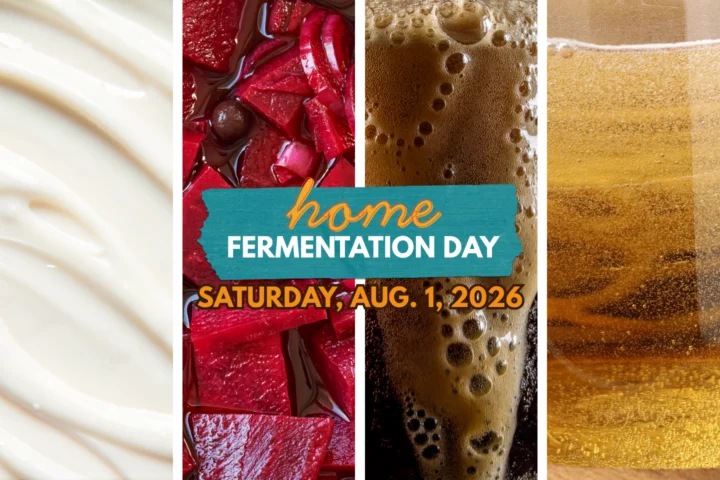
The American Homebrewers Association (AHA) has officially designated August 1, 2026, as Home Fermentation Day, a dedicated occasion to celebrate the diverse and expanding world of fermented foods and beverages. This initiative aims to broaden public awareness and engagement with fermentation, extending beyond the popular realm of homebrewing to encompass a wider array of culinary and beverage explorations. The AHA positions itself as a central resource for enthusiasts, offering guidance, community, and educational content for both seasoned practitioners and newcomers to the art of fermentation.
A Growing Movement: From Hobby to Holiday
The establishment of Home Fermentation Day reflects a significant surge in interest surrounding fermented products and the processes that create them. For decades, homebrewing has been a cornerstone of the fermentation hobby, with dedicated communities and organizations like the AHA fostering its growth. However, recent years have witnessed a notable expansion of this interest into areas such as kombucha, kimchi, sourdough, sauerkraut, kefir, and a multitude of other fermented foods and drinks. This broader appeal is driven by several factors, including a growing consumer desire for artisanal and gut-friendly foods, an increasing appreciation for complex flavors, and a fascination with the science and tradition behind these ancient preservation techniques.
The AHA, recognizing this evolving landscape, is leveraging its established platform to champion all forms of fermentation. While its roots are firmly planted in homebrewing, the association’s mission has naturally expanded to embrace the wider fermentation community. Home Fermentation Day serves as a focal point for this broadened mission, encouraging individuals to explore, experiment, and share their passion for all things fermented. The date, August 1st, was likely chosen to coincide with a period conducive to fermentation projects, potentially offering favorable ambient temperatures for various processes, and to establish a consistent annual celebration.
Beyond Beer: Expanding the Fermentation Frontier
While homebrewed beer, mead, and cider remain central to the fermentation hobby, Home Fermentation Day encourages enthusiasts to venture into new territories. The AHA highlights the rich world of fermented foods as a natural extension of beverage fermentation. This includes a vast spectrum of culinary projects, from cultivating probiotic-rich vegetables like sauerkraut and kimchi to mastering the complex flavors of fermented dairy products such as yogurt and kefir. The association also points to the growing popularity of fermented grains for bread making, such as sourdough, which relies on a symbiotic culture of yeast and bacteria to achieve its characteristic tang and texture.
The benefits of incorporating fermented foods into one’s diet are increasingly recognized. These foods are often rich in probiotics, which are beneficial bacteria that can contribute to a healthy gut microbiome. A balanced gut microbiome is linked to numerous health advantages, including improved digestion, enhanced immune function, and even potential positive impacts on mood and mental well-being. The intricate metabolic processes involved in fermentation also create unique flavor profiles, adding depth and complexity to culinary creations that are difficult to replicate through other methods. Furthermore, fermentation serves as a traditional and effective method of food preservation, allowing for the storage of seasonal produce and reducing food waste, an aspect that resonates with a growing consumer consciousness around sustainability.
The AHA’s emphasis on expanding beyond beverages is strategic. It aims to attract a wider demographic of enthusiasts who may not be drawn to alcohol production but are keenly interested in healthy eating, culinary arts, and artisanal food production. By providing resources and a platform for these diverse interests, the AHA strengthens its position as a comprehensive hub for the entire fermentation ecosystem.
A Wealth of Resources and Community Support
The American Homebrewers Association offers a robust suite of resources to support individuals on their fermentation journeys. Their website, HomebrewersAssociation.org, serves as a central repository of information, recipes, and community forums. For those looking to dive deeper into fermented foods, the AHA’s article archive, particularly the "Beyond Beer" category, provides a gateway to a wealth of knowledge and practical guidance. These articles likely cover a range of topics, from beginner-friendly guides to advanced techniques for specific fermented products.
A cornerstone of the AHA’s offerings is Zymurgy magazine, the premier publication dedicated to home fermentation. While historically focused on beer, Zymurgy has increasingly broadened its scope to include articles on other fermented projects, offering readers insights into the science, techniques, and creative possibilities within the wider fermentation world. The magazine’s "You Can Ferment That" column is specifically designed to inspire readers with new ideas and practical advice for exploring different fermentation projects. Access to Zymurgy is a significant benefit of AHA membership, alongside four new issues delivered annually, providing a continuous stream of expert knowledge and community-driven content.
Membership in the American Homebrewers Association unlocks exclusive resources, further solidifying its role as a vital community for fermentation enthusiasts. These exclusive materials may include advanced brewing and fermentation techniques, detailed scientific explanations of fermentation processes, access to a broader community of experts and fellow enthusiasts for troubleshooting and idea sharing, and potentially even discounts on brewing and fermentation supplies. The AHA’s commitment to its members underscores the value it places on fostering a supportive and educational environment for everyone interested in the art and science of fermentation.
The Broader Impact and Future of Fermentation
The establishment of Home Fermentation Day by the AHA has the potential to significantly elevate the profile of fermentation as both a hobby and a lifestyle choice. As more individuals become aware of and engage with fermentation, several broader impacts can be anticipated.
Firstly, an increased interest in home fermentation could lead to a greater demand for high-quality ingredients, such as specialized yeasts, bacteria cultures, and organic produce. This, in turn, could support local agricultural producers and specialty food suppliers. Secondly, the educational aspect of fermentation—understanding the scientific principles behind microbial activity—can foster a greater appreciation for biology and chemistry among hobbyists. This hands-on learning experience can be particularly valuable for younger generations, sparking curiosity in scientific fields.
Furthermore, the cultural significance of fermentation, deeply rooted in traditions across the globe, is likely to be revitalized. As more people engage in making their own fermented foods and beverages, they connect with historical food preservation methods and culinary heritage. This can lead to a richer understanding and appreciation of diverse food cultures.
The AHA’s proactive approach in designating Home Fermentation Day signifies a forward-thinking strategy. By embracing the full spectrum of fermentation, the association is positioning itself not just as a leader in homebrewing but as a central authority and advocate for all forms of fermentation. This broader appeal is likely to attract new members and partners, further strengthening the fermentation community and its collective impact on food culture, health, and education. As August 1, 2026, approaches, the anticipation for this inaugural celebration of home fermentation is palpable, promising a day filled with discovery, shared knowledge, and a deeper appreciation for the transformative power of microbes.