
As global environmental concerns intensify, the intersection of consumer habits and industrial waste has become a focal point for ecological reform. Retail environments, particularly grocery stores, represent a significant frontier in this struggle. Modern food distribution systems are heavily reliant on single-use plastics, with current data from Our World in Data indicating that food packaging accounts for approximately 40 percent of all plastic waste generated globally. The United States, the European Union, and China remain the primary contributors to this waste stream. However, the environmental impact of the grocery industry extends beyond non-biodegradable packaging; systemic food waste at both the retail and consumer levels further exacerbates the crisis. In the United States alone, an estimated 40 percent of the food supply is discarded, often due to aesthetic standards or improper household management.
The Convergence of Environmental and Economic Factors
The shift toward zero-waste grocery shopping is increasingly driven by economic necessity as much as environmental stewardship. According to the United States Department of Agriculture (USDA) Food Price Outlook, food prices are projected to continue an upward trajectory, with a predicted increase of 3.6 percent in 2026. This inflationary pressure means that the financial loss associated with food waste is becoming unsustainable for the average household.
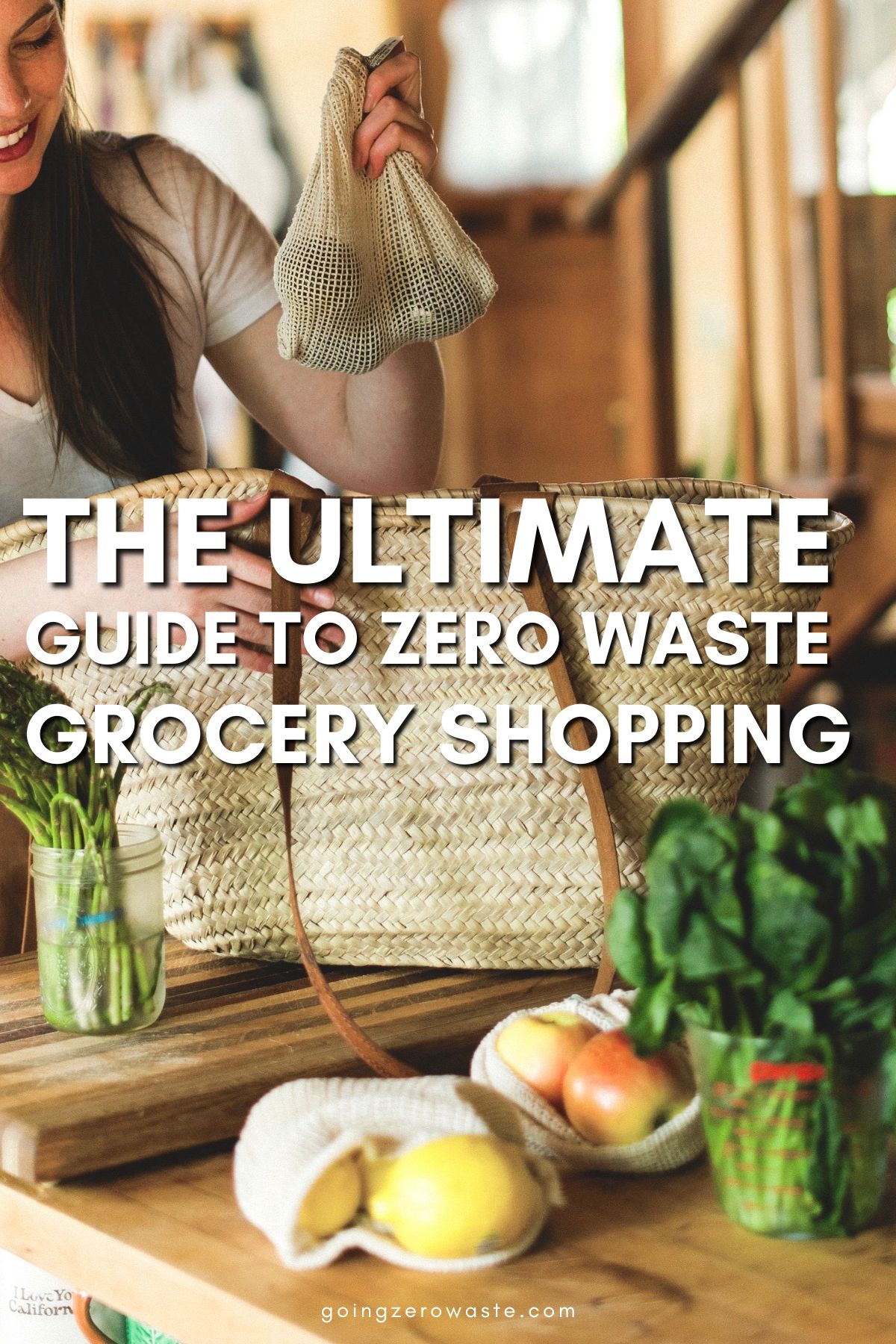
Zero-waste grocery shopping is defined as a methodology focused on minimizing the environmental footprint of food procurement. This involves two primary objectives: the elimination of single-use plastic packaging and the reduction of organic food waste. By transitioning to loose produce, utilizing bulk refill stations, and adopting rigorous food preservation techniques, consumers can significantly mitigate their contribution to landfills while optimizing their grocery budgets.
Chronology of the Zero-Waste Movement and Retail Evolution
The movement toward package-free shopping has evolved through several distinct phases over the last century:
- The Pre-Plastic Era (Pre-1950s): Grocery shopping was inherently low-waste, relying on reusable glass milk bottles, paper-wrapped dry goods, and local butcheries.
- The Rise of Convenience (1960s–1990s): The proliferation of polyethylene and polypropylene revolutionized food shelf-life and portability, leading to the dominance of plastic clamshells, shrink-wrapped produce, and single-use bags.
- The Awareness Shift (2000s–2010s): Scientific reports on the Great Pacific Garbage Patch and microplastic contamination prompted the first wave of plastic bag bans, beginning in jurisdictions like San Francisco and later across various European nations.
- The Modern Zero-Waste Integration (2020–Present): A sophisticated infrastructure of "refilleries," farmers markets, and bulk-bin sections in mainstream supermarkets has emerged to meet the demand for sustainable consumption.
Strategic Planning: The Foundation of Waste Reduction
Effective waste reduction begins before the consumer enters the retail environment. Professional environmental analysts suggest that the "impulse buy" is a primary driver of both packaging and food waste. A structured approach to procurement is essential.
Budgetary and Geographic Research
Consumers are encouraged to utilize digital resources, such as The Refill Collective or local sustainability directories, to identify bulk-food stores and refilleries within their zip codes. If specialized zero-waste stores are not accessible within a reasonable distance, the focus shifts to "low-waste" shopping at conventional supermarkets.
Budgeting plays a critical role in the sustainability of these habits. While some organic or package-free options may carry a higher upfront cost per unit, the ability to purchase exact quantities in bulk often leads to long-term savings. Experts recommend a "cash-only" approach for farmers markets to maintain strict adherence to a budget and to foster direct relationships with local producers, who may offer discounts for "seconds"—produce that is aesthetically imperfect but nutritionally sound.
The Essential Zero-Waste Toolkit
To successfully navigate a package-free environment, consumers must be equipped with specific tools:
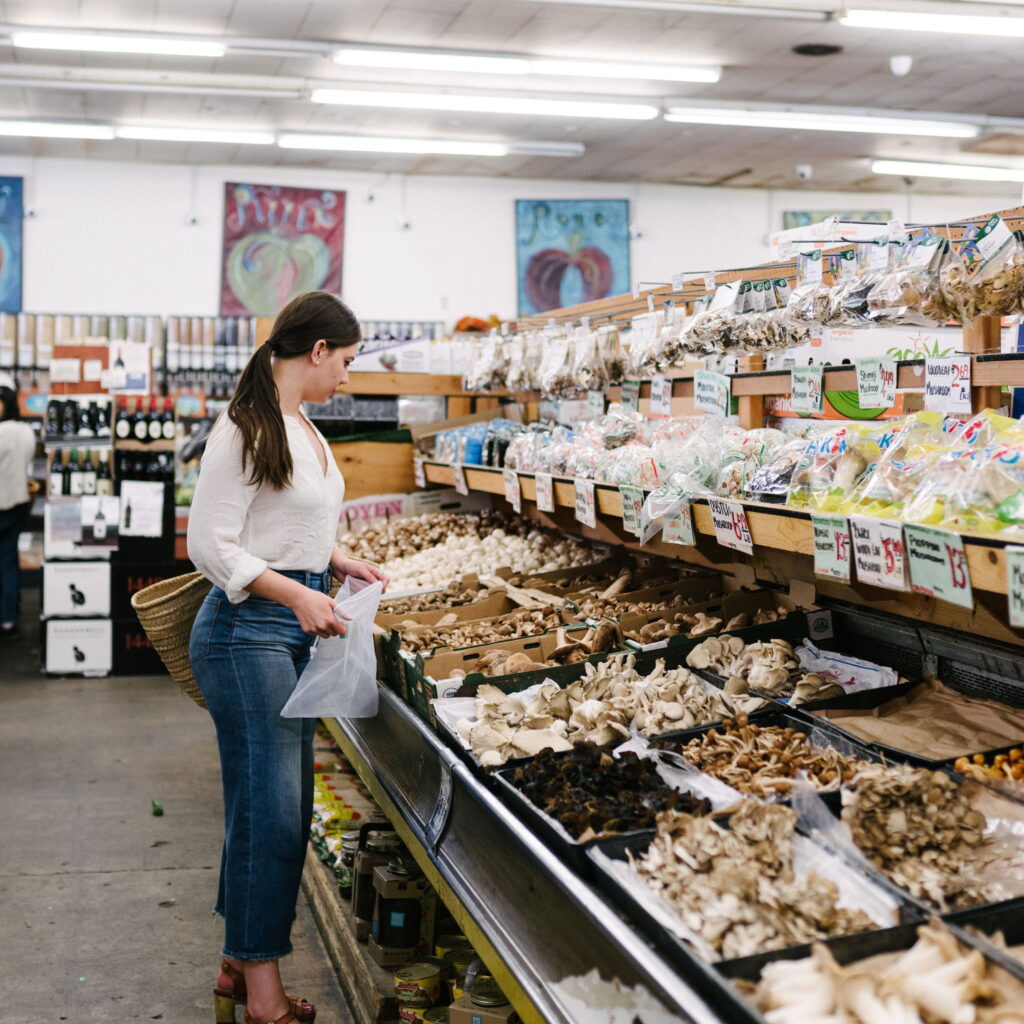
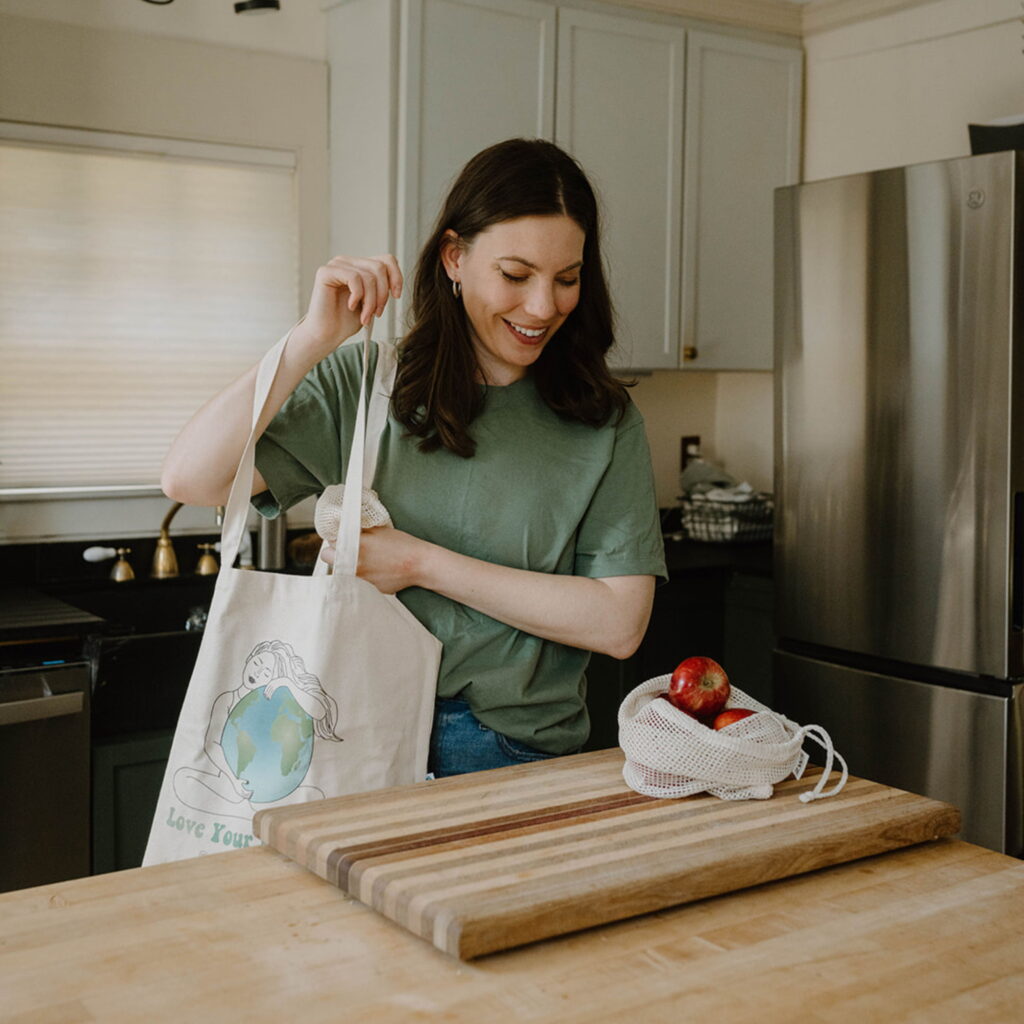
- Mesh Cotton Bags: Ideal for breathable produce like leafy greens and cruciferous vegetables.
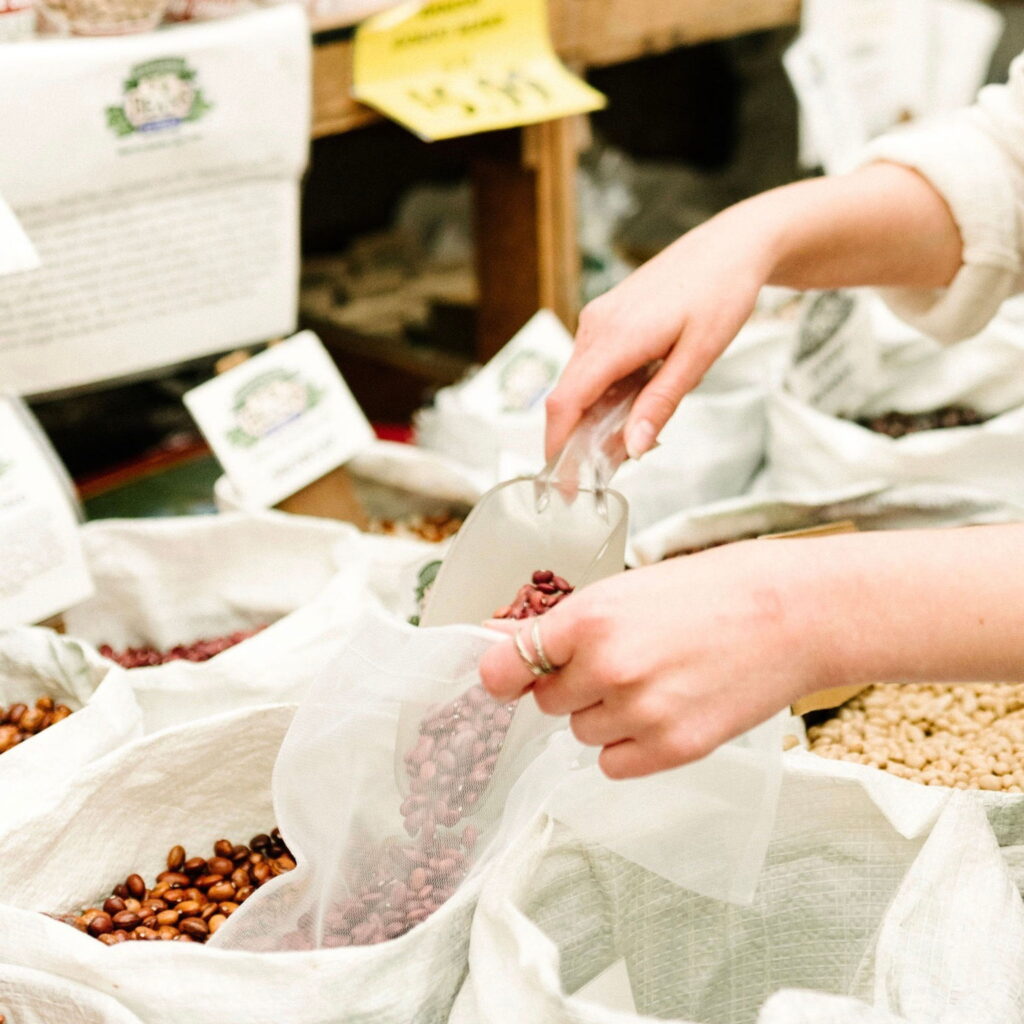
- Solid Cloth Bags: Necessary for fine-grain bulk items such as flour, sugar, or dried lentils.
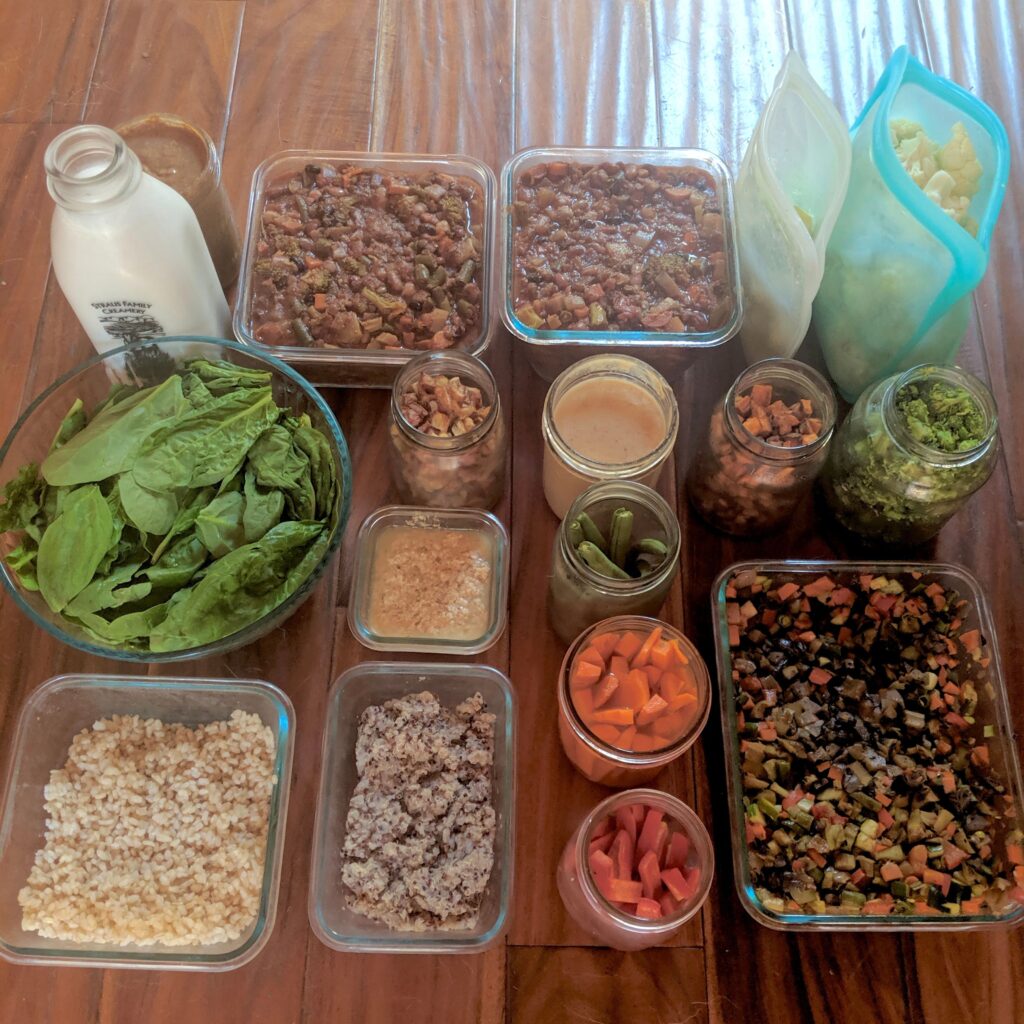
- Glass Mason Jars: Preferred for liquids and bulk oils. Consumers should note the "tare weight" (the weight of the empty container) to ensure they are only charged for the product itself.
- Reusable Totes: Heavy-duty bags to replace the billions of plastic bags distributed annually.
In-Store Execution: Navigating the Aisles
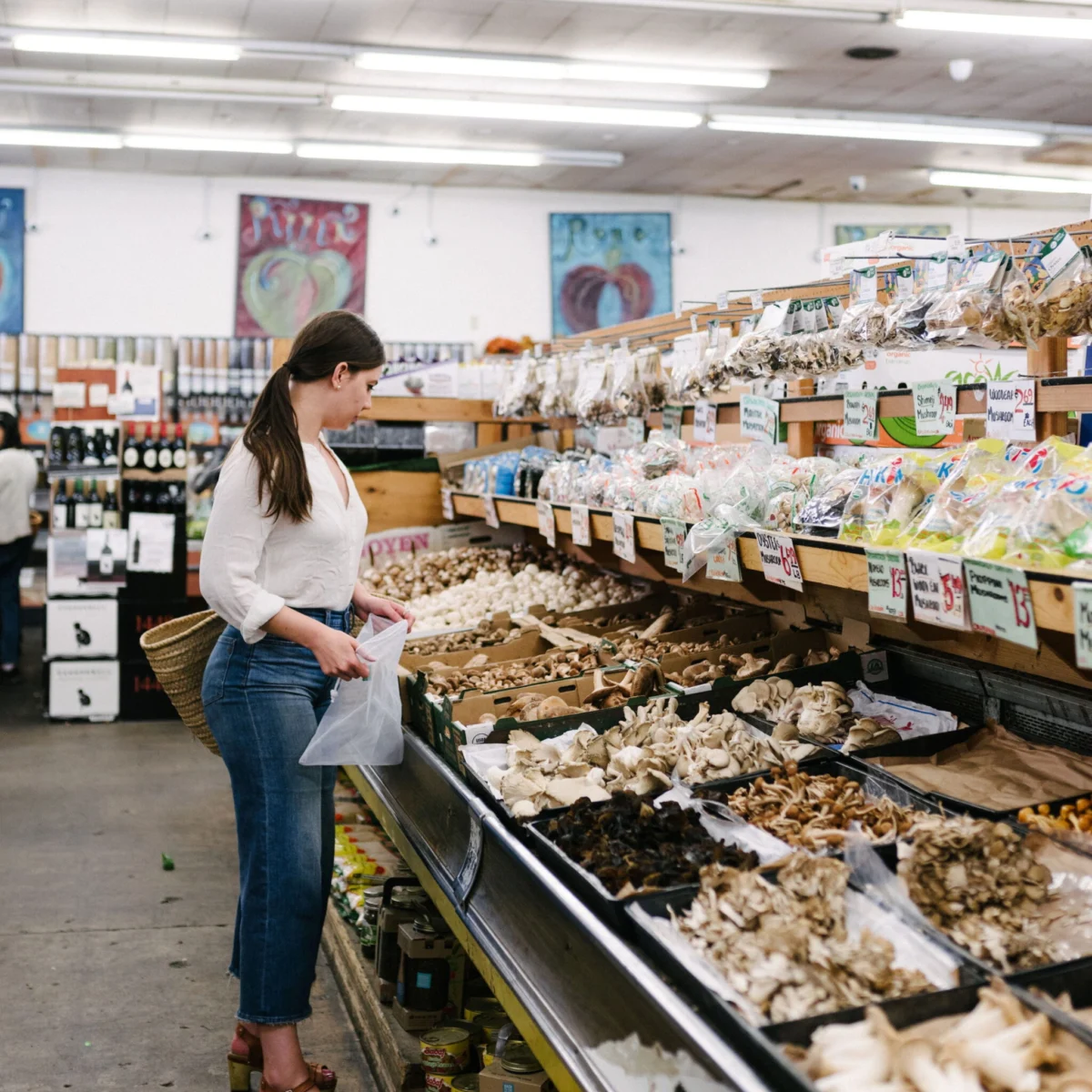
The physical layout of a grocery store is often designed to prioritize processed and packaged goods. Journalistic observation of retail trends shows that "naked" produce—items sold without any wrapping—is typically located on the perimeter of the store.
The Bulk Bin System
Refilleries and bulk sections allow consumers to fill their own containers with dry goods, spices, and grains. This system eliminates the need for multi-layered plastic packaging. Furthermore, it addresses the issue of over-purchasing; a consumer requiring only two tablespoons of a specific spice for a recipe can purchase exactly that amount, rather than a full plastic jar that may eventually expire and be discarded.
Prioritizing Materials
When bulk options are unavailable, the hierarchy of packaging materials becomes the secondary line of defense. Glass, metal, and cardboard are prioritized over plastic due to their higher recyclability rates and lower environmental toxicity. For instance, a glass jar of pickles can be infinitely recycled or upcycled for home storage, whereas a plastic pouch is often non-recyclable in municipal systems.
Post-Purchase Management: The Science of Food Preservation
The zero-waste journey continues in the home kitchen, where improper storage remains the leading cause of premature food spoilage. Understanding the biological requirements of different produce types is essential for extending shelf life.
Hydration and Temperature Control
Certain vegetables, such as carrots and celery, benefit from being submerged in water in the refrigerator to maintain cellular turgidity. Conversely, berries should remain unwashed and stored in airtight containers until immediately before consumption to prevent mold growth.
Strategic Fridge Organization
The internal temperature of a refrigerator is not uniform. The door is the warmest area and should be reserved for shelf-stable condiments. Crisper drawers are designed to regulate humidity; high-humidity drawers are suitable for greens that wilt, while low-humidity drawers are intended for fruits that emit ethylene gas. Separating these categories prevents the accelerated ripening and subsequent rotting of sensitive vegetables.
Institutional and Corporate Responses to Waste
The burden of waste reduction does not rest solely on the consumer. In recent years, there has been a notable shift in corporate social responsibility (CSR) regarding food waste. Major retail chains have begun to re-evaluate "beauty standards" for produce. Historically, grocery stores discarded up to 15 percent of produce before it reached the shelves simply because of irregular shapes or minor blemishes.
In response to consumer pressure and legislative movements, such as the EU’s Circular Economy Action Plan, some retailers have introduced "ugly produce" programs, selling misshapen fruits and vegetables at a significant discount. Additionally, the rise of subscription services like Misfits Market and Imperfect Foods has created a secondary market for produce that would otherwise contribute to the methane emissions of landfills.
The Final Tier: Composting and Upcycling
Even with meticulous planning, organic byproducts such as peels, stems, and shells are inevitable. In a zero-waste framework, these are viewed as resources rather than trash.

Culinary Upcycling
Many parts of the plant typically discarded are edible and nutritious. Carrot tops can be processed into pesto, strawberry tops can infuse water or syrups, and vegetable peels can be frozen to create nutrient-dense stocks. This "scraptastic" approach to cooking maximizes the caloric and financial value of every purchase.
Composting Systems
For materials that cannot be consumed, composting is the necessary conclusion. Food waste in landfills undergoes anaerobic decomposition, which produces methane—a greenhouse gas significantly more potent than carbon dioxide. Composting allows for aerobic decomposition, returning nutrients to the soil.
- Curbside Programs: Many metropolitan areas now offer municipal organic waste collection.
- Backyard Tumblers: Suitable for households with outdoor space to manage fruit and vegetable scraps.
- Bokashi and Vermicomposting: Indoor-friendly options for urban residents, utilizing fermentation or worms to process waste efficiently.
Broader Environmental and Policy Implications
The individual act of zero-waste shopping contributes to a broader shift in the global supply chain. As consumer demand for plastic-free options grows, manufacturers are forced to innovate with biodegradable materials and circular packaging models.
International policy is also beginning to align with these consumer shifts. The United Nations Sustainable Development Goal 12.3 aims to halve per capita global food waste at the retail and consumer levels by 2030. Achieving this target requires a fundamental restructuring of how food is valued, transported, and consumed. By adopting a zero-waste methodology, consumers act as a catalyst for this systemic change, proving that the transition from a linear "take-make-waste" economy to a circular one is not only possible but economically advantageous.


