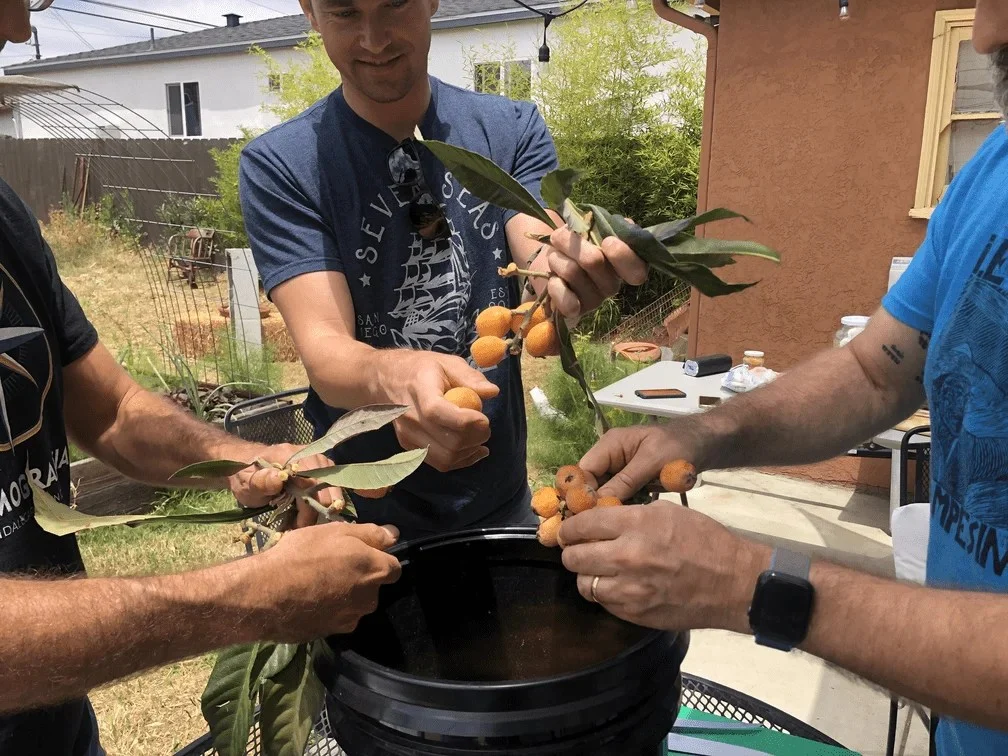
The annual springtime bounty of the loquat tree (Eriobotrya japonica), a fruit often overlooked in mainstream agriculture, presents both a challenge and a unique opportunity for home growers and culinary enthusiasts. This season, a 25-foot tall loquat tree in a private San Diego yard has once again yielded hundreds of pounds of its distinctive, pear-like fruit, prompting a proactive approach to food preservation that highlights the versatility of this subtropical treasure. The abundance underscores a broader movement towards sustainable food practices, urban foraging, and the revival of traditional preservation methods like fermentation, championed by figures such as Austin Durant, founder of the Fermenters Club.
The Loquat Phenomenon: A Springtime Delicacy
Each spring, typically from mid-March through mid-May, loquat trees burst forth with their characteristic fruit. Distinct from the kumquat, the loquat, native to southeastern China and Japan, has become a familiar sight in temperate and subtropical regions worldwide, including parts of California, Florida, the Mediterranean basin, and Australia. The fruit itself is small, round to oval, with a fuzzy, often apricot-blushed skin that resembles a miniature stone fruit. Inside, the succulent, tangy-sweet flesh encases one to five large, shiny brown seeds. Its flavor profile is a delicate balance, often described as a cross between an apricot, a plum, and a cherry, with floral undertones.
Beyond its delectable fruit, the loquat tree offers additional benefits. Its dense, evergreen foliage provides year-round carbon material, proving invaluable for compost piles, a practice that contributes to soil health and reduces waste in home gardening. Moreover, the leaves of Eriobotrya japonica possess documented medicinal properties. Traditionally, loquat leaves have been used in East Asian medicine for their anti-inflammatory, antioxidant, and anti-diabetic effects. Compounds such as triterpenes and flavonoids found in the leaves are believed to contribute to these benefits, making them a popular ingredient for herbal teas. This dual utility, offering both nutritional fruit and medicinal leaves, enhances the tree’s value far beyond a mere ornamental plant.
The Challenge of Abundance and Perishability
While the prolific nature of a mature loquat tree is a blessing, it also poses a significant logistical challenge. The fruit ripens rapidly and is highly perishable, with a relatively short window for optimal consumption or processing. Unlike hardier fruits that can withstand longer transit times or storage, loquats demand immediate attention once harvested. This characteristic often leads to substantial food waste if not managed effectively, a common predicament for backyard growers of abundant, ephemeral crops.
For many homeowners with such trees, the annual harvest becomes a rite of spring, involving the collection of dozens, if not hundreds, of pounds of this delicate fruit. The sheer volume necessitates creative and efficient preservation strategies to prevent spoilage and extend the enjoyment of the seasonal bounty throughout the year. Traditional methods like jam-making are popular, transforming the sweet-tart fruit into a spreadable delight. However, modern culinary trends and a renewed interest in gut health have propelled alternative preservation techniques, particularly fermentation, into the spotlight.
Fermentation: An Ancient Art, Modern Culinary Solution
Fermentation, an ancient biotechnological process that uses microorganisms to convert complex organic compounds into simpler ones, has experienced a significant resurgence in recent years. This method not only preserves food by inhibiting spoilage organisms but also enhances flavor, texture, and often, nutritional value. For perishable fruits like loquats, fermentation offers an innovative solution that moves beyond conventional canning or freezing.
The process typically involves submerging the fruit in a brine solution, allowing beneficial lactic acid bacteria (LAB) naturally present on the fruit’s surface or introduced through a starter culture to thrive. These bacteria metabolize sugars, producing lactic acid, which lowers the pH of the food, creating an acidic environment hostile to spoilage microbes. This method transforms the loquat into a probiotic-rich product with complex, nuanced flavors not achievable through cooking alone.
Crafting Loquat Chutney: A Fermented Culinary Innovation
One particularly inventive application of fermentation for loquats is the creation of a savory-sweet condiment akin to traditional Indian chutneys. Chutneys, originating from the Indian subcontinent, are typically a blend of fruits, vegetables, spices, and often a sweetener and acid, cooked down to a thick, flavorful preserve. Common varieties include mango, apple, or peach chutney, often served as an accompaniment to curries, cheeses, or grilled meats.
A fermented loquat chutney introduces a distinct dimension. Instead of relying solely on cooking to meld flavors and preserve the fruit, the fermentation process contributes a depth of umami, a slight tang, and a probiotic punch. This method leverages the loquat’s inherent sweet-tart profile, allowing it to shine alongside a carefully selected blend of spices—such as ginger, garlic, chili, mustard seeds, cumin, and coriander—and other complementary ingredients like onions or vinegar. The natural sugars in the loquat provide the fuel for the beneficial bacteria, resulting in a complex condiment that is both deeply flavorful and beneficial for gut health.
Austin Durant, an ardent proponent of fermentation and the founder of Fermenters Club, underscores the value of such preparations. "The unique balance of sweetness and acidity in loquats makes them ideal candidates for fermentation," Durant notes. "Unlike a traditional cooked chutney, a fermented version introduces a living element, enriching the flavor profile with probiotic benefits and a distinctive tang that truly elevates the fruit." This approach not only prevents food waste but also transforms a fleeting seasonal fruit into a year-round culinary staple, offering a versatile accompaniment for a wide array of dishes, from savory curries and roasted meats to simple cheese boards.
Expert Insights and the Broader Context
Austin Durant, a seasoned fermenter with 16 years of experience and author of "Fearless Fermenting," exemplifies the growing community dedicated to exploring and popularizing fermentation. His work through the Fermenters Club involves educating individuals on the art and science of fermenting various foods, promoting self-sufficiency, and fostering a deeper connection to food sources. His personal experience with the prolific loquat tree in his yard serves as a microcosm of larger food system challenges and opportunities.
The practice of utilizing backyard fruit, often referred to as urban foraging or gleaning, is gaining traction as part of a broader movement toward local, sustainable food systems. Organizations and individuals are increasingly seeking ways to harvest and process overlooked or excess produce from urban landscapes, reducing food waste and fostering community resilience. This approach minimizes food miles, supports local biodiversity, and encourages a deeper understanding of seasonal eating.
Moreover, the increasing scientific understanding of the human microbiome has propelled fermented foods into the health and wellness spotlight. Probiotic-rich foods are now recognized for their potential to support digestive health, boost immunity, and even influence mood. Fermented loquat chutney, therefore, is not merely a delicious condiment but also a functional food that aligns with contemporary health-conscious dietary trends.
Implications for Food Sustainability and Culinary Innovation
The story of the abundant loquat harvest and its transformation into a fermented chutney represents more than just a personal culinary endeavor; it highlights significant trends in food sustainability and innovation. By embracing methods like fermentation, individuals and communities can effectively manage seasonal gluts, reduce food waste, and create value-added products that are both healthy and delicious.
The proliferation of loquat trees in urban and suburban environments presents an underutilized resource. Educating the public on the versatility of this fruit, from fresh consumption to jams, teas, and fermented chutneys, could significantly contribute to local food security and reduce the environmental footprint associated with food production and distribution. Furthermore, the emphasis on fermentation encourages a return to traditional foodways while integrating modern scientific understanding of nutrition and health.
As the spring harvest season for loquats continues, the example set by resourceful growers like Austin Durant serves as an inspiring blueprint. It demonstrates that with creativity and a commitment to sustainable practices, even the most overwhelming abundance can be transformed into a cherished and valuable culinary asset, enriching both our palates and our planet. The humble loquat, once a fleeting delight, is now poised to become a symbol of culinary ingenuity and sustainable living through the transformative power of fermentation.