
The United States is currently facing a dual crisis of economic loss and environmental degradation driven by unprecedented levels of food waste. According to data from the Environmental Protection Agency (EPA) and the United States Department of Agriculture (USDA), approximately 40 percent of the U.S. food supply is discarded annually. For the average American household, this inefficiency translates to a financial loss of approximately $2,913 per year. Beyond the financial implications, food waste is the single most common material found in municipal landfills, where its decomposition contributes significantly to methane emissions, a potent greenhouse gas.
Expert analysis suggests that a primary driver of this waste is improper storage at the consumer level. Many households rely on default packaging—often plastic—which can inadvertently accelerate the decomposition process. Furthermore, a lack of understanding regarding refrigerator thermodynamics and the physiological requirements of different produce varieties leads to premature spoilage. As global supply chains face increasing pressure and grocery costs continue to rise, the adoption of scientifically backed food preservation techniques has become a matter of both fiscal responsibility and environmental necessity.
The Economic and Environmental Chronology of Food Waste
The trajectory of food waste in the United States has shifted dramatically over the last half-century. In the mid-20th century, food preservation was largely dictated by seasonal availability and traditional methods such as canning, pickling, and root cellaring. However, the rise of the modern supermarket in the 1960s and 1970s introduced a paradigm of constant abundance and the proliferation of single-use plastic packaging.
By the early 2000s, the "throwaway culture" had matured, with food waste figures climbing steadily. In 2015, the USDA and EPA announced the first-ever domestic goal to reduce food waste by 50 percent by the year 2030. Despite these federal initiatives, recent reports indicate that progress has been slow. The persistence of plastic packaging remains a significant hurdle; while designed for transport efficiency, plastic often traps moisture and ethylene gas, which triggers rapid ripening and subsequent rot in fresh produce.
The Science of Spoilage: Why Storage Methods Matter
To understand proper storage, one must understand the biological processes of produce. Fruits and vegetables are living organisms that continue to respire after harvest. The rate of respiration—the process of breaking down stored organic materials—is a key factor in shelf life.
A significant factor in this process is ethylene gas, a natural plant hormone that regulates ripening. Certain items, such as apples and bananas, are high ethylene producers, while others, like leafy greens, are highly sensitive to it. When stored together in unventilated plastic bags, the concentration of ethylene increases, leading to a "domino effect" of spoilage.
Furthermore, the transition away from plastic is increasingly motivated by health concerns. Research into endocrine disruptors has highlighted the potential for chemicals in certain plastics to leach into food, particularly when stored for extended periods or subjected to temperature fluctuations. Consequently, the shift toward inert materials like glass, stainless steel, and natural fibers is viewed by public health experts as a proactive measure for long-term wellness.
Technical Guidelines for Produce Preservation
Achieving maximum longevity for fresh food requires a differentiated approach based on the specific physiological needs of the item. Professional chefs and agricultural scientists recommend the following protocols for common household staples:
Leafy Greens and Herbs
Leafy greens are highly susceptible to moisture loss and bruising. The most effective method for preserving greens involves washing, thorough drying, and storage in a breathable environment. Utilizing unbleached cotton bags, often referred to as "swag bags," allows for moisture regulation. When these bags are slightly dampened, they create a humid environment that prevents the greens from wilting while still allowing the produce to "breathe," preventing the slimy decomposition common in plastic bags.
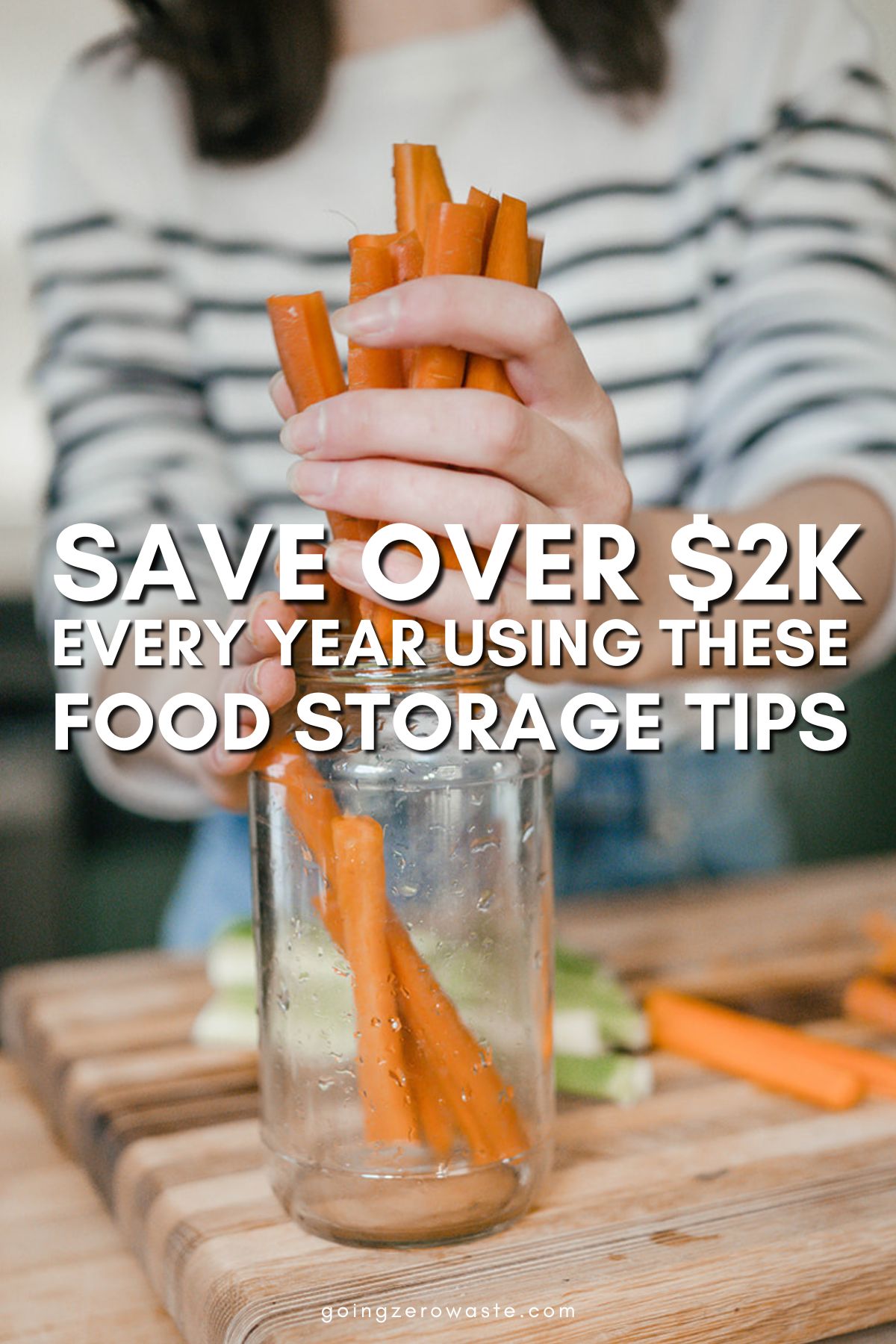
For soft herbs like cilantro, parsley, and basil, the "bouquet method" is recommended. This involves trimming the stems and placing them in a jar with an inch of water, similar to fresh flowers. Except for basil, which is cold-sensitive and should remain on the counter, these jars should be stored in the refrigerator to maintain crispness for up to two weeks.
Root Vegetables and Alliums
Potatoes, onions, and garlic require cool, dark, and dry conditions. Crucially, potatoes and onions should never be stored together. Onions emit gases that cause potatoes to sprout prematurely. These items should be removed from plastic mesh or solid bags and placed in breathable bins or baskets in a pantry environment.
Berries and Thin-Skinned Fruits
Berries are among the most perishable items in the kitchen. They should not be washed until immediately before consumption, as excess moisture encourages mold growth. Storing berries in glass jars or vented containers in the refrigerator can extend their life from a few days to over a week.
Analysis of Sustainable Storage Materials
The market for food storage has seen a resurgence in traditional materials, supplemented by modern innovations in silicone and beeswax. Each material offers specific benefits for different food types.
Glass and Borosilicate Containers
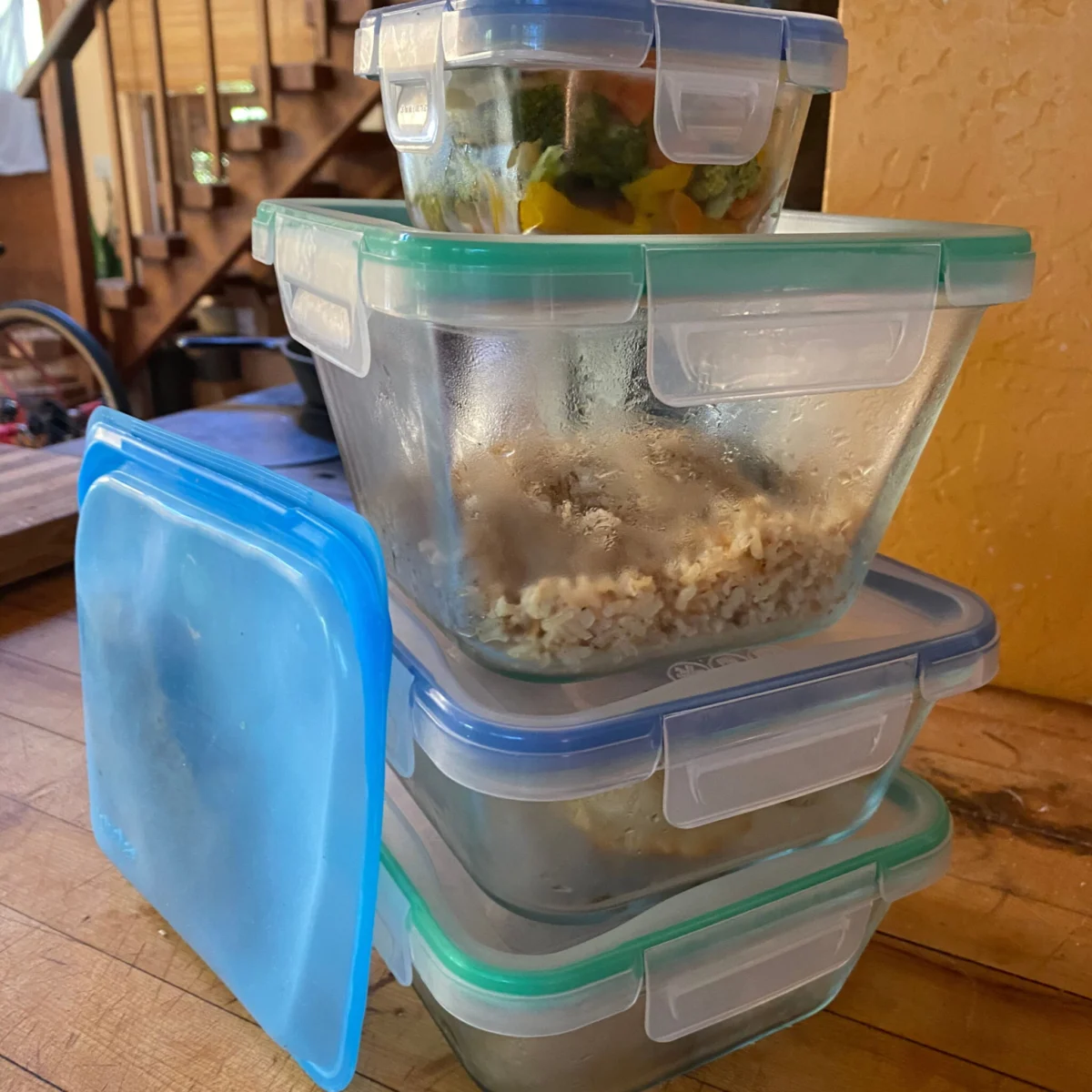
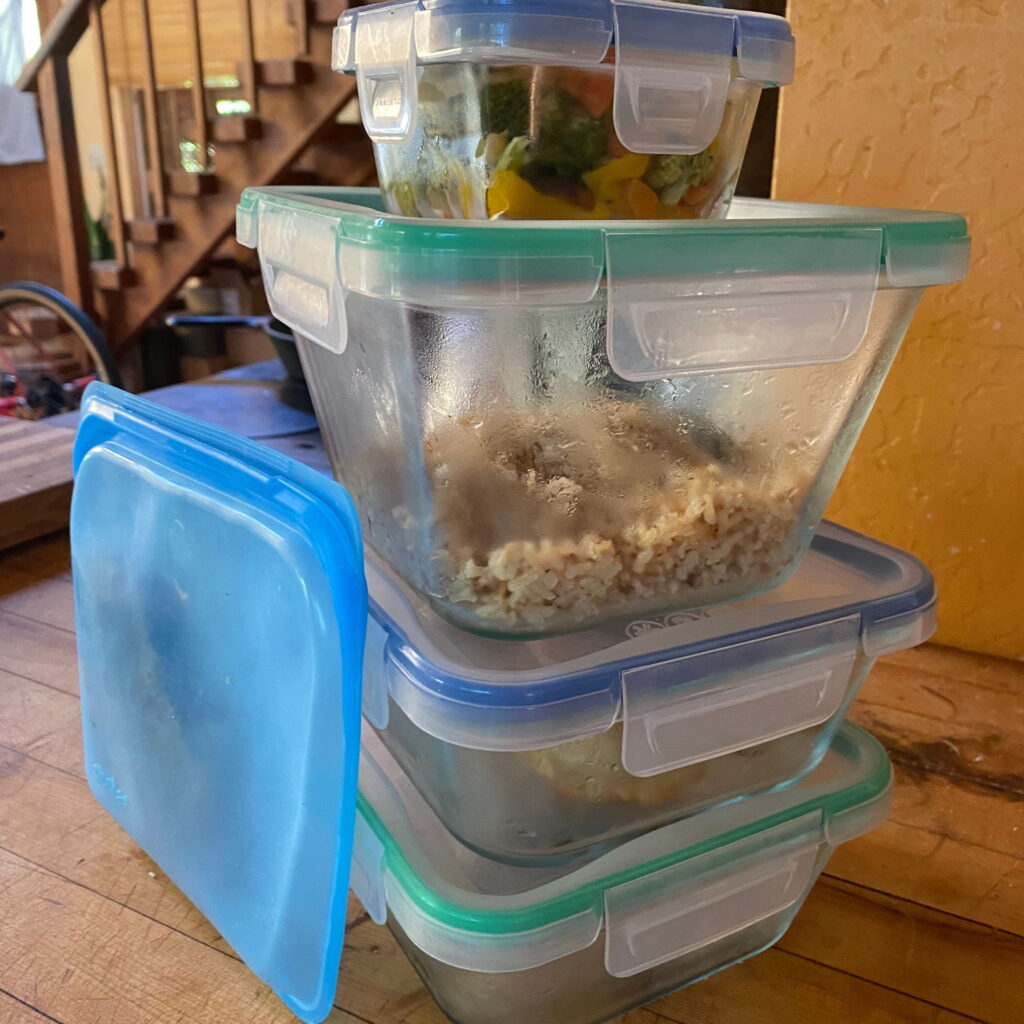
Glass remains the gold standard for food safety and durability. Non-porous and inert, it does not absorb odors or leach chemicals. High-quality borosilicate glass is particularly valued for its ability to withstand thermal shock, allowing it to move from the freezer to the oven safely. Upcycling glass jars from consumer products like sauces and preserves is an economically efficient way to implement this strategy.
Silicone Preservation Systems
Food-grade silicone, popularized by brands such as Stasher, offers a flexible, airtight alternative to single-use plastic bags. Unlike plastic, silicone is a stable polymer that does not react with food or emit fumes at high temperatures. These containers are particularly effective for freezing liquids, marinating proteins, and "snack-prep" organization.
Beeswax Wraps and Natural Fibers
For items like cheese, bread, and partial produce (such as half an avocado), beeswax wraps provide a compostable alternative to plastic film. These wraps, made from organic cotton infused with beeswax, resin, and plant oils, are slightly porous, allowing food to stay fresh without trapping the moisture that leads to mold.
Stainless Steel and Metal Tiffins
For transport and dry storage, stainless steel "tiffins" or bento boxes are favored for their durability and light weight. While not always leak-proof unless fitted with a silicone gasket, they are ideal for non-liquid leftovers and pantry organization.
Thermodynamic Optimization: Refrigerator Organization
A critical yet often overlooked component of food preservation is the internal geography of the refrigerator. Modern appliances are designed with specific temperature zones that consumers must utilize correctly to prevent spoilage.
- The Fridge Door: This is the area most exposed to ambient air and temperature fluctuations. It should be reserved for stable items such as condiments, shelf-stable juices, and carbonated beverages. Dairy and eggs should never be stored in the door.
- The Top Shelves: These shelves maintain the most consistent temperature. They are ideal for "ready-to-eat" items, including leftovers, deli meats, and prepared snacks.
- The Bottom Shelves: As the coldest part of the unit, the bottom shelves are designated for raw proteins (meat and fish) and dairy. This placement also prevents potential cross-contamination from drips.
- Crisper Drawers: Most refrigerators feature dual drawers with humidity controls. High-humidity settings are intended for thin-skinned vegetables and wilting-prone greens. Low-humidity settings are designed for ethylene-emitting fruits like apples, pears, and stone fruits. Overfilling these drawers restricts airflow and should be avoided.
Broader Implications: Global Food Security and Climate Goals
The individual effort to store food properly is a micro-solution to a macro-problem. On a global scale, if food waste were a country, it would be the third-largest emitter of greenhouse gases in the world, trailing only the United States and China.
Policy experts at ReFED, a national nonprofit dedicated to ending food loss and waste, argue that consumer education is a linchpin in the circular economy. "Reducing food waste at the household level is one of the most effective ways to reduce our carbon footprint while simultaneously improving household financial resilience," the organization stated in a recent impact report.
Furthermore, as the global population is projected to reach nearly 10 billion by 2050, the pressure on agricultural systems will intensify. Reducing the 40 percent loss currently occurring in the supply chain—much of it at the retail and consumer level—could theoretically provide enough calories to close the global food gap without increasing agricultural land use.
In conclusion, the transition toward intentional, plastic-free food storage is more than a lifestyle trend; it is a critical adjustment to modern consumption patterns. By understanding the science of produce respiration, utilizing inert materials, and optimizing refrigerator thermodynamics, consumers can significantly reduce their environmental impact while securing substantial annual savings. As the 2030 federal waste reduction deadline approaches, the integration of these practices into daily life remains a vital component of national sustainability efforts.


