
The global food system faces a dual crisis of economic volatility and environmental degradation, with household food waste emerging as a primary contributor to both issues. According to data from the United Nations Environment Programme (UNEP), approximately 17% of total global food production is wasted, with the majority of this waste occurring at the household level. In response to these challenges, sustainable living advocates and nutritional experts are increasingly highlighting structured meal planning and preparation as essential tools for modern domestic management. By transitioning from impulsive purchasing to an ingredient-focused, systematic approach, consumers can significantly reduce their environmental footprint while mitigating the impact of rising grocery costs.
The Structural Distinction Between Meal Planning and Meal Prepping
To implement an effective household food strategy, it is necessary to distinguish between the two fundamental pillars of the system: meal planning and meal prepping. While often used interchangeably in casual discourse, they represent distinct stages of the culinary workflow.
Meal planning is the strategic phase. It involves the conceptualization of a nutritional roadmap for a specific timeframe—typically one week. This process encompasses selecting recipes, auditing existing inventory in the refrigerator and pantry, and generating a targeted procurement list. Effective planning considers breakfast, lunch, dinner, and snacks, ensuring that every item purchased has a designated purpose.

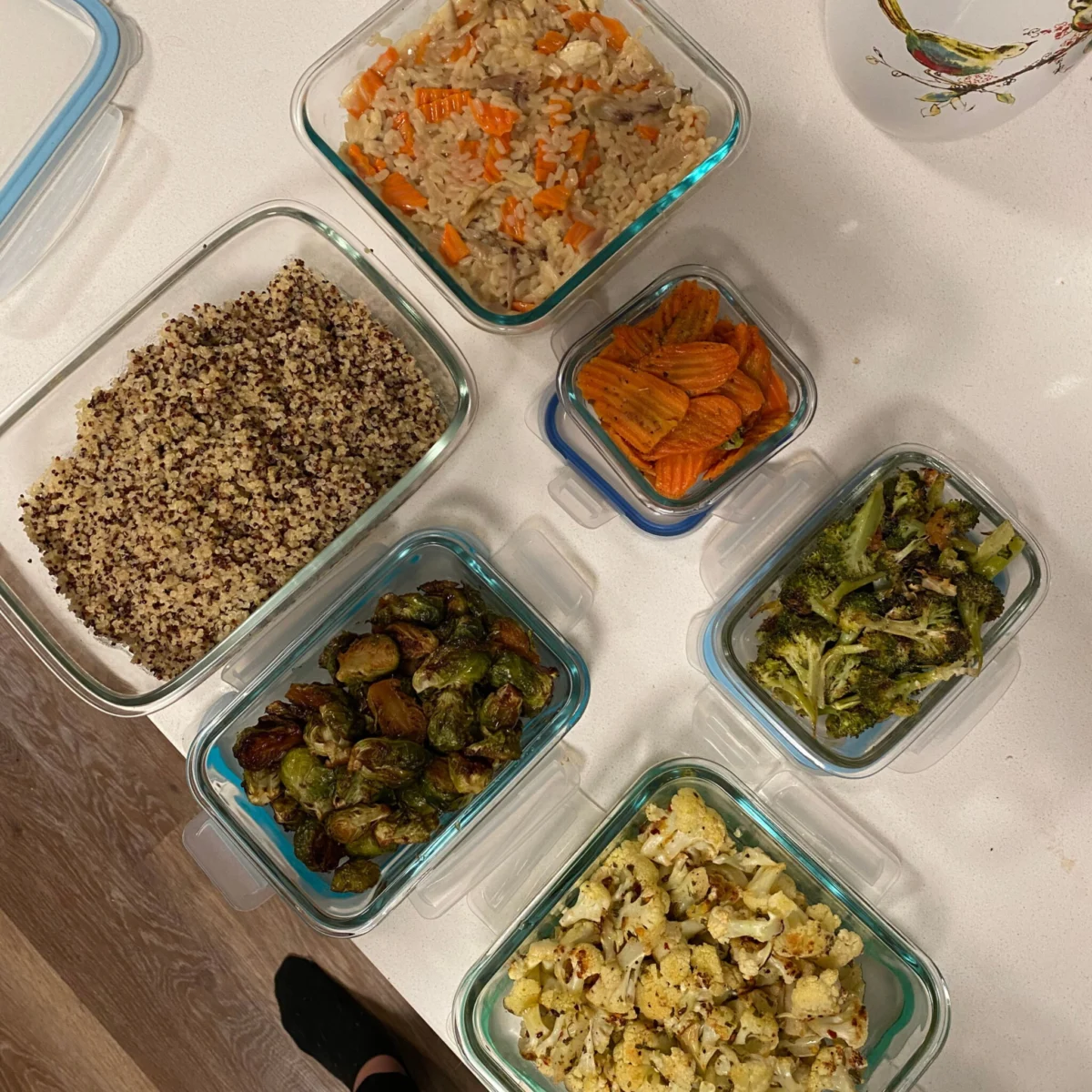
Meal prepping, conversely, is the execution phase. This involves the physical preparation of ingredients or full dishes in advance of their consumption. This may range from "component prepping"—washing, chopping, and storing individual vegetables or grains—to "batch cooking," where entire meals are prepared and portioned for the week ahead. While meal planning is a prerequisite for efficient prepping, it is possible to plan without prepping; however, the integration of both maximizes time efficiency and waste reduction.
Economic and Environmental Drivers of Systematic Planning
The shift toward structured meal systems is driven by significant macroeconomic factors. In the United States, the Department of Agriculture (USDA) reports that food prices have seen historic inflationary pressures over the last several years, making household budgetary discipline more critical than ever. Research indicates that consumers who utilize a shopping list and a meal plan can reduce "impulse buys" by up to 20%, leading to substantial annual savings.
From an environmental perspective, food waste in landfills is a major source of methane, a greenhouse gas significantly more potent than carbon dioxide. When food is discarded, the resources used in its production—including water, energy, and labor—are also lost. Reducing household waste through better planning is identified by Project Drawdown as one of the most effective individual actions for climate change mitigation. Furthermore, systematic planning allows for the reduction of single-use plastic packaging, as consumers can buy in bulk and utilize reusable storage containers.
A Chronological Approach to Weekly Meal Management
The success of a meal planning system relies on a consistent weekly lifecycle. Sustainability experts suggest a structured chronology to maintain the habit and ensure peak efficiency.

Phase 1: The Inventory Audit and Recipe Selection
Before any procurement occurs, a thorough audit of the "pantry-fridge-freezer" ecosystem is required. This "shop your kitchen" phase prevents the redundant purchase of items already in stock. Following the audit, a master list of familiar, family-favorite recipes serves as the foundation. Professional organizers recommend maintaining a digital or physical database of "reliable" meals—those that are easy to cook and well-received—to reduce the cognitive load of decision-making.
Phase 2: Strategic Calendar Alignment
A critical failure point in many meal plans is a lack of realism regarding the upcoming week’s schedule. An effective plan must account for professional obligations, social events, and energy levels. For instance, a night involving a late work meeting should be paired with a "quick-prep" meal or leftovers, rather than a labor-intensive new recipe. Weather patterns also influence success; warmer days may favor lighter, uncooked preparations like salads, while colder forecasts align better with slow-cooked stews or soups.
Phase 3: Targeted Procurement
Grocery shopping should ideally occur on a set day each week to establish a routine. The resulting shopping list should be organized by grocery store department (produce, proteins, pantry staples) to minimize time spent in-store and reduce the likelihood of wandering into aisles containing non-essential items.
Phase 4: The Preparation Window
Dedicating a two-to-three-hour window, often on a Sunday or a day off, to ingredient preparation can drastically reduce the barrier to cooking during the work week. This phase focuses on high-utility tasks: washing and drying leafy greens, dicing aromatics like onions and garlic, and preparing grains or proteins that require long cooking times.

The Philosophy of Ingredient-First Planning
A common pitfall in meal planning is the "rigid menu" trap, where specific dishes are assigned to specific days (e.g., Lasagna Tuesday). This often fails because it does not account for shifting appetites or unexpected schedule changes. A more resilient approach is "ingredient-focused" planning.
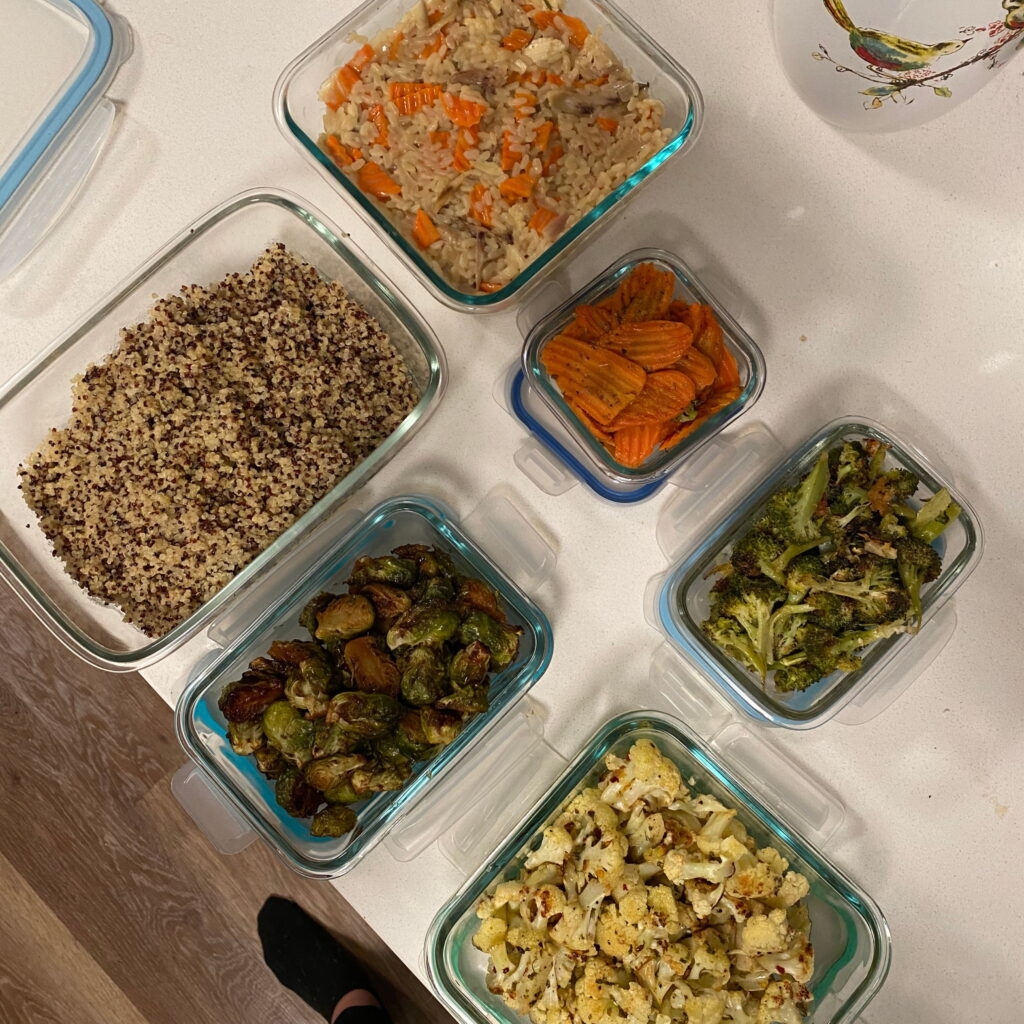
By prepping versatile components rather than rigid meals, a household maintains "culinary flexibility." For example, roasted sweet potatoes, quinoa, and washed kale can be transformed into a grain bowl, a stir-fry, or a side dish depending on the user’s preference at the moment of consumption. This flexibility ensures that prepared food is actually eaten rather than discarded in favor of takeout when a specific planned meal no longer feels appealing.
Maximizing Value Through Seasonal and Local Sourcing
Integrating seasonality into a meal planning system offers both nutritional and financial advantages. Produce purchased in-season is generally more abundant and therefore less expensive. Furthermore, seasonal items often possess a higher nutrient density and a smaller carbon footprint, as they require less long-distance transportation.
Advocates for sustainable food systems frequently recommend Community Supported Agriculture (CSA) boxes or local farmers’ markets. These sources provide ultra-fresh produce that often lasts longer in home storage than supermarket equivalents, which may have spent weeks in a global supply chain. When planning around a CSA box, the "reverse planning" method is used: the ingredients provided by the farmer dictate the week’s menu, rather than a predetermined recipe.
Zero-Waste Culinary Techniques and Scrap Utilization
A sophisticated meal planning system extends beyond the consumption of the primary meal to the management of food "byproducts." Professional chefs often employ a "root-to-stem" philosophy that can be replicated at home to further reduce waste.
- Stock Production: Vegetable ends, onion skins, and herb stems can be collected in a freezer container. Once full, these scraps can be simmered to create a nutrient-rich vegetable stock, eliminating the need for store-bought cartons.
- Repurposing Stale Goods: Hardened bread can be converted into croutons or bread pudding, while wilting greens can be blended into pestos or smoothies.
- Preservation: If the audit reveals that certain ingredients will not be used before they expire, preservation techniques such as pickling, dehydrating, or freezing should be employed.
Psychological and Health Implications
The benefits of a structured meal system extend into the realm of mental health and physical well-being. "Decision fatigue" is a documented psychological phenomenon where the quality of choices deteriorates after a long day of making decisions. By pre-determining meals, individuals remove the stressful 5:00 PM question of "what’s for dinner," which frequently leads to nutritionally poor fast-food choices.
From a nutritional standpoint, home-prepared meals typically contain lower levels of sodium, refined sugars, and saturated fats compared to processed or restaurant foods. A systematic plan allows for better macronutrient balancing—ensuring each meal contains a deliberate mix of fiber, protein, carbohydrates, and healthy fats—which contributes to sustained energy levels and long-term health outcomes.
Analysis of Common Implementation Barriers
Despite the clear benefits, many households struggle to maintain a meal planning routine. Analysis suggests several common barriers:

- Over-ambition: Attempting to cook five new, complex recipes in a single week often leads to burnout. Experts recommend a "70/30" rule: 70% familiar meals and 30% new experiments.
- Improper Storage: Investing in high-quality, airtight glass containers is essential. Poor storage leads to premature spoilage, defeating the purpose of the preparation.
- Lack of Variety: Repeating the same meal too often can lead to "palate fatigue." Successful planners rotate their protein sources and flavor profiles (e.g., switching between Mediterranean, Asian, and Latin-inspired seasonings) to maintain interest.
Conclusion: The Broader Impact of Domestic Efficiency
As the global community seeks to address food security and environmental sustainability, the importance of the individual household’s contribution cannot be overstated. A weekly meal planning system is more than a personal convenience; it is a micro-economic strategy and a form of environmental activism. By adopting an ingredient-first, systematic approach to food management, consumers reclaim control over their health, their finances, and their impact on the planet. The transition from a reactive to a proactive culinary lifestyle represents a fundamental shift toward a more circular and responsible economy.


