
Recent data released by the United States Department of Agriculture (USDA) indicates that the average American couple now allocates approximately $800 per month toward grocery expenses, a figure that translates to roughly $200 per week. As inflationary pressures continue to impact global supply chains and domestic production costs, financial analysts and government agencies are projecting further strain on household budgets. The USDA’s Food Price Outlook predicts that by 2026, prices for all food categories are expected to rise by an additional 3.6 percent. In response to these economic shifts, a growing movement of consumers is adopting "low-waste, plant-forward" dietary habits to significantly undercut national spending averages, with some households reporting monthly expenditures as low as $300 for two people.
This shift in consumer behavior is not merely a reaction to temporary inflation but a structural change in how households manage food procurement, preparation, and waste. By leveraging bulk purchasing, DIY production of kitchen staples, and strategic seasonal shopping, consumers are demonstrating that it is possible to maintain a nutrient-dense diet at a fraction of the cost estimated by federal averages.
Economic Context and the Trajectory of Food Inflation
To understand the necessity of modern grocery budgeting, one must examine the chronology of food pricing over the last several years. Following the global disruptions of 2020 and 2021, the Consumer Price Index (CPI) for food at home saw historic increases. While the pace of inflation has moderated from its 2022 peak, the "sticky" nature of food prices means that the cost of living remains elevated. The projected 3.6 percent increase for 2026 suggests that the compounding effect of annual price hikes will continue to outpace wage growth for many demographic sectors.
Market analysts suggest that the rise in prices is driven by a trifecta of factors: increased labor costs in the manufacturing sector, higher transportation expenses due to fuel volatility, and climate-related impacts on agricultural yields. For instance, the cost of producing hothouse tomatoes in the winter involves significant energy expenditures for heating and artificial lighting, costs that are invariably passed on to the consumer. Consequently, the financial gap between those who shop conventionally and those who shop strategically is widening.
The Methodology of Cash-Based Grocery Budgeting
Financial advisors often point to "behavioral economics" when discussing grocery spending. One of the most effective strategies reported for maintaining a $300-per-month budget is the transition from digital transactions to a physical cash-limit system. By designating a specific amount of cash for weekly grocery trips, consumers create a hard ceiling on spending that credit cards often obscure.
A systematic approach to this budget involves categorizing expenditures before entering a retail environment. A sample breakdown for a $100-per-week budget for a two-person household might include:
- Produce (Fresh/Frozen): $30.00
- Grains and Bulk Dry Goods: $20.00
- Proteins (Plant-based or inexpensive cuts): $25.00
- Dairy or Alternatives: $15.00
- Pantry Staples and Miscellaneous: $10.00
This structured allocation allows for flexibility based on seasonal availability. During peak harvest months in the summer and fall, consumers may shift more funds toward farmers’ markets to take advantage of the abundance of lower-priced, in-season produce, while relying on pantry reserves of grains and legumes during the winter months.
Procurement Strategies: Bulk Buying and Sourcing
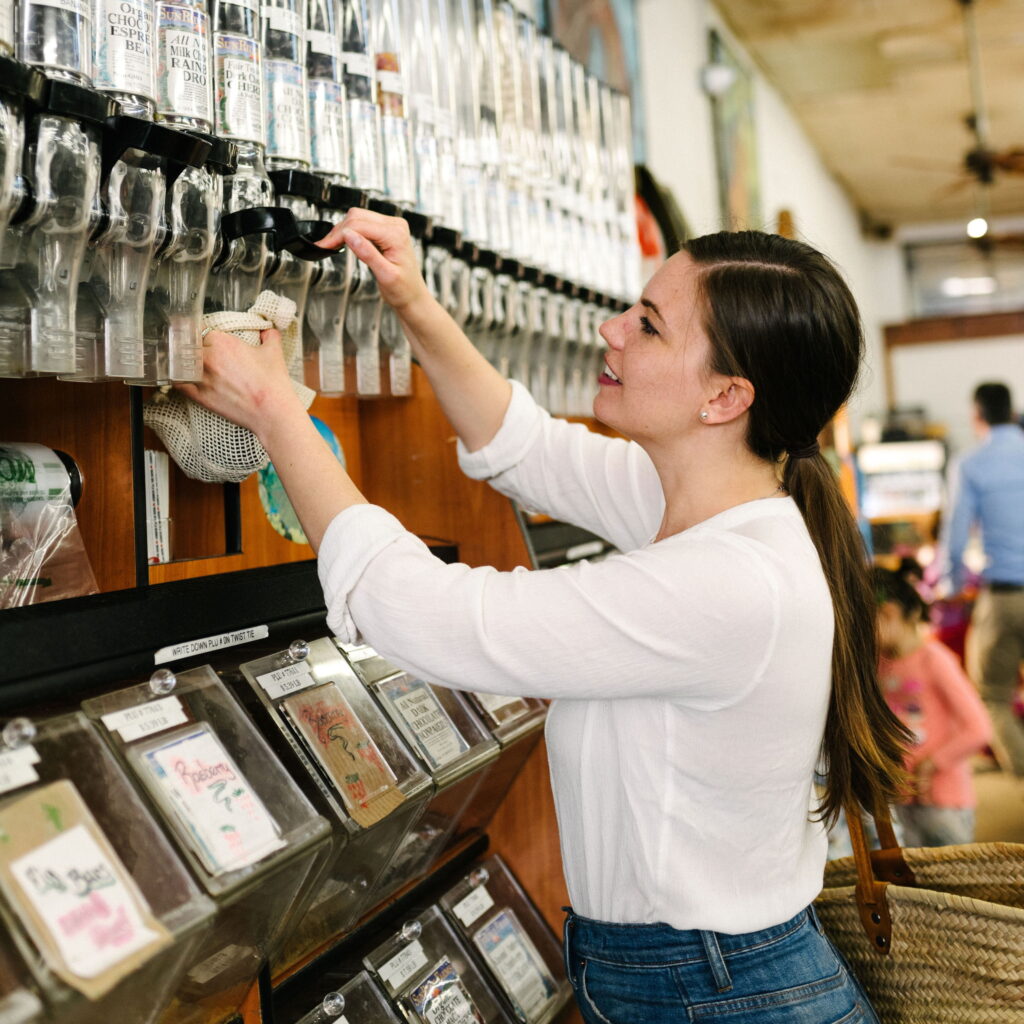
The logistics of where one shops are as critical as the budget itself. Data indicates that purchasing spices, grains, and legumes from bulk bins or warehouse clubs like Costco can result in savings of 40 to 70 percent compared to pre-packaged retail units.
A primary example of cost-efficiency is the transition from canned to dry legumes. While a can of beans offers convenience, the cost per serving is significantly higher due to the inclusion of water weight, canning materials, and the labor associated with processing. By purchasing dry beans in bulk and preparing them in large batches to be frozen, a household can achieve the same level of convenience at less than half the price.
Furthermore, the "labor-cost" factor in food processing is a major contributor to high grocery bills. Retailers often charge a premium for "convenience services," such as pre-shredded cheese or deboned poultry. Journalistic investigations into retail pricing show that shredded cheese is frequently 15 to 20 percent more expensive per ounce than block cheese. Similarly, buying "bone-in, skin-on" meat cuts allows the consumer to avoid paying for the professional butchery required for boneless alternatives.
The DIY Revolution: Producing Kitchen Staples at Home
As grocery prices rise, there has been a resurgence in the use of home appliances such as breadmakers, slow cookers, and pressure cookers. Many of these tools are being sourced through community-based "Buy Nothing" groups—neighborhood networks where residents gift underused items to one another—thereby reducing the initial capital investment required for home production.
The economic impact of home baking is substantial. In urban centers, a loaf of artisanal sourdough can cost upwards of $7.00. For a household consuming two loaves per week, the annual expenditure reaches approximately $728. Conversely, the raw ingredients for a standard loaf (flour, yeast, salt, and water) cost pennies.
Beyond bread, consumers are increasingly making their own vegetable stocks from kitchen scraps, fermenting their own vinegars, and blending their own nut butters. Even specialized items like powdered sugar or oat flour can be produced in seconds using a standard blender, eliminating the need to purchase multiple specialized products. This "versatile pantry" approach ensures that a single base ingredient, such as granulated sugar or whole oats, can fulfill multiple roles in the kitchen.
Technology and the "Imperfect" Produce Movement
The digital landscape has introduced new tools for the budget-conscious consumer. Apps like "Too Good To Go" have created a marketplace for surplus food, allowing users to purchase "surprise bags" from local bakeries, cafes, and grocers at a third of the retail price. This not only provides low-cost nutrition but also addresses the systemic issue of food waste.
Simultaneously, the rise of "imperfect" produce retailers has challenged traditional grocery store beauty standards. Approximately 20 to 30 percent of agricultural produce is discarded because it does not meet strict aesthetic criteria for size, shape, or color. Companies that rescue this produce and sell it at a discount offer a viable pathway for families to access fresh fruits and vegetables at reduced rates. While these items may occasionally arrive in plastic packaging, environmental analysts argue that the carbon offset of preventing food from entering landfills outweighs the impact of the packaging.
Nutritional Implications of a Plant-Forward Diet
The shift toward a $300-a-month budget often necessitates a move toward plant-forward eating. From a nutritional and economic standpoint, plant-based proteins like lentils, chickpeas, and black beans provide the highest "bang for the buck." These staples are high in fiber and protein while being shelf-stable for years.
This dietary shift aligns with findings from "Blue Zones"—regions of the world where populations live statistically longer lives. Common denominators in these regions include a high intake of legumes and whole grains and a minimal reliance on expensive processed meats. By focusing on these low-cost staples, consumers are not only stabilizing their finances but are potentially improving long-term health outcomes, which can lead to further savings in healthcare costs over time.
Analysis of Broader Societal Impact
The move toward aggressive grocery budgeting reflects a broader trend of "conscious consumption." As the USDA’s 2026 projections loom, the ability of the average household to adapt will depend on their willingness to move away from the "convenience economy."
Economists suggest that if a significant portion of the population shifts toward bulk buying and DIY production, traditional retailers may be forced to adjust their pricing strategies or increase their offerings of bulk and "ugly" produce to remain competitive. However, the immediate impact remains at the household level. For a couple spending $800 a month, reducing that figure to $300 yields a savings of $6,000 per year—funds that can be redirected toward housing, education, or retirement savings.
Conclusion and Future Outlook
The current trajectory of food pricing in the United States presents a significant challenge to household stability. However, the data demonstrates that through strategic planning, community resource sharing, and a return to fundamental cooking practices, the impact of inflation can be mitigated. The transition from a passive consumer to an active producer and strategic shopper is no longer just a lifestyle choice for the environmentally conscious; it is becoming a financial necessity for the modern American household. As 2026 approaches, the lessons learned from the "zero-waste" and "low-budget" movements will likely serve as a blueprint for broader economic resilience.


