
The global challenge of food waste and rising grocery costs has catalyzed a shift in household management, positioning systematic meal planning and ingredient preparation as essential strategies for modern consumers. As inflationary pressures impact food security and environmental concerns regarding single-use plastics mount, the adoption of a structured approach to food procurement and consumption has transitioned from a niche lifestyle choice to a necessary economic and ecological practice. Research indicates that meal planning serves as a primary mechanism to reduce both packaging waste and organic food waste by fostering intentionality in purchasing. By actively curating a weekly menu rather than engaging in impulse buying, consumers can significantly lower their monthly expenditures while contributing to broader sustainability goals.
The Distinction Between Planning and Prepping in Modern Domesticity
To optimize kitchen efficiency, it is critical to distinguish between meal planning and meal prepping, as these two functions serve different roles in the domestic supply chain. Meal planning is the cognitive and administrative act of forecasting nutritional requirements for a set period, typically a week. This process encompasses the selection of recipes for breakfast, lunch, dinner, and supplemental snacks. Conversely, meal prepping is the physical execution of that plan, involving the advanced cooking or processing of ingredients to streamline meal assembly during the workweek.
While meal prepping is often viewed as a prerequisite for success, it is not strictly necessary for effective meal planning. However, the integration of both practices maximizes the reduction of waste. For instance, a household may plan to consume a vegetable-based soup; knowing the exact volume of ingredients required allows for a precise grocery budget. Furthermore, this foresight enables the utilization of existing inventory, ensuring that items already present in the refrigerator are consumed before they reach their expiration threshold.

Economic Context and the Imperative of Food Waste Reduction
The necessity of these systems is underscored by staggering global statistics. According to the Food and Agriculture Organization (FAO) of the United Nations, approximately one-third of all food produced for human consumption—roughly 1.3 billion tons—is lost or wasted annually. In the United States, the Environmental Protection Agency (EPA) estimates that food waste occupies the largest share of municipal landfills, where its decomposition contributes significantly to methane emissions, a potent greenhouse gas.
From a fiscal perspective, the Bureau of Labor Statistics’ Consumer Price Index (CPI) has consistently shown fluctuations in food-at-home prices, making budgeting a priority for many families. Reports from consumer advocacy groups suggest that the average household can reduce its grocery bill by 20% to 30% simply by adhering to a strict meal plan and inventory system. By targeting a specific monthly budget, such as the $300 threshold cited by many zero-waste advocates, consumers can mitigate the impact of inflation on their purchasing power.
The Ingredient-Centric Methodology for Flexibility
A common failure in traditional meal planning is the rigid adherence to specific dishes on specific days. Experts in behavioral psychology suggest that "decision fatigue" and changing cravings often lead individuals to abandon their plans by mid-week. If a plan mandates lasagna on a Tuesday, but the individual lacks the appetite for a heavy meal, the plan fails.
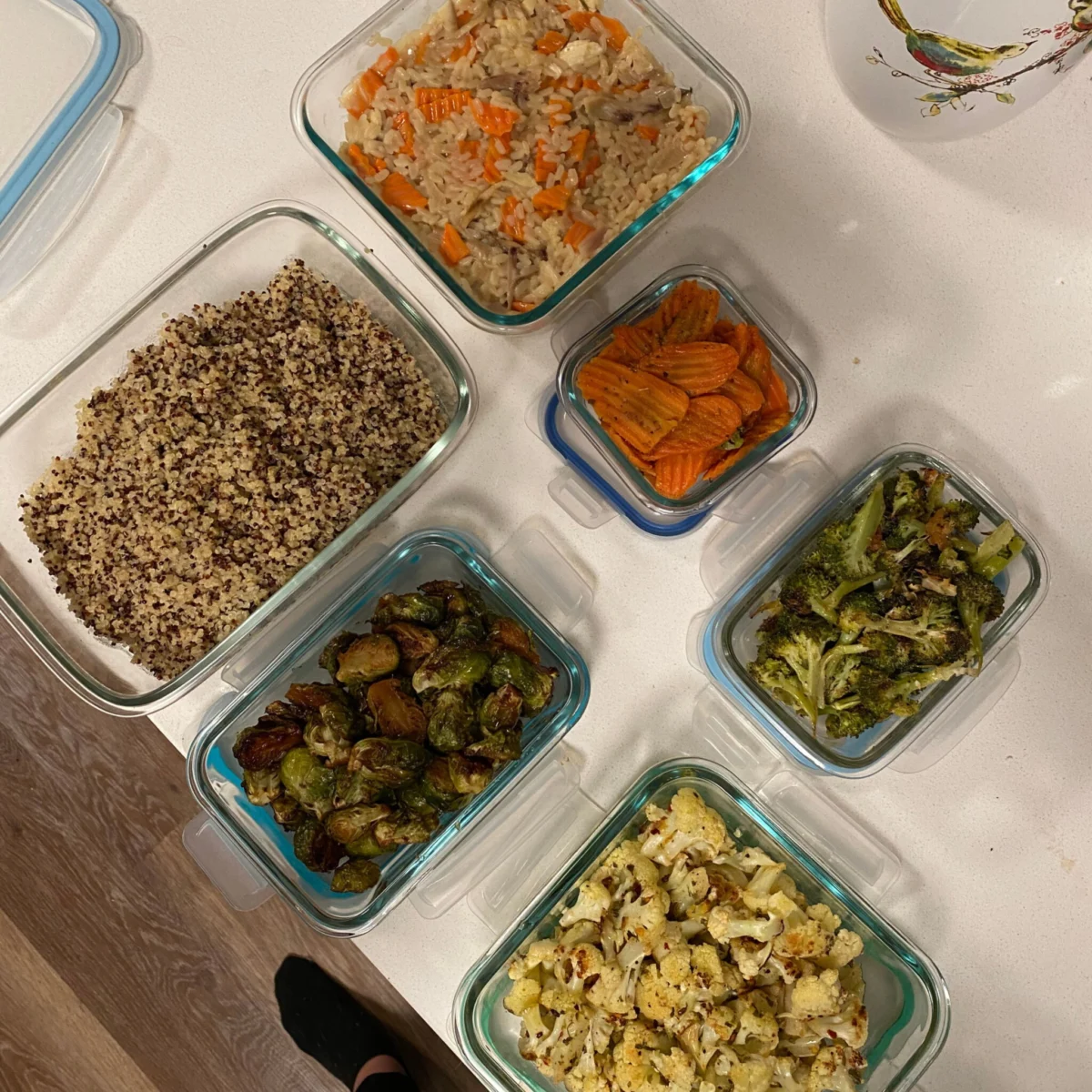
The solution lies in an ingredient-focused approach. By preparing versatile components—such as roasted vegetables, grains, and proteins—rather than fully assembled meals, consumers retain the flexibility to assemble dishes based on their immediate preferences. This "modular" system ensures that the ingredients are utilized while the final form of the meal remains adaptable.

A Chronological Framework for Weekly Success
Developing a sustainable system requires a repeatable weekly chronology. This sequence ensures that nothing is overlooked and that the workload is distributed manageable across the week.
Phase 1: The Master Recipe Inventory
The foundation of any plan is a master list of preferred recipes. This inventory should consist of dishes that the household finds palatable and that the cook is proficient in preparing. This list should be dynamic, allowing for the addition of new discoveries over time. It serves as a reference point to eliminate the stress of searching for ideas during the planning phase.
Phase 2: Calendar Synchronization and Inventory Assessment
Before drafting a grocery list, one must consult the weekly calendar. Identifying evenings with social commitments, late work hours, or extracurricular activities prevents the over-purchase of perishable goods for nights when cooking is unfeasible. Following this, a thorough audit of the refrigerator and pantry is required. The most effective plans are built around "fridge-first" principles, utilizing wilting produce or near-term proteins as the base for the upcoming week’s menu.
Phase 3: Strategic Procurement and Seasonal Alignment
Shopping should ideally occur on a consistent day each week to establish a routine. Strategic procurement involves prioritizing seasonal produce, which is generally more affordable and possesses a lower carbon footprint due to reduced transportation requirements. In the autumn, this might include root vegetables and squash, while summer shopping focuses on stone fruits and leafy greens. Utilizing farmers’ markets or Community Supported Agriculture (CSA) boxes can further enhance the quality of ingredients while supporting local agricultural economies.

Phase 4: The Ingredient Prep Session
Dedicating two to three hours on a weekend or a designated day off to ingredient preparation can drastically reduce the barrier to healthy eating during the week. This phase involves washing and chopping vegetables, cooking grains like quinoa or rice, and preparing proteins such as beans, lentils, or seitan. Storing these items in transparent glass containers facilitates easy identification and keeps produce fresh for longer periods.
Nutritional Balance and Consistency in Daily Consumption
For many, breakfast and lunch represent periods of high routine. Behavioral studies suggest that maintaining consistency in these early-day meals can reduce the cognitive load of decision-making. High-protein yogurt jars, grain bowls, or simple sandwiches are efficient options that can be prepped in bulk.
Nutritional experts recommend that every prepped meal should follow a balanced formula: a carbohydrate for energy, a protein for muscle maintenance, a healthy fat for satiety, and fiber for digestive health. Ensuring these four pillars are present in each container helps prevent energy crashes and reduces the temptation to purchase processed snacks later in the day.
Mitigating Common Pitfalls and Technical Errors
The transition to a meal-planning lifestyle is often hindered by common errors that can be mitigated through awareness:
- Over-complication: Attempting to cook five new, complex recipes in a single week often leads to burnout. A more sustainable approach involves one new recipe per week, supplemented by "tried and true" favorites.
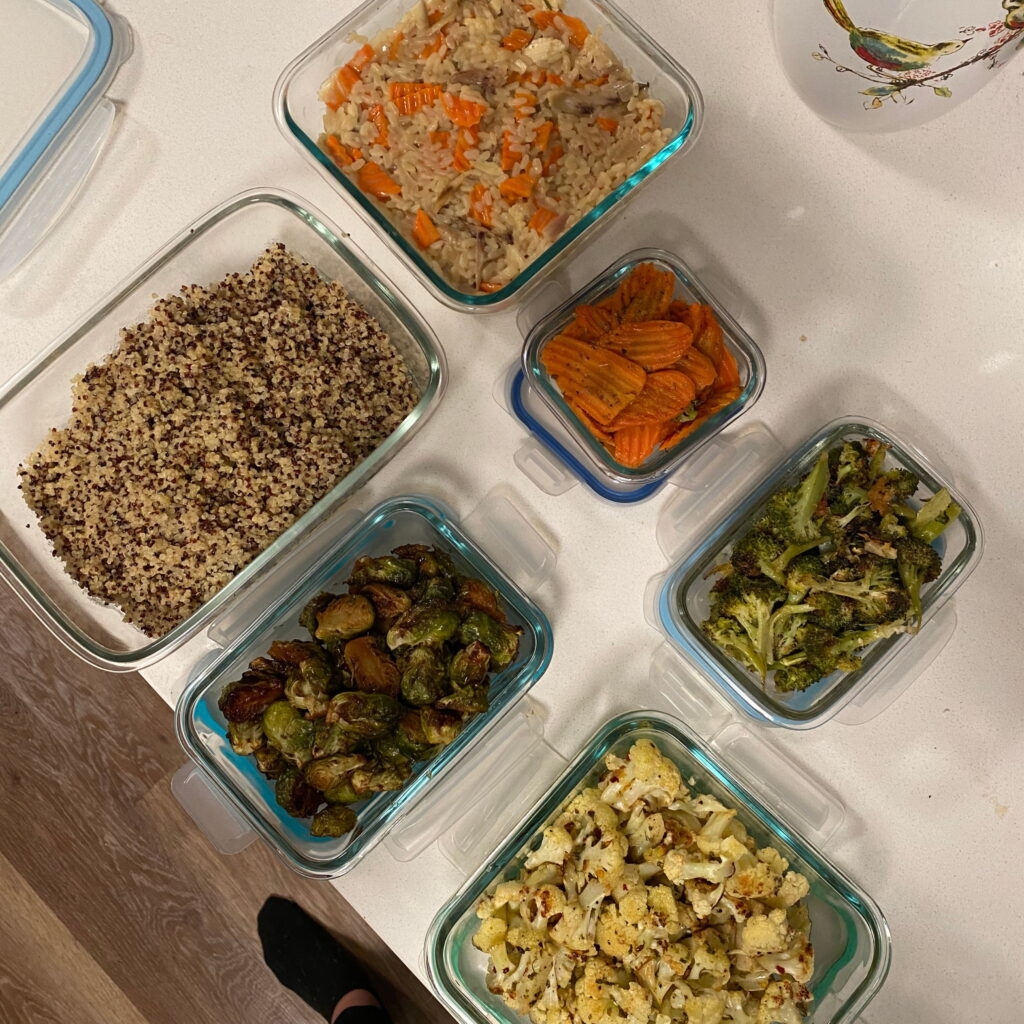
- Improper Storage: Failing to use airtight containers can lead to premature spoilage. Investing in high-quality glass snapware is a long-term investment in waste reduction.
- Ignoring Leftovers: A successful plan accounts for leftovers. Intentionally cooking larger portions for dinner to serve as the next day’s lunch is a hallmark of an efficient system.
- Neglecting Food Scraps: The zero-waste philosophy extends to the "inedible" parts of food. Vegetable peels, onion ends, and herb stems can be collected in the freezer to create nutrient-dense vegetable stock, further extracting value from every purchase.
Broader Socio-Economic and Environmental Implications
The implications of widespread meal planning extend far beyond individual household savings. On a macro level, reduced consumer demand for excessively packaged convenience foods can signal to manufacturers a shift in market preferences, potentially driving a reduction in plastic production. Furthermore, by minimizing the volume of organic waste sent to landfills, households directly participate in climate change mitigation.
Socially, the act of meal planning fosters a deeper connection to the food system. It encourages literacy in seasonality and nutrition, skills that have diminished in the era of fast food and instant delivery services. As communities increasingly adopt these practices, the collective impact on the environment and the economy becomes a significant force for sustainable development.
In conclusion, the integration of meal planning and ingredient preparation is a multifaceted strategy that addresses the modern intersection of economic necessity and environmental responsibility. By shifting from a meal-focused to an ingredient-focused mindset, maintaining a rigorous weekly chronology, and prioritizing seasonal and existing inventory, consumers can achieve a level of kitchen efficiency that supports both personal well-being and global sustainability. The transition requires an initial investment of time and organization, but the dividends—in the form of reduced waste, lower costs, and peace of mind—are substantial and enduring.


