
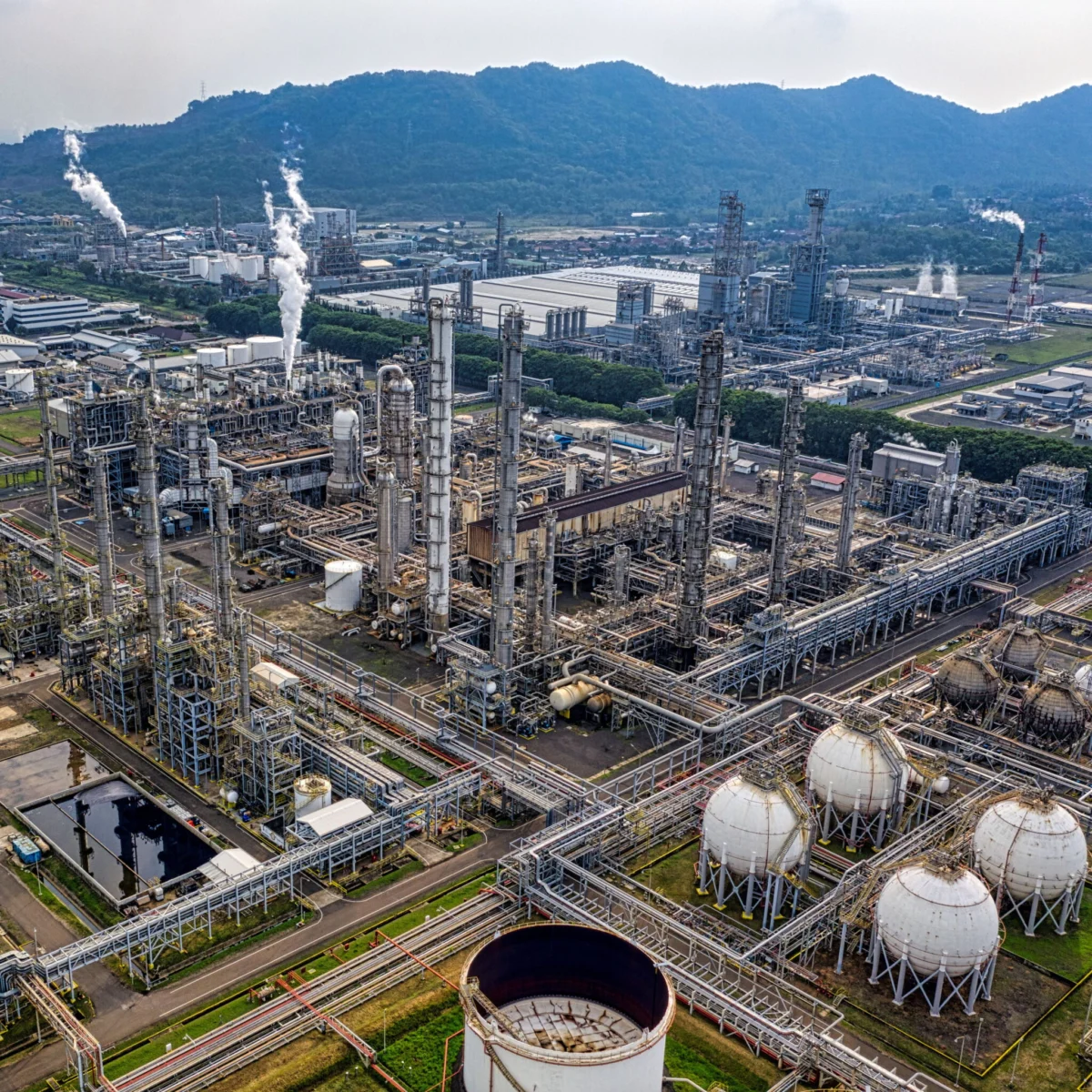
The 85-mile corridor along the Mississippi River between Baton Rouge and New Orleans, Louisiana, has become the global epicenter of a mounting tension between industrial production and public health. Known colloquially as Cancer Alley, this region is home to approximately 200 fossil fuel and petrochemical facilities, creating a landscape where residential communities exist in the immediate shadow of massive industrial infrastructure. Recent data indicates that residents in these areas face a risk of developing cancer and other chronic illnesses at a rate ten times higher than the national average. This disparity is increasingly framed by sociologists and environmental scientists as a matter of environmental racism, as the most heavily impacted populations are predominantly Black, Indigenous, and People of Color (BIPOC) living in low-income census tracts.
The Technical Landscape of Petrochemical Production
To understand the crisis in Cancer Alley, it is necessary to define the petrochemical industry’s role in the global economy. Petrochemical plants are specialized industrial facilities that refine crude oil and fracked natural gas into the primary building blocks of modern consumer goods. These facilities serve as the bridge between the extraction of fossil fuels and the manufacturing of plastics, synthetic textiles, pharmaceuticals, industrial chemicals, and pesticides.
The production process is centered on "cracking" hydrocarbons. Ethylene, the world’s most widely produced petrochemical, is created in olefin plants using steam crackers. This process requires immense energy to break down molecular chains, making it one of the most carbon-intensive segments of the chemical industry. The resulting ethylene is the primary precursor for polyethylene, which is categorized into various resins: High-Density Polyethylene (HDPE), used for durable goods like milk jugs and detergent bottles, and Low-Density Polyethylene (LDPE), used for single-use plastic films and grocery bags.
Beyond ethylene, aromatic plants produce benzene, toluene, and xylene. These substances are foundational to the creation of dyes, synthetic detergents, and high-performance plastics. Furthermore, syngas plants utilize natural gas or coal to generate synthetic gas, which is then converted into ammonia for fertilizers and methanol for industrial solvents. While these products are ubiquitous in modern life, their synthesis releases a cocktail of volatile organic compounds (VOCs) and hazardous air pollutants (HAPs) into the surrounding environment.
A Chronology of Industrialization and Advocacy
The transformation of the Mississippi River banks from a plantation-based agricultural economy to an industrial powerhouse began in the mid-20th century. Following World War II, the proximity to oil reserves in the Gulf of Mexico and the logistical advantages of the Mississippi River made Louisiana an ideal location for the burgeoning chemical industry.
1960s–1970s: The initial wave of industrial expansion occurred with minimal environmental oversight. Large-scale refineries and chemical plants were constructed adjacent to historic "freetowns"—communities established by formerly enslaved people.
1987: The term "Cancer Alley" gained national prominence as local residents and environmental activists began noticing a statistical anomaly in cancer clusters, particularly in St. Jude and St. James Parishes.
2014: The World Health Organization and the Environmental Protection Agency (EPA) began releasing more granular data on air toxicity, confirming that the concentration of chloroprene and ethylene oxide in certain Louisiana parishes far exceeded safety thresholds.
2021: The United Nations Human Rights Council issued a scathing report describing the industrial expansion in the region as a form of environmental racism, calling on the United States government to provide reparations and halt further permitting.
2024: A landmark report by Human Rights Watch, titled "We’re Dying Here," documented the specific reproductive health crises faced by women in the region, linking industrial pollutants to high rates of miscarriage and low birth weight.
2025: Regulatory shifts occurred as a change in federal administration led to the dismissal of several high-profile lawsuits filed by the EPA against major polluters in the region, sparking renewed protests from grassroots organizations.
Supporting Data: The Health and Environmental Toll
The health implications of living near petrochemical complexes are documented in various peer-reviewed studies, including a notable analysis in the New England Journal of Medicine. The primary vector for illness is the release of VOCs during the refining process. These compounds react with nitrogen oxides in the presence of sunlight to form ground-level ozone, a major respiratory irritant.
In Cancer Alley, the presence of Per- and Polyfluoroalkyl Substances (PFAS) in the drinking water has reached critical levels. Testing has revealed PFAS concentrations hundreds of times higher than the EPA’s recommended health advisory levels. These "forever chemicals" are linked to thyroid disruption, immune system suppression, and increased cholesterol levels.
According to the Environmental Integrity Project (EIP), approximately 70 petrochemical companies across the United States discharge millions of pounds of pollutants into public waterways annually. This discharge is often legal under current permits, yet the cumulative effect on downstream drinking water sources is profound. In Louisiana, the discharge of heavy metals and carcinogenic solvents into the Mississippi River affects not only the local flora and fauna but the municipal water systems of towns located further south.
The Human Rights Watch study involved 70 in-depth interviews with residents. The findings were stark: women reported a disproportionate number of high-risk pregnancies and neonatal complications. In some neighborhoods, residents can list a dozen households on a single block where at least one member has died of a respiratory-related cancer.
Official Responses and Regulatory Conflict
The political response to the situation in Cancer Alley has been characterized by a sharp divide between federal environmental mandates and state-level economic priorities. Under the Biden administration, the EPA launched the "Journey to Justice" tour, which led to the filing of several lawsuits aimed at forcing plants to reduce emissions of ethylene oxide and chloroprene. The Justice Department argued that these facilities posed an "imminent and substantial endangerment" to public health.
However, state officials in Louisiana and Texas have often pushed back, arguing that the petrochemical industry is a vital economic engine that provides thousands of jobs and significant tax revenue. In 2024, the state of Texas cleared the way for a massive expansion of petrochemical infrastructure along the Gulf Coast, despite warnings from health experts regarding the cumulative impact on air quality.
The legal landscape shifted significantly in early 2025. A major lawsuit initiated by the federal government against polluters in St. John the Baptist Parish was dropped following a change in executive policy. This move was met with condemnation from local leaders. Robert Taylor, founder of Concerned Citizens of St. John, stated that the withdrawal of the lawsuit felt like a "betrayal by the government," reinforcing the community’s status as a "sacrifice zone"—a geographic area that has been permanently impaired by environmental damage or economic disinvestment.
Broader Impact and Global Implications
The expansion of the petrochemical industry is not merely a local issue; it is a strategic shift by the global fossil fuel industry. As the world moves toward renewable energy for transportation and heating, the demand for crude oil is projected to decline. In response, "Big Oil" has pivoted toward petrochemicals as its primary growth market. The International Energy Agency (IEA) estimates that petrochemicals will account for more than a third of the growth in world oil demand through 2030.
This shift has direct implications for global climate change. Petrochemical production is currently the third-largest industrial source of greenhouse gas emissions. If the industry continues to expand at its current rate, the carbon emissions from plastic production alone could account for 15% of the global carbon budget by 2050.
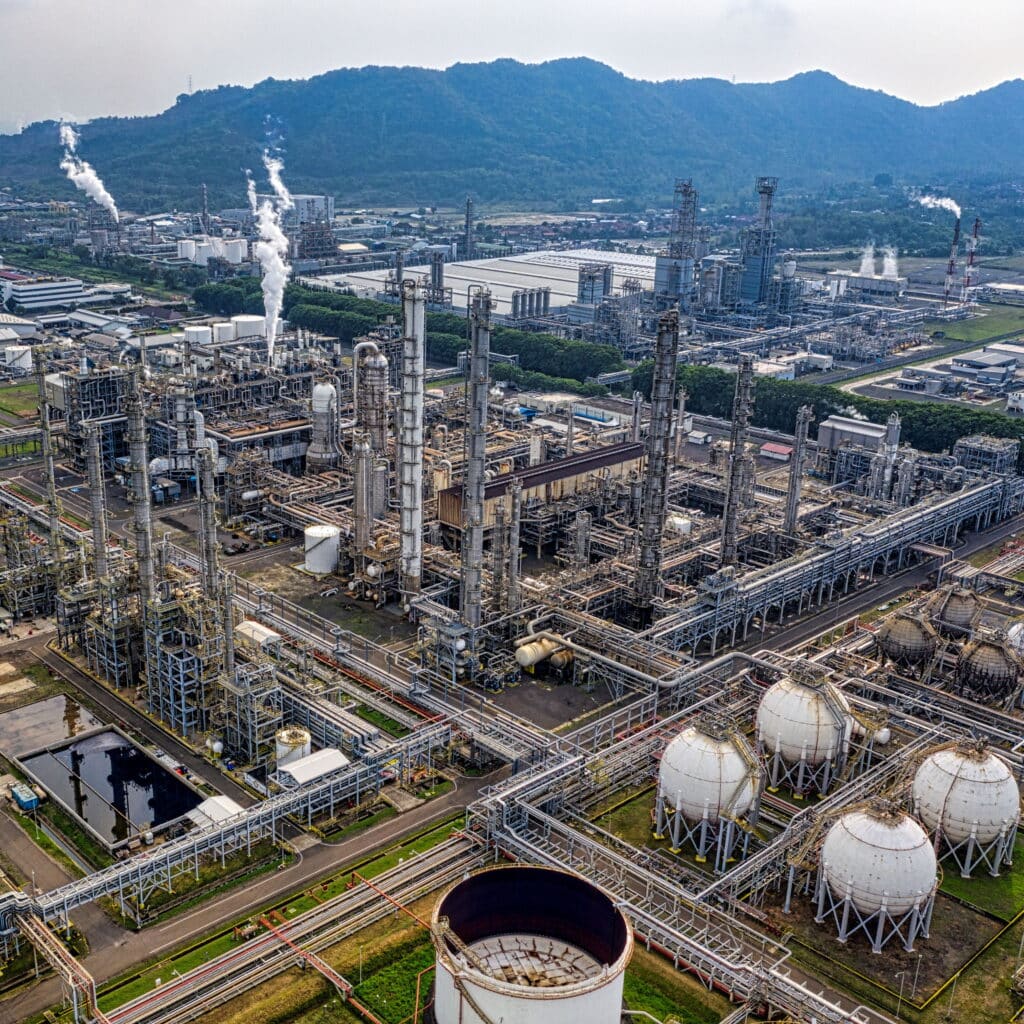
Furthermore, the environmental degradation associated with these plants is intersectional. The pollution of soil and water in Cancer Alley destroys local subsistence fishing and farming, further impoverishing communities that have lived off the land for generations. The loss of biodiversity in the Mississippi River delta, exacerbated by chemical runoff, reduces the region’s natural resilience to hurricanes and rising sea levels.
Grassroots Advocacy and the Path Forward
Despite the regulatory setbacks, grassroots organizations continue to lead the fight for environmental justice. Sharon Lavigne, a former teacher and the founder of Rise St. James, has become a global symbol of resistance. Her organization successfully blocked the construction of a multi-billion dollar plastics complex by Formosa Plastics, arguing that the parish was already "saturated" with toxins.
Advocates are calling for a multi-pronged approach to address the crisis:
- Cumulative Impact Mapping: Moving beyond individual plant permits to assess the total toxic load on a community from all surrounding facilities.
- Mandatory Buffer Zones: Establishing minimum distances between heavy industrial sites and residential areas, schools, and hospitals.
- Enhanced Monitoring: Requiring fenceline monitoring systems that provide real-time air quality data to the public.
- Just Transition: Investing in green chemistry and renewable energy jobs for residents currently dependent on the petrochemical economy.
The situation in Cancer Alley serves as a cautionary tale for the global community. As industrial expansion continues in developing nations and other parts of the United States, the lessons of the Mississippi River corridor highlight the necessity of prioritizing human rights and public health over industrial output. The term "sacrifice zone" remains a haunting reminder of the cost of unregulated industrial growth and the enduring struggle for clean air and water in the heart of the American South.


