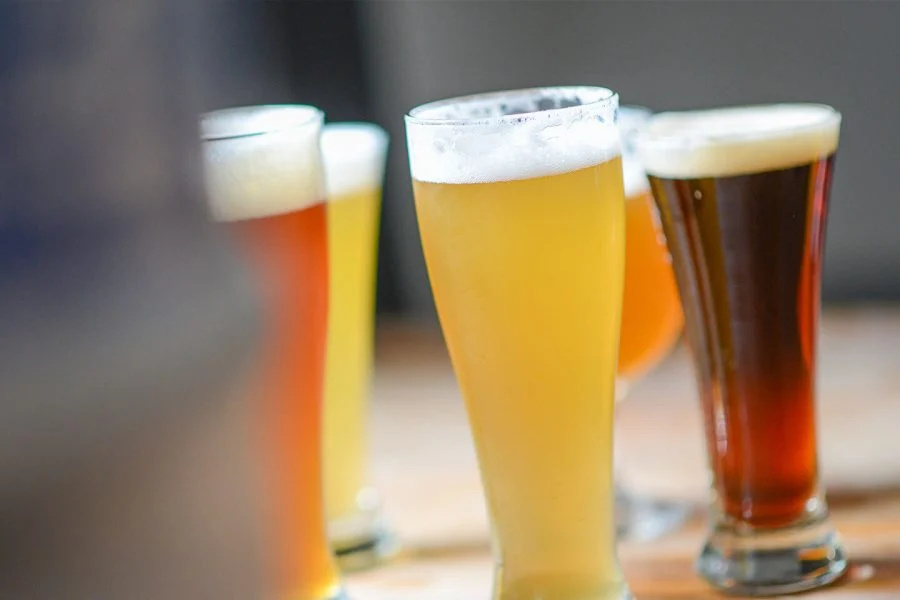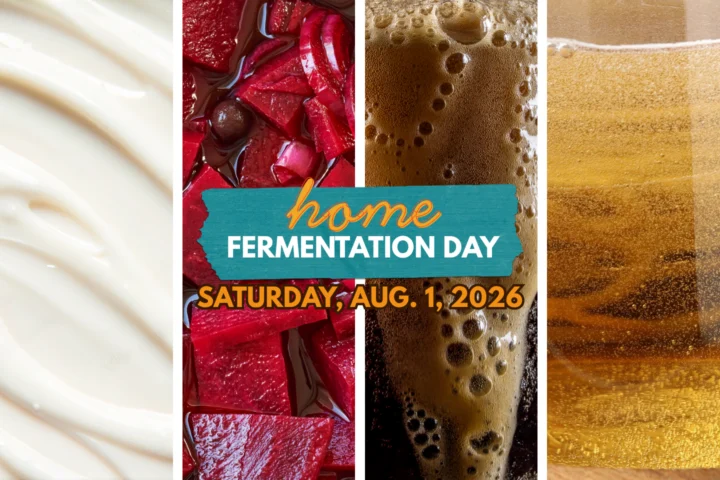
The American Homebrewers Association (AHA) is once again shining a spotlight on the multifaceted world of fermentation with its annual Home Fermentation Day. This observance, designed to encourage and celebrate home-based fermentation projects, invites enthusiasts to share their creations and explore the vast possibilities within this ancient practice. From the familiar realms of homebrewed beer, mead, and cider to the burgeoning landscape of fermented foods and a diverse array of other fermented beverages, Home Fermentation Day serves as a nexus for inspiration, knowledge sharing, and community engagement.
The origins of fermentation stretch back millennia, with evidence of fermented beverages dating as far back as 7000 BCE in China, where rice wine was produced. Similarly, fermented foods like yogurt and cheese have been staples for thousands of years, forming the bedrock of many culinary traditions worldwide. Home Fermentation Day taps into this rich historical legacy, modernizing it by providing a platform for contemporary practitioners to connect and showcase their innovative endeavors. The AHA, a non-profit organization dedicated to promoting the enjoyment and consumption of home-brewed beer, has consistently championed the broader scope of fermentation, recognizing its cultural significance and its growing appeal among a diverse demographic.
This year’s celebration emphasizes the duality of fermentation, acknowledging both its beverage-centric roots and its expansive culinary applications. While homebrewing has long been a cornerstone of the AHA’s activities, the organization is increasingly highlighting the symbiotic relationship between brewing and other fermentation processes. The act of cultivating yeast and bacteria for beer production shares fundamental principles with the creation of sourdough starters, fermented vegetables like kimchi and sauerkraut, and even more complex ferments like kombucha and kefir. This interconnectedness offers a compelling narrative for both seasoned fermenters and newcomers alike.
Expanding Horizons: Beyond the Brew Kettle
The call to action for Home Fermentation Day is clear: "Show us your fermentation projects by tagging @homebrewassoc or using #HomeFermentationDay." This directive underscores the inclusive nature of the event, extending an invitation beyond traditional homebrewers. The AHA recognizes that the skills and knowledge acquired in brewing can readily translate to a wider array of fermentation projects. This expansion into fermented foods is not merely an extension of existing hobbies but an opening to a "whole new world of projects and experiments."
The proliferation of fermented foods in recent years is a notable trend, driven by a combination of factors including increased consumer interest in gut health, the desire for more complex and nuanced flavors, and a growing appreciation for traditional food preservation techniques. Studies on the gut microbiome have increasingly highlighted the beneficial effects of probiotics found in fermented foods, leading to a surge in popularity. This culinary renaissance offers a fertile ground for home fermenters to explore, experiment, and create. From the vibrant tang of homemade pickles to the complex umami of fermented bean pastes, the possibilities are virtually limitless.
A Rich Tapestry of Fermented Creations
The AHA’s online presence serves as a repository of resources and inspiration. Their article archive, accessible through the "Beyond Beer" category, offers a deep dive into various fermentation topics. This includes detailed guides, troubleshooting tips, and profiles of successful fermentation projects, catering to a wide spectrum of interests and skill levels. The emphasis on exploring fermented foods alongside beverages reflects a strategic effort to broaden the appeal of fermentation as a hobby and a lifestyle choice.
Zymurgy Magazine: A Cornerstone of Fermentation Knowledge
At the heart of the AHA’s educational offerings is Zymurgy magazine, a publication renowned for its in-depth coverage of homebrewing. However, its scope has progressively broadened to encompass a more holistic view of fermentation. Regular features within Zymurgy are dedicated to exploring other fermented projects, providing members with consistent access to cutting-edge information and creative ideas. The "You Can Ferment That" column, specifically mentioned by the AHA, is a testament to this commitment, serving as a direct source of inspiration for members looking to venture into new fermentation territories.
The AHA’s membership model offers significant benefits, including exclusive access to the Zymurgy online archives and four new issues per year. This ensures that members are consistently at the forefront of fermentation knowledge and community discussions. The accessibility of these resources is a critical component in fostering a vibrant and engaged fermentation community.
The American Homebrewers Association: Fostering Community and Expertise
The American Homebrewers Association’s role in promoting Home Fermentation Day is significant. By providing a platform and resources, they empower individuals to engage with fermentation in a meaningful way. The organization’s commitment to its members, offering exclusive content and access to a wealth of information, underscores its dedication to advancing the art and science of fermentation. The underlying philosophy is that many of the valuable resources available on HomebrewersAssociation.org are a direct benefit of membership, encouraging individuals to become part of a dedicated community.
The Broader Impact of Home Fermentation Day
Home Fermentation Day transcends a simple celebration; it acts as a catalyst for several positive developments.
- Education and Skill Development: The event encourages individuals to learn new skills, whether it’s mastering the nuances of yeast pitching for a complex beer or cultivating a healthy SCOBY for kombucha. This hands-on learning fosters a deeper understanding of microbiology and food science.
- Promoting Sustainability: Fermentation is inherently a sustainable practice. It allows for the preservation of food, reducing waste, and often utilizes locally sourced ingredients. Home fermenters contribute to a more circular food system.
- Enhancing Culinary Creativity: The exploration of fermented foods and beverages introduces a new dimension of flavor and texture to home cooking and dining. It encourages adventurous palates and innovative recipe development.
- Building Community: The shared passion for fermentation fosters connections among individuals. Online platforms and social media hashtags create virtual communities where enthusiasts can exchange ideas, share successes, and troubleshoot challenges.
- Supporting Public Health: By encouraging the consumption of fermented foods rich in probiotics, Home Fermentation Day indirectly contributes to public health awareness and the promotion of gut-friendly diets.
The continued growth of interest in fermentation, as evidenced by events like Home Fermentation Day, suggests a broader societal shift towards more mindful consumption, a deeper appreciation for traditional practices, and a desire for hands-on engagement with food and beverage production. The AHA, through its dedicated efforts, is playing a pivotal role in nurturing this burgeoning movement, ensuring that the art of fermentation continues to thrive and evolve for generations to come. The simple act of sharing a photo of a bubbling jar of sauerkraut or a perfectly conditioned homebrew has the power to inspire countless others, solidifying fermentation’s place as a celebrated and accessible craft.