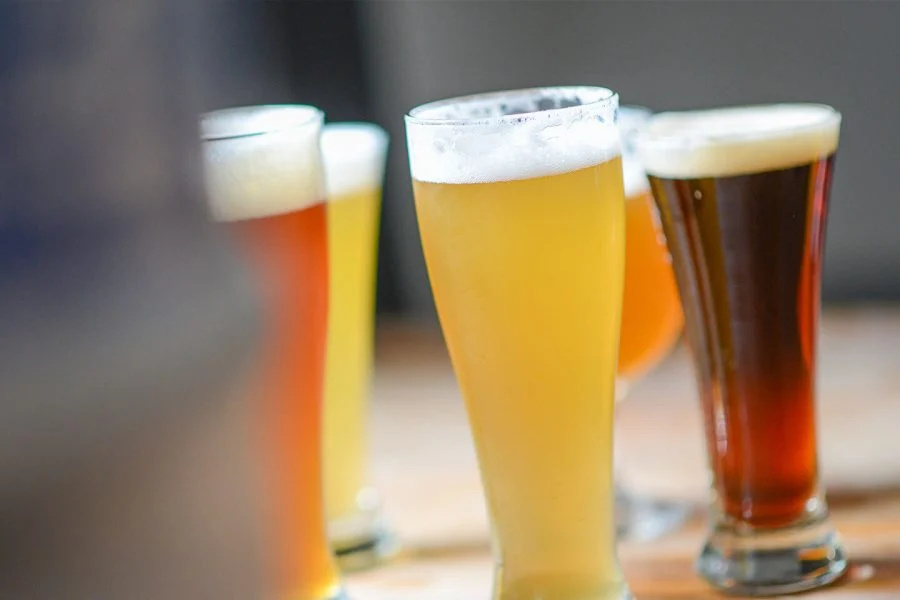
The American Homebrewers Association (AHA) has officially announced a significant initiative aimed at rectifying a long-standing logistical hurdle for the nation’s thriving homebrewing community: the difficulty in legally shipping homebrewed beverages for competition entry. Despite homebrewing being legal in all 50 states and Washington D.C., the practical realities of transporting entries to sanctioned events remain a considerable challenge, often forcing hobbyists into a gray area of compliance. The AHA Board of Directors has passed a resolution to actively pursue the development of safe, transparent, and legal shipping pathways, signaling a determined effort to engage with shipping carriers, regulatory bodies, and industry partners.
The core of the issue lies in the current prohibitions and restrictive policies surrounding the shipment of alcoholic beverages. The United States Postal Service (USPS) outright bans the shipment of alcohol. While private carriers like FedEx and UPS do have provisions for alcohol shipping, these are overwhelmingly geared towards licensed commercial producers. These policies often include stringent requirements regarding licensing, volume limits, and contractual agreements that are not feasible or applicable to individual homebrewers participating in competitions. Consequently, many homebrewers have historically resorted to unofficial or semi-clandestine methods of shipping their creations, which can range from mislabeling packages to using "half-truth" language to avoid detection. This situation not only creates unnecessary stress and potential legal complications for hobbyists but also undermines the integrity and accessibility of homebrew competitions, which are vital for education, innovation, and community building within the craft.
The AHA’s resolution, adopted on May 12, 2026, marks a pivotal moment in the organization’s advocacy efforts. It clearly states the association’s commitment to "lead a national effort to identify, develop, and promote compliant solutions that enable homebrew competition entries to be shipped safely and legally." This proactive stance acknowledges that the existing framework for alcohol shipment has not evolved to accommodate the legitimate and widespread practice of homebrewing and its associated competitive circuit. The AHA plans to achieve its goal by actively engaging with a broad spectrum of stakeholders. This includes direct dialogue with major shipping carriers to explore the possibility of creating tailored shipping solutions for non-commercial homebrew. Simultaneously, the association will seek to collaborate with federal and state regulators to ensure any new pathways are fully compliant with all relevant laws and regulations. Furthermore, the AHA aims to foster partnerships within the broader beverage alcohol industry, leveraging existing expertise and infrastructure where appropriate.
Background Context: A Thriving Hobby Facing Logistical Hurdles
Homebrewing has experienced a remarkable surge in popularity over the past few decades. What began as a niche hobby has blossomed into a significant cultural movement, contributing to the broader craft beer renaissance. The American Homebrewers Association, founded in 1978, has been instrumental in supporting this growth, advocating for favorable legislation, providing educational resources, and organizing events that foster community and skill development. Homebrew competitions, in particular, serve as crucial platforms for brewers to receive expert feedback, refine their techniques, and showcase their creativity. These competitions, ranging from local club events to national championships sanctioned by the Beer Judge Certification Program (BJCP), attract thousands of participants annually.
The growth in the number and scale of these competitions has naturally led to an increased demand for reliable and legal shipping methods. As more brewers participate and events draw entrants from across the country, the logistical challenge of transporting perishable, legally brewed beverages becomes more pronounced. Without a clear, legal shipping avenue, many potential participants are discouraged, and organizers face significant hurdles in managing entries. The current system, reliant on workarounds and implicit understanding, is unsustainable and does not reflect the mature and responsible nature of the homebrewing community.
Supporting Data: The Scale of Homebrewing and Competition Participation
While precise, real-time data on the number of active homebrewers is fluid, industry estimates consistently place the figure in the millions. Organizations like the Brewers Association, which also oversees the AHA, have reported steady growth in homebrew kit sales and a significant engagement in homebrew-related online forums and social media communities. The BJCP, the premier organization for judging homebrewed beverages, sanctions hundreds of competitions annually, with many attracting hundreds, and in some cases, thousands of individual entries. For instance, major national competitions often receive over 2,000 unique beer, mead, and cider entries, with participants spanning the entire continental United States. The economic impact of homebrewing, though difficult to quantify precisely, includes the purchase of ingredients, equipment, and educational materials, contributing to a vibrant sector of the retail and manufacturing industries. The current shipping limitations represent a tangible barrier to entry and participation in this economically and culturally significant hobby.
Timeline of Advocacy and Resolution
The AHA’s commitment to addressing the shipping challenge is not a sudden development but rather an evolution of its ongoing advocacy. For years, the association has been aware of the difficulties faced by its members. Discussions within the AHA’s leadership and feedback from the membership have consistently highlighted shipping as a persistent pain point.
- Pre-2026: Ongoing dialogue and informal efforts to navigate existing shipping policies, often involving creative solutions and a degree of risk for participants. Recognition of the growing problem as homebrewing and competition participation expanded.
- Early 2026: Increased focus and formal discussions within the AHA Board of Directors regarding the need for a systemic solution. Exploration of potential strategies and the feasibility of engaging with carriers and regulators.
- May 12, 2026: The AHA Board of Directors formally adopts the resolution, "Developing Legal Shipping Pathways for Homebrew Competitions." This marks a significant escalation of the organization’s efforts, committing resources and strategic direction to this issue.
- Post-May 2026: The AHA will commence its planned engagement with shipping carriers, regulators, and industry partners, initiating the process of developing and advocating for compliant shipping solutions.
Official Responses and Industry Reactions (Inferred)
While specific official statements from shipping carriers and regulatory bodies regarding this new AHA initiative are likely to emerge as discussions commence, it is reasonable to infer potential reactions and considerations.
- Shipping Carriers (e.g., FedEx, UPS): These companies operate under complex legal and logistical frameworks. Their current alcohol shipping policies are designed to mitigate risk and ensure compliance with a myriad of state and federal laws. A key consideration for them will be the volume of potential homebrew shipments, the associated costs of establishing and managing a specialized service, and the potential for increased liability. However, the AHA’s proposal for a "safe, transparent, and legal method" could present an opportunity for carriers to tap into a new market segment if a viable business model can be developed. They will likely seek assurances of compliance and a clear understanding of the legal parameters.
- Regulators (e.g., TTB – Alcohol and Tobacco Tax and Trade Bureau, State Alcohol Beverage Control Agencies): Regulators will be primarily concerned with ensuring that any new shipping pathways do not inadvertently facilitate illegal alcohol distribution or circumvent existing tax structures. The AHA’s emphasis on "non-commercial homebrew intended solely for judging" will be crucial. Demonstrating that these shipments are for a specific, limited purpose and not for general sale or consumption will be paramount. The TTB, in particular, has historically maintained a strict stance on alcohol regulation.
- Beverage Alcohol Industry Partners: Established breweries, distributors, and industry associations may view this initiative with varying degrees of interest. Some might see it as a positive step towards modernizing alcohol logistics and supporting a related community. Others might have concerns about potential impacts on their own operations or regulatory landscapes. However, the AHA’s collaborative approach aims to address these potential concerns proactively.
Broader Impact and Implications: More Than Just Shipping
The implications of the AHA’s initiative extend far beyond simply making it easier to send beer to a competition. Successfully developing legal shipping pathways will have several significant positive impacts:
- Enhanced Accessibility and Inclusivity: By removing the logistical barrier, more homebrewers, regardless of their geographic location or personal circumstances, will be able to participate in competitions. This will lead to a more diverse and representative pool of entrants, fostering greater inclusivity within the homebrewing community.
- Improved Judging and Feedback: Competitions are essential for learning and improvement. When brewers can reliably send their best examples, judges receive a wider array of entries, leading to more robust feedback and a better understanding of brewing trends and techniques.
- Strengthened Community and Engagement: The ability to participate in competitions fosters a sense of connection and shared purpose among homebrewers. Legal and straightforward shipping will reinforce these bonds and encourage greater engagement with the hobby and its associated organizations.
- Legitimization of Homebrewing: Successfully establishing clear, legal shipping channels would further legitimize homebrewing as a respected craft and hobby. It would signal a maturation of the industry and its integration into the broader beverage alcohol landscape.
- Economic Benefits: While not the primary driver, increased participation in competitions can lead to greater demand for homebrewing supplies and services. Furthermore, it supports the organizers of these events and the judges who provide their expertise.
The AHA’s bold move to tackle the complex issue of homebrew shipping underscores its dedication to serving its members. The organization’s commitment to a "solutions-focused effort" suggests a pragmatic approach, aiming to build consensus and develop practical, long-term solutions. The success of this initiative will hinge on its ability to bridge the gap between the unique needs of hobbyist brewers and the stringent regulatory and logistical requirements of the alcohol shipping industry. The journey ahead will undoubtedly involve intricate negotiations and careful navigation of legal frameworks, but the potential reward – a truly accessible and transparent competitive landscape for homebrewers nationwide – is a significant motivator for all involved.