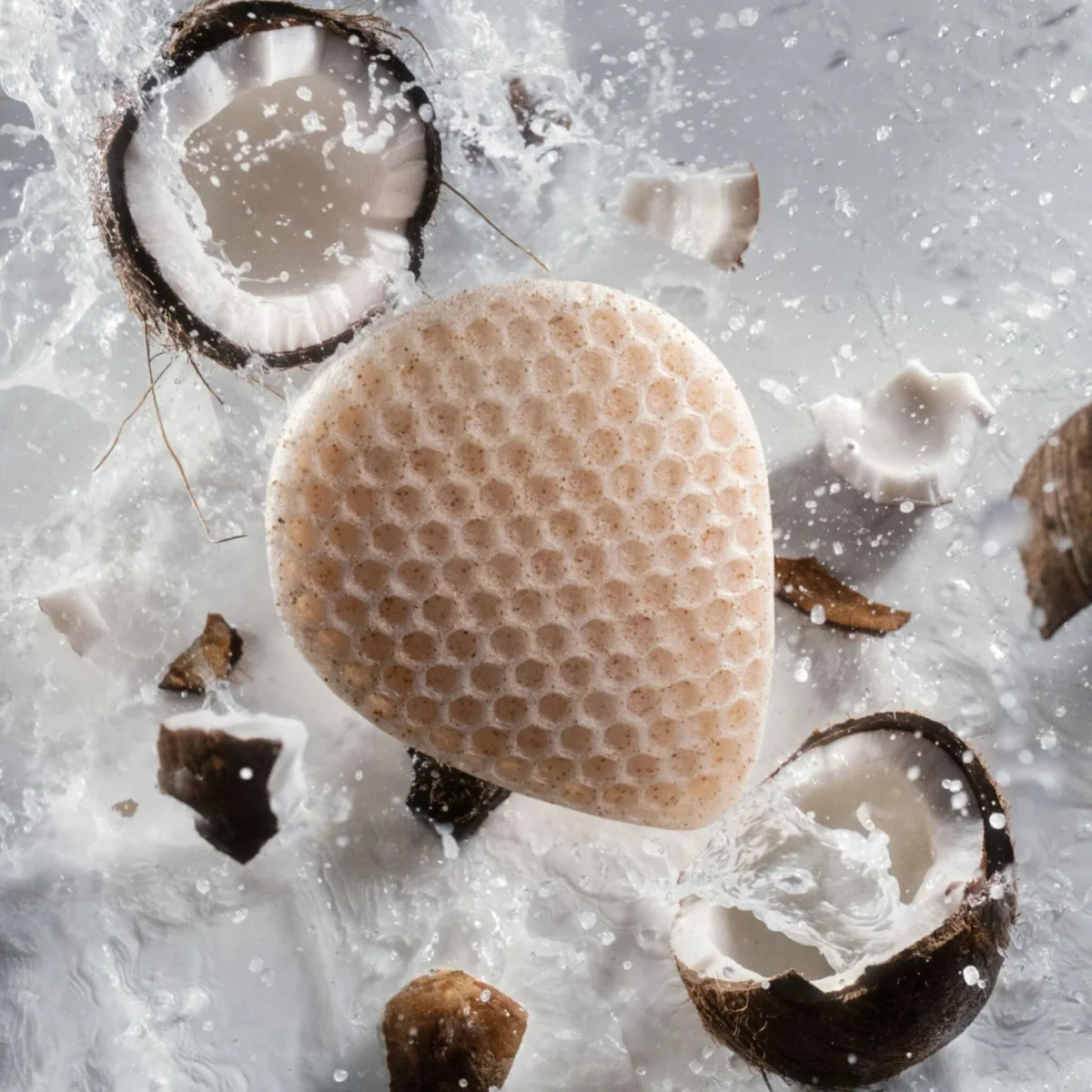
The global personal care industry is currently undergoing a significant transition as consumers increasingly reject synthetic, single-use products in favor of sustainable, biodegradable alternatives. Central to this shift is the growing scrutiny of the "everything shower" trend—a social media phenomenon advocating for elaborate hygiene routines often involving upwards of a dozen plastic-packaged products. Among the most criticized items in these routines is the ubiquitous plastic shower pouf. Traditionally made from non-recyclable virgin plastics, these poufs are designed for a short lifecycle, often ending up in landfills within eight weeks of purchase. In response to this environmental challenge, brands like Casamera are reintroducing the konjac sponge, an all-natural, compostable alternative that offers both dermatological benefits and ecological responsibility.
The Environmental Cost of Synthetic Personal Care
To understand the necessity of the konjac sponge, one must first examine the environmental footprint of its predecessor. Synthetic mesh poufs are typically manufactured from polyethylene, a petroleum-based plastic. Because these items are frequently exposed to moisture and organic matter, they become breeding grounds for bacteria and mold, necessitating frequent replacement. According to waste management data, millions of these non-biodegradable items enter the waste stream annually, where they persist for centuries. Furthermore, as these poufs degrade during use, they shed microplastics—particles smaller than five millimeters—which enter the water system and eventually the global food chain.
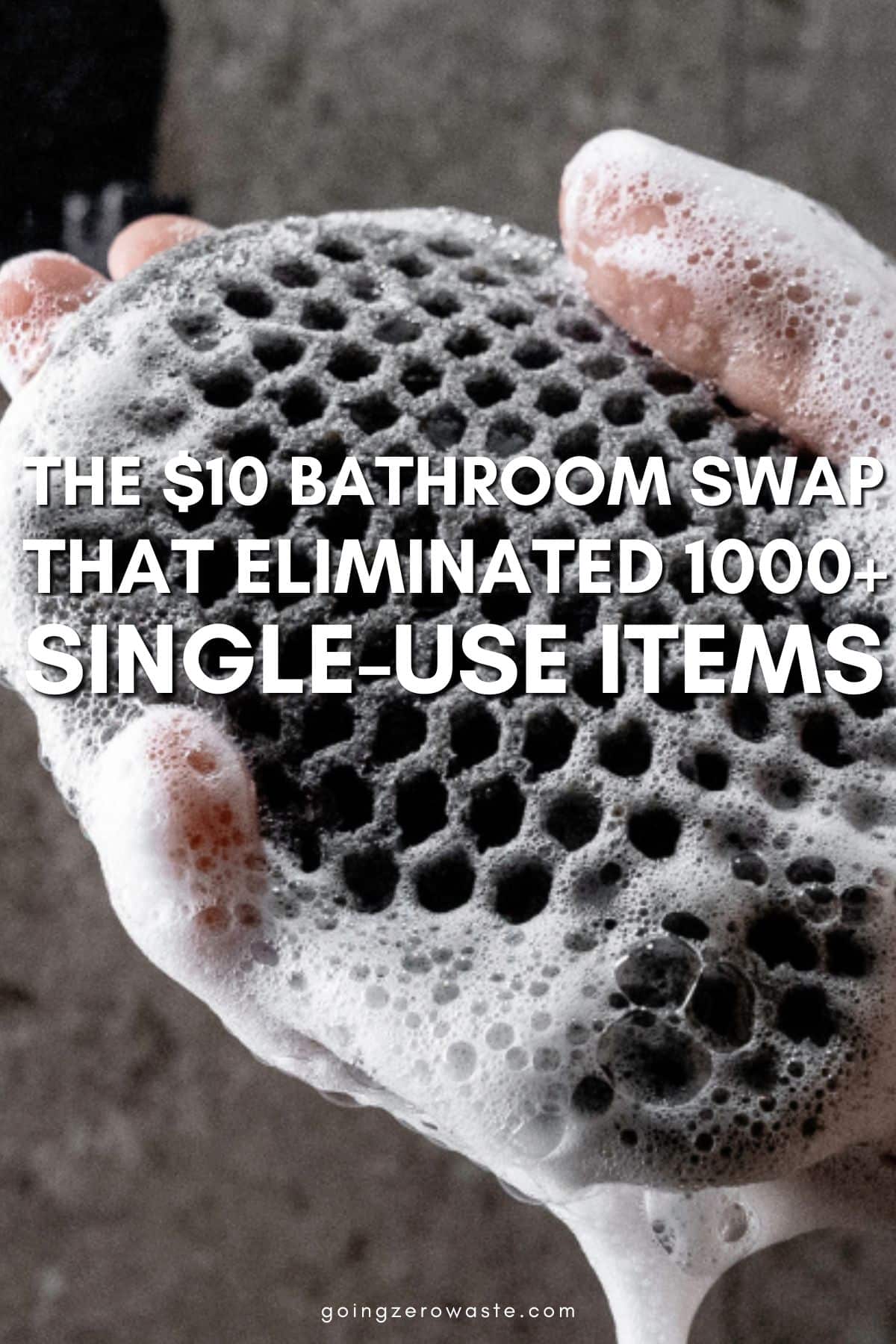
The rise of the konjac sponge represents a return to botanical solutions. Derived from the Amorphophallus konjac plant, a root vegetable native to Southeast Asia, the konjac sponge is entirely plant-based. Unlike synthetic alternatives, it is 100% compostable, allowing it to return to the earth as organic matter rather than microplastic pollution.
A History of Konjac: From Nutrition to Skincare
The use of the konjac plant is not a modern innovation but a centuries-old tradition. Historically, the konjac tuber has been utilized in China, Korea, and Japan for over 1,500 years. Initially prized as a medicinal food source and a thickening agent in culinary applications, its soft, fibrous texture eventually led to its adoption as a hygiene tool. In the 19th century, Japanese farmers began using konjac sponges to wash newborn infants, recognizing that the plant’s natural fibers were gentler on the skin than any available cloth or loofah.
The transition from a regional traditional tool to a global skincare staple began in the early 21st century as the Western "Clean Beauty" market expanded. Today, the manufacturing process remains rooted in these traditional methods. The glucomannan fiber is extracted from the harvested tubers, mixed with water and natural mineral additives, and then poured into molds. The mixture is steamed to stabilize its structure, resulting in a sponge that is hard when dry but transforms into a soft, gel-like texture when saturated with water.
Technical Analysis of the Konjac Sponge vs. Conventional Tools
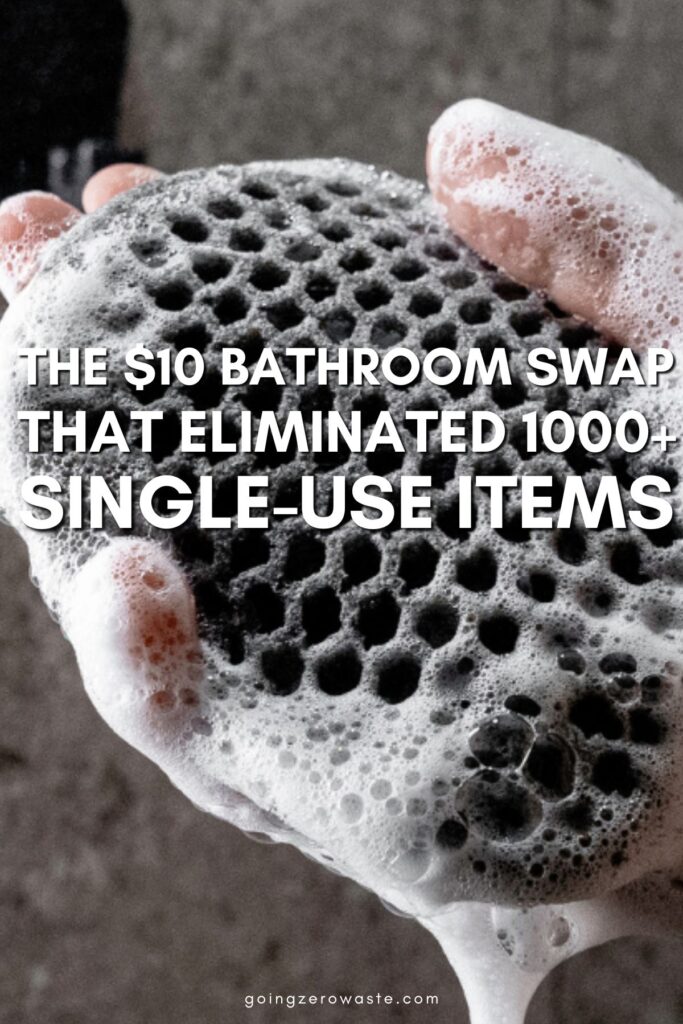
Not all konjac sponges are engineered with the same specifications. While many conventional versions are small and intended solely for facial use, Casamera has modified the design to serve as a comprehensive body scrubber. This is achieved through a dual-sided design: one side features a soft, honeycomb texture for gentle cleansing, while the other side is infused with natural walnut shells to provide mechanical exfoliation.
Antimicrobial Properties and Hygiene
A primary concern with traditional sponges and plastic poufs is the retention of moisture, which leads to the growth of Staphylococcus and other bacteria. Konjac sponges possess inherent antimicrobial properties. Because the fibers are naturally alkaline, they help balance the skin’s pH while resisting the rapid colonization of bacteria. Casamera’s versions are engineered to be fast-drying, further reducing the risk of mold—a common issue that causes plastic poufs to develop a distinct odor within days of use.
Infusion Variants and Dermatological Applications
The versatility of the konjac sponge is often enhanced through natural infusions. These variations allow consumers to tailor their hygiene routine to specific skin types:

- Charcoal: Ideal for oily or acne-prone skin, as it draws out impurities and excess sebum.
- Matcha: Rich in antioxidants, aimed at reducing inflammation and protecting against environmental stressors.
- Volcanic Mud: Utilized for deep pore cleansing and mineral replenishment.
- Walnut Shell: Provides a more rigorous exfoliation for areas with thicker skin, such as the elbows and feet.
Supporting Data: The Hidden Impact of Face Wipes and "Fatbergs"
The shift toward konjac sponges also addresses the crisis caused by single-use face wipes. Market analysis suggests that while convenience remains a high priority for consumers, the hidden costs of wipes are becoming harder to ignore. Most makeup wipes are composed of polyester or polypropylene fibers saturated in chemicals, including preservatives and synthetic fragrances.
Data from municipal sewage departments highlights a growing phenomenon known as "fatbergs"—massive, solidified blockages in sewer systems. These are formed when oils and greases bind with non-biodegradable items, primarily wet wipes. Despite many brands labeling their products as "flushable," independent testing by water utility companies has repeatedly shown that these wipes do not disintegrate like toilet paper. The economic impact is substantial; cities worldwide spend millions of dollars annually to clear these blockages. By contrast, a konjac sponge is reusable for several months and, upon reaching the end of its utility, can be disposed of in a home compost bin or organic waste collection, bypassing the sewage system entirely.
Practical Application and Maintenance Protocols
To maximize the lifespan of a natural scrubber, specific maintenance protocols are recommended by industry experts. A konjac sponge typically lasts between two and three months, depending on the frequency of use and the environment in which it is stored.

Step-by-Step Usage
- Saturation: The sponge must be fully submerged in warm water until it expands and softens completely.
- Cleansing: A small amount of soap or cleanser may be added, though the sponge is effective with water alone due to its unique texture.
- Exfoliation: Users are advised to use circular motions to stimulate blood flow and remove dead skin cells.
- Rinsing and Drying: After use, the sponge should be rinsed thoroughly and squeezed (not wrung) to remove excess water. It must then be hung in a well-ventilated area.
Sanitization Chronology
To ensure the product remains hygienic throughout its lifecycle, a weekly sanitization routine is recommended. Placing the sponge in a bowl of boiling water for approximately two minutes effectively kills any residual bacteria without damaging the plant fibers. When the sponge begins to lose its texture or starts to break down, it indicates that the natural fibers have reached the end of their structural integrity and the item should be composted.
Corporate Responsibility and the Broader Market Impact
The move toward konjac sponges is reflective of a larger trend in corporate accountability. Consumers are no longer looking just at the product, but at the entire supply chain. Casamera, for instance, has integrated carbon-neutral shipping and plastic-free packaging into its business model. By planting trees to offset the carbon footprint of manufacturing and shipping, such companies are setting a new standard for the "Zero Waste" movement.
Economic analysis suggests that while a konjac sponge may have a higher upfront cost than a cheap plastic pouf, the longevity and multi-functional nature of the product (serving as both a cleanser and an exfoliant) provide better long-term value. Moreover, the reduction in the need for chemical exfoliants and specialized makeup removers further lowers the total cost of a personal care routine.

Broader Implications for the Future of Skincare
The transition from plastic to plant-based hygiene tools is more than a trend; it is a necessary evolution in the face of global plastic pollution. As regulatory bodies in the European Union and parts of North America begin to implement stricter bans on microplastics in cosmetics, the demand for naturally derived exfoliants is projected to grow.
The konjac sponge serves as a case study for how traditional botanical knowledge can be successfully adapted to solve modern environmental problems. By replacing synthetic mesh and chemical-laden wipes with a compostable root-based tool, consumers can significantly reduce their household waste without compromising on dermatological health. The integration of such products into daily routines represents a tangible step toward a circular economy, where the products used for personal care are as healthy for the planet as they are for the individual.