
As global inflation continues to exert pressure on consumer purchasing power and environmental concerns regarding food waste reach a critical juncture, the adoption of structured meal planning systems has emerged as a primary strategy for household resource management. Recent economic data suggests that the average American family of four loses approximately $1,500 annually to uneaten food, while environmental reports from the Environmental Protection Agency (EPA) indicate that food waste is the single largest component taking up space in municipal landfills. Within this context, the distinction between meal planning—the cognitive act of mapping future consumption—and meal prepping—the physical act of advanced food preparation—has become a focal point for experts advocating for a "zero-waste" lifestyle.
The Structural Framework of Sustainable Consumption
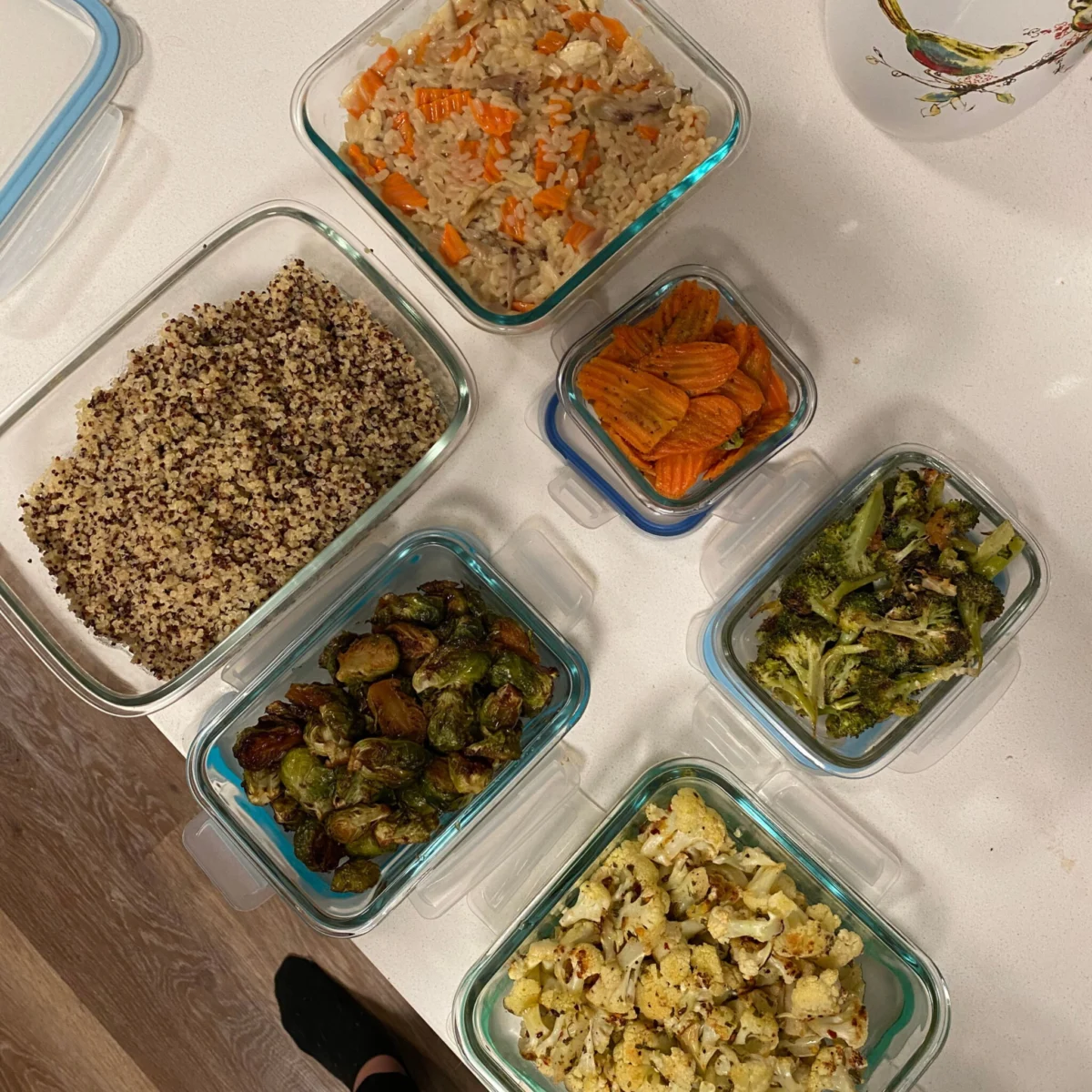
The efficacy of a household food system depends on the transition from impulsive, meal-based thinking to strategic, ingredient-based management. Traditional meal planning often fails because it ignores the volatility of human appetite; for instance, a rigid schedule designating a specific dish for a specific day often collapses when household members lack the desire for that specific meal at the appointed time. To counter this, sustainability experts recommend a "flexible planning" model. This approach prioritizes the preparation of versatile ingredients—such as roasted vegetables, grains, and proteins—which can be assembled into various dishes based on immediate preference, thereby ensuring that purchased perishables are consumed before they expire.
Meal planning serves as the architectural blueprint for the week’s nutrition. It involves a comprehensive audit of existing inventory, an assessment of the upcoming week’s schedule to identify time constraints, and the curation of a grocery list designed to minimize impulse purchases. Conversely, meal prepping is the execution phase. While the two are often conflated, data indicates that planning can exist independently of prepping, though the combination of both maximizes efficiency. Prepping can range from the full assembly of meals to the "batch prepping" of raw ingredients, such as washing, chopping, and storing vegetables in airtight containers to reduce mid-week labor.

The Chronology of an Effective Meal Management System
The implementation of a successful meal planning system follows a logical sequence that begins long before the consumer enters a retail environment.
-
The Inventory Audit and Master List Development: The process begins with the creation of a "Master List" of recurring, successful recipes that the household is proficient in preparing. This list acts as a database, reducing the cognitive load of decision-making. Before adding new items to a shopping list, a thorough audit of the pantry, refrigerator, and freezer is required. This "shop your cupboard" phase ensures that new purchases complement existing stock, preventing the redundant accumulation of items that eventually contribute to waste.
-
The Calendar and Weather Assessment: Professional planners emphasize the importance of synchronizing food choices with external factors. A review of the weekly calendar identifies evenings where professional or social commitments preclude cooking, allowing for the planned use of leftovers or "quick-assembly" meals. Furthermore, factoring in seasonal weather patterns—prioritizing soups and stews during cold fronts or lighter, raw salads during heatwaves—increases the likelihood of the plan being followed.
-
Strategic Procurement: Once the plan is finalized, a categorized grocery list is generated. Research into consumer behavior shows that shoppers who utilize organized lists are significantly less likely to succumb to supermarket marketing tactics designed to trigger impulse buys. Sustainability is further enhanced during this stage by prioritizing seasonal produce, which is often more nutrient-dense and less expensive due to lower transportation and storage costs.

-
The Preparation Window: The final stage involves a dedicated block of time—typically two to three hours during a weekend—to process ingredients. This includes washing greens, chopping aromatics like onions and carrots, and potentially pre-cooking proteins or grains. This phase is critical for reducing "friction" during the workweek; when ingredients are ready for immediate use, the temptation to opt for high-cost, high-waste takeout options is substantially diminished.
Economic and Environmental Data Analysis
The implications of structured meal planning extend beyond individual convenience, touching upon broader macroeconomic and ecological trends. According to the Food and Agriculture Organization (FAO) of the United Nations, roughly one-third of all food produced for human consumption is lost or wasted globally. In developed economies, the majority of this waste occurs at the household level.
From a financial perspective, meal planning is a primary tool for "inflation hedging." By focusing on versatile proteins—such as lentils, beans, and seitan—and purchasing seasonal produce, households can significantly lower their monthly grocery expenditures. Case studies of individuals utilizing zero-waste planning systems have shown a reduction in grocery bills by as much as 30% to 40% through the elimination of food spoilage and the strategic use of leftovers.
Environmentally, the reduction of food waste directly correlates with a decrease in methane emissions. When food rots in a landfill, it undergoes anaerobic decomposition, releasing methane, a greenhouse gas 25 times more potent than carbon dioxide at trapping heat in the atmosphere. Furthermore, meal planning reduces the demand for single-use plastic packaging often associated with convenience foods and pre-cut produce. By purchasing whole vegetables and processing them at home, consumers can utilize reusable glass or stainless-steel containers, contributing to a circular economy.

Addressing Nutritional Integrity and Decision Fatigue
A significant benefit of advanced planning is the improvement of nutritional outcomes. By ensuring that each meal contains a balance of macronutrients—carbohydrates, proteins, and healthy fats—and high-fiber produce, individuals can maintain more stable blood sugar levels and consistent energy throughout the day. The "grab-and-go" nature of prepped snacks, such as sliced vegetables or yogurt jars, prevents the "hunger-driven" poor decision-making that often occurs when individuals wait too long between meals.
Psychologically, meal planning addresses "decision fatigue." The average adult makes thousands of decisions daily; by pre-determining food choices, individuals preserve cognitive energy for more demanding professional or personal tasks. This structured approach provides "peace of mind," a qualitative benefit that participants in meal-prepping programs frequently cite as a primary motivator for maintaining the habit.
Industry and Expert Reactions
Nutritionists and sustainability advocates have largely praised the shift toward ingredient-based prepping. "The transition from ‘what is for dinner’ to ‘how can I use these ingredients’ represents a fundamental shift in food literacy," notes a consensus of culinary experts. There is also a growing movement within the grocery industry to support these behaviors, with some retailers offering "imperfect produce" sections where aesthetically flawed but nutritionally sound vegetables are sold at a discount—a resource that meal planners are uniquely positioned to utilize.
However, critics of the "full meal prep" model argue that it can lead to food boredom or "pallet fatigue" if the same meal is consumed five days in parallel. This is why the industry is pivoting toward recommending "component prepping"—preparing individual building blocks that can be combined in various ways—as a more sustainable and enjoyable long-term strategy.
Broader Implications and the Future of Household Food Systems
As urban populations grow and time-poverty becomes more prevalent, the demand for efficient food systems will likely lead to technological integrations. We are already seeing the rise of digital inventory trackers and AI-driven recipe generators that suggest meals based on what is currently in a user’s refrigerator.
Nevertheless, the core of the system remains rooted in simple, manual habits: the audit, the list, and the prep. The broader impact of these practices is a more resilient food system. When households reduce their waste, they decrease the overall pressure on the agricultural supply chain and waste management infrastructure.
In conclusion, the strategic integration of meal planning and prepping is more than a lifestyle trend; it is a sophisticated method of resource management. By treating ingredients as assets to be managed rather than just items to be consumed, households can achieve significant financial savings, improve their health outcomes, and contribute to the global effort to mitigate the environmental impact of the food industry. The success of this system lies in its flexibility—allowing for the unpredictability of daily life while maintaining a firm foundation of preparedness.


