

The United States Department of Agriculture (USDA) recently released data indicating that the average American couple now spends approximately $800 per month on groceries, a figure that translates to a weekly expenditure of $200. This baseline reflects a broader trend of escalating food costs that have significantly impacted household liquidity across the nation. Economic forecasts suggest that the pressure on consumer wallets will persist; according to the USDA Economic Research Service, prices for all food categories are predicted to increase by an additional 3.6 percent by 2026. This trajectory has prompted a surge in interest regarding alternative consumption models, specifically those that integrate "zero-waste" principles with nutrient-dense, plant-forward diets. Case studies of households successfully maintaining a $300 monthly grocery budget—representing a 62.5 percent reduction from the national average—highlight a shift toward strategic budgeting, bulk procurement, and a resurgence of home-based food processing.
The Chronology of Escalating Food Costs: 2021 to 2026
The current state of grocery expenditures is the result of a multi-year inflationary cycle. Following the global supply chain disruptions of 2021 and 2022, food prices saw their largest annual increases in decades. While the rate of inflation slowed in late 2023 and 2024, the "plateau" remained at a record-high price floor. Economic analysts attribute these sustained costs to several factors, including increased labor costs in the agricultural sector, the rising price of synthetic fertilizers, and energy-intensive logistics.
Looking ahead to 2026, the projected 3.6 percent increase is expected to be driven by volatile weather patterns affecting crop yields and the continued transition toward sustainable but more expensive farming practices. For the average consumer, this means that the $800 monthly average is likely to approach $830 within twenty-four months, necessitating a fundamental change in how households approach the grocery aisle. The emergence of the "$300-a-month" model is not merely a reaction to poverty but a calculated economic strategy adopted by middle-income households seeking to optimize their financial health.
Data-Driven Budgeting and the Psychology of Physical Currency
Central to achieving a significant reduction in food spending is the implementation of a rigorous budgeting framework. Financial experts often point to the "cash-limit" strategy as one of the most effective behavioral interventions for overspending. By utilizing physical currency rather than digital transactions, consumers face a tangible limit that prevents impulse purchases and "budget creep."
A standard $100 weekly budget for a two-person household typically requires a granular breakdown across specific categories. Economic modeling suggests the following allocation for a $100 weekly spend:
- Produce (Seasonal and Local): $30.00
- Bulk Grains and Legumes: $20.00
- Dairy or Plant-Based Alternatives: $15.00
- Pantry Staples and Spices: $15.00
- Proteins (Discounted Cuts or Plant-Based): $20.00
This model requires consumers to count remaining funds after each store visit, determining whether leftover capital should be rolled over into the following week or allocated toward long-term bulk storage. Furthermore, the timing of purchases plays a critical role. For instance, farmers’ market expenditures may fluctuate seasonally; during peak harvest months (summer and fall), the abundance of produce often leads to lower prices as farmers seek to move inventory, allowing for a higher allocation of funds toward fresh goods compared to the winter months.
Strategic Sourcing: The Economics of Bulk and "Service Costs"
A significant portion of grocery inflation is tied to what economists call "service costs"—the added price consumers pay for convenience. This includes pre-shredded cheese, pre-cut vegetables, and canned legumes. Market analysis shows that bone-in, skin-on poultry is significantly less expensive than trimmed fillets because the consumer is essentially paying the retailer for the labor of butchery. Similarly, block cheese is consistently priced lower per ounce than its shredded counterpart.
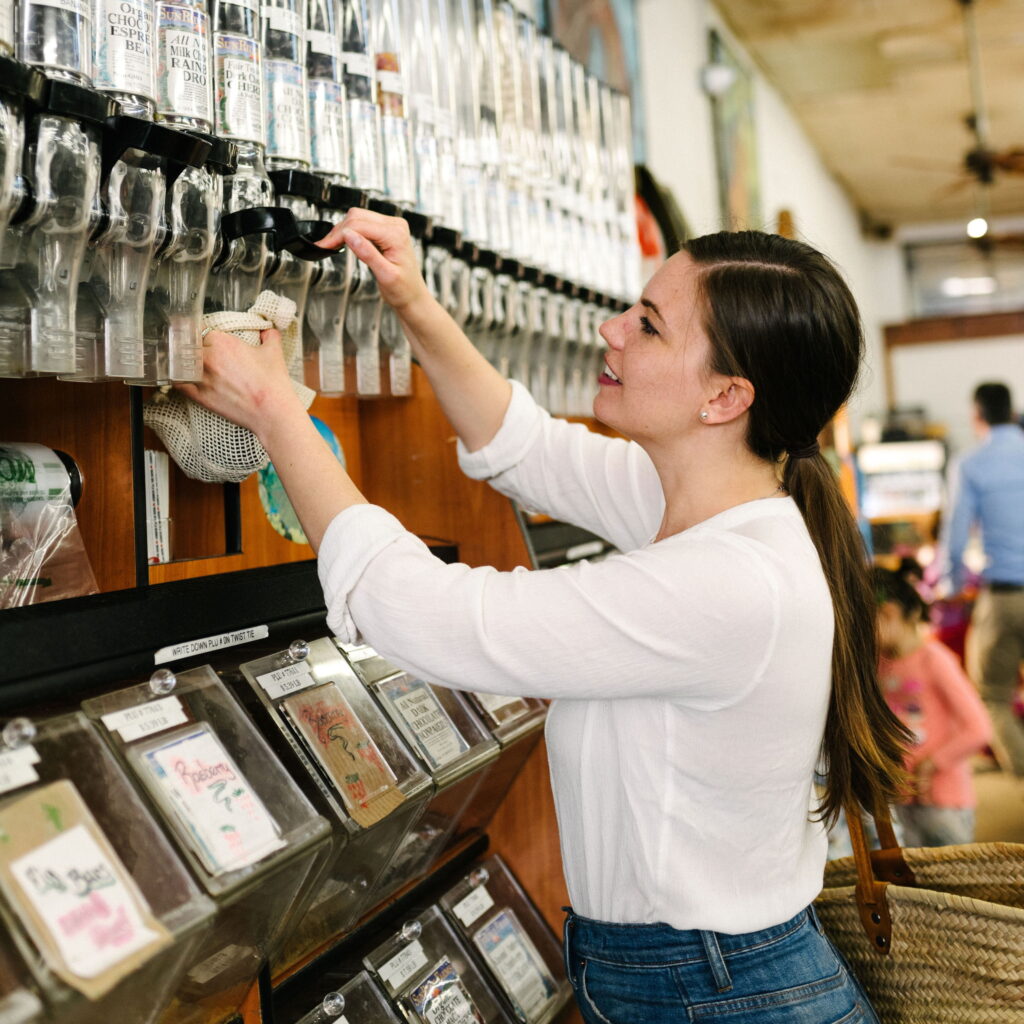
The shift toward dry goods represents perhaps the most substantial area of savings. Dry beans and lentils, when purchased in bulk, cost less than half the price of their canned equivalents per serving. When prepared in large batches and frozen, these staples provide the same level of convenience as canned goods without the premium for packaging and processing. Retailers like Costco and local bulk-bin cooperatives allow for the procurement of 25-to-50-pound bags of rice, flour, and quinoa, which dramatically lowers the unit price of these foundational calories.
The Resurgence of Home-Based Food Processing
The "Make It Yourself" movement has transitioned from a hobbyist trend to a vital economic survival strategy. One of the most stark examples of potential savings is found in artisanal bread. A standard loaf of high-quality sourdough or whole-grain bread can retail for $7.00. For a household consuming two loaves a week, the annual expenditure reaches approximately $728. Conversely, the raw ingredients for the same volume of bread—flour, water, salt, and yeast—cost a fraction of that amount, often under $1.00 per loaf.
The proliferation of "Buy Nothing" groups and secondary market apps has made the entry into home processing more accessible. Many households obtain bread makers, slow cookers, and pressure cookers for free or at a deep discount, further reducing the capital investment required for DIY food production. Beyond bread, the production of kitchen staples such as vegetable broth (made from frozen scraps), apple cider vinegar (from fruit cores), and vanilla extract provides a cumulative savings effect that can shave hundreds of dollars off an annual budget. Even simple pantry items like powdered sugar (blended granulated sugar) and oat flour (processed rolled oats) eliminate the need to pay for specialized packaging and branding.
Market Innovations: Surplus Rescuing and "Imperfect" Produce
As food waste remains a global crisis—with approximately 30 to 40 percent of the food supply going to waste in the United States—new market-based solutions have emerged to connect consumers with surplus goods. Apps such as "Too Good To Go" have created a marketplace for surplus food from restaurants and bakeries, often sold at one-third of the retail price.

Additionally, the "Imperfect Produce" model has gained traction among budget-conscious consumers. Retailers often discard fruits and vegetables that do not meet strict aesthetic standards regarding shape, size, or color. Companies that aggregate and sell this "ugly" produce at a discount allow consumers to access high-quality nutrition while reducing the environmental impact of food waste. While some of these items may involve plastic packaging, the net benefit of diverted landfill waste and reduced cost per pound makes them a preferred choice for many zero-waste practitioners.
Nutritional Implications and the "Blue Zone" Connection
The transition to a low-cost, plant-forward diet also aligns with contemporary nutritional science regarding longevity. The "Blue Zones"—regions of the world where people live statistically longer lives—share a common dietary denominator: a reliance on legumes, whole grains, and seasonal vegetables, with minimal meat consumption.
Legumes, including black beans, chickpeas, and lentils, are among the most cost-effective protein sources available. They provide high fiber content and essential minerals that are often lacking in processed diets. By centering a budget around these "peasant foods," households can achieve a nutrient-dense diet that costs significantly less than one centered around animal proteins. The versatility of these staples allows for a wide variety of cuisines—from Mexican-inspired bean dishes to Mediterranean grain bowls—ensuring that a lower budget does not equate to "palate fatigue."

Broader Impact and Economic Implications
The widespread adoption of these grocery budgeting strategies has broader implications for the retail sector and the environment. As consumers move away from high-margin convenience foods and toward bulk staples, major retailers may be forced to adjust their pricing strategies or increase their focus on bulk offerings to retain market share.
Furthermore, the environmental impact of a $300-a-month, zero-waste budget is substantial. By reducing reliance on single-use packaging and focusing on plant-based proteins, households significantly lower their carbon and water footprints. The USDA’s 2026 forecast serves as a warning, but the success of the $300-a-month model suggests that with disciplined budgeting, strategic DIY efforts, and a shift in dietary priorities, consumers can maintain their standard of living despite the rising costs of the global food supply.
In conclusion, the path to food security in an inflationary environment lies in a return to foundational kitchen skills and a rejection of the convenience-at-all-costs mindset. As food prices continue to climb, the distinction between "needs" and "wants" in the grocery store will become the defining factor in household financial stability.


