
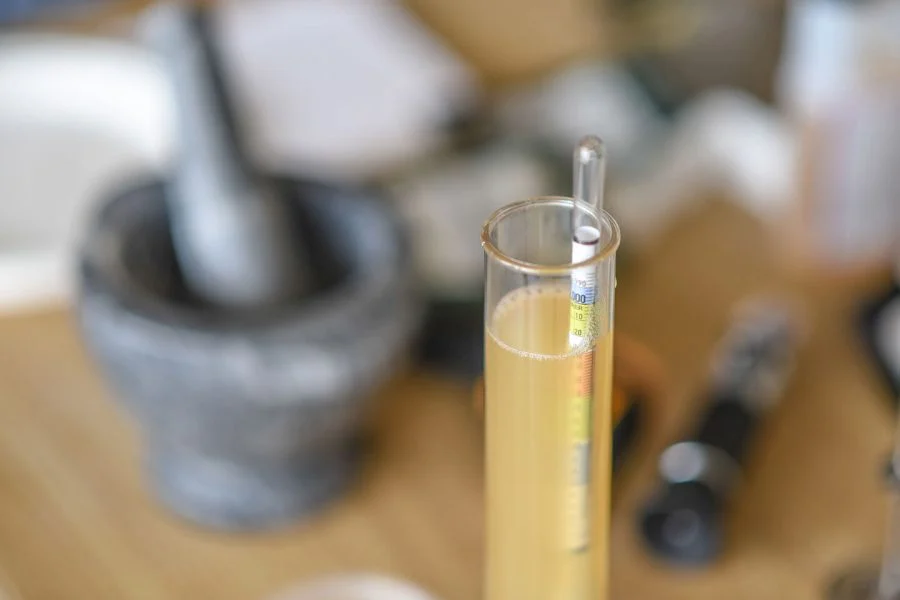
The burgeoning world of homebrewing celebrated its champions this past weekend at the highly anticipated 2026 National Homebrew Competition, where Nicholas B. Griner, a dedicated member of the Merrimack Valley Home Brew Club, emerged victorious, securing a coveted gold medal in Category 26: Strong Belgian Ale. This prestigious award signifies Griner’s exceptional skill and dedication, as his winning brew outshone a field of 128 formidable entries in the competition’s demanding final round. The National Homebrew Competition, a cornerstone event for the American Homebrewers Association (AHA), serves as a global platform to recognize and celebrate the artistry and innovation of homebrewers worldwide.
A Deep Dive into the National Homebrew Competition
The National Homebrew Competition, often referred to as the NHC, is the largest and most prestigious homebrewing competition in the world. Organized annually by the American Homebrewers Association, it provides a standardized and rigorous judging process that allows homebrewers to test their creations against the highest standards of beer evaluation. The competition is structured in multiple rounds, beginning with local and regional preliminaries that funnel into the national finals. Judges are experienced brewers, BJCP (Beer Judge Certification Program) certified individuals, and professional brewers who meticulously assess each entry based on a comprehensive set of criteria, including aroma, appearance, flavor, mouthfeel, and overall impression, all while adhering to established beer style guidelines.
The 2026 iteration of the competition, culminating in the recent awards ceremony, saw thousands of entries submitted across dozens of categories, encompassing the vast spectrum of beer styles recognized by the BJCP. Category 26, Strong Belgian Ale, is a particularly challenging and nuanced category. It typically includes beers such as Belgian Tripels, Quadrupels, and strong golden ales, characterized by their complex fruity and spicy yeast-driven profiles, often balanced by a robust malt backbone and significant alcohol content. Achieving a gold medal in such a competitive category is a testament to a brewer’s profound understanding of yeast fermentation, malt selection, hop utilization, and the delicate balance required to produce a world-class Belgian-style ale.
Nicholas B. Griner: A Champion Brewer’s Journey
Nicholas B. Griner, hailing from Ayer, Massachusetts, and an active participant in the Merrimack Valley Home Brew Club, has demonstrated a remarkable aptitude for the craft. While the specific details of Griner’s winning brew are not publicly disclosed due to the proprietary nature of many medal-winning recipes within the AHA’s member-exclusive content, his victory in Category 26 suggests a masterful execution of a strong Belgian ale. This style demands a deep understanding of Belgian yeast strains, which are known for producing a complex array of esters (fruity notes) and phenols (spicy notes), often requiring precise temperature control and fermentation management. The high alcohol content inherent in many strong Belgian ales also necessitates careful attention to fermentation health to avoid undesirable off-flavors.
The Merrimack Valley Home Brew Club, a vibrant community of brewing enthusiasts in Massachusetts, likely provided Griner with a supportive environment for recipe development, brewing experimentation, and constructive feedback. Homebrew clubs play a crucial role in fostering the growth of homebrewing by sharing knowledge, resources, and camaraderie among their members. Griner’s success can be seen as a reflection of the dedication and collaborative spirit often found within such organizations.
The Road to Gold: Competition Timeline and Process
The journey to a National Homebrew Competition gold medal is a protracted one, often spanning several months. The process typically begins with the announcement of competition dates and entry windows, usually in the late fall or early winter. Homebrewers then meticulously prepare their beers, adhering to strict brewing schedules to ensure optimal quality by the submission deadlines.

Phase 1: Preliminary Judging: Entries are first submitted to regional or national preliminary rounds. Here, panels of certified judges evaluate the beers against specific style guidelines. Beers that meet a certain threshold of quality advance to the next stage. For the 2026 competition, it is estimated that thousands of initial entries were evaluated across various preliminary sites.
Phase 2: Semi-Finals and Finals: The highest-scoring beers from the preliminary rounds proceed to more intensive judging phases. The National Homebrew Competition culminates in a final round where the best of the best compete for top honors. In Griner’s category, 128 beers reached this final stage, underscoring the extremely high level of competition. The final round judging is often more extensive, with multiple judges providing detailed feedback and scoring.
Phase 3: Awards Ceremony: The culmination of the competition is the announcement of the medal winners. This event, typically held in conjunction with a major homebrewing festival or conference, brings together brewers from across the nation and the globe to celebrate their achievements. Nicholas B. Griner’s gold medal in Strong Belgian Ale was announced at this prestigious gathering, marking the pinnacle of his competitive brewing efforts for the year.
Supporting Data and Broader Implications
The National Homebrew Competition is more than just a contest; it is a barometer for the evolution of homebrewing. The increasing number and quality of entries each year reflect the growing sophistication of homebrewers and their access to advanced brewing techniques, ingredients, and equipment.
- Growth in Homebrewing: The American Homebrewers Association has reported steady growth in its membership over the years, indicating a sustained interest in homebrewing as a hobby. This growth translates directly into more participants and higher quality entries in competitions like the NHC.
- BJCP Style Evolution: The Beer Judge Certification Program continuously updates its guidelines to reflect emerging trends and refine the understanding of established beer styles. The inclusion of specific categories like "Strong Belgian Ale" and the precise definitions within them allow for more accurate and challenging judging.
- Innovation and Creativity: While adherence to style guidelines is paramount, the NHC also rewards innovation. Brewers often push the boundaries of established styles, experimenting with novel ingredients, fermentation techniques, and aging processes. The diverse range of entries, from classic interpretations to contemporary twists, showcases the dynamic nature of the craft.
The Significance of a Gold Medal
Winning a gold medal at the National Homebrew Competition is a significant accomplishment. It signifies that a brewer has produced a beer that is not only technically sound but also exceptional in its flavor profile, aroma, and overall execution, meeting or exceeding the highest standards for its style. For Nicholas B. Griner, this gold medal is a validation of his brewing prowess and a significant feather in his cap within the homebrewing community.
Moreover, the detailed feedback provided by the judges, even for non-medal winners, is invaluable for brewers seeking to improve their craft. For those who achieve a medal, especially gold, it can open doors to further opportunities, such as collaborating with commercial breweries, being featured in brewing publications, or gaining recognition within the wider craft beer industry.
The American Homebrewers Association, in its commitment to fostering and promoting homebrewing, makes many of these medal-winning recipes available to its members. This resource allows aspiring homebrewers to learn from the best, providing them with proven recipes and insights into the techniques that led to championship-level beers. The inclusion of recipes like Griner’s, once they are made available, will undoubtedly inspire countless others to hone their skills and perhaps aim for their own gold medal in future competitions. The continued success of events like the National Homebrew Competition underscores the vibrant and ever-evolving landscape of homebrewing, celebrating the passion, dedication, and creativity of individuals who transform simple ingredients into extraordinary beverages.


