
The economic implications of this waste are becoming increasingly severe. According to the United States Department of Agriculture (USDA), food prices are projected to rise by 3.6% in 2026. For the average household, this inflationary pressure necessitates a shift toward more efficient consumption patterns. Zero waste grocery shopping has emerged not merely as an environmental trend but as a strategic financial necessity. By focusing on the elimination of unnecessary packaging and the maximization of food utility, consumers can mitigate the impact of rising costs while reducing their ecological footprint.
A Chronological Evolution of Food Retail and Packaging
To understand the current zero waste movement, it is essential to examine the historical trajectory of food distribution. For much of the early 20th century, the "general store" model relied heavily on bulk distribution, where dry goods were weighed into paper bags or customer-provided containers. The mid-20th century ushered in the "Plastic Revolution," characterized by the 1950s and 60s shift toward convenience and self-service supermarkets. During this era, plastic became the gold standard for its durability, low cost, and ability to extend shelf life through airtight seals.
By the early 2000s, the convenience culture reached its zenith with the introduction of pre-cut fruits in plastic clamshells and individually wrapped vegetables. However, by 2015, the environmental consequences—specifically the accumulation of microplastics in the ocean and the saturation of landfills—prompted a resurgence in "refilleries" and bulk-buy cooperatives. Today, the movement is entering a professionalized phase where mainstream retailers are beginning to pilot package-free aisles in response to consumer demand and potential legislative bans on single-use plastics.
The Data Behind the Waste: Plastic and Produce
The scale of the packaging problem is underscored by data from Our World in Data, which highlights that packaging is the single largest source of plastic waste worldwide. Much of this is "soft plastic," such as produce bags and shrink wrap, which is notoriously difficult to recycle through standard curbside programs. Most municipal recycling facilities are unequipped to process thin films, which often tangle in sorting machinery, leading to the rejection of entire batches of otherwise recyclable material.
On the produce side, the "beauty standards" of modern retail contribute significantly to the 40% food waste statistic. Industry analysts note that grocery stores frequently reject or discard produce that does not meet specific size, shape, or color profiles. This "cosmetic filtering" occurs before the food even reaches the consumer. Once in the home, a lack of literacy regarding food storage further accelerates spoilage, leading to billions of dollars in lost value annually.
Strategic Planning and Consumer Budgeting
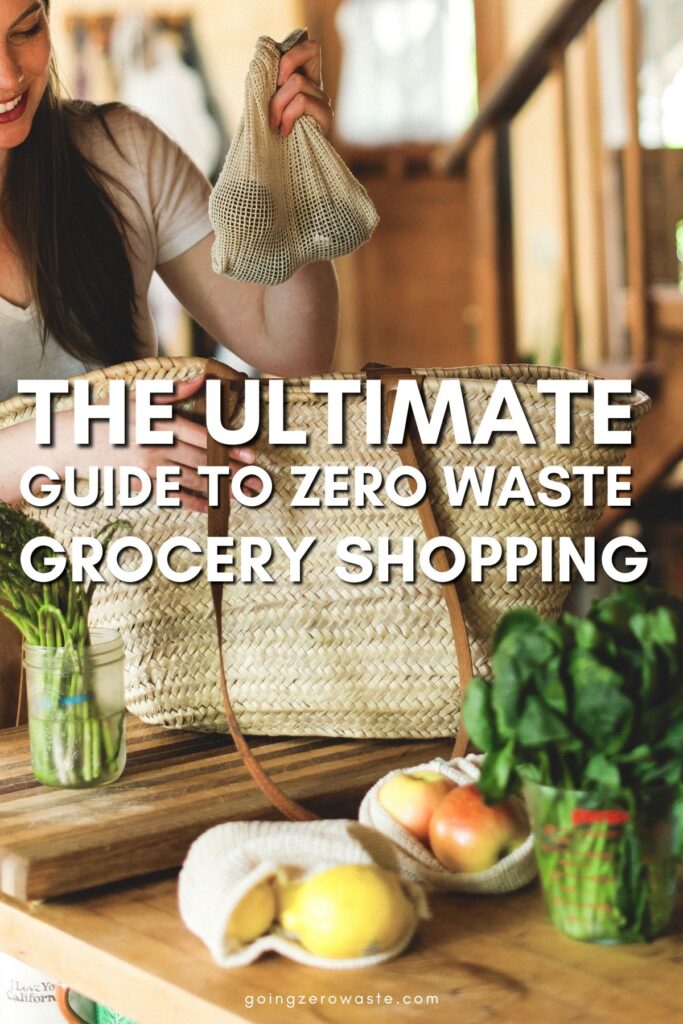
Transitioning to a zero waste shopping model requires a departure from impulsive consumption. Journalistic analysis of successful low-waste households suggests that the process begins with rigorous research and planning. The "Refill Collective" and similar directories serve as critical infrastructure, allowing consumers to locate bulk bins and refilleries using geographic data.
Budgeting remains a central pillar of this strategy. Financial experts recommend a "cash-only" approach for market shopping to prevent the "invisible spending" associated with credit cards. Furthermore, the 2026 projected price increases suggest that consumers should prioritize "ingredient-based planning" over "recipe-based planning." This involves purchasing versatile staples—such as dry beans, grains, and seasonal vegetables—that can be adapted into multiple meals, rather than buying specialized ingredients for a single dish that may result in leftovers going to waste.
The Infrastructure of Zero Waste: Essential Tools
For a zero waste system to be sustainable, consumers must invest in durable "closed-loop" tools. These include:
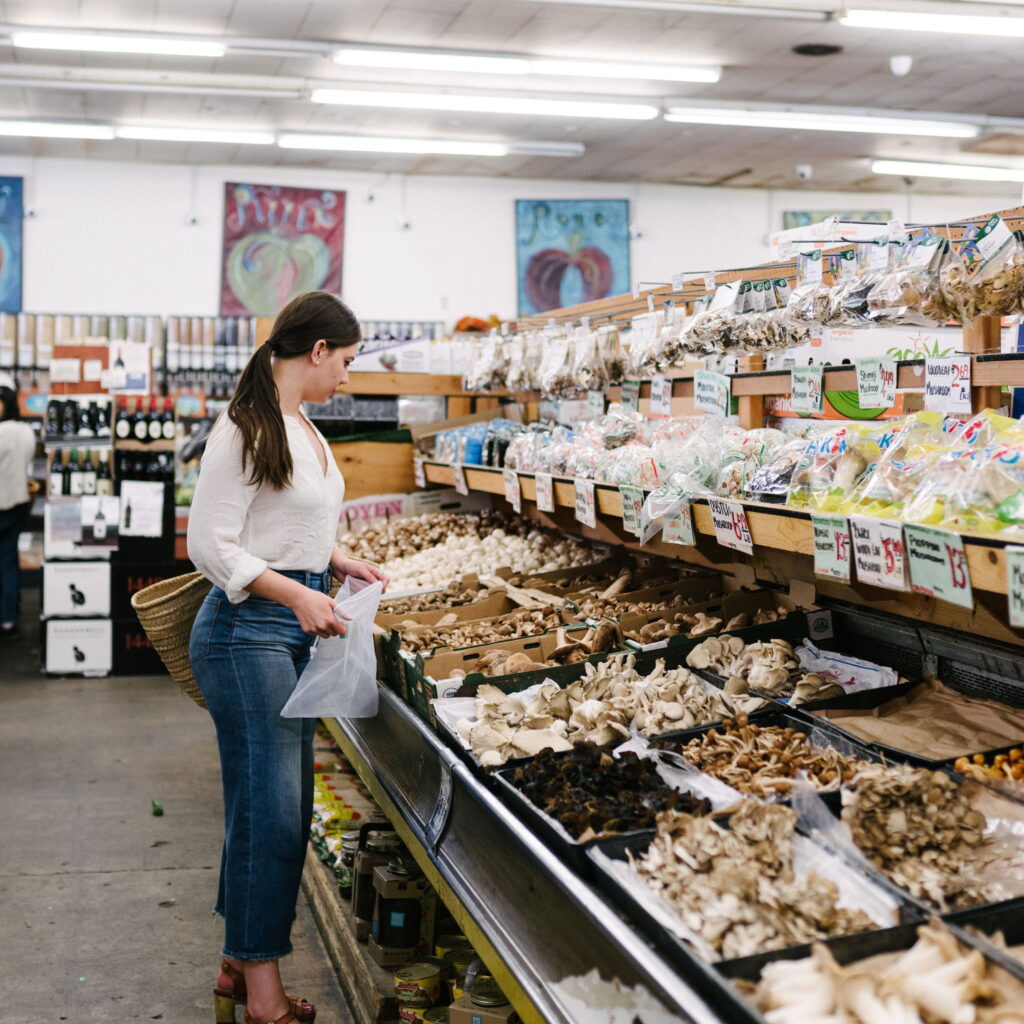
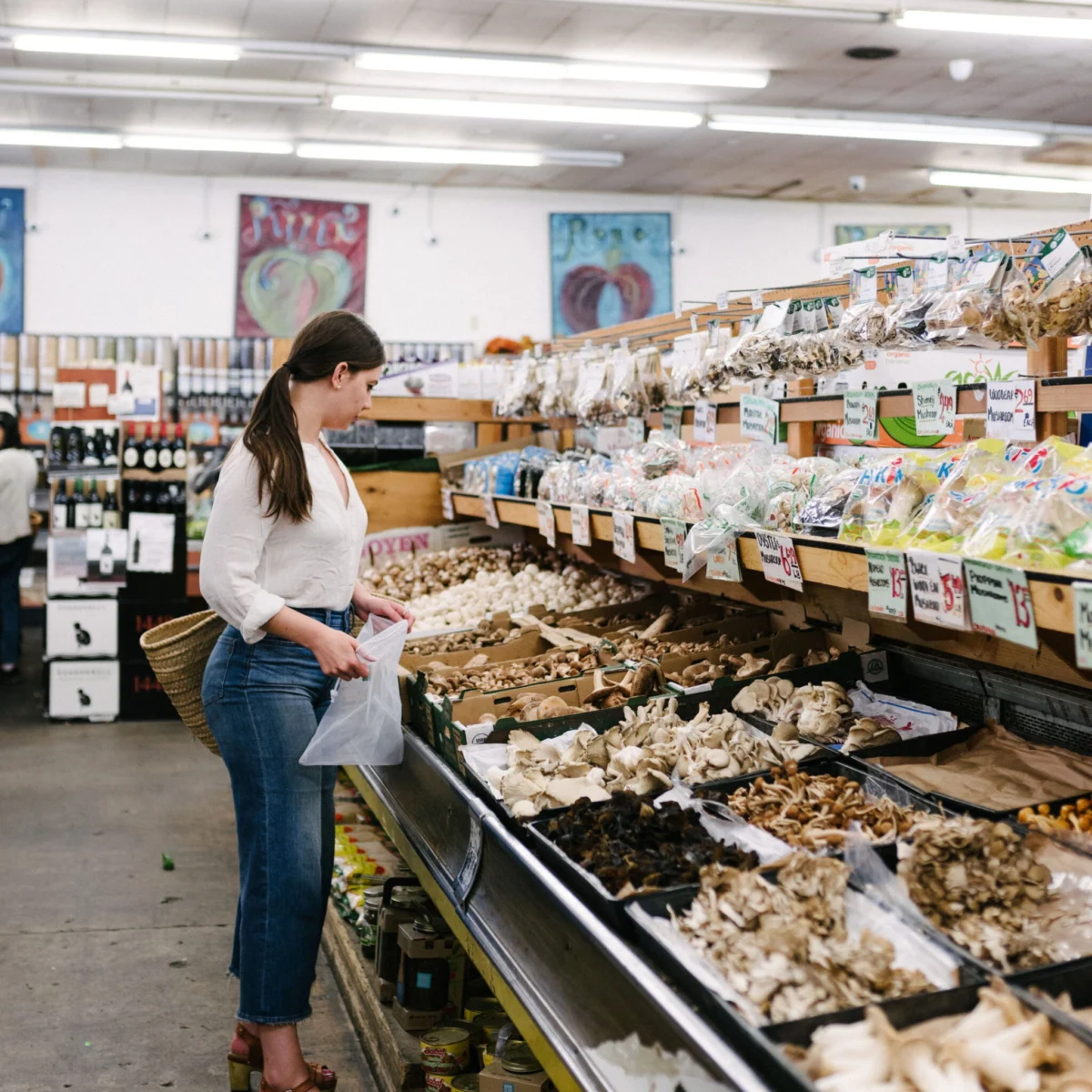
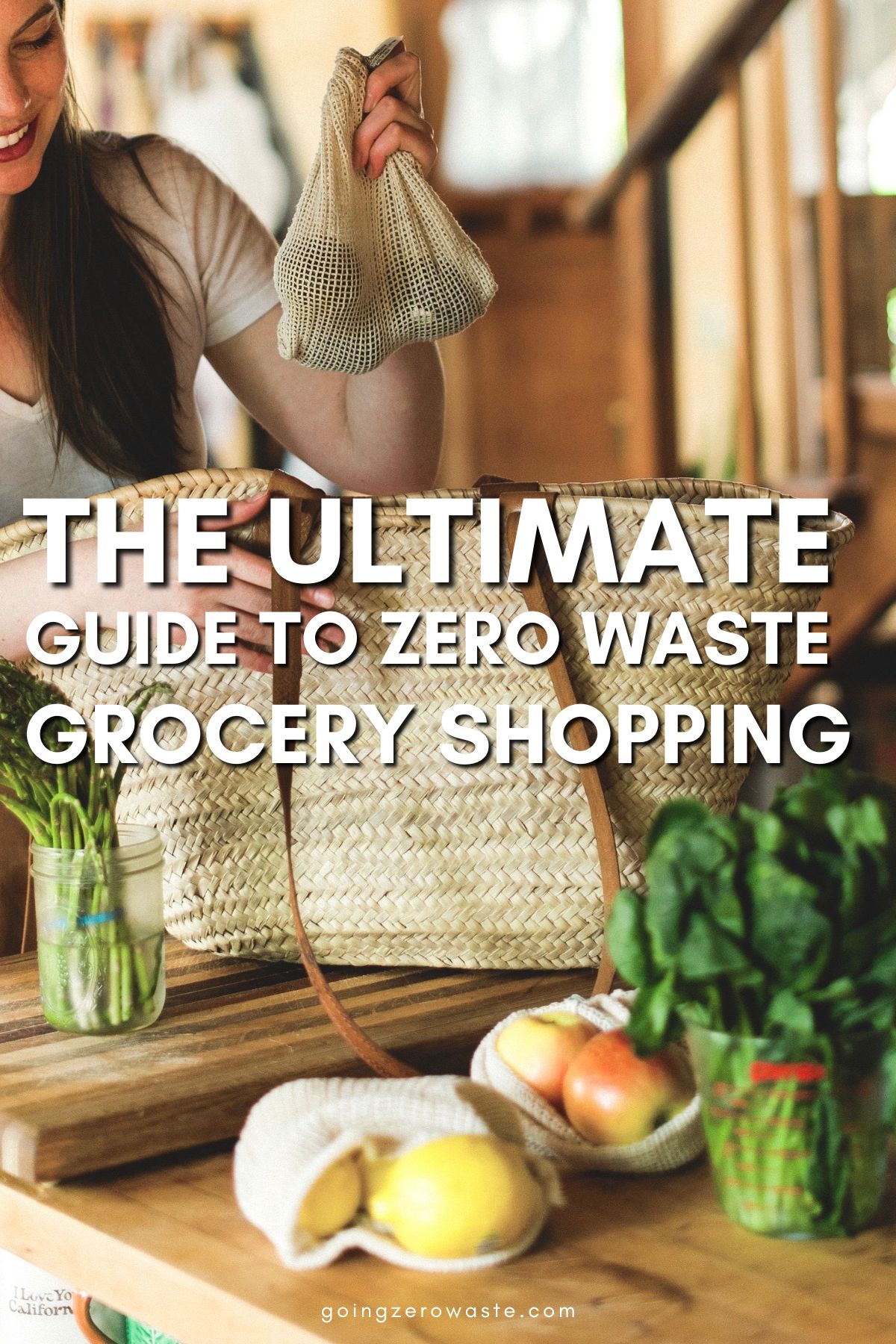
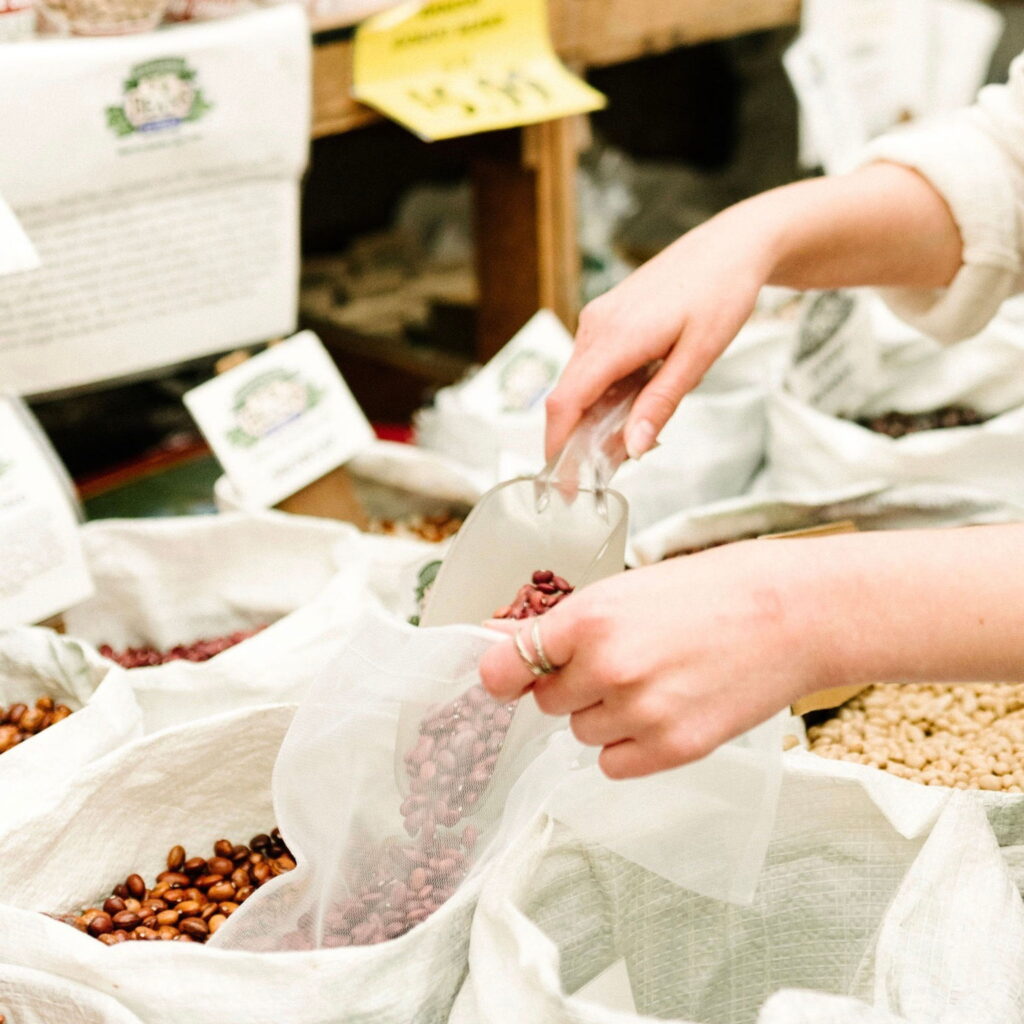
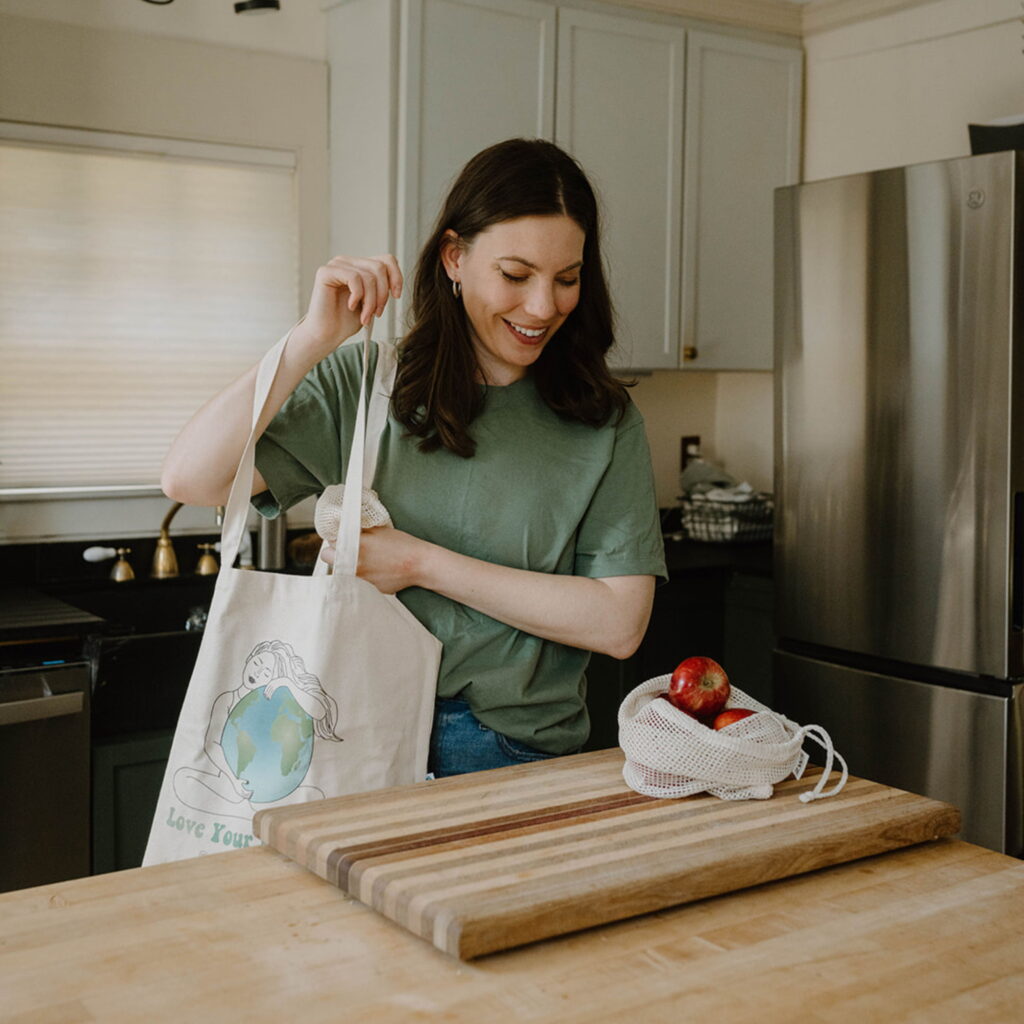
- Reusable Produce Bags: Moving away from thin-film plastic to mesh cotton or solid cloth bags. Mesh is preferred for leafy greens to allow for air circulation, while solid cloth is essential for fine grains and powders found in bulk bins.
- Secondary Containment: The use of glass "snapware," silicone bags, and metal tiffins has seen a marked increase in market share as consumers move away from BPA-containing plastics.
- Upcycled Glassware: A key tenet of the movement is the reuse of existing materials. Upcycling glass jars from pickles or sauces for bulk-bin shopping reduces the need for new manufacturing.
- Transport Stabilization: Logistics experts suggest using divided wine bags to transport glass jars safely, preventing breakage and noise during transit.
Advanced Food Preservation and Storage Science
Reducing waste is as much about what happens inside the refrigerator as what happens at the checkout counter. The science of food storage is critical for extending the lifecycle of perishables. For instance, carrots and celery remain crisp significantly longer when submerged in water in a sealed glass container, a method that prevents the loss of moisture through evaporation. Conversely, berries should remain unwashed and dry until the moment of consumption to prevent the growth of mold.
Fridge organization also plays a role in waste mitigation. The "warm zones" of a refrigerator, typically the door shelves, should be reserved for stable condiments rather than highly perishable items like eggs or milk. Crisper drawers should be utilized according to humidity needs; high-humidity drawers are intended for wilting-prone greens, while low-humidity drawers are best for fruits that emit ethylene gas, which can accelerate the ripening (and eventual rot) of nearby vegetables.
The "Scraptastic" Economy: Redefining Edibility
A significant portion of food waste is composed of "scraps" that are traditionally viewed as inedible but possess high nutritional and culinary value. Professional chefs and environmental advocates are increasingly promoting the use of the entire plant. Carrot tops, which have a flavor profile similar to parsley, can be converted into pestos or dressings. Strawberry tops can be infused into syrups or blended into smoothies for added fiber and vitamins.
The conversion of vegetable peels and ends into homemade stock is another example of "value-add" cooking. By simmering these scraps, consumers can avoid the purchase of pre-packaged stocks, which are often high in sodium and come in non-recyclable Tetra Pak containers. This practice aligns with the broader goal of a circular kitchen economy, where every input is utilized to its maximum potential.
Composting as a Systemic Necessity
When food reaches the end of its useful life, the final stage of the zero waste hierarchy is composting. Food waste in landfills is a major contributor to methane emissions, a greenhouse gas significantly more potent than carbon dioxide. Because landfills are anaerobic (lacking oxygen) environments, organic matter cannot break down naturally.
The shift toward municipal curbside composting and industrial facilities allows for the processing of complex organics, including meat and dairy, which are typically unsuitable for backyard bins. For urban dwellers, countertop compost pails equipped with charcoal filters offer a hygienic way to collect scraps for community garden drop-offs. In suburban or rural settings, "trench composting" or the use of "Bokashi" fermentation systems provides a way to return nutrients directly to the soil, completing the nutrient cycle.
Broader Impact and Global Implications
The move toward zero waste grocery shopping is more than an individual lifestyle choice; it is a burgeoning sector of the green economy. As consumers shift their spending power toward package-free options and "lonely" produce, they signal to major retailers that the current high-waste model is no longer viable.
The long-term implications are substantial. If a significant percentage of the population adopts these practices, the demand for virgin plastic production would plummet, directly impacting the fossil fuel industry. Furthermore, the reduction in municipal waste would lower the tax burden associated with landfill management and trash collection. As the 2026 food price outlook looms, the transition to a zero waste model represents a rare alignment of environmental stewardship, economic resilience, and personal health. The "ultimate guide" to this transition is not just a set of tips, but a blueprint for a more sustainable and fiscally responsible future in global food consumption.


